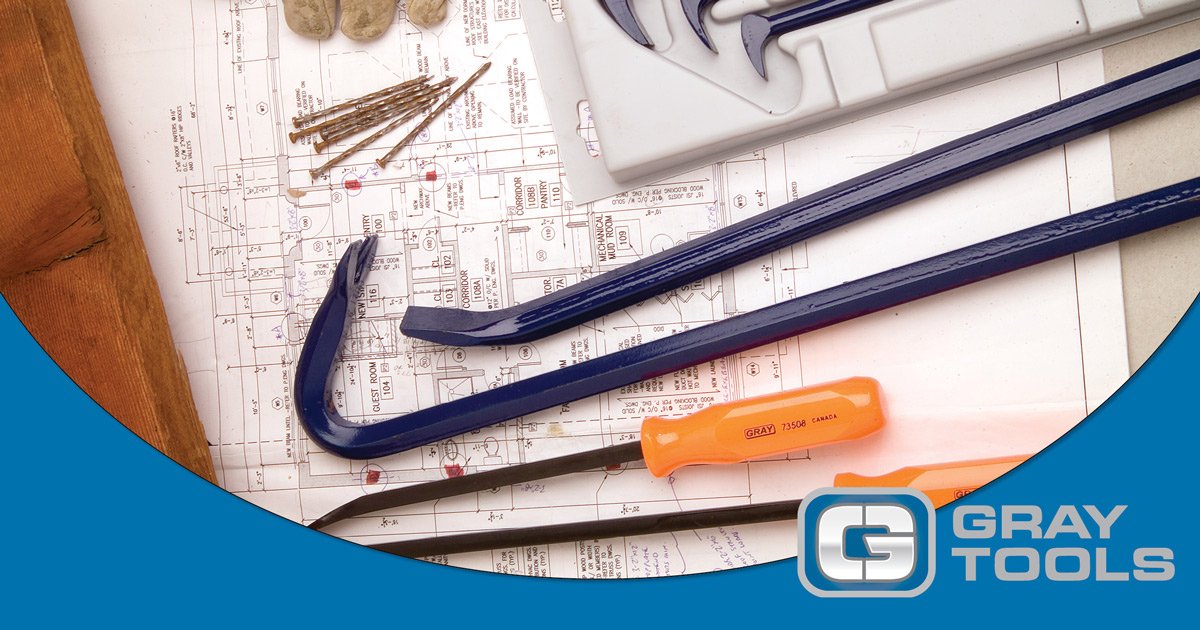
When you’re working on a construction site, a pry bar can be one of your most useful tools. But if you don’t use it the right way, it can also be dangerous.
You want to get the job done quickly, but safety should always come first. You’ll discover simple, practical tips that help you handle a pry bar safely every time. Keep reading to protect yourself and those around you while making your work easier and more efficient.
Your safety—and success—depend on it.
Choosing The Right Pry Bar
Using a pry bar safely starts with picking the right one. Different jobs need different types of pry bars.
Choosing the correct pry bar helps you work better and avoid injuries on site.
Types Of Pry Bars
Pry bars come in many shapes and sizes. Each type fits specific tasks in construction.
- Flat Pry Bar:Thin, flat blade for lifting and prying.
- Cat’s Paw:Curved claw for pulling nails.
- Wrecking Bar:Long and heavy for demolition work.
- Nail Puller:Designed to remove nails safely.
- Pinch Bar:Small and strong for tight spaces.
Material And Size Considerations
Material and size affect strength and ease of use. Choose wisely for safety and efficiency.
| Material | Pros | Cons |
| Steel | Very strong and durable | Heavy and can rust |
| Alloy Steel | Strong and lighter than steel | More expensive |
| Fiberglass Handle | Shock resistant and lighter | Less durable under heavy force |
Size affects leverage and control. Longer bars give more leverage but can be harder to handle.
- Small pry bars are good for tight spaces.
- Medium size fits most common jobs.
- Large pry bars are best for heavy demolition.

Credit: trueprepper.com
Inspecting The Pry Bar Before Use
Using a pry bar safely starts with a careful inspection. This helps avoid accidents and tool failure.
Check your pry bar every time before work. Look closely at all parts to ensure it is safe.
Checking For Damage And Wear
Look for cracks, bends, or rust on the pry bar. These signs show it may break during use.
Check the tip and edges. They should be sharp and not chipped or rounded off.
- Inspect the metal for cracks or dents
- Look for rust that weakens the bar
- Ensure the ends are not worn or damaged
- Make sure the shape is straight and not bent
Ensuring Proper Grip
A good grip helps control the pry bar and prevents slipping. Check the handle before use.
The handle should be clean and free from oil, grease, or dirt. Make sure grips are not loose or damaged.
- Clean the handle to remove any slippery substances
- Check if the grip covers are intact and secure
- Use gloves if needed for extra grip and safety
Proper Handling Techniques
Using a pry bar safely is very important on construction sites. Proper handling helps prevent injuries.
This guide covers key techniques to hold and use a pry bar the right way. Follow these tips for safety.
Correct Body Positioning
Stand with your feet shoulder-width apart to keep balance. Face the work area directly to control the pry bar better.
Bend your knees slightly and keep your back straight. This position reduces strain and helps you apply force safely.
- Keep your weight evenly on both feet
- Do not twist your body while prying
- Position yourself close to the work to avoid overstretching
Using Both Hands Effectively
Hold the pry bar with both hands to increase control. One hand should be near the tip, the other near the handle end.
Use your stronger hand to guide the bar and your other hand to push or pull. This balance helps you work with less effort.
- Grip firmly but avoid squeezing too hard
- Keep hands spaced for better leverage
- Switch hands if you feel tired to prevent strain

Credit: www.tenaquip.com
Safe Work Environment
Using a pry bar safely requires a clean and organized work area. A safe work environment helps prevent accidents and injuries.
Lighting and space are also important for clear visibility and easy movement. These factors reduce the risk of mistakes.
Clearing The Work Area
Remove any clutter or obstacles where you plan to use the pry bar. A clear area helps you move freely and avoid tripping.
- Pick up loose tools and materials
- Clear debris and trash from the floor
- Keep walkways open and unobstructed
- Store unused equipment away from the work zone
Adequate Lighting And Space
Good lighting lets you see what you are doing. Make sure the work area has enough light to spot hazards and work safely.
| Lighting Type | Recommended Use |
| Natural Light | Daytime work near windows or open areas |
| Overhead Lighting | General illumination for indoor spaces |
| Task Lighting | Focused light on detailed or tight spaces |
Also, make sure you have enough space to handle the pry bar safely. Crowded areas increase the chance of accidents.
Personal Protective Equipment
Using a pry bar in construction can be risky without proper protection. Personal protective equipment helps prevent injuries on site.
Always wear the right gear to keep your hands, eyes, and body safe while working with tools like pry bars.
Gloves And Eye Protection
Gloves protect your hands from cuts, blisters, and pinches. Eye protection stops debris from causing damage during prying tasks.
- Wear heavy-duty gloves with good grip and padding.
- Use safety glasses or goggles with side shields.
- Check gloves and eyewear for damage before use.
- Replace any worn or broken protective gear immediately.
Footwear And Clothing
Proper footwear and clothing reduce the risk of slips and injuries from sharp objects or falling debris.
| Item | Recommended Features |
| Footwear | Steel-toe boots with non-slip soles |
| Clothing | Durable, close-fitting clothes to avoid snags |
| Additional | High-visibility vests for busy sites |
Avoiding Common Hazards
Using a pry bar on construction sites can be risky. Knowing how to avoid hazards keeps you safe.
Follow simple safety tips to prevent accidents and injuries when using a pry bar.
Preventing Slips And Falls
Slips and falls cause many injuries on construction sites. A pry bar can slip if you lose balance.
Keep your work area clear and wear shoes with good grip to avoid falling.
- Clear debris from your work zone
- Wear sturdy, non-slip boots
- Keep your footing stable before applying force
- Do not overreach or work on uneven surfaces
Handling Unexpected Resistance
Sometimes a pry bar meets strong resistance. This can cause sudden slips or tool breakage.
Use steady pressure and check the pry bar’s position before pushing harder.
- Inspect the pry bar for damage before use
- Adjust your angle to reduce force needed
- Wear gloves to protect your hands
- Stop and reassess if the bar does not move easily
Maintenance And Storage Tips
Using a pry bar safely means keeping it clean and stored properly. Good care helps the tool last longer.
Regular maintenance stops damage and keeps the pry bar ready for the job.
Cleaning After Use
Clean your pry bar right after using it. Dirt and debris can cause rust and wear.
Use a wire brush or cloth to remove dirt. Wipe the bar with an oily rag to stop rust.
- Remove mud and dust with a brush
- Wipe with a damp cloth if needed
- Dry the pry bar fully before storing
- Apply light oil to metal parts
Proper Storage Practices
Store the pry bar in a dry place to avoid moisture damage. Keep it away from chemicals.
Hang the pry bar or place it on a rack to prevent bending or warping.
- Keep the tool in a dry, cool area
- Use hooks or racks for storage
- Avoid stacking heavy items on top
- Check the tool regularly for damage
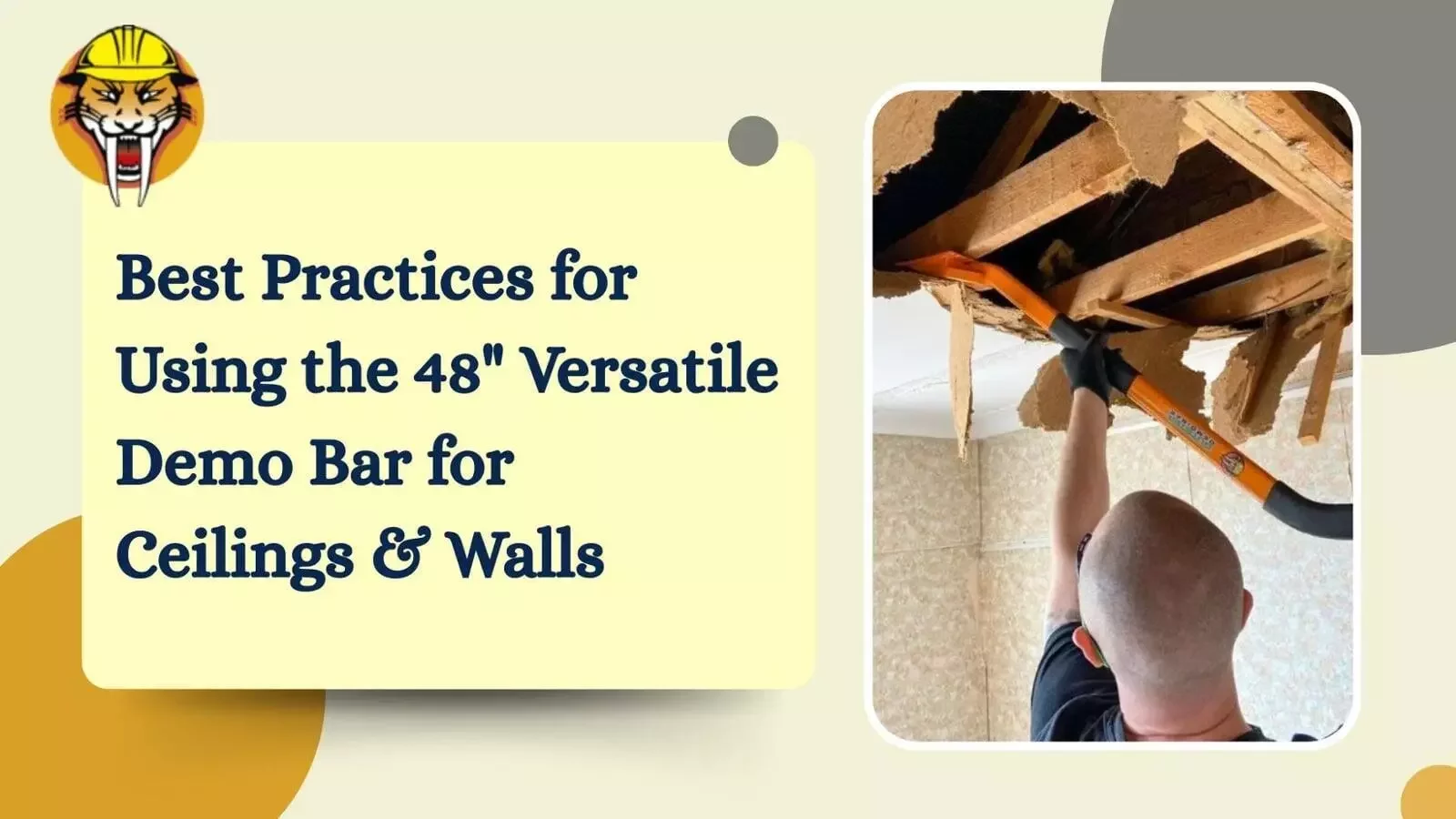
Credit: www.gutstertools.com
Frequently Asked Questions
What Safety Gear Is Essential When Using A Pry Bar?
Always wear safety goggles, gloves, and sturdy boots. These protect your eyes, hands, and feet from injury. Using the right gear reduces accidents and enhances grip and control during prying tasks.
How Do I Prevent Slipping While Using A Pry Bar?
Ensure the pry bar’s tip is securely placed on a stable surface. Maintain a firm grip and use steady, controlled pressure. Avoid using excessive force to reduce the risk of slips and injury.
What Is The Proper Way To Hold A Pry Bar?
Grip the pry bar near the end of the handle with both hands. Keep your hands away from the prying tip. This provides better leverage and control while minimizing injury risk.
How Can I Avoid Damaging Materials With A Pry Bar?
Use wooden blocks or padding between the pry bar and the surface. Apply gentle, steady pressure instead of sudden force. This technique protects surfaces and prevents unnecessary damage during prying.
Conclusion
Safety is crucial when using a pry bar in construction. Always wear protective gear. Gloves and goggles are essential. Keep a firm grip on the tool. Check your surroundings before prying. Make sure the surface is stable. Use the right size pry bar for the job.
This prevents accidents and damage. Store the tool properly after use. Regular maintenance extends its life. With these tips, you can work safely and efficiently. Safety enhances productivity and ensures a smooth construction process. Stay aware and cautious at all times.
A safe work environment benefits everyone involved.