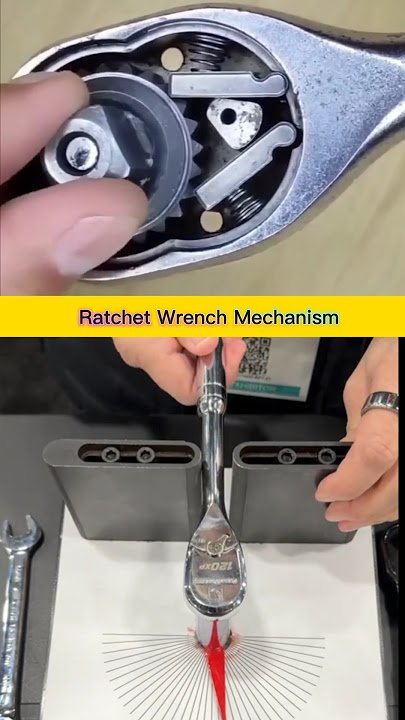
Struggling to work in tight spaces can turn a simple job into a frustrating challenge. You’ve got your ratchet wrench, but it feels like there’s just not enough room to move.
What if you could master a few simple tips that make every twist and turn easier, faster, and less stressful? You’ll discover practical tricks to help you use your ratchet wrench efficiently, even when space is limited. Keep reading to unlock the secrets that will save your time and energy on your next project.

Credit: www.youtube.com
Choosing The Right Ratchet Wrench
Using a ratchet wrench in tight spaces can be tricky. Picking the right tool helps you work faster and safer.
Consider size, handle type, and material before buying a ratchet wrench. Each factor affects how well it fits and lasts.
Size And Drive Considerations
Ratchet wrenches come in different sizes and drive types. Size affects access and torque ability. Drive size matches the socket size.
- 1/4-inch drive is good for small fasteners and tight spots.
- 3/8-inch drive offers a balance for medium tasks.
- 1/2-inch drive suits larger bolts but needs more space.
Handle Types For Better Grip
Handle style affects comfort and control. Choose a handle that fits your hand and work area.
| Handle Type | Advantages |
| Straight | Simple design, easy to use in narrow spaces |
| Curved | Better leverage and comfort |
| Knurled | Textured grip prevents slipping |
Material And Durability Factors
Strong materials last longer and resist wear. Look for ratchets made with quality steel and good finishes.
Tips for material choice:
- Chrome vanadium steel offers strength and rust resistance.
- Polished chrome finish helps prevent corrosion.
- Heat-treated parts increase durability under stress.
Preparing Your Workspace
Using a ratchet wrench in tight spaces needs a clear and well-prepared workspace. Taking time to prepare helps you work safely and efficiently.
Before starting, organize the area so you can focus on the task. This guide covers how to clear obstructions, improve lighting, and arrange tools for easy access.
Clearing Obstructions
Remove anything that blocks your access or movement. A tidy workspace reduces the chance of accidents and saves time.
- Move boxes, cords, and loose items away from the work area.
- Clear surfaces so you can place your tools nearby.
- Check for sharp edges or parts that may cause injury.
- Keep the floor free from debris to avoid slipping.
Lighting For Visibility
Good lighting helps you see bolts and nuts clearly. Bright and focused light reduces eye strain and mistakes.
| Lighting Type | Use Case | Benefit |
| LED Work Light | Small, focused areas | Bright, energy-saving |
| Headlamp | Hands-free use | Directs light where you look |
| Clamp Light | Attach near workspace | Adjustable angle |
Organizing Tools For Access
Keep your ratchet wrench and other tools close. Proper tool placement speeds up work and keeps you focused.
Try this simple setup:
- Place your ratchet wrench on a clean cloth to prevent slipping.
- Arrange sockets by size in a tray or magnetic holder.
- Keep pliers and screwdrivers within arm’s reach.
Techniques For Tight Spaces
Using a ratchet wrench in tight spaces can be hard. You need the right techniques to work comfortably and safely.
This guide explains simple ways to use a ratchet wrench where space is limited. These tips help you get the job done faster.
Using Short Strokes
Short strokes let you turn a ratchet wrench in small areas. Instead of a full swing, move the handle back and forth in small steps.
This technique helps when there is not enough room to move the wrench freely. It keeps the tool working without removing it.
Leveraging Flex-head Ratchets
Flex-head ratchets have a joint that bends. This lets you change the wrench angle to fit tight spots.
Use the flex-head to reach bolts that are hard to see or get to. It gives you more control and less strain on your wrist.
Employing Extension Bars And Adapters
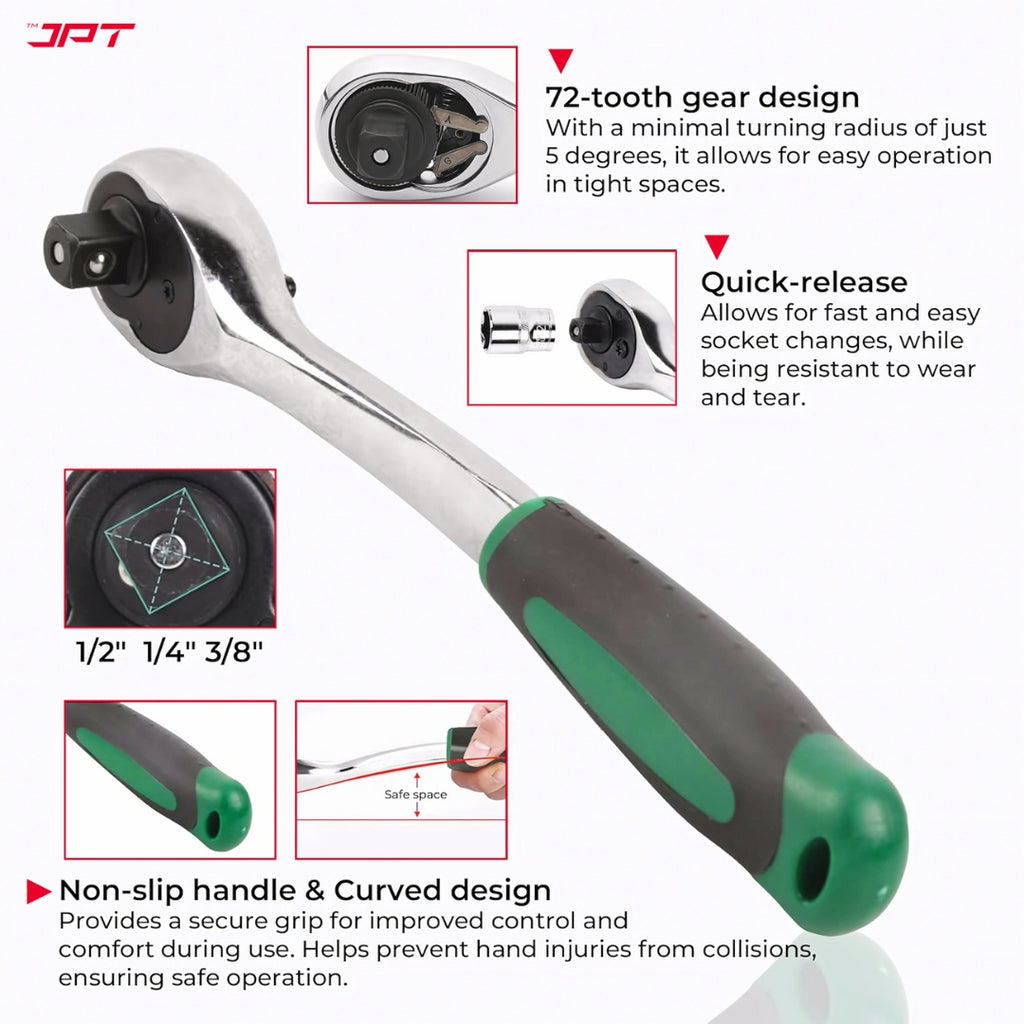
Extension bars add length to your ratchet wrench. They help reach bolts in deep or narrow places.
Adapters change the wrench size or direction. Use them to fit different bolt heads or reach awkward angles.
- Extension bars increase reach without losing torque
- Adapters allow switching socket sizes quickly
- Use adapters to turn bolts at difficult angles
- Combine extensions and adapters for best access
Credit: jpttools.com
Improving Maneuverability
Using a ratchet wrench in tight spaces can be tricky. Good technique helps you work faster and easier.
This guide covers ways to improve your control and movement with a ratchet wrench.
Adjusting Hand Positions
Changing how you hold the wrench helps you reach tight spots. Move your hand closer to the head for better control.
- Grip the handle firmly but not too tight.
- Slide your hand along the handle for different angles.
- Use your palm or fingers to push or pull as needed.
- Switch hands if the space is limited on one side.
Using Ratchets With Reversible Mechanisms
Reversible ratchets let you turn bolts without removing the wrench. Flip the switch to change direction quickly.
| Direction | Use |
| Clockwise | Tighten bolts |
| Counterclockwise | Loosen bolts |
This feature saves space by allowing small back-and-forth movements.
Applying Controlled Force
Use steady, even pressure to avoid slipping or damaging bolts. Too much force can cause injury or strip threads.
- Start with light pressure to find the right grip.
- Increase force gradually as needed.
- Stop if the wrench slips or the bolt resists too much.
- Use a longer handle for more torque in tight spots.
Safety Tips And Maintenance
Using a ratchet wrench in tight spaces needs care and attention. Safety helps avoid injuries and keeps tools working well.
Proper maintenance makes the ratchet last longer. Follow these tips to stay safe and keep your tool in good shape.
Preventing Slips And Injuries
Slips can cause harm and damage your work. Use these safety tips to reduce risks while working in small areas.
- Wear gloves to improve grip and protect hands.
- Check the wrench for damage before use.
- Keep your workspace clean and free of oil or grease.
- Use the correct size socket to avoid slipping.
- Apply steady pressure and avoid sudden force.
Regular Cleaning And Lubrication
Cleaning removes dirt and debris that block the ratchet’s movement. Lubrication keeps gears running smoothly.
| Task | How Often | Tools Needed |
| Remove dirt and dust | After each use | Soft cloth, brush |
| Lubricate gears | Every month or after heavy use | Light machine oil |
| Inspect parts for wear | Every 3 months | Flashlight, magnifier |
Storing Ratchets Properly
Storing your ratchet correctly keeps it safe and ready to use. Avoid damage by following good storage habits.
- Keep ratchets in a dry place to stop rust.
- Store them in a case or toolbox to avoid dust.
- Do not leave ratchets under heavy tools or objects.
- Label storage areas to find tools easily.

Credit: fastfixtechnology.com
Frequently Asked Questions
How Do I Use A Ratchet Wrench In Tight Spaces?
To use a ratchet wrench in tight spaces, select a compact wrench and use a short handle. Work with small, controlled movements and adjust the wrench’s direction carefully to maximize space and maintain control.
What Size Ratchet Wrench Is Best For Tight Areas?
A smaller ratchet wrench, typically 1/4-inch or 3/8-inch drive, is best for tight spaces. These sizes offer better maneuverability and access in confined areas without sacrificing torque.
Can I Use Extensions With A Ratchet Wrench In Tight Spaces?
Yes, using a flexible or short extension can help reach bolts in tight spaces. Choose extensions that fit snugly and allow for easy rotation without adding bulk.
How Do I Avoid Damaging Bolts In Tight Spaces?
Use the correct socket size and apply steady, controlled force. Avoid over-tightening or stripping by turning the ratchet slowly and checking bolt fit frequently.
Conclusion
Using a ratchet wrench in tight spaces can be challenging. Remember to choose the right wrench size. Always keep your workspace organized. This helps you access tools quickly. Practice using the wrench in open areas first. This builds confidence for tight spots.
Keep your grip firm but gentle. This prevents slipping and damage. Regularly maintain your tools. Clean them after use to ensure longevity. With these tips, you can handle tight spaces efficiently. Wrenching in confined areas becomes less daunting. Stay patient and persistent.
Your skills will improve with time and practice.