
Are you ready to take your craftsmanship to the next level? Whether you’re a DIY enthusiast or a seasoned artisan, mastering the use of a rotary tool can unlock a world of precision and creativity.
Imagine being able to carve intricate designs, polish your projects to perfection, and tackle even the most delicate tasks with ease. But how do you ensure that your work stands out in the details? This is where the right techniques make all the difference.
In this guide, you’ll discover essential tips for using a rotary tool to achieve detailed work that captivates and impresses. Stick around to transform your projects from ordinary to extraordinary, and become the creator you’ve always aspired to be!

Credit: cottagelife.com
Choosing The Right Rotary Tool
Using a rotary tool for detailed work needs the right tool choice. Picking the correct rotary tool helps you work with ease and accuracy.
Different projects need different rotary tools. Knowing what to look for saves time and effort.
Selecting Appropriate Attachments
Attachments help you do many tasks with one rotary tool. Choose attachments based on the job you want to do.
For detailed work, use small grinding stones, fine sanding drums, or precision cutting wheels.
- Grinding stones for shaping and smoothing
- Sanding drums for fine surface finishing
- Cutting wheels for precise cuts
- Polishing bits for a clean shine
Considering Speed Settings
Rotary tools with adjustable speed settings give you more control. Lower speeds work best for delicate tasks.
High speeds can damage small parts or cause mistakes. Use the right speed to match your material and attachment.
- Low speed for precision and control
- Medium speed for general tasks
- High speed for fast cutting or grinding
Ergonomic Features To Look For
Comfort matters when working on detailed projects. Choose a rotary tool that fits well in your hand and feels balanced.
Look for tools with soft grips and light weight. These features reduce hand fatigue and improve accuracy.
- Soft, non-slip grip for better hold
- Lightweight design for ease of use
- Compact size for precise handling
- Easy-to-reach buttons for quick control
Preparing Your Workspace
Preparing your workspace is important for detailed work with a rotary tool. A clean and well-lit area helps you work safely and accurately.
Organizing your tools and setting safety measures makes the process smoother. Here are some tips to get your workspace ready.
Ensuring Proper Lighting
Good lighting helps you see small details clearly. Use bright, focused lights near your work area. Avoid shadows and glare on your project.
- Use an adjustable desk lamp for direct light
- Place lights to reduce shadows
- Use daylight bulbs for natural color
- Keep the area well-lit to reduce eye strain
Setting Up Safety Measures
Safety is key when using a rotary tool. Protect yourself and others by following simple safety steps before you start.
- Wear safety goggles to protect your eyes
- Use a dust mask to avoid inhaling particles
- Keep your hair tied back and avoid loose clothes
- Work in a well-ventilated area
- Keep a first aid kit nearby
Organizing Tools And Materials
Keep your tools and materials within reach. A tidy workspace saves time and helps prevent accidents.
| Tool | Storage Tip |
| Rotary tool | Place on a stable stand or holder |
| Bits and attachments | Use labeled containers or a compartment box |
| Safety gear | Store in a dedicated drawer or shelf |
| Project materials | Keep in clear containers for easy access |
Mastering Grip And Control
Using a rotary tool for detailed work needs a steady hand and good control. Holding the tool right helps you make clean cuts and fine shapes. This guide shows ways to improve your grip and control for better results.
Focus on how you hold the tool, keep your movements smooth, and use supports for steady work. These tips reduce mistakes and make your detailed projects easier.
Holding Techniques For Precision
Hold the rotary tool like a pencil for more control. Use your thumb and index finger near the bit. This grip lets you guide the tool with small, accurate movements. Keep your hand relaxed to avoid shaking.
- Use a light grip to reduce hand fatigue
- Keep your fingers close to the bit for better feedback
- Rest your hand lightly on the work surface to steady it
- Switch hands if you feel tired to keep control
Maintaining Steady Movements
Move the tool slowly and steadily. Quick, jerky motions cause mistakes and rough edges. Focus on smooth, even strokes. Let the tool do the work without forcing it.
| Tip | Why It Helps |
|---|---|
| Move tool at a consistent speed | Prevents uneven cuts and tool slips |
| Keep your wrist steady | Improves control and accuracy |
| Pause to check work often | Allows corrections before mistakes grow |
Using Supports And Guides
Supports help keep your hand steady and prevent slips. Use clamps or vises to hold your workpiece. Guides like rulers or templates help you follow shapes easily.
- Clamp your work to a stable surface
- Use a bench pin or small block to rest your hand
- Trace lines with a pencil before cutting
- Use guide attachments for straight cuts
Techniques For Different Materials
A rotary tool can handle many materials with the right techniques. Using the correct approach helps you get clean, detailed results.
Each material needs a specific speed and bit type. Understanding this keeps your work smooth and prevents damage.
Working On Wood
Use a lower speed setting on wood to avoid burning. Choose a sanding or carving bit for shaping and smoothing.
Move the tool gently and keep it steady. Let the bit do the work instead of pressing too hard.
- Start with coarse bits for shaping
- Switch to finer bits for detail work
- Keep the tool moving to avoid deep cuts
- Use a dust mask to avoid inhaling wood dust
Handling Metal Surfaces
Use a higher speed for metal but control the tool firmly. Use grinding or polishing bits to shape and smooth metal.
Cool the metal often with water to prevent overheating. Small, slow passes give better control and a cleaner finish.
- Wear safety glasses and gloves
- Use a wire brush bit for rust removal
- Try a polishing bit for shine
- Keep steady pressure to avoid slips
Detailing On Plastic And Resin
Use low to medium speeds to avoid melting plastic or resin. Choose fine grinding or sanding bits for delicate shaping.
Work slowly and carefully to keep details sharp. Test on a small area before starting the main work.
- Use soft pressure to avoid cracking
- Clean bits often to prevent clogging
- Use a sharp bit for clean cuts
- Work in a well-ventilated area
Maintaining Your Rotary Tool
Keeping your rotary tool in good shape helps it last longer and work better. Regular care prevents damage and ensures smooth performance.
Follow simple maintenance steps to avoid common problems. This guide covers cleaning, replacing parts, and storing your tool properly.
Cleaning And Lubrication Tips
Clean your rotary tool after each use to remove dust and debris. Use a soft brush or compressed air for hard-to-reach areas. Avoid water or harsh chemicals.
- Unplug the tool before cleaning
- Use a dry cloth to wipe the surface
- Apply a small amount of light machine oil to moving parts
- Keep vents clear to avoid overheating
Replacing Worn Attachments
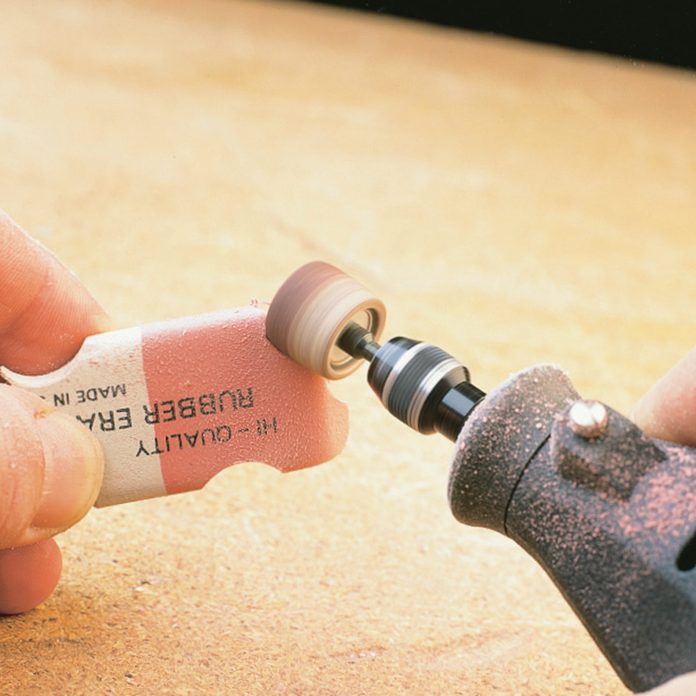
Attachments wear out with use and can affect your work quality. Check them regularly and replace any that show signs of damage or dullness.
| Attachment Type | Signs to Replace | Replacement Frequency |
| Cutting Wheels | Cracks or chips | After heavy use or damage |
| Grinding Stones | Worn down or uneven surface | When performance drops |
| Sandpaper Discs | Loss of grit or tearing | After each project or visible wear |
Storing For Longevity
Store your rotary tool in a dry, cool place. Keep it away from dust and moisture to prevent rust and damage.
- Use a case or container to protect the tool
- Keep attachments organized and clean
- Remove batteries or unplug when not in use
- Check tool parts regularly before storage
Credit: www.familyhandyman.com
Troubleshooting Common Issues
Rotary tools help with detailed work but can face problems. Knowing how to fix common issues saves time and effort.
This guide covers how to handle overheating, vibration, and attachment slippage problems.
Dealing With Overheating
Rotary tools can get hot after long use. Overheating may damage the tool or reduce performance.
To prevent overheating, take breaks and let the tool cool down. Avoid pressing too hard on the work surface.
- Use the correct speed for your task
- Keep vents clear of dust and debris
- Allow the tool to rest after 10-15 minutes of use
- Use water or lubricant if the tool supports it
Managing Vibration Problems
Strong vibrations make it hard to control the rotary tool. It can cause hand fatigue and less precise work.
Check for loose parts and attachments. Tighten everything before use to reduce vibration.
- Balance the attachments properly
- Replace worn or damaged parts
- Hold the tool firmly but not too tight
- Use anti-vibration gloves for comfort
Fixing Attachment Slippage
Attachments can slip if not secured well. This affects accuracy and can damage the workpiece.
Make sure to tighten the collet or chuck properly. Use the correct size attachment for your tool.
- Clean the collet and attachment before fitting
- Replace worn collets or chucks
- Do not overtighten, which can cause damage
- Use locking washers if needed
Safety Tips For Detailed Work
Using a rotary tool for detailed work can be precise and effective. Safety is very important to avoid accidents.
This guide covers key safety tips to protect yourself and work safely with your rotary tool.
Protective Gear Essentials
Always wear the right protective gear to keep yourself safe during detailed work.
- Wear safety goggles to protect your eyes from dust and debris.
- Use ear protection if the tool noise is loud or lasts long.
- Wear a dust mask to avoid inhaling fine particles.
- Gloves help protect your hands from cuts and abrasions.
- Wear long sleeves to protect your arms from sparks or small fragments.
Avoiding Common Injuries
Rotary tools can cause injuries if not used carefully. Watch for these common risks.
| Injury Type | Cause | Prevention |
| Eye injury | Flying debris | Wear safety goggles |
| Cuts and scrapes | Slipping tool or sharp bits | Wear gloves and hold tool firmly |
| Hearing damage | Prolonged loud noise | Use ear protection |
| Respiratory issues | Inhaling dust | Wear a dust mask |
Safe Handling Practices
Handle your rotary tool carefully to avoid accidents and work better.
- Always unplug the tool before changing bits.
- Keep your hands steady and avoid rushing the job.
- Use the correct bit for the task to prevent damage.
- Work in a well-lit area to see details clearly.
- Keep the tool away from water and damp places.

Credit: www.youtube.com
Frequently Asked Questions
What Rotary Tool Bits Are Best For Detailed Work?
For detailed work, use small, fine bits like diamond burrs, engraving bits, and sanding drums. These provide precision and control. Choose bits that match your material for best results.
How To Control Rotary Tool Speed For Precision?
Use a low to medium speed setting for detailed tasks. High speeds can cause mistakes or damage delicate areas. Adjust speed gradually to find the best balance.
What Safety Tips Should I Follow Using Rotary Tools?
Always wear eye protection and a dust mask. Secure your workpiece and keep a steady hand. Work in a well-ventilated area to avoid inhaling dust.
How To Maintain A Rotary Tool For Detailed Projects?
Regularly clean bits and tool vents to prevent overheating. Replace worn bits promptly. Lubricate moving parts as recommended by the manufacturer to ensure smooth operation.
Conclusion
Using a rotary tool for detailed work takes practice and patience. Always choose the right attachment for your task. Keep a steady hand and work slowly for the best results. Safety matters—wear protective gear and work in a well-lit space.
Clean your tool after each use to keep it working well. With time, your skills will improve, and your projects will look great. Enjoy the process and stay careful. Your detailed work will show your effort and care.