If you want to get the most out of your socket set, you’re in the right place. Using these tools efficiently can save you time, reduce frustration, and make your projects easier.
Whether you’re fixing something around the house or working on a bigger job, knowing the right tips can change the game. Ready to work smarter, not harder? Keep reading, and you’ll discover simple tricks that will make your socket set your favorite tool in no time.
Choosing The Right Socket Set
Using a socket set makes many repair jobs easier and faster. Picking the right set helps you work better and avoid damage.
Consider the types, materials, and sizes you need before buying. This guide shows what to look for in a socket set.
Types Of Sockets
Sockets come in different shapes and sizes for various tasks. The most common types include:
- Standard sockets for general use
- Deep sockets to reach recessed fasteners
- Impact sockets designed for power tools
- Universal sockets that fit multiple shapes
Material And Durability
The socket’s material affects how long it lasts and how strong it is. Look for sockets made from chrome vanadium steel or chrome molybdenum steel. These materials resist rust and wear well.
| Material | Durability | Best Use |
| Chrome Vanadium Steel | High | General repairs |
| Chrome Molybdenum Steel | Very High | Impact tools |
| Carbon Steel | Moderate | Light tasks |
Essential Sizes To Have
A good socket set covers common sizes. This helps you avoid buying extra parts later.
- Metric sizes from 8mm to 19mm
- Standard sizes from 5/16 inch to 3/4 inch
- Extra deep sockets for hard-to-reach bolts
- Adapters and extensions for flexibility
Organizing Your Socket Set
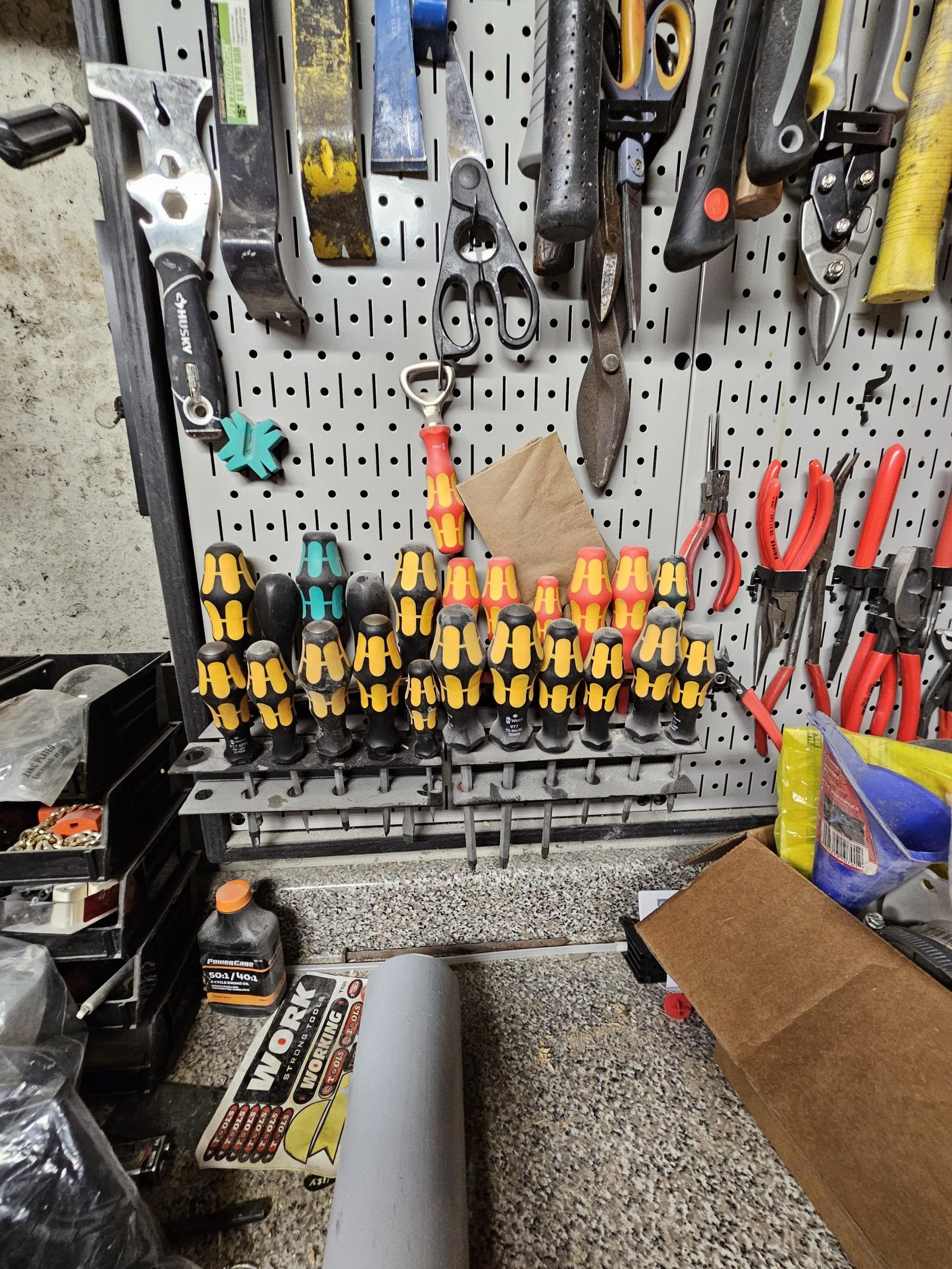
Keeping your socket set organized saves time and effort. A well-arranged set helps you find tools quickly.
Proper organization also protects your tools from damage and loss. Here are tips to keep your socket set in order.
Storage Solutions
Choose storage that fits your workspace and tool size. Use cases, trays, or racks designed for socket sets.
- Use a socket organizer tray with individual slots
- Keep the set in a sturdy toolbox with compartments
- Magnetic strips can hold sockets on a wall or bench
- Stackable boxes help if you have many sockets
Labeling And Sorting
Label each socket size clearly. Sort sockets by size and type to find them fast.
| Socket Type | Sorting Method | Labeling Tip |
| Standard (SAE) | Arrange from smallest to largest | Use size stickers or engraved marks |
| Metric | Group by size in millimeters | Use color-coded labels for quick ID |
| Deep Sockets | Keep separate from shallow sockets | Mark with “Deep” tag or label |
Maintaining Cleanliness
Clean sockets after use to prevent rust and dirt buildup. Store them dry to keep them in good shape.
- Wipe sockets with a clean cloth after each job
- Use a rust inhibitor spray if storing long-term
- Check storage cases for dust and moisture regularly
- Keep a small brush nearby for cleaning hard-to-reach spots
Socket Set Techniques
Using a socket set correctly helps you finish jobs faster. It also keeps your tools and fasteners safe.
Learn some simple tips to get the best results from your socket set. These tips focus on how to use sockets and accessories well.
Proper Socket Attachment
Attach the socket firmly to the ratchet or driver. A loose fit can cause slipping and damage.
Make sure the socket clicks into place. This confirms it is locked securely.
- Check socket size matches the bolt or nut.
- Push the socket onto the ratchet until it clicks.
- Test by pulling lightly to confirm it stays in place.
Using Extensions And Adapters
Extensions help reach bolts in tight or deep spots. Adapters let you use sockets with different drives.
Use the right extension length to avoid bending or breaking your tools.
- Choose the correct adapter for your ratchet and socket size.
- Use extensions to reach hard-to-access fasteners.
- Keep extensions straight to prevent tool damage.
Applying Correct Torque
Apply the right amount of force to avoid stripping bolts or breaking tools. Too much force causes damage.
Use a torque wrench for precise tightening when needed. This prevents over-tightening or under-tightening.
- Apply steady pressure, not sudden force.
- Use a torque wrench for critical fasteners.
- Follow manufacturer torque specifications if available.
Credit: www.vintagemillwerks.com
Safety Tips For Socket Use
Using a socket set can be easy if you follow safety rules. These tips help you work safely and avoid injuries.
Always take care when handling tools. Safety keeps your work smooth and your hands safe.
Wearing Protective Gear
Wear gloves to protect your hands from cuts and bruises. Eye protection stops dirt or metal bits from hurting your eyes.
Good shoes protect your feet if tools drop. Dress safely to avoid accidents during work.
- Use safety glasses or goggles
- Wear sturdy gloves
- Choose closed-toe shoes
- Avoid loose clothing that can catch
Inspecting Tools Regularly
Check your socket set before each use. Look for cracks, rust, or worn parts that can break.
Clean tools after use to keep them working well. Proper care helps tools last longer and stay safe.
- Look for damaged or worn sockets
- Make sure ratchets work smoothly
- Clean tools after every job
- Store tools in a dry place
Avoiding Common Mistakes
Do not use the wrong socket size. It can slip and hurt your hand or damage the bolt.
Never use tools with damaged handles or sockets. Use steady force and avoid sudden jerks.
- Pick the right socket size
- Do not force stuck bolts
- Use steady, controlled pressure
- Replace broken or worn parts
Maximizing Efficiency
Using a socket set efficiently saves time and effort on tasks. A good plan and the right tools help you work faster and better.
This guide shows ways to plan your work, use power tools with socket sets, and change sockets quickly.
Planning Your Work
Before starting, know the size and type of fasteners you will work with. Gather all needed sockets and tools in one place.
- Check the project to identify socket sizes
- Organize sockets by size for quick access
- Keep extensions and adapters handy
- Clear your workspace for easy movement
- Review the steps of the task before beginning
Using Power Tools With Socket Sets
Power tools like impact drivers speed up work when used with socket sets. Choose the right tool and sockets to avoid damage.
| Power Tool | Best Socket Type | Tip |
| Impact Driver | Impact-Rated Sockets | Use sockets made for impacts to avoid cracks |
| Electric Ratchet | Standard Sockets | Ensure sockets fit tightly to prevent slipping |
| Air Ratchet | Heavy-Duty Sockets | Check air pressure for consistent torque |
Quick Socket Changes
Switching sockets fast keeps your work moving. Use tools and tricks that help you change sockets without delay.
Tips for faster socket changes:
- Use quick-release ratchets or drivers
- Keep sockets arranged by size for easy grabbing
- Wear gloves that allow good grip and feel
- Use magnetic socket holders to keep sockets in place
- Practice removing and attaching sockets smoothly

Credit: www.reddit.com
Troubleshooting Common Issues
Using a socket set can be simple, but some problems may slow you down. Knowing how to fix these common issues saves time and effort.
This guide covers stuck bolts, socket slippage, and tool wear. Each section gives clear tips to handle these problems quickly.
Dealing With Stuck Bolts
Stuck bolts can stop your work. Use the right approach to loosen them without damage.
- Apply penetrating oil and wait 10 minutes.
- Use a breaker bar for extra leverage.
- Tap the bolt gently with a hammer to break rust.
- Try heat carefully with a heat gun if safe.
- Turn the bolt slowly to avoid rounding edges.
Socket Slippage
Socket slippage can damage bolts and tools. Check your socket and use the right size for a tight fit.
| Cause | Fix |
| Wrong socket size | Use the correct size socket. |
| Worn socket edges | Replace the socket if edges are rounded. |
| Insufficient grip on bolt | Clean bolt and socket before use. |
Tool Wear And Replacement
Tools wear out with use. Check your sockets and ratchets often to keep them safe and effective.
| Tool Part | Signs of Wear | When to Replace |
|---|---|---|
| Socket edges | Rounded or chipped corners | Replace immediately to avoid slippage |
| Ratchet mechanism | Loose or skipping clicks | Replace or service if it slips under load |
| Drive square | Worn or misshapen drive end | Replace to ensure firm socket fit |

Credit: www.reddit.com
Frequently Asked Questions
What Is The Best Way To Organize A Socket Set?
Organize sockets by size and type in a dedicated case. Label each section for quick identification. This method saves time and reduces frustration during projects.
How Do I Choose The Right Socket Size Efficiently?
Match the socket size to the fastener snugly. Avoid forcing sockets to prevent damage. Use a size gauge if unsure for accuracy.
Can I Use A Socket Set For All Mechanical Tasks?
A socket set is versatile but not for all tasks. Use it mainly for bolts and nuts. Specialized tools may be required for other tasks.
How Do I Maintain My Socket Set For Longevity?
Clean sockets after use and store them dry. Apply light oil to prevent rust. Regular maintenance ensures reliable performance and extends tool life.
Conclusion
Using a socket set right saves time and effort. Keep your tools clean and organized. Choose the correct socket size each time. Apply steady pressure to avoid slipping. Store your set safely after use. These small habits improve your work quality.
Practice often to build confidence and speed. Good care extends your tools’ life. Simple steps make your tasks easier. Try these tips and see the difference yourself.