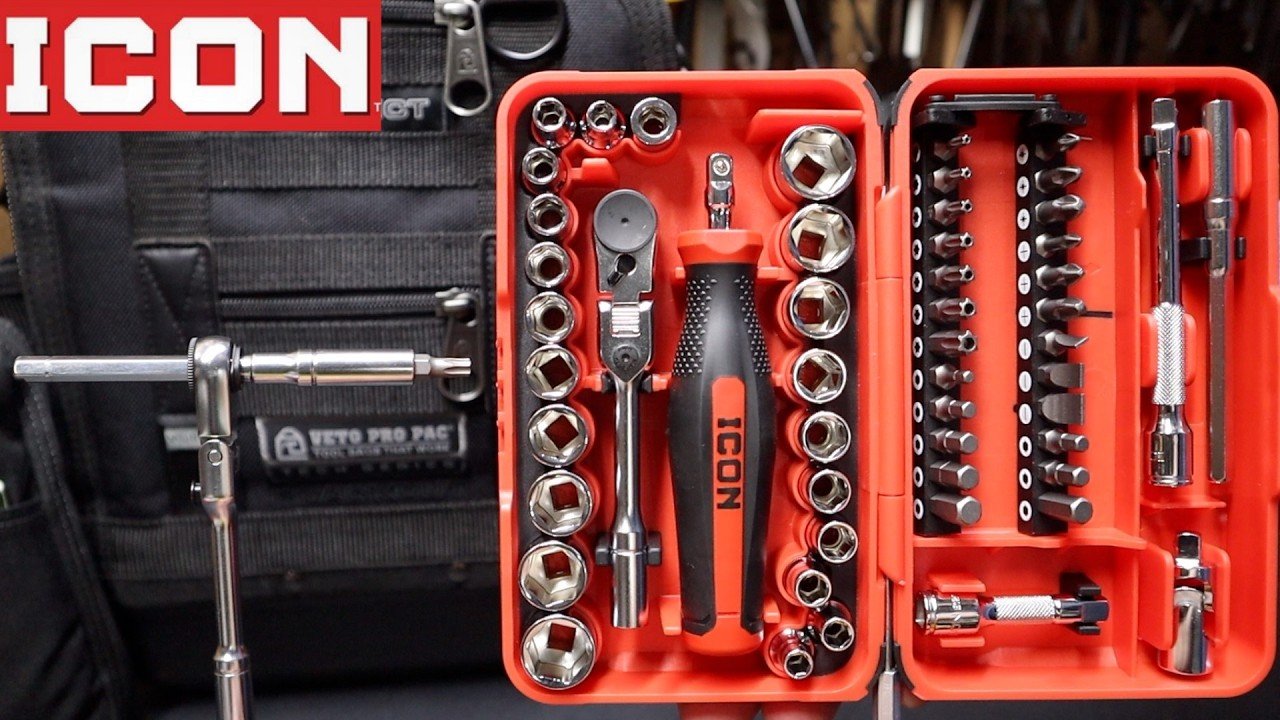
Are you ready to make your automotive repairs smoother and faster? Using a socket wrench correctly can save you time, effort, and frustration when working on your vehicle.
But if you’re not sure how to handle this essential tool, you might end up stuck or even damage your car parts. You’ll discover simple yet powerful tips to master your socket wrench. Keep reading, and you’ll unlock the secrets to working smarter, not harder, on your automotive projects.
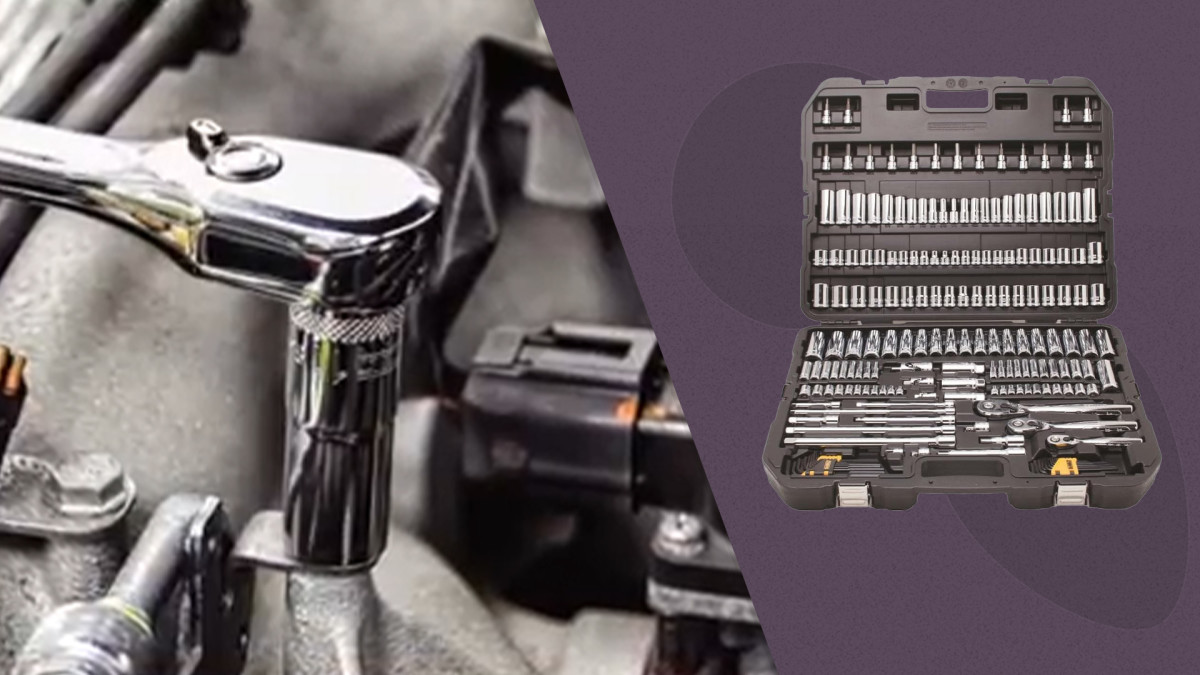
Credit: www.mensjournal.com
Choosing The Right Socket Wrench
Using the right socket wrench makes automotive work easier and safer. It helps you tighten or loosen bolts quickly and correctly.
Picking the right wrench depends on the job and the parts you work on. Knowing the types, sizes, and materials is important.
Types Of Socket Wrenches
There are different socket wrench types for different tasks. The most common are ratchet, breaker bar, and torque wrenches.
- Ratchet Wrenches:Work fast with a ratcheting mechanism.
- Breaker Bars:Provide extra leverage for tight bolts.
- Torque Wrenches:Measure and apply exact torque.
Choose the wrench type that fits the bolt size and the force needed.
Selecting The Correct Size
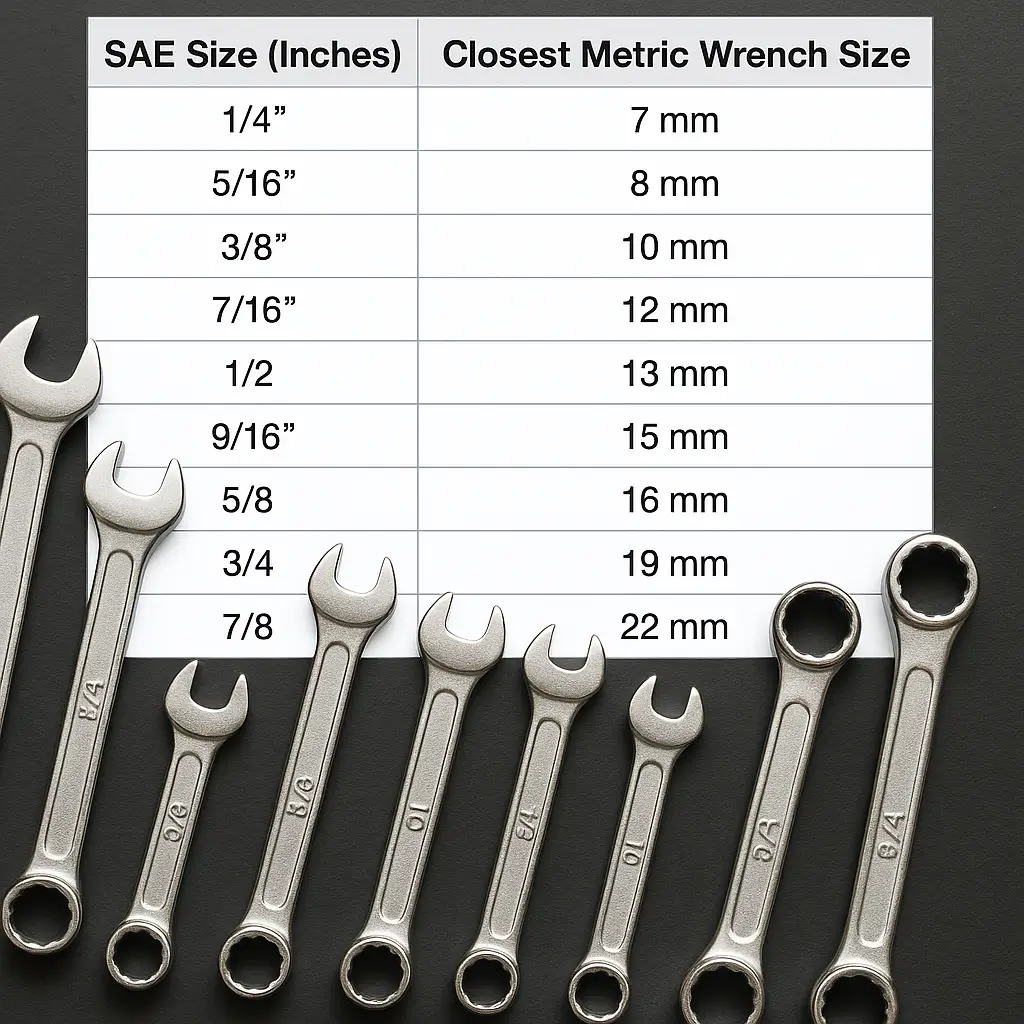
Using the correct socket size helps avoid damage to bolts and tools. Sockets come in standard (SAE) and metric sizes.
Measure the bolt head or nut to find the right socket size. A snug fit prevents slipping and rounding off.
- Match metric sizes with millimeter measurements.
- Match SAE sizes with inches or fractions.
- Try sockets carefully to ensure a tight fit.
Material And Durability
Socket wrenches must be strong and last long. Most are made from steel alloys that resist wear and tear.
Look for chrome vanadium or chrome molybdenum steel for durability. These materials resist rust and breakage.
- Chrome vanadium steel: strong and rust-resistant.
- Chrome molybdenum steel: tougher for heavy-duty use.
- Good finish helps prevent corrosion.
Essential Socket Wrench Accessories
Using the right accessories makes socket wrench work easier. These tools help reach tight spaces and apply correct force. Knowing which accessories to use saves time and effort.
Below are key accessories to keep in your automotive toolbox. Each one has a special use for different tasks.
Extensions And Adapters
Extensions add length to your socket wrench. They help reach bolts in deep or narrow areas. Adapters change the drive size of your wrench or socket. This lets you use sockets that do not fit your wrench directly.
- Extensions come in various lengths like 3, 6, or 12 inches.
- Adapters allow connection between different drive sizes, such as 1/4″ to 3/8″.
- Use a universal extension for flexible angles.
- Always pick an extension made from strong steel to avoid bending.
Universal Joints
Universal joints give your socket wrench a pivot point. This lets you turn bolts at angles. They are great for hard-to-reach spots where straight extensions do not work.
| Feature | Benefit |
|---|---|
| Flexible pivot | Access bolts in tight, angled spaces |
| Compact design | Fits easily in small toolboxes |
| Durable steel | Handles strong torque without breaking |
Torque Wrenches
Torque wrenches help apply the right tightness to bolts. Over-tightening can damage parts. Under-tightening can cause parts to come loose. Using a torque wrench avoids these problems.
- Set the torque wrench to the needed value on the scale.
- Use the wrench to tighten bolts until it clicks or signals the set torque.
- Check the owner’s manual for proper torque settings.
- Keep the wrench calibrated for best results.
Proper Techniques For Socket Wrench Use
Using a socket wrench correctly makes automotive work easier and safer. It helps you avoid damage to parts and tools.
Learn the right ways to hold the wrench, apply force, and prevent common mistakes. This guide shows you how.
Correct Hand Positioning
Hold the socket wrench firmly but comfortably. Place your hand near the wrench head for better control during tight turns.
Use your other hand to support the handle if needed. Keep your wrist straight to reduce strain and improve accuracy.
Applying The Right Amount Of Force
Apply steady and even pressure when turning the wrench. Avoid sudden jerks or too much force, which can damage bolts.
- Start with gentle pressure to loosen or tighten.
- Increase force slowly if the bolt is tight.
- Stop if the bolt does not move to prevent stripping.
Avoiding Common Mistakes
| Mistake | Why to Avoid | Tip |
|---|---|---|
| Using wrong socket size | Can strip bolt heads | Always check socket fits snugly |
| Applying force at wrong angle | May damage wrench or bolt | Keep wrench aligned with bolt |
| Over-tightening bolts | Can break bolts or threads | Use recommended torque if possible |

Credit: www.reddit.com
Safety Tips While Working
Using a socket wrench for car repairs can be safe if you follow simple rules. Safety helps you avoid injuries and damage.
Always prepare your work area and tools before starting. This keeps the job smooth and safe.
Wearing Protective Gear
Wear gloves to protect your hands from sharp parts and hot surfaces. Safety glasses keep dirt and debris out of your eyes.
Closed-toe shoes protect your feet from falling tools or parts. Long sleeves can stop scratches and burns.
- Use gloves that fit well and allow grip
- Wear safety glasses with side shields
- Choose sturdy, closed-toe shoes
- Wear clothes that cover your arms and legs
Securing The Vehicle
Make sure the vehicle does not move while you work. Use the parking brake and wheel chocks to keep it still.
Lift the car only with a proper jack. Support it with jack stands before going under the vehicle.
- Apply parking brake firmly
- Place wheel chocks on wheels that stay on the ground
- Use a jack rated for your vehicle’s weight
- Set jack stands on a flat surface before working underneath
Handling Slips And Strips
Hold the socket wrench firmly to avoid slips. Use the correct size socket for each bolt or nut.
Work slowly and apply steady pressure. If the wrench slips, stop and reposition it before trying again.
- Check the socket fits snugly on the fastener
- Keep your hands dry and clean
- Do not use excessive force
- Replace worn sockets and handles
Maintaining Your Socket Wrench
Keeping your socket wrench in good shape helps it last longer. Proper care avoids rust and damage. This guide covers how to clean, store, and inspect your tool.
Regular maintenance ensures your socket wrench works smoothly. It also keeps your automotive work safe and efficient.
Cleaning And Lubrication
Clean your socket wrench after every use. Dirt and grease can build up and cause problems.
- Wipe off dirt with a clean cloth.
- Use mild soap and water for stubborn grime.
- Dry completely to prevent rust.
- Apply light machine oil to moving parts.
- Work the oil into joints by moving the wrench.
Storage Tips
| Storage Method | Benefit |
| Use a dry toolbox | Keeps wrench free from moisture |
| Store in a foam insert | Prevents scratches and damage |
| Avoid leaving wrench outside | Prevents rust and dirt buildup |
| Keep parts organized | Makes tools easy to find |
Regular Inspections
Check your socket wrench often. Look for signs of wear or damage. Fix small issues before they get worse.
- Check the ratchet mechanism for smooth movement.
- Look for cracks or chips on the sockets.
- Test that the wrench locks securely.
- Replace worn parts if needed.
- Keep an eye on rust spots and clean them quickly.
Advanced Tricks For Efficiency
Using a socket wrench correctly can save time and effort in automotive work. These tips help you work smarter and faster.
Focus on using the right tools and techniques to make your repairs smoother and more efficient.
Using Impact Sockets
Impact sockets are stronger and safer for heavy-duty use. They resist cracking and wear better than regular sockets.
- Choose impact-rated sockets for power tools.
- Match socket size exactly to the bolt or nut.
- Use impact sockets only with impact wrenches or drivers.
- Inspect sockets regularly for damage before use.
Speeding Up Tightening And Loosening
Speed up your work by preparing and using your socket wrench efficiently. Keep tools ready and use proper techniques.
| Tip | Benefit |
| Use a ratchet with a quick-release button | Easier socket changes |
| Apply penetrating oil on stuck bolts | Loosens rusted parts faster |
| Use the right socket size | Prevents slipping and damage |
| Turn the wrench quickly with controlled force | Saves time without stripping bolts |
Working In Tight Spaces
Tight areas need special care and tools. Use smaller sockets and extensions to reach bolts easily.
- Choose low-profile or slim sockets for narrow spaces.
- Use socket wrench extensions for extra reach.
- Try a flex-head ratchet to change angles.
- Keep your workspace organized to avoid losing parts.
Credit: lancelhoff.com
Frequently Asked Questions
What Size Socket Wrench Is Best For Automotive Work?
A 3/8-inch drive socket wrench is ideal for most automotive tasks. It balances torque and accessibility well. Larger 1/2-inch drives work for heavy-duty jobs. Smaller 1/4-inch drives suit delicate or tight spaces. Choose based on the bolt size and workspace constraints.
How Do I Prevent Stripping Bolts With A Socket Wrench?
Use the correct socket size to avoid stripping bolts. Apply steady, even pressure without sudden force. Keep the wrench aligned with the bolt head. Avoid worn or damaged sockets. Lubricate bolts if they’re stuck to ease removal.
Can I Use A Socket Wrench On Rusted Car Parts?
Yes, but apply penetrating oil first to loosen rust. Let the oil soak for 10-15 minutes. Use a breaker bar for extra leverage if needed. Be cautious to avoid breaking bolts or damaging threads. Patience and proper tools prevent damage.
How To Maintain A Socket Wrench For Longevity?
Keep your socket wrench clean and dry after use. Lubricate moving parts regularly with light machine oil. Store in a dry place to avoid rust. Inspect sockets for wear and replace damaged ones. Proper care extends tool life and performance.
Conclusion
Using a socket wrench effectively boosts your automotive skills. Practice makes perfect, so keep trying. Remember to choose the right size for each task. This prevents damage and ensures safety. Always check the wrench’s condition before use. A well-maintained tool works better and lasts longer.
Stay organized with your sockets for quicker work. It saves time and effort. With patience, your confidence grows. Soon, automotive tasks become easier. Enjoy the process and keep learning. Happy wrenching!