
Are you tired of struggling with your gardening tasks? Imagine transforming your garden with ease and efficiency.
The secret weapon? A simple spade. But wait, there’s more to using a spade than just digging a hole. You might be missing out on techniques that can save you time and effort. Curious to know how to make the most of this versatile tool?
You’ll discover practical tips that will change the way you dig and make your gardening experience smoother and more enjoyable. Get ready to dig in and unearth the secrets to mastering your spade!
Credit: www.pressreader.com
Choosing The Right Spade
Choosing the right spade makes digging easier and safer. The right spade helps you work faster and use less effort.
Different spades fit different jobs and soil types. Knowing which spade to pick saves time and energy.
Types Of Spades
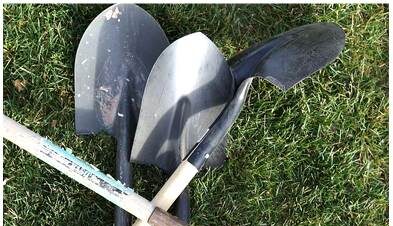
There are several types of spades for digging. Each type has a shape made for specific tasks.
- Digging spades: flat blades for cutting soil and roots
- Border spades: narrow blades for shaping edges
- Trenching spades: thin blades for digging trenches
- Drain spades: pointed blades for digging in hard soil
Blade Material And Size
Spade blades come in different materials. Steel blades are strong and last long. Some blades have a rust-resistant coating.
Blade size affects how much soil you move. Large blades move more soil but need more effort. Small blades work well in tight spaces.
- Steel blades: durable and strong
- Stainless steel: rust-resistant but can be more expensive
- Large blades: good for big digging jobs
- Small blades: better for precision work
Handle Styles
Handle style affects comfort and control. Spades have straight or D-shaped handles. D-handles give better grip for heavy digging.
Wood handles feel natural and absorb shock. Fiberglass handles are strong and resist weather damage.
- Straight handles: good for light digging and precision
- D-shaped handles: better grip for heavy work
- Wood handles: comfortable and absorb shock
- Fiberglass handles: durable and weather-resistant
Credit: soilstarter.com
Preparing For Digging
Using a spade for digging needs some preparation. This helps you work safely and efficiently.
Getting ready before you start can save time and avoid problems later.
Assessing Soil Conditions
Check the soil before you dig. Know if it is hard, soft, wet, or dry.
Hard or rocky soil is tough to dig and needs more effort. Soft soil is easier but can be unstable.
- Look for rocks or roots that block digging
- Check if the soil is wet or dry
- Notice if the soil is loose or compacted
Clearing The Work Area
Remove all obstacles where you will dig. Clear grass, stones, or trash from the spot.
A tidy area makes digging easier and safer. It stops you from tripping or damaging your spade.
- Cut back tall grass or weeds
- Pick up sticks, stones, or trash
- Mark the digging area to stay within limits
Safety Gear Essentials
Wear proper safety gear to protect yourself while digging. This lowers injury risks.
Good gear keeps your hands, feet, and eyes safe from harm or dirt.
- Wear sturdy gloves to protect your hands
- Use boots with solid soles to protect your feet
- Wear safety glasses if soil or debris may fly
- Dress in long pants to avoid scratches
Proper Digging Techniques
Using a spade correctly makes digging easier and safer. Good technique helps you work longer without pain.
This guide covers the right posture, foot placement, and how to use your body weight while digging.
Correct Posture And Grip
Stand straight with your feet shoulder-width apart. Hold the spade handle firmly with both hands. Keep your back straight to avoid strain.
- Grip the handle near the top with one hand
- Place the other hand lower for control
- Keep your wrists straight, not bent
- Align your shoulders over the spade
Effective Foot Placement
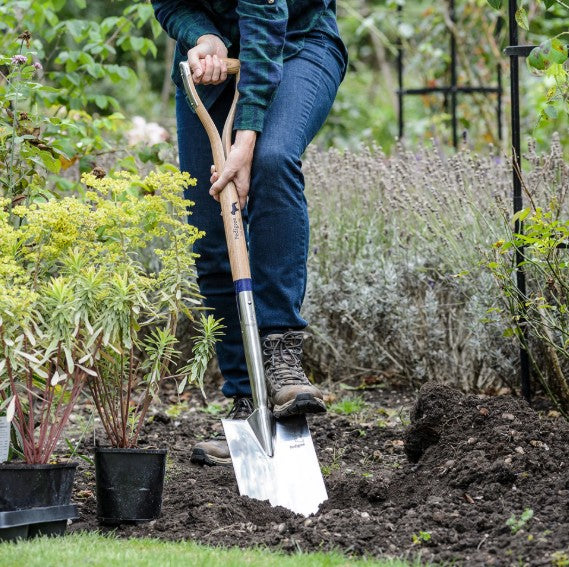
Put one foot on the spade blade to push it into the soil. Your feet should be stable and balanced. Avoid standing too close or too far from the spade.
| Foot Position | Purpose |
| Front foot on blade | Apply downward pressure |
| Back foot behind | Maintain balance |
| Feet shoulder-width apart | Provide stability |
Using Body Weight
Lean your body weight into the spade to dig deeper with less effort. Use your legs and hips to push down, not just your arms.
- Keep arms straight and use your legs to apply force
- Shift your weight forward slowly and steadily
- Avoid bending your back while pushing down
- Lift the soil by rocking the spade backward using your body
Credit: earthcycle.co.uk
Maximizing Efficiency
Using a spade for digging can be hard work. With the right tips, you can work faster and with less effort.
Focus on techniques that help you break soil, clear obstacles, and keep your digging steady. These will save your energy and time.
Breaking Hard Soil
Hard soil slows digging and tires you quickly. Use your spade to loosen it before digging deep.
- Press the spade blade firmly into the soil.
- Rock the spade back and forth to crack the ground.
- Lift loosened soil in small chunks.
- Repeat to soften the area before full digging.
Removing Roots And Rocks
Roots and rocks block your path. Clear them carefully to keep digging smooth and safe.
| Obstacle | Tip |
| Small roots | Cut with a sharp tool before digging |
| Large roots | Dig around and loosen soil, then pull out |
| Small rocks | Remove by hand or lift with spade |
| Large rocks | Leverage spade edge or use a pry bar |
Maintaining Momentum
Keep a steady pace to avoid tiring quickly. Use these tips to stay efficient while digging.
Tips for steady digging:
- Keep your back straight and bend your knees.
- Use your legs to push down, not just your arms.
- Take short breaks to rest muscles.
- Work in small sections to avoid overload.
Care And Maintenance
Using a spade for digging is easier when it is well cared for. Proper care helps the spade last longer and work better.
Regular maintenance keeps the blade sharp and the handle strong. This guide shows simple ways to care for your spade.
Cleaning The Spade
After digging, dirt and mud can stick to the spade. Clean it to prevent rust and damage.
Use water and a stiff brush to remove soil. Dry the spade well to stop moisture from causing rust.
- Remove soil immediately after use
- Use a brush or cloth for cleaning
- Dry the spade thoroughly
- Apply a light coat of oil to metal parts
Sharpening The Blade
A sharp blade cuts through soil easily. Sharpen your spade regularly to keep it effective.
Use a file or sharpening stone to sharpen the edge. Keep a steady angle and work slowly for best results.
- Secure the spade before sharpening
- File the blade in one direction
- Maintain the original blade angle
- Check sharpness often while working
Storage Tips
Store your spade in a dry place to avoid rust and handle damage. Proper storage keeps it ready for use.
Hang the spade or place it off the ground. Avoid leaving it outside in rain or snow.
- Keep the spade indoors or in a shed
- Hang it on a wall or pegboard
- Store blade down or off the ground
- Check the handle for cracks before use
Frequently Asked Questions
What Is The Best Technique For Digging With A Spade?
Use your foot to push the spade into the soil. Keep your back straight and use your legs to lift. This technique reduces strain and improves efficiency. Always dig in small sections for better control and precision.
How Do I Maintain My Spade For Durability?
Clean your spade after each use to remove dirt. Sharpen the blade regularly to ensure effective digging. Store it in a dry place to prevent rust. Proper maintenance extends the tool’s life and improves performance.
Can A Spade Be Used For Different Soil Types?
Yes, a spade works well in soft and moderately hard soils. For very hard or rocky soil, use a pickaxe first. Adjust your digging technique based on soil condition to avoid damage to the spade.
What Safety Tips Should I Follow When Using A Spade?
Wear sturdy gloves to protect your hands. Use proper posture to avoid back injuries. Keep your feet clear of the digging area. Take breaks to prevent fatigue and maintain focus.
Conclusion
Using a spade correctly makes digging easier and safer. Choose the right spade for your task. Keep your back straight and use your legs to push down. Take breaks to avoid getting too tired. Clean the spade after use to keep it sharp.
These simple tips help you dig better every time. Practice often to build your strength and skill. Digging can be hard work, but the right methods help a lot. Enjoy your gardening or digging projects more with these easy ideas.
