Are you ready to transform your garden or backyard with perfectly dug holes? Whether you’re planting trees, setting up fence posts, or creating a new flower bed, knowing how to use a spade effectively can make all the difference.
Imagine the satisfaction of digging with ease, saving time, and avoiding unnecessary effort. In this guide, you’ll discover simple yet powerful tips that will turn your spade into your trusty ally. By the end of this article, you’ll not only master the art of digging but also boost your confidence for your next outdoor project.
Get ready to dig deeper and achieve the results you’ve always wanted!
Choosing The Right Spade
Choosing the right spade makes digging holes easier and faster. The right tool helps you work safely and with less effort.
Spades come in different shapes, materials, and handle styles. Knowing these details helps you pick the best one for your task.
Types Of Spades
There are several types of spades used for digging. Each type fits different soil and digging needs.
- Round Point Spade: Good for breaking hard ground and digging deep holes.
- Square Point Spade: Best for cutting straight edges and moving loose soil.
- Trenching Spade: Used for digging narrow trenches for pipes or cables.
- Drain Spade: Has a narrow blade for digging precise holes and trenches.
Material And Durability
Spades are made from different materials. The choice affects how long the spade lasts and how well it works.
| Material | Durability | Weight | Cost |
|---|---|---|---|
| Steel | High | Heavy | Moderate |
| Stainless Steel | Very High | Heavy | High |
| Aluminum | Moderate | Light | Moderate |
| Fiberglass Handle | High | Light | Moderate |
| Wood Handle | Moderate | Moderate | Low |
Handle Design
A good handle design helps you work longer without pain. It also improves control and safety.
- D-Handle: Offers a strong grip and good control. Ideal for heavy digging.
- T-Handle: Provides more wrist movement. Good for precision work.
- Straight Handle: Common on traditional spades. Works well for general digging.
- Ergonomic Handles: Designed to reduce strain on hands and wrists.

Credit: www.noozhawk.com
Preparing The Digging Area
Before digging with a spade, get the area ready. This helps you dig safely and easily.
Preparing the site saves time and stops damage to plants or tools.
Clearing Debris
Remove sticks, rocks, and trash from the digging spot. This stops the spade from getting stuck.
Clear debris also helps you see the soil better and dig straight holes.
- Pick up large stones and branches
- Rake away leaves and loose dirt
- Check for hidden objects under the soil
Marking The Spot
Mark the exact place for your hole. This keeps your digging accurate and neat.
Use a stick, spray paint, or string to show where to dig.
- Place a stick or flag at the center
- Draw a circle with spray paint or chalk
- Use string to mark straight lines
Checking Soil Conditions
Look at the soil to see if it is easy to dig. Hard or wet soil needs special care.
Good soil makes digging faster and safer for your spade and back.
- Check if soil is dry or wet
- Look for hard or compacted soil
- Break clumps with your hands or tools
Proper Digging Techniques
Digging holes with a spade needs care to avoid injury and work efficiently. Using the right techniques helps you dig faster and with less effort.
Learn how to hold the spade, use your body weight, and follow steps to dig holes the right way.
Correct Posture And Grip
Stand with your feet shoulder-width apart for balance. Hold the spade with both hands—one near the top and one in the middle of the handle. Keep your back straight to avoid strain.
- Keep your knees slightly bent
- Grip the spade firmly but not too tight
- Position your hands so the spade feels balanced
Using Body Weight
Use your body weight to push the spade into the ground. This reduces arm fatigue and makes digging easier. Lean your weight forward while keeping your back straight.
Tip:Step on the spade blade with your foot to drive it into hard soil. Use your legs to apply pressure, not just your arms.
Step-by-step Digging Process
- Place the spade blade on the soil where you want the hole.
- Press the blade down with your foot using your body weight.
- Lift the soil with the spade and set it aside.
- Repeat until the hole reaches the needed depth and width.
- Clear loose soil from the edges for a clean hole.
Dealing With Tough Soil
Digging holes with a spade can be hard when the soil is tough. This guide helps you handle difficult ground safely and effectively.
Use the right techniques to loosen soil, manage roots and rocks, and decide if you need extra tools.
Loosening Hard Ground
Start by breaking the soil surface with the spade’s tip. Push it down and rock it back and forth to crack the ground.
- Water the soil a few hours before digging to soften it.
- Use your foot to press the spade blade deeper into the ground.
- Lift and turn small chunks of soil to loosen the area.
- Work in small sections to avoid tiring yourself.
Handling Roots And Rocks
Roots and rocks slow digging. Cut roots with a pruning saw or loppers. Remove rocks by levering them out with the spade handle.
| Obstacle | Best Action |
| Small roots | Cut with pruning shears |
| Thick roots | Use pruning saw |
| Loose rocks | Remove by hand or spade |
| Large rocks | Dig around or break with hammer |
When To Use Additional Tools
Sometimes a spade is not enough. Use extra tools to make digging easier.
- Pickaxe: Break very hard or compacted soil.
- Mattock: Remove tough roots and rocks.
- Garden fork: Loosen soil before digging.
- Shovel: Move loose soil faster.
Maintaining Your Spade
Keeping your spade in good shape helps it last longer. Proper care makes digging easier and safer.
Follow simple steps after each use to maintain your spade. Clean, sharpen, and store it well.
Cleaning After Use
Remove dirt and mud from the blade and handle. Use water and a stiff brush for best results.
- Rinse the spade with water to remove loose soil.
- Scrub the blade with a wire brush or stiff bristle brush.
- Dry the spade completely to prevent rust.
- Wipe the wooden handle with an oily cloth to protect the wood.
Sharpening The Blade
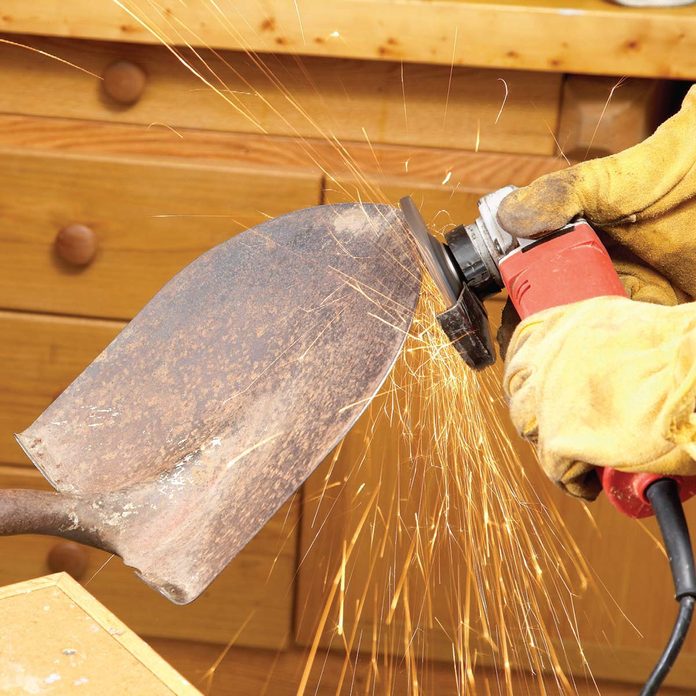
Sharpening keeps the blade effective for digging. Use a file or sharpening stone for this task.
| Tool | Use |
| Metal file | File the blade edge in one direction |
| Sharpening stone | Rub the blade on the stone with water |
| Sandpaper | Smooth out any rough spots |
Storage Tips
Store your spade in a dry place. Proper storage protects the tool from damage.
- Hang the spade on a wall hook to keep the blade off the ground.
- Keep the spade indoors or in a covered shed.
- Avoid leaning the spade against wet surfaces.
- Check the handle regularly for cracks or splinters.

Credit: www.citywidefencesdecks.ca
Safety Tips While Digging
Digging holes with a spade can be hard work. It is important to stay safe to avoid injuries.
Following safety tips helps protect you while digging in your garden or yard.
Wearing Protective Gear
Always wear the right gear before digging. This keeps you safe from cuts and dirt.
- Wear sturdy gloves to protect your hands.
- Use strong boots to avoid foot injuries.
- Put on eye protection to guard against flying debris.
- Consider wearing long sleeves and pants for extra skin protection.
Avoiding Strain And Injury
Digging can strain your back and muscles. Use good habits to prevent pain.
- Warm up your muscles before starting to dig.
- Use your legs to lift soil, not your back.
- Take breaks often to rest and stretch.
- Keep your tools close to avoid overreaching.
Recognizing Underground Hazards
Before digging, check for hidden dangers underground. This prevents accidents.
| Hazard | What to Do |
|---|---|
| Buried cables or wires | Call your utility company to mark lines before digging. |
| Hidden rocks or roots | Dig slowly and carefully to avoid tool damage and injury. |
| Gas or water pipes | Locate and mark pipes to avoid punctures and leaks. |
Credit: www.familyhandyman.com
Frequently Asked Questions
How Do I Choose The Right Spade For Digging Holes?
Select a spade with a comfortable handle and sharp blade. Consider soil type and hole size. Lightweight models reduce fatigue and improve control during digging.
What Is The Proper Technique For Digging With A Spade?
Stand with feet shoulder-width apart. Use your foot to push the blade into the soil. Lift soil by levering the spade backward. Repeat steadily for efficient digging.
How Deep Should Holes Be Dug Using A Spade?
Dig holes to at least twice the root ball size of plants. This ensures enough space for roots to grow and promotes healthy plant establishment.
Can I Use A Spade In Rocky Or Hard Soil?
Yes, but be cautious. Use steady pressure and avoid forcing the spade. Consider loosening soil first with a pick or fork for easier digging.
Conclusion
Using a spade for digging holes can be simple and effective. Choose the right spade for your task. Keep your grip firm and use your legs to push down. Take small breaks to avoid getting tired. Clear the soil regularly to see progress.
Practice makes digging easier and faster. With patience, you will dig clean and neat holes every time. Enjoy your gardening or project with confidence and care. Digging with a spade is a skill anyone can learn.