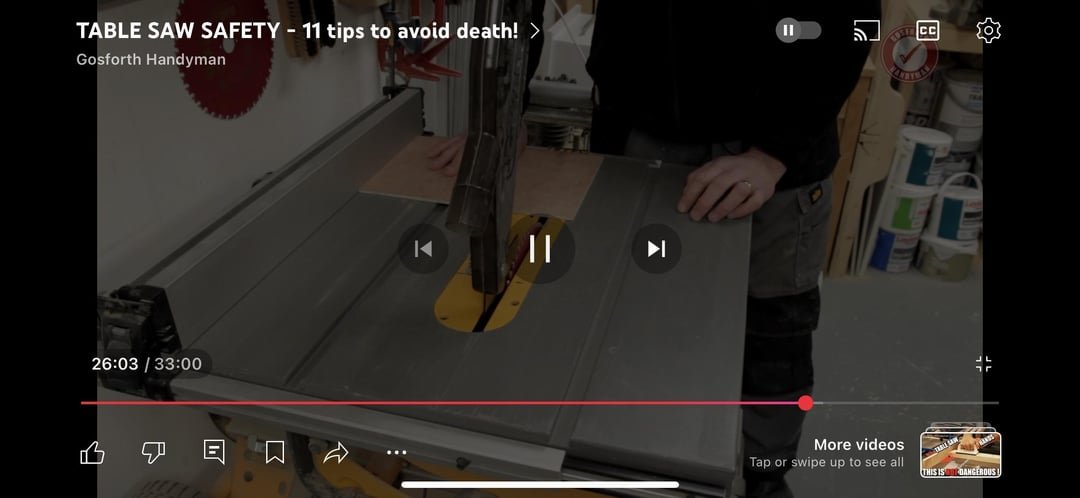
Are you ready to tackle your next woodworking project but feeling a bit uneasy about using a table saw? You’re not alone.
Many DIY enthusiasts share your concerns about safety when handling this powerful tool. With its sharp blade and robust motor, a table saw can be intimidating, especially if you’re new to woodworking. But don’t worry! With the right tips and precautions, you can operate it confidently and safely.
This article is packed with practical advice that will help you use your table saw effectively while keeping your fingers and projects intact. Stick around to discover how to transform your woodworking experience from daunting to delightful.

Credit: www.youtube.com
Choosing The Right Table Saw
Using a table saw safely starts with picking the right one. The right saw fits your needs and skill level.
Knowing the types and features helps you work safely and efficiently.
Types Of Table Saws
There are different types of table saws. Each type fits different projects and spaces.
- Cabinet Saws: Large and powerful, best for big workshops.
- Contractor Saws: Portable with good power, ideal for job sites.
- Hybrid Saws: Mix of cabinet and contractor saws, good for hobbyists.
- Portable/Jobsite Saws: Small and light, easy to move around.
Features To Look For
Choose features that improve safety and ease of use. These help prevent accidents.
- Blade Guard: Protects from touching the blade.
- Riving Knife: Keeps wood from pinching the blade.
- Anti-Kickback Pawls: Stop wood from kicking back at you.
- Adjustable Fence: Helps keep cuts straight and safe.
- Dust Collection Port: Keeps the work area clean and clear.
Setting Up Your Saw
Proper setup is key for safe use. Place your saw on a flat, stable surface.
Make sure the blade is sharp and correctly aligned. Check all safety parts work well.
- Clear the area of clutter and debris.
- Adjust the blade height to just above the wood thickness.
- Test the fence and miter gauge for accuracy.
- Wear safety gear before starting any cut.
Preparing For Safe Operation
Using a table saw requires careful preparation. Safety starts before you turn it on.
Check your equipment and work area to prevent accidents. Follow these simple steps.
Inspecting The Blade
Look closely at the blade before each use. Make sure it is sharp and clean.
- Check for cracks or missing teeth
- Ensure the blade is properly tightened
- Remove any pitch or resin buildup
- Confirm blade alignment with the saw table
Wearing Proper Safety Gear
Protect yourself by wearing the right gear. This reduces injury risks.
| Safety Gear | Purpose |
| Safety Glasses | Protect eyes from flying debris |
| Hearing Protection | Reduce noise damage |
| Dust Mask | Prevent inhaling sawdust |
| Non-slip Gloves | Improve grip and protect hands |
Clearing The Work Area
Keep your workspace clean and free from obstacles. A clear area helps you work safely.
- Remove scraps and clutter from the table
- Keep cords and tools away from the blade path
- Ensure good lighting to see clearly
- Check that the floor is dry and free of slip hazards
Safe Cutting Techniques
Using a table saw safely protects you from injuries. Knowing the right cutting methods helps you work better. Always follow safety rules and stay focused while cutting wood.
These tips cover key techniques to keep your cuts accurate and safe. Learn how to use the fence and miter gauge, maintain a steady feed rate, and avoid kickback.
Using The Fence And Miter Gauge
The fence and miter gauge guide the wood during cutting. Use the fence for straight cuts and the miter gauge for angled cuts. Always check that they are locked in place before starting.
- Align the wood firmly against the fence or miter gauge.
- Keep your hands away from the blade path.
- Use push sticks to move small pieces safely.
- Do not remove the fence or miter gauge while the saw runs.
Maintaining A Steady Feed Rate
Feed the wood at a steady pace to avoid binding or rough cuts. Do not force the wood into the blade. Let the saw do the cutting at its own speed.
| Too Fast | May cause blade to bind or kickback |
| Too Slow | Burns wood and dulls the blade |
| Steady Rate | Ensures clean cuts and safety |
Avoiding Kickback
Kickback happens when the wood is thrown back toward you. It can cause serious injury. Follow these rules to reduce kickback risks.
- Keep the blade sharp and clean.
- Use a riving knife or splitter behind the blade.
- Do not cut warped or twisted wood.
- Never stand directly behind the blade path.
- Hold the wood firmly against the fence or miter gauge.
Maintaining Your Table Saw
Keeping your table saw in good shape helps it work better and lasts longer. Regular care also keeps you safe while using it.
Follow simple steps to clean, sharpen, and check your saw. This makes cutting easier and more accurate.
Regular Cleaning And Lubrication
Clean your table saw after every use. Remove sawdust and debris from the surface and moving parts.
Use a brush or vacuum to clear dust. Wipe the table with a soft cloth to prevent rust.
- Clean the blade and motor vents
- Lubricate the moving parts with light oil
- Keep the fence and miter gauge free of dust
Blade Sharpening And Replacement
A sharp blade cuts cleaner and reduces kickback. Check the blade often for dullness or damage.
Sharpen the blade if it is dull. Replace the blade if it is chipped or bent.
- Use a blade sharpener or take it to a professional
- Replace the blade with the correct size and type
- Always unplug the saw before changing blades
Checking Alignment And Calibration
Proper alignment ensures accurate cuts and safer operation. Check the blade, fence, and miter gauge alignment regularly.
Use a square and measuring tools to verify alignment. Adjust parts as needed to keep everything straight and true.
- Check that the blade is parallel to the miter slots
- Ensure the fence is parallel to the blade
- Calibrate the angle of the blade for bevel cuts
Handling Common Issues
Using a table saw can be safe if you know how to fix common problems. These issues can affect your work and safety.
Learn how to handle blade drift, burn marks, and dust buildup to keep your table saw running well.
Troubleshooting Blade Drift
Blade drift happens when the saw blade moves away from your cut line. This can ruin your wood piece and cause accidents.
- Check if the fence is parallel to the blade.
- Make sure the blade is sharp and clean.
- Inspect the blade for damage or warping.
- Adjust the miter gauge to keep the wood straight.
- Feed the wood steadily without forcing it.
Dealing With Burn Marks
Burn marks on wood happen when the blade is dull or the feed speed is too slow. This damages your work and tool.
| Cause | Solution |
| Dull blade | Replace or sharpen the blade |
| Slow feed speed | Push wood faster but safely |
| Blade height too low | Raise blade to just above wood |
| Dirty blade | Clean blade regularly |
Managing Dust And Debris
Dust and debris can block your view and clog the saw. It can cause poor cuts and safety hazards.
Follow these tips to keep your workspace clean:
- Use a dust collection system or vacuum.
- Clean the table and blade after each use.
- Wear a mask to avoid breathing dust.
- Check and clear dust from vents and motor.
- Keep the floor clean to avoid slipping.
Credit: www.youtube.com
Advanced Safety Practices
Using a table saw can be dangerous without the right safety habits. Advanced safety tools and techniques help protect you during work.
These practices reduce risks and keep your hands away from the blade. Learn how to use push sticks, riving knives, and emergency stops safely.
Using Push Sticks And Featherboards
Push sticks help you guide wood safely without putting your hands near the blade. Featherboards hold the wood tight against the fence or table.
These tools keep the wood steady and prevent kickback. They also give you better control during cutting.
- Always use a push stick when cutting narrow pieces
- Attach featherboards to keep wood pressed firmly
- Check that push sticks and featherboards are in good condition
- Use featherboards on both the fence and table sides if possible
Employing Riving Knives And Splitters
Riving knives and splitters keep the cut pieces from closing and pinching the blade. This lowers the chance of kickback.
Use the correct riving knife or splitter for your table saw model. Always align it with the blade.
- Install the riving knife right behind the blade
- Keep the riving knife sharp and free of damage
- Use a splitter if your saw does not have a riving knife
- Never remove these safety parts unless necessary for special cuts
Implementing Emergency Stops
Emergency stops help you turn off the saw quickly if something goes wrong. They reduce injury by stopping the blade fast.
Make sure your saw has an easy-to-reach emergency stop button or switch. Test it before starting work.
- Place emergency stops where you can reach them without moving from your position
- Know how to use the emergency stop before cutting
- Keep the emergency stop clean and functional
- Teach others to use emergency stops if they use your saw

Credit: www.youtube.com
Frequently Asked Questions
How Do I Set Up A Table Saw Safely?
Always read the manual first. Check blade alignment and guards. Ensure the saw is on a stable surface. Use push sticks and wear safety gear like goggles and ear protection. Keep the area clean and well-lit to avoid accidents.
What Safety Gear Is Essential When Using A Table Saw?
Wear safety goggles to protect eyes from debris. Use ear protection against loud noise. Wear a dust mask to avoid inhaling sawdust. Gloves can protect hands but use them cautiously to prevent blade entanglement.
How Can I Avoid Kickback On A Table Saw?
Stand to the side, not directly behind the blade. Use a riving knife or splitter to keep wood from pinching the blade. Feed wood steadily and avoid twisting or binding during cuts.
When Should I Replace The Table Saw Blade?
Replace blades when they become dull, chipped, or damaged. Dull blades cause rough cuts and increase kickback risk. Check blades regularly for wear and replace promptly to ensure safe operation.
Conclusion
Using a table saw safely protects you from serious injuries. Always wear safety gear like goggles and ear protection. Keep your hands away from the blade while cutting. Check the saw blade and settings before starting your work. Stay focused and avoid distractions during use.
Regularly maintain your table saw for better performance. Safe habits prevent accidents and help you work with confidence. Remember, safety is your best tool in every project. Follow these tips to enjoy your woodworking safely and successfully.