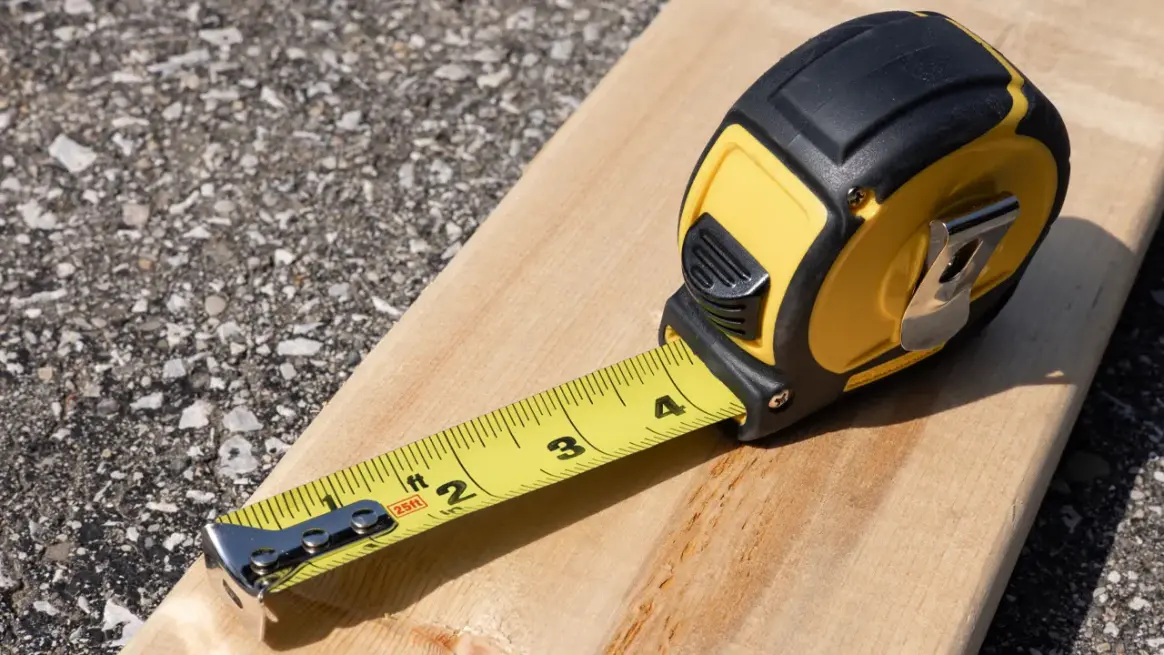
Measuring furniture might seem simple, but one small mistake can throw off your entire project. If you want your pieces to fit perfectly and avoid costly errors, mastering the tape measure is key.
You’ll discover easy and practical tips that make measuring quick and accurate every time. Whether you’re buying new furniture or rearranging your space, these tips will give you the confidence to get it right the first time. Keep reading to transform how you measure and save yourself frustration and hassle.
Credit: www.familyhandyman.com
Choosing The Right Tape Measure
Picking a good tape measure helps you get accurate furniture sizes. It makes your work easier and faster. Knowing what features to look for saves time.
Focus on length, units, and how strong the tape is. These details affect your measuring experience. Let’s explore each to find the best fit.
Length And Flexibility
Choose a tape measure long enough for your biggest furniture. Common lengths are 12, 16, or 25 feet. Flexible tapes curve around corners and edges easily.
- Use 12 feet for small items like chairs
- Pick 16 feet for medium pieces like tables
- Choose 25 feet for large furniture or rooms
- Look for flexible tape to measure curves
Measurement Units
Tape measures show numbers in inches, feet, or centimeters. Pick one with units you understand well. Some tapes have both metric and imperial units.
| Unit Type | Best For |
| Inches and feet | Furniture made in the US |
| Centimeters and meters | European or metric system furniture |
| Dual units | Work with different measurement systems |
Durability And Grip
Strong tape measures last longer and resist damage. A good grip keeps the tape steady while measuring. Look for rubber or textured handles for comfort.
Here are key features to check for durability and grip:
- Metal tape blade for strength
- Protective coating to avoid scratches
- Non-slip rubber handle or case
- Locking mechanism to hold tape in place

Credit: www.reddit.com
Preparing For Accurate Measurements
Measuring furniture correctly is important for a good fit in your space. Taking time to prepare helps avoid mistakes.
Use a tape measure with care and set up your area before you start measuring.
Clearing The Measurement Area
Clear the area around the furniture to get exact measurements. Remove any objects that might block the tape or cause errors.
- Move rugs, cushions, or other items away from the furniture edges.
- Ensure the floor is flat and free of debris that may affect tape placement.
- Keep pets and children away while measuring.
- Make sure there is enough light to see the tape clearly.
Positioning The Tape Properly
Place the tape measure straight and tight along the furniture edges. Avoid bending or twisting the tape for true length.
| Tip | Why It Matters |
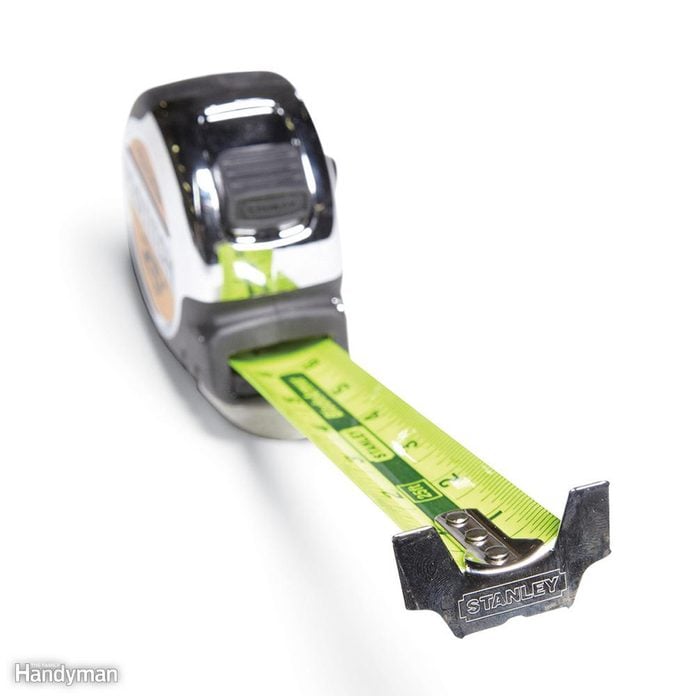
| Start measuring from the tape’s metal hook | Ensures the length is accurate from the edge |
| Hold the tape firmly at the starting point | Prevents slipping and errors |
| Keep the tape flat against the surface | Gives a straight line for precise measurement |
| Read the measurement at eye level | Reduces parallax errors |
Measuring Furniture Dimensions
Measuring furniture helps you find the right fit for any space. Using a tape measure correctly gives you exact sizes.
Focus on length, width, height, depth, curves, and angles. Each needs a slightly different method.
Measuring Length And Width
Length and width are the main flat dimensions of furniture. Measure from one end to the other.
- Place the tape measure at one edge of the furniture.
- Extend it straight to the opposite edge without bending.
- Read the measurement at the point where the tape ends.
- For large pieces, ask someone to help hold the tape.
Checking Height And Depth
Height is from the floor to the top of the furniture. Depth is the distance from front to back.
| Dimension | How to Measure |
| Height | Place tape at floor, extend to the highest point |
| Depth | Measure from front edge to back edge, keeping tape straight |
Measuring Curves And Angles
Curves and angles need careful measuring to get accurate sizes. Use flexible tape or note angles.
Tips for curves and angles:
- Use a flexible tape measure for curved edges.
- Mark key points along the curve to measure smaller sections.
- For angles, measure the length of each side.
- Use a protractor or angle finder to note angle degrees.
Avoiding Common Measurement Mistakes
Using a tape measure for furniture needs care. Small mistakes can cause big problems.
Learn simple tips to get accurate measurements every time. This helps your furniture fit well.
Preventing Tape Slack
Tape slack happens when the tape measure bends or sags. This makes your measurement longer than it should be.
Keep the tape tight and straight from start to end. Hold the tape firmly at the start point.
- Pull the tape measure tight without stretching it
- Use your hand to hold the tape steady along the surface
- Avoid letting the tape droop or curve
- Use a helper if the measurement is long
Reading Measurements Correctly
Look carefully at the tape measure’s marks. Read the number at the exact end point of your object.
Use the right side of the tape hook. This side shows exact zero for inside or outside edges.
- Check if you are reading inches or centimeters
- Note fractions of inches for better accuracy
- Make sure the tape hook is flush against the furniture edge
- Read the measurement at eye level to avoid errors
Double-checking Critical Dimensions
Important measurements should be checked twice or more. This lowers the chance of mistakes.
Measure the same part from different angles if possible. Write down your numbers to compare.
- Measure twice before cutting or buying materials
- Use a second tape measure to confirm results
- Ask someone else to check your measurements
- Keep notes of your measurements for reference
Tips For Measuring Hard-to-reach Areas
Measuring hard-to-reach areas for furniture can be tricky. You need accurate numbers to avoid mistakes.
Using the right methods helps you get good measurements even in tight or awkward spaces.
Using A Helper
Having a helper makes measuring easier. One person can hold the tape while the other reads the numbers.
- Ask your helper to hold one end of the tape firmly.
- Stretch the tape across the area you want to measure.
- Make sure the tape is straight and tight.
- Read the measurement together to avoid errors.
- Write down the numbers immediately.
Employing Additional Tools
Extra tools can help when the tape measure alone is not enough. They add reach or stability.
| Tool | Use |
| Laser Measure | Measures long distances quickly without a helper. |
| Measuring Stick | Helps extend reach in narrow spaces. |
| Magnetic Tape Measure | Attaches to metal furniture parts for hands-free measuring. |
| Level | Ensures your tape is straight for an accurate read. |

Credit: www.youtube.com
Recording And Using Measurements
Using a tape measure for furniture is simple if you record measurements carefully. Clear records help avoid mistakes when building or moving furniture.
Good measurement habits save time and ensure your furniture fits the space perfectly. Write down each measurement as soon as you take it.
Marking Measurements Clearly
Mark your measurements clearly on the wood or material. Use a pencil for easy changes and precise marks.
Make sure marks are visible but not too thick. Thin lines help keep cuts accurate and avoid confusion.
- Use a sharp pencil for fine lines
- Mark both ends of the measurement
- Label marks with numbers if needed
- Double-check marks before cutting
Transferring Measurements To Plans
After measuring, transfer the numbers to your furniture plan or sketch. Write measurements next to each part for clarity.
Use clear labels and keep your plans neat. This helps you or others understand the size and shape easily.
- Draw each furniture piece to scale if possible
- Note length, width, and height on the plan
- Use consistent units like inches or centimeters
- Review plans before starting work
Frequently Asked Questions
How Do I Measure Furniture Accurately With A Tape Measure?
Start by positioning the tape measure at one edge of the furniture. Extend it straight to the opposite edge. Ensure the tape is flat and taut. Record the measurement where the tape meets the edge. Repeat for height and depth for complete dimensions.
What Tape Measure Length Is Best For Furniture?
A tape measure of 12 to 25 feet is ideal for furniture. It covers most standard furniture sizes. Longer tapes may be cumbersome, while shorter ones limit flexibility. Choose a tape with clear, easy-to-read markings for accuracy.
How To Avoid Errors When Measuring Furniture Dimensions?
Keep the tape measure straight and avoid bending it. Measure twice to confirm accuracy. Use a rigid tape measure to reduce sagging. Always start from the zero mark on the tape for precise readings.
Can I Use A Tape Measure For Irregular Furniture Shapes?
Yes, use the tape to measure each section separately. Break down complex shapes into smaller, measurable parts. Add all measurements for total dimensions. Flexible tape measures work best for curved or uneven surfaces.
Conclusion
Mastering tape measure skills makes furniture fitting easier. Accurate measurements prevent costly mistakes. Always double-check your numbers. This ensures a perfect fit every time. Practice builds confidence and precision. Start with small projects first. Gradually tackle bigger challenges. Remember, patience pays off in this task.
A tape measure is a vital tool. Keep it handy in your toolbox. Familiarize yourself with its features. Experiment with different techniques. This will enhance your measuring skills. Soon, you’ll measure like a pro. Happy measuring and enjoy arranging your space!