
Measuring large surfaces can be tricky, especially when you want accuracy without the hassle. If you’ve ever struggled with a tape measure that twists, slips, or just won’t stretch far enough, you’re not alone.
But what if you could master simple tips that make measuring big spaces easier and more precise? Keep reading, because these practical tricks will help you handle your tape measure like a pro and save you time on your next project.
Your measurements will be spot on, and your work will look sharper than ever.

Credit: www.familyhandyman.com
Choosing The Right Tape Measure
Using a tape measure on large surfaces needs the right tool. Picking the right tape measure helps you get accurate results. It also makes measuring easier and faster.
Consider size, build, and features before choosing. These factors affect how well the tape measure works on big areas.
Length And Width Considerations
Choose a tape measure long enough for your project. Large surfaces need tapes that can measure wide and long spaces. Width also matters because wider tapes stay straight better.
- Pick a tape at least 25 feet long for big jobs.
- Use wider tape (1 inch or more) for better stiffness.
- Long tapes help measure large rooms or furniture easily.
Durability And Material Types
| Material | Durability | Best Use |
| Steel | High | Heavy use, rough surfaces |
| Fiberglass | Medium | Outdoor, non-conductive |
| Cloth/Fabric | Low | Flexible, curved surfaces |
Steel tapes last long and resist bending. Fiberglass is good for outdoors and safe near electricity. Fabric tapes work well on curves but wear quickly.
Locking Mechanisms
A good lock keeps the tape in place. This helps you measure without the tape slipping back. Look for easy-to-use locks that hold firmly.
- Slide locks: quick to use and release.
- Button locks: secure, good for long tapes.
- Ratchet locks: hold tight, best for heavy-duty work.
Preparing The Surface
Using a tape measure on large surfaces requires careful preparation. A smooth process helps get accurate results.
Start by making sure the area is ready for measurement. This will save time and avoid mistakes.
Clearing Obstacles
Remove any objects that block the tape measure’s path. Items on the surface can cause errors.
- Pick up tools, boxes, or furniture in the way
- Move loose cables or cords aside
- Clear dust or debris that might affect placement
- Ensure the surface is dry and clean for better grip
Marking Starting Points
Mark the start of your measurement clearly. This helps keep track over long distances.
| Type of Mark | Use |
| Chalk | Temporary marks on concrete or wood |
| Painter’s Tape | Non-damaging marks on painted surfaces |
| Sticky Notes | Quick reference points on smooth surfaces |
| Pencil | Markings on drywall or unfinished wood |
Ensuring Stability
Keep the tape measure steady to avoid inaccurate readings. Stability is key on large surfaces.
Tips for keeping your tape measure stable:
- Hold the tape firmly at the start and end points
- Use a helper to hold the tape if the surface is very large
- Place tape on a flat area to prevent sagging
- Use clamps or weights to keep tape in place if possible
Measuring Techniques
Using a tape measure on large surfaces can be tricky without the right methods. Accurate measuring helps you get the correct size every time.
Try simple techniques to make measuring easier and avoid mistakes. These tips will guide you through the process.
Using A Helper
Having a helper makes measuring large surfaces faster and more accurate. One person can hold the tape while the other reads the measurement.
- Ask your helper to hold the tape at the start point firmly.
- Keep communication clear for exact measurements.
- Use signals or count to avoid confusion.
- Check the tape position together before noting the size.
Anchoring The Tape
Anchor the tape measure securely to avoid slipping. This helps keep the tape straight and stable over long distances.
| Anchor Method | Best Use | Tip |
| Clips or clamps | Edges or corners | Use strong clips to hold tape tight |
| Weighted object | Flat surfaces | Place a weight on the tape end |
| Tape hook | Fixed points | Secure hook on nails or screws |
Avoiding Sagging
Long tape measures can sag and give wrong readings. Keep the tape tight and supported to stop sagging.
Here are ways to avoid sagging:
- Hold the tape level and tight during measuring.
- Use supports under the tape at points if needed.
- Measure in sections if the surface is very large.
- Check the tape for slack before reading the number.
Reading Measurements Accurately
Using a tape measure on large surfaces can be tricky. Small mistakes in reading can cause big errors in your project.
Learn how to handle the tape and record measurements correctly. This helps you get precise results every time.
Dealing With Tape Tension
Keep the tape measure tight but not stretched. Too much pull can stretch the tape and give wrong numbers.
- Hold the tape firmly at the start point.
- Pull the tape straight along the surface.
- Keep it flat without bends or twists.
- Release tension slowly to avoid snapping back.
Using The True Zero Point
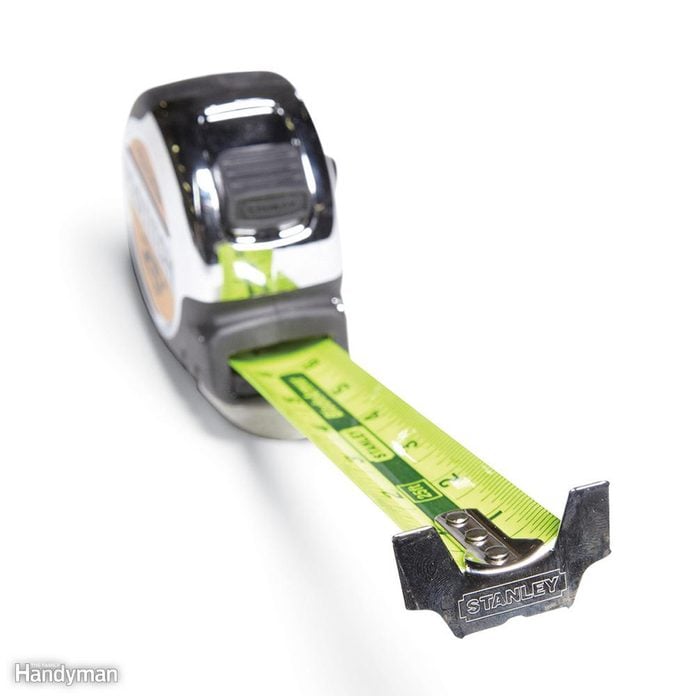
Start measuring from the real zero mark on the tape. Some tapes have a small hook that adds length.
| Type of Tape | How to Find True Zero |
| Standard Tape | Use the metal hook edge as zero. |
| Hookless Tape | Measure from the printed zero line. |
| Steel Tape | Check if the hook moves slightly for inside/outside measurement. |
Recording Measurements Efficiently
Write down your measurements quickly and clearly. This avoids forgetting or mixing up numbers.
- Use a notebook or measurement app.
- Label each measurement with the area or part name.
- Double-check your numbers before moving on.
- Keep your notes organized in order of measurement.
Advanced Tips And Tricks
Measuring large surfaces can be tricky with just a tape measure. It takes skill to get accurate results without errors.
These tips will help you use a tape measure better on big areas. They make measuring easier and more precise.
Utilizing Chalk Or Markers
Chalk and markers help mark points clearly on large surfaces. They keep your measurements visible and easy to follow.
Use chalk on rough or outdoor surfaces. Markers work well on smooth or indoor surfaces. This avoids confusion during measuring.
- Mark start and end points with chalk or marker
- Write measurement numbers near marks for quick reference
- Use bright colors for better visibility
- Clean marks off after measuring to keep surfaces neat
Combining Tape Measure With Laser Tools
Tape measures work well with laser distance tools. Use lasers for long straight distances and tape for detailed spots.
This combo saves time and boosts accuracy. The laser gives a fast rough measure, the tape confirms exact points.
- Use laser tool to get large distance quickly
- Mark points found by laser with chalk or marker
- Measure small sections or curves with tape measure
- Check tape measure readings against laser for errors
Double-checking For Precision
Always measure twice to avoid mistakes on large surfaces. Small errors add up and cause big problems later.
Write down your measurements carefully. Compare them with your marks and tools before final use.
- Repeat each measurement at least two times
- Cross-check measurements with different tools
- Use helper or friend to hold tape for better control
- Note all numbers clearly to avoid confusion

Credit: medium.com
Common Mistakes To Avoid
Using a tape measure on large surfaces can be tricky. Small errors add up quickly and ruin your results.
Knowing what mistakes to avoid helps you get accurate and reliable measurements every time.
Ignoring Tape Sag
Tape sag happens when the tape bends down under its own weight. This makes your measurement longer than it really is.
Always keep the tape straight and taut. Use a helper or a clamp to hold the tape steady on long distances.
Misreading The Scale
Reading the tape measure wrong is common. People often confuse inches and centimeters or miss small marks.
- Check if your tape is metric or imperial.
- Look closely at the smallest marks on the tape.
- Double-check your reading before marking or cutting.
- Practice reading the tape on different surfaces to improve accuracy.
Not Securing The Tape Properly
If the tape is loose or moves while measuring, your numbers will be wrong. Tape must stay fixed at the start and end points.
| Common Problems | How to Fix |
| Tape slips from the edge | Use the tape’s hook or a clamp |
| Tape moves while measuring | Hold tape firmly or get a helper |
| Tape retracts suddenly | Control the rewind with your hand |
| Hook gets damaged | Replace tape or repair the hook |
Credit: www.familyhandyman.com
Frequently Asked Questions
How Do You Measure Large Surfaces Accurately?
To measure large surfaces accurately, ensure the tape measure is straight and taut. Use a partner to hold one end if necessary. Start from a fixed point and measure in sections if the surface exceeds the tape’s length. Record each measurement carefully to ensure precision.
What Type Of Tape Measure Is Best For Large Areas?
For large areas, choose a tape measure with a longer blade, ideally over 25 feet. Look for a tape with clear markings and a sturdy casing. A retractable, locking mechanism is essential for ease of use on expansive surfaces.
How To Prevent Tape Measure Sagging On Large Surfaces?
To prevent sagging, keep the tape measure straight and taut. Use a partner to support the tape at midpoint for long distances. Alternatively, use a rigid, fiberglass tape measure designed for extended lengths to minimize sagging.
Can One Person Measure Large Surfaces Alone?
Yes, one person can measure large surfaces using a self-locking tape measure. Attach the tape’s hook to a fixed point to anchor it. Walk the tape measure across the surface, ensuring it stays taut. Mark points if needed for accuracy.
Conclusion
Using a tape measure on large surfaces takes patience and care. Keep the tape straight and steady for best results. Mark your measurements clearly to avoid mistakes. Work with a partner for longer distances when possible. Double-check your numbers before cutting or drilling.
These simple steps save time and reduce errors. Practice often to gain confidence and skill. Measuring large areas becomes easier with experience. Stay focused and take your time every step. Your projects will look neater and fit better. Small efforts bring big improvements in measuring tasks.
