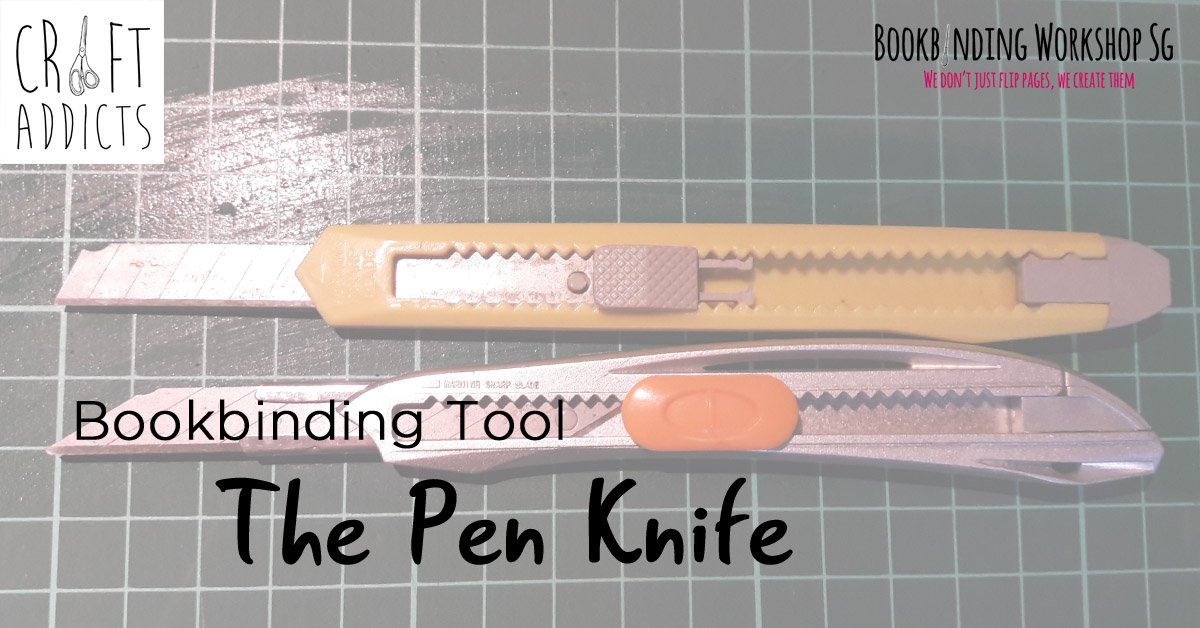
When it comes to crafting, a utility knife is one of your best friends. But are you really getting the most out of it?
Using a utility knife the right way can make your projects cleaner, faster, and safer. Imagine cutting through materials smoothly without frustration or mistakes. You’ll discover simple tips that will boost your skills and confidence every time you pick up your utility knife.
Ready to take your crafting to the next level? Keep reading and unlock the secrets to mastering your utility knife.

Credit: www.youtube.com
Choosing The Right Utility Knife
Using a utility knife for crafting needs the right tool. Picking the right utility knife makes your work easier and safer.
Different knives fit different tasks. Knowing what to choose helps you get clean and precise cuts.
Blade Types And Sizes
Utility knives come with various blade shapes and sizes. Each type suits different materials and crafts.
Sharp blades cut paper and fabric well. Thicker blades work better for tougher materials like cardboard.
- Standard straight blades: good for general cutting
- Hook blades: cut curves and rounded shapes
- Serrated blades: grip rough materials
- Snap-off blades: allow fresh edges by breaking tips
Ergonomic Handles
Choose a utility knife with a handle that fits your hand well. Comfortable handles reduce hand strain during long projects.
Look for handles with soft grips or textured surfaces. These help prevent slipping and give better control.
- Rubber or soft plastic grips improve comfort
- Textured handles prevent slipping
- Lightweight handles reduce fatigue
- Balanced design offers better control
Safety Features To Look For
Safety is important when using a utility knife. Good knives have features that protect your fingers and keep the blade secure.
Look for knives with blade locks and retractable blades. These features keep the blade from moving or cutting when not in use.
- Blade lock prevents accidental blade movement
- Retractable blades hide the blade when idle
- Blade guards protect fingers during storage
- Easy blade change systems reduce injury risk

Credit: insights.made-in-china.com
Preparing Your Workspace
Using a utility knife safely starts with a good workspace. A neat area helps you work faster and avoid accidents.
Organize your space to keep tools close and surfaces steady. This makes cutting easier and more precise.
Stable Cutting Surface
Choose a flat, sturdy surface for cutting. A stable base stops the material from slipping while you cut.
A cutting mat or thick board works well. Avoid soft or uneven surfaces that can cause mistakes or injuries.
Proper Lighting
Good lighting helps you see cut lines clearly. Natural light is best, but a bright lamp also works.
- Use daylight bulbs for true color view
- Place lights to avoid shadows on the work area
- Adjust brightness to reduce eye strain
Organizing Tools And Materials
| Item | Purpose | Storage Tip |
|---|---|---|
| Utility Knife | Cutting materials | Keep within reach but safely closed |
| Ruler or Straight Edge | Guide cuts | Store flat to avoid warping |
| Cutting Mat | Protect surface | Lay flat and clean after use |
| Extra Blades | Replace dull blades | Keep in a small container |
Keep all tools and materials in order. This saves time and keeps your workspace tidy.
Safe Handling Techniques
Using a utility knife for crafting requires care and attention. Safe handling keeps you from getting hurt.
Follow these tips to hold, press, and cut safely with your utility knife.
Correct Grip And Angle
Hold the knife firmly but not too tight. Keep your fingers away from the blade edge.
- Grip the handle with your dominant hand
- Place your thumb on the side for control
- Hold the blade at a 30 to 45-degree angle to the material
- Keep your wrist straight to avoid slipping
Controlling Blade Pressure
Apply steady, light pressure when cutting. Too much force can cause the blade to slip or break.
| Pressure Level | Effect |
| Light | Smooth, controlled cuts |
| Medium | Good for thicker materials |
| Heavy | Risk of blade slipping or damage |
Cutting Away From Your Body
Always cut in a direction away from your body. This reduces the chance of injury if the blade slips.
Keep these tips in mind:
- Position the material so you can cut away from yourself
- Use a stable surface to support the material
- Never force the blade toward your hands or legs

Credit: excelblades.com
Enhancing Cutting Precision
Using a utility knife for crafting needs care and skill. Cutting precisely makes your work look better and safer.
Small tips can help you cut with more control and accuracy. Follow these to improve your cutting precision.
Using Guides And Rulers
Guides and rulers help you cut straight lines. Place them firmly on your material to avoid slipping.
Hold the utility knife against the ruler edge. This way, your cuts will be clean and exact every time.
- Use a metal ruler for durability
- Clamp the ruler if needed for stability
- Move the knife slowly along the guide
Scoring Before Cutting
Scoring means making a light cut on the surface first. This helps guide the deeper cut and reduces mistakes.
Make a shallow cut along your line before pressing harder. This makes the final cut smoother and cleaner.
- Use light pressure on the first pass
- Follow the scored line for the full cut
- Repeat scoring on thick materials if needed
Maintaining Sharp Blades
Sharp blades cut better and safer. Dull blades need more force, which can cause slips and errors.
Change or sharpen your blade often. Keep blades clean and store them safely to keep them sharp.
- Replace blades at the first sign of dullness
- Wipe blades clean after each use
- Store blades in a dry place to avoid rust
Maintenance And Storage
Keeping your utility knife clean and stored properly helps it last longer. Regular care ensures safe use and sharp cuts every time.
Follow simple steps for blade cleaning, safe blade replacement, and correct storage. These tips keep your knife ready for crafting projects.
Cleaning The Blade
Clean the blade after each use to remove glue, paint, or other residues. A clean blade cuts better and stays sharp longer.
- Use a soft cloth with warm, soapy water to wipe the blade.
- Dry the blade completely to avoid rust.
- For sticky residues, apply rubbing alcohol on a cloth and gently clean the blade.
- Never soak the knife in water to protect the handle and blade.
Replacing Blades Safely
Change blades carefully to avoid injury and keep your knife sharp. Follow these steps to replace blades safely.
- Make sure the knife is locked or retracted before starting.
- Use gloves or a cloth to hold the blade while removing it.
- Remove the old blade by unlocking the blade holder or sliding it out.
- Insert the new blade securely in the holder.
- Check that the blade is locked in place before use.
Proper Storage Practices
Store your utility knife in a dry and safe place. Proper storage prevents damage and accidents.
| Storage Tip | Reason |
| Keep the blade retracted or covered | Prevents accidental cuts |
| Store in a toolbox or drawer | Keeps knife dry and protected |
| Use a blade case or sheath | Protects blade edge from damage |
| Keep out of reach of children | Ensures safety |
Common Mistakes To Avoid
Using a utility knife for crafting can be easy and safe. Many people make simple mistakes that cause problems. Knowing what to avoid helps you work better and safer.
This guide shows common mistakes and how to avoid them. Follow these tips to have a smooth crafting experience.
Using Dull Blades
Dull blades make cutting hard. They can slip and cause injury. Change blades often to keep cuts clean and safe.
- Dull blades require more force
- They cause uneven cuts
- They increase the risk of slipping
- Replace blades after heavy use
Applying Excessive Force
Pressing too hard can break the blade or damage your project. Use gentle, steady pressure to cut through materials. Let the sharp blade do the work.
| Problem | Effect | Solution |
| Too much force | Blade breaks | Use less pressure |
| Too much force | Material tears | Cut slowly and carefully |
| Too much force | Hand slips | Hold knife properly |
Ignoring Safety Gear
Not using safety gear puts your hands at risk. Always wear gloves and eye protection. Safety gear reduces injury from slips and flying debris.
- Wear cut-resistant gloves
- Use safety glasses to protect eyes
- Keep your workspace clean and well-lit
- Store knives safely when not in use
Frequently Asked Questions
How Do I Safely Hold A Utility Knife For Crafting?
Hold the utility knife firmly with a comfortable grip. Keep fingers away from the blade edge. Use steady, controlled motions to avoid slips and injuries. Always cut away from your body for maximum safety.
What Materials Can I Cut With A Utility Knife?
Utility knives work well on paper, cardboard, foam board, leather, and thin plastic sheets. Avoid using them on metal or thick materials. Choose the right blade type for your specific crafting project for best results.
How Often Should I Replace The Utility Knife Blade?
Replace the blade when it becomes dull or difficult to cut. A sharp blade ensures clean cuts and reduces accidents. Check the blade regularly during use and change it immediately if it starts tearing material.
Can I Use A Utility Knife For Detailed Craft Cuts?
Yes, utility knives are great for detailed cuts with precision. Use smaller blades for intricate designs. Work slowly and with care to achieve clean, accurate results in your crafting projects.
Conclusion
Crafting with a utility knife can be simple and fun. Keep blades sharp for clean cuts. Always use a cutting mat to protect surfaces. Choose the right blade for each material. Safety first: keep fingers away from the blade. Practice makes perfect, so don’t rush.
Organize tools to find them easily when needed. A little patience goes a long way. With these tips, crafting becomes easier and more enjoyable. Enjoy your creative journey with confidence and care.