
A utility knife is a handy tool you probably use often, whether for cutting boxes, trimming materials, or tackling DIY projects. But have you ever stopped to think about how easily accidents can happen if you don’t handle it right?
Your safety depends on simple habits that protect you from cuts and injuries. You’ll discover easy-to-follow tips that keep your hands safe every time you reach for your utility knife. Keep reading—your fingers will thank you.
Choosing The Right Utility Knife
Using a utility knife safely starts with picking the right tool. Different knives work better for different jobs.
Choosing the correct knife helps you cut more safely and easily. It also reduces the risk of accidents.
Types Of Utility Knives
Utility knives come in many shapes and sizes. Some have fixed blades, while others have retractable ones.
- Retractable Knives:The blade slides in and out for safety.
- Fixed-Blade Knives:The blade stays in place, strong for tough jobs.
- Snap-Off Knives:The blade can be snapped to reveal a fresh edge.
- Folding Knives:The blade folds into the handle for easy carrying.
Pick a type that fits your task and comfort level. Retractable knives are good for general use.
Blade Selection Tips
Choosing the right blade is key for safe cutting. Blades vary in shape, size, and sharpness.
Use a sharp blade to cut smoothly. Dull blades need more force and can slip easily.
- Choose a blade size that fits your knife handle.
- Pick blades made of strong steel for durability.
- Replace blades often to keep them sharp and safe.
- Use snap-off blades for long jobs needing fresh edges.
Always handle blades carefully. Store blades safely when not in use to avoid injuries.
Preparing For Safe Use
Using a utility knife safely starts before you cut anything. Preparing well helps prevent accidents and injuries.
Two main steps to prepare are inspecting the knife and setting up a safe workspace. Both steps keep you protected.
Inspecting The Knife
Check the utility knife before use. Make sure the blade is sharp and not damaged. A dull blade needs more force, which can be dangerous.
Look at the handle and blade lock. The handle should be sturdy, and the blade should lock in place firmly. Loose parts can cause slips.
- Ensure the blade is clean and sharp
- Check that the blade locks securely
- Look for cracks or damage on the handle
- Replace the blade if it is dull or broken
Setting Up A Safe Workspace
Clear your workspace before cutting. Remove clutter and anything that might get in your way or cause slips.
Use a stable, flat surface to cut on. Avoid cutting on unstable or slippery surfaces to keep control of the knife.
- Choose a clean, flat work surface
- Remove all items not needed for cutting
- Make sure the area has good lighting
- Keep your hands and fingers away from the cutting path
Proper Cutting Techniques
Using a utility knife safely depends on how you cut. Good cutting techniques reduce accidents and improve control.
Learn the right grip and hand positions. Always cut away from your body to stay safe.
Correct Grip And Hand Position
Hold the knife firmly but not too tight. A relaxed grip helps you cut smoothly and prevents slipping.
- Wrap your fingers around the handle securely.
- Keep your thumb on the side for extra control.
- Use your other hand to hold the material steady, away from the blade.
- Do not place fingers near the cutting path.
Cutting Away From Your Body
Always cut in a direction that moves the blade away from your body. This reduces the risk of injury if the blade slips.
| Do | Don’t |
| Cut away from your torso and legs | Cut toward your body or fingers |
| Keep your body clear of the blade path | Lean over the cutting line |
| Use a stable surface to cut on | Cut while holding material in the air |
Credit: westernhunter.net
Maintaining Your Utility Knife
Keeping your utility knife in good shape helps you work safely and efficiently. Regular care avoids accidents and extends the blade’s life.
Simple maintenance steps ensure your knife stays sharp and clean. Follow these tips for blade replacement and proper storage.
Blade Replacement Guidelines
Change the blade if it becomes dull, bent, or rusty. A sharp blade cuts better and reduces the risk of slipping.
- Stop using the knife if the blade shows any damage.
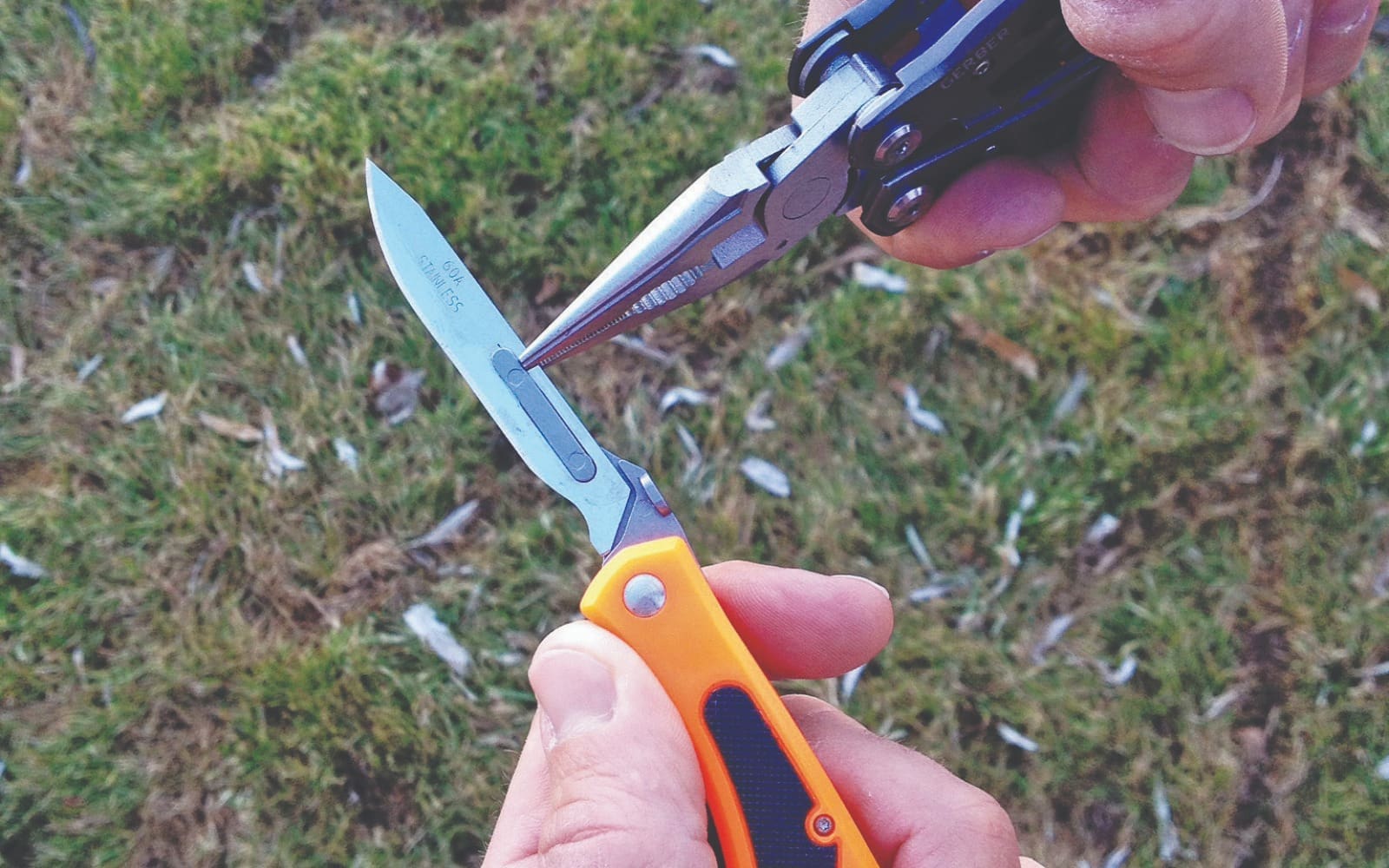
- Unlock the blade holder carefully before removing the old blade.
- Wear gloves to protect your hands during replacement.
- Insert a new blade fully and lock it securely in place.
- Test the blade’s stability before using the knife again.
Cleaning And Storage Tips
Clean your utility knife after each use to prevent rust and dirt buildup. Proper storage keeps it safe and ready for work.
| Cleaning Step | Storage Advice |
|---|---|
| Wipe blade with a dry cloth | Store in a dry place |
| Use mild soap and water if dirty | Keep blade retracted when not in use |
| Dry blade completely before storage | Use a protective case or sheath |
| Apply a drop of oil to metal parts | Keep out of reach of children |
Protective Gear And Precautions
Using a utility knife can be dangerous if you do not use the right safety gear. Wearing protective equipment helps prevent injuries.
Taking simple precautions before cutting will keep your hands and eyes safe. Follow safety rules every time you use a utility knife.
Using Gloves Safely
Wear gloves made for cut resistance when using a utility knife. These gloves protect your hands from slips and cuts.
Make sure gloves fit well and do not reduce your grip. Loose gloves can cause accidents by slipping off or catching on objects.
- Choose gloves labeled as cut-resistant
- Check gloves for holes or tears before use
- Do not use gloves with oily or wet hands
- Replace gloves if they become damaged
Eye Protection And Other Safety Measures
Wear safety glasses to protect your eyes from flying debris. Small pieces can cause serious eye injuries.
Keep your work area clean and well-lit. Clear space helps you cut accurately and avoid accidents.
- Always cut away from your body
- Use a stable surface for cutting
- Keep blades sharp to reduce force needed
- Store the knife safely when not in use

Credit: www.youtube.com
Handling And Disposal Of Blades
Utility knives are useful but can be dangerous if not handled correctly. Safe use of blades helps prevent injuries.
Proper disposal of used blades protects people and the environment. Follow these tips for safety.
Safe Blade Retraction
Always retract the blade fully when not in use. This reduces the risk of cutting yourself accidentally.
Keep your fingers away from the blade when retracting it. Use the knife’s slider or button to control blade movement.
- Check blade is locked in place before cutting
- Retract blade immediately after finishing a cut
- Never leave the blade extended when carrying the knife
Disposing Of Used Blades
Used blades should never be thrown in regular trash. They can cause injuries to trash collectors and others.
Use a blade disposal container or wrap blades in thick tape before disposal. This prevents cuts and accidents.
- Use a metal or plastic container designed for blades
- Label the container clearly as “Used Blades”
- Seal the container tightly before throwing away
- Do not try to recycle used blades with other materials
Common Mistakes To Avoid
Using a utility knife safely is very important. Many accidents happen because of common mistakes.
Knowing what to avoid helps you stay safe and work better with a utility knife.
Using Dull Blades
Dull blades need more force to cut. This can cause the knife to slip and cause injury.
Always check the blade before use. Change it if it looks blunt or damaged.
- Dull blades increase the chance of slipping
- Sharp blades make cutting easier and safer
- Replace blades regularly to keep them sharp
Improper Cutting Angles
Cutting at the wrong angle can make the knife slip. This can hurt your hand or damage the material.
Hold the knife at a steady, proper angle. This gives you better control and cleaner cuts.
- Do not hold the knife too flat against the surface
- Keep a slight angle for better control
- Practice to find the best cutting angle for your task

Credit: insights.made-in-china.com
Frequently Asked Questions
How To Safely Handle A Utility Knife?
Always grip the utility knife firmly and cut away from your body. Use a sharp blade to ensure smooth cuts, reducing the risk of slipping. Keep fingers clear of the cutting path and retract the blade after use. Always use the knife on a stable surface.
What Are Essential Utility Knife Safety Tips?
Ensure the blade is sharp and securely locked in place. Cut on a stable surface and away from your body. Retract or cover the blade when not in use. Store the knife safely out of reach of children. Wear gloves for added protection if necessary.
Why Should You Use A Sharp Utility Knife?
A sharp utility knife ensures cleaner cuts and reduces the risk of accidents. Dull blades require more force, which increases the chance of slipping. Regularly replace or sharpen the blade to maintain efficiency. Sharp blades make precise cuts, ensuring better control during use.
How Often Should You Replace The Blade?
Replace the blade when it becomes dull or shows signs of wear. A sharp blade reduces the risk of slipping and ensures cleaner cuts. Regular inspection helps in maintaining safety standards. Frequent use may necessitate more frequent blade changes to maintain efficiency.
Conclusion
Using a utility knife safely protects you from injury. Always keep the blade sharp and handle it with care. Cut away from your body to avoid accidents. Store the knife properly when not in use. Stay focused and never rush while cutting.
These simple steps help you work safely and confidently. Safety should always come first with any sharp tool. Practice these tips to keep yourself and others safe.