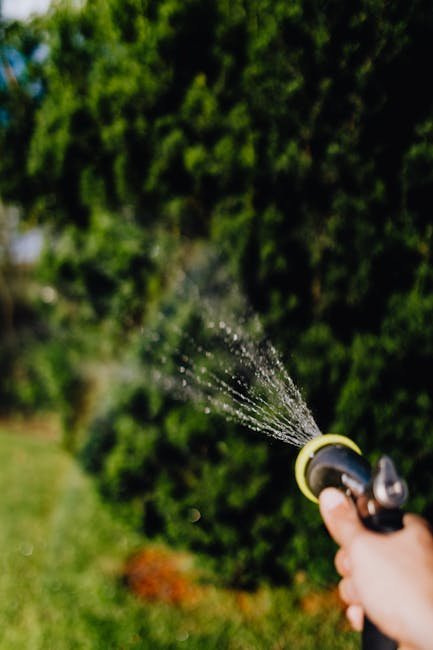
Are you tired of wrestling with cumbersome hoses, only to end up with a garden that’s either soaked or still thirsty? Imagine achieving the perfect water flow with ease.
A watering wand might just be your new best friend. This nifty tool can transform your gardening routine from a chore into a delight. Whether you’re nurturing delicate flowers or maintaining a lush lawn, using a watering wand effectively can make all the difference.
You’ll discover practical tips and insights that will help you harness the full potential of your watering wand. Get ready to elevate your gardening game and ensure your plants thrive like never before!
Choosing The Right Watering Wand
A watering wand helps you water plants gently and reach distant spots. Picking the right one makes gardening easier and more effective.
Consider the material, length, and nozzle options before buying a watering wand. These features affect how well it works for your needs.
Material And Build Quality
Look for a watering wand made from strong, lightweight materials. Aluminum and brass parts last longer and resist rust. Plastic wands can be light but may break easily.
- Choose corrosion-resistant materials for durability
- Pick a wand with a comfortable grip for long use
- Check that connections are tight and leak-free
Length And Reach
Consider the length of the watering wand based on your garden size. A longer wand reaches hanging plants and far corners without bending or stretching.
| Length | Best For |
| 12-18 inches | Small pots and close plants |
| 18-24 inches | Medium gardens and flower beds |
| 24-36 inches | Large gardens and hanging plants |
Nozzle Types And Settings
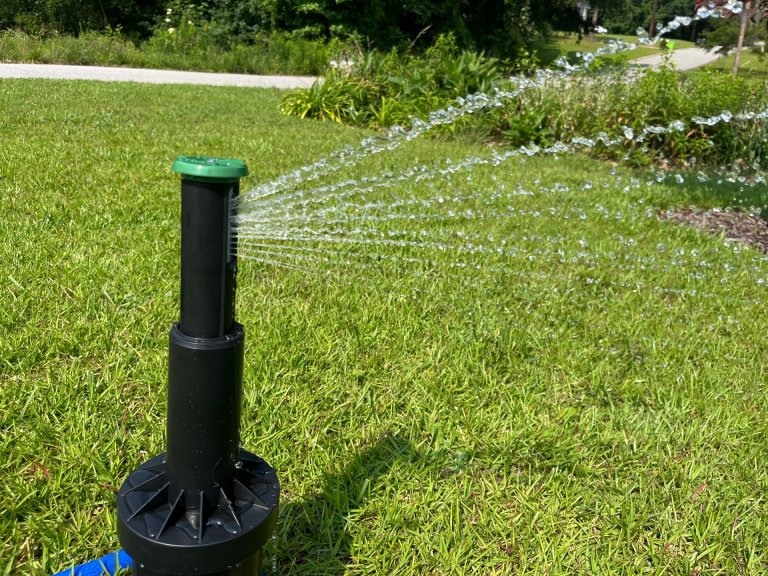
Nozzles control the water flow and spray pattern. Different settings suit different plants and watering needs.
- Jet: Strong stream for hard-to-reach areas
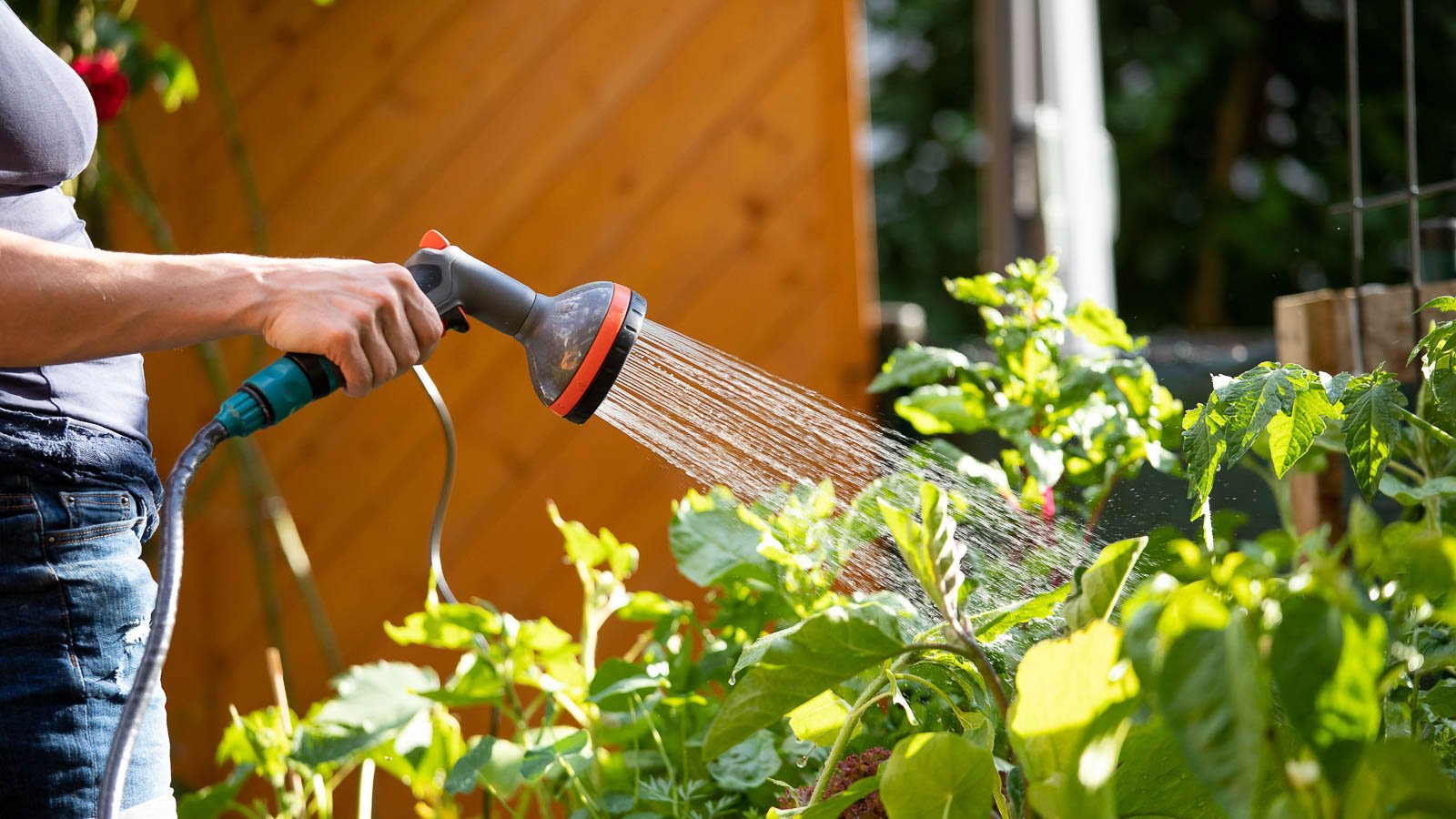
- Shower: Gentle spray for delicate plants
- Mist: Fine droplets for seedlings and seedlings
- Soaker: Slow flow for deep watering
:max_bytes(150000):strip_icc()/GettyImages-2160536734-35861635108143cda33d84fd2e660a2d.jpg)
Credit: www.thespruce.com
Preparing Your Watering Wand
Using a watering wand helps you reach plants easily. It also controls water flow for gentle watering.
Before you start, it is important to prepare your watering wand. This makes sure it works well.
Checking For Leaks
Look over your watering wand and hose for any leaks. Leaks waste water and reduce pressure.
Check the connections, wand head, and hose for cracks or holes. Fix any leaks before use.
- Turn on water and watch for drips
- Feel for wet spots along the wand and hose
- Tighten loose parts to stop leaks
Adjusting Water Pressure
Set the water pressure to a gentle flow. High pressure can harm plants and soil.
Use the pressure control on the wand or your faucet. Find a steady, soft spray.
- Start with low pressure
- Test spray on a plant or soil
- Increase pressure if water does not reach plants
Attaching Hoses Securely
Connect your watering wand to the hose tightly. Loose connections cause leaks and water loss.
Make sure the hose end fits the wand’s connector. Use washers if needed to seal the connection.
- Push hose firmly onto the wand connector
- Tighten any screw-on fittings by hand
- Check for leaks after attaching
Effective Watering Techniques
Using a watering wand helps you reach plants easily. It gives gentle water flow that protects plants.
Watering the right way keeps your garden healthy. Let’s look at some tips for watering well.
Watering At The Base
Water plants at their base, near the soil. This helps roots get water directly and grow strong.
Avoid watering the leaves to stop diseases. Focus the watering wand close to the ground.
Avoiding Overhead Watering
Do not spray water over the whole plant. Wet leaves can cause mold and fungus to grow.
Use the watering wand to gently soak the soil. This keeps the plant healthy and safe.
Timing Your Watering Sessions
Water plants early in the morning or late in the evening. This reduces water loss from heat.
Watering at the right time helps plants absorb water better. Avoid watering at midday.
Credit: www.bobvila.com
Maintaining Your Watering Wand
Taking care of your watering wand helps it last longer. Proper maintenance keeps it working well every time.
Regular cleaning and correct storage prevent damage. Fix small issues early to avoid bigger problems.
Cleaning Nozzles Regularly
Dirt and minerals can block your watering wand’s nozzles. Clean them often to keep water flowing smoothly.
Remove the nozzle and soak it in warm water. Use a soft brush to clear any dirt or buildup gently.
- Soak nozzles in warm water for 10 minutes
- Use a soft brush or toothpick to remove debris
- Rinse well before reattaching to the wand
Storing Properly After Use
Store your watering wand in a dry place after use. Keep it away from direct sunlight to avoid damage.
Drain all water from the wand before putting it away. This stops rust and freezing in cold weather.
- Drain water completely after each use
- Hang or store the wand off the ground
- Keep it in a shaded, dry area
Troubleshooting Common Issues
If water flow is weak, check for clogs in the nozzle or hose. Clear any blockages to restore good flow.
Leaks can happen at connection points. Tighten fittings or replace worn washers to fix leaks.
- Clear nozzle clogs with a brush or needle
- Check hose for cracks or holes
- Tighten or replace loose connections
- Replace washers if water leaks persist
Enhancing Garden Health
Using a watering wand can improve your garden’s health by giving plants the right amount of water. It helps you reach all parts of the garden easily.
Watering carefully keeps plants strong and helps them grow well. There are some tips to get the best results with a watering wand.
Using Mulch To Retain Moisture
Mulch helps keep water in the soil longer. It stops the sun from drying out the ground too fast.
Apply mulch around your plants after watering with the wand. This keeps roots moist and supports healthy growth.
- Use organic mulch like leaves or wood chips
- Spread mulch 2-3 inches thick around plants
- Keep mulch a few inches away from plant stems
Watering Different Plants Appropriately
Different plants need different amounts of water. A watering wand lets you control how much water each plant gets.
Use a gentle spray for delicate flowers. Use a stronger flow for larger plants or trees.
- Water leafy plants at their base to avoid wet leaves
- Give deep watering to shrubs and trees
- Water early in the morning or late in the day
Combining With Fertilizer Application
You can use a watering wand to apply liquid fertilizer. This helps feed plants while watering.
Dilute fertilizer properly before use. Water the plants gently to spread fertilizer evenly.
- Mix fertilizer with water as per instructions
- Use a fine spray to avoid washing fertilizer away
- Apply fertilizer during cooler parts of the day
Credit: www.epicgardening.com
Frequently Asked Questions
What Is The Best Way To Use A Watering Wand?
Use a watering wand by holding it at a comfortable angle. Aim at the base of plants to avoid leaf damage. Adjust the nozzle for gentle water flow to prevent soil erosion and ensure even watering.
How Do I Prevent Water Waste With A Watering Wand?
Control water flow using the wand’s adjustable nozzle. Water plants slowly to allow soil absorption. Use the wand only on targeted areas and avoid watering during windy conditions to minimize evaporation and waste.
Can A Watering Wand Reach Tall Plants Easily?
Yes, watering wands extend your reach for tall plants. Their long handles help water hanging baskets and tall flowers without strain. Choose a wand with adjustable length for better convenience.
How Often Should I Clean My Watering Wand?
Clean your watering wand every few weeks. Remove dirt and mineral buildup to maintain proper water flow. Rinse thoroughly with water and dry before storing to extend its lifespan.
Conclusion
Using a watering wand helps you reach plants easily and gently. It saves time and keeps your garden healthy. Aim the spray carefully to avoid wasting water. Choose the right wand for your garden size. Clean it regularly to keep it working well.
With these tips, watering becomes simple and effective. Enjoy your thriving plants and a happy garden!