Are you tired of wrestling with your wheelbarrow, feeling like it’s working against you instead of making your tasks easier? You’re not alone.
Many people overlook the simple techniques that can transform this common tool into an efficient workhorse. Whether you’re gardening, landscaping, or tackling a construction project, knowing how to use a wheelbarrow efficiently can save you time and energy. Imagine effortlessly moving heavy loads without breaking a sweat or straining your back.
Intrigued? Keep reading to discover practical tips that will not only enhance your wheelbarrow skills but also make your tasks feel surprisingly effortless. Your next project could be easier than you ever imagined.
Credit: www.abc.net.au
Choosing The Right Wheelbarrow
Picking the right wheelbarrow helps you work faster and easier. It saves your energy and time.
Think about the tasks you need to do before buying. The right wheelbarrow fits your job well.
Types Of Wheelbarrows
There are different types of wheelbarrows for different jobs. Each type has its own use.
- Standard wheelbarrows have one wheel and good balance.
- Two-wheel wheelbarrows offer more stability for heavy loads.
- Flat-free wheelbarrows use solid tires that never go flat.
- Contractor wheelbarrows are strong and good for heavy work.
Material And Durability
Wheelbarrows come in different materials like steel, plastic, or wood. Material affects how long it lasts.
Steel wheelbarrows are strong but heavy. Plastic ones are light but less tough. Wood is rare and best for light use.
- Steel: durable, good for heavy work, can rust.
- Plastic: lightweight, rust-proof, less strong.
- Wood: traditional, light loads, may crack or rot.
Weight Capacity
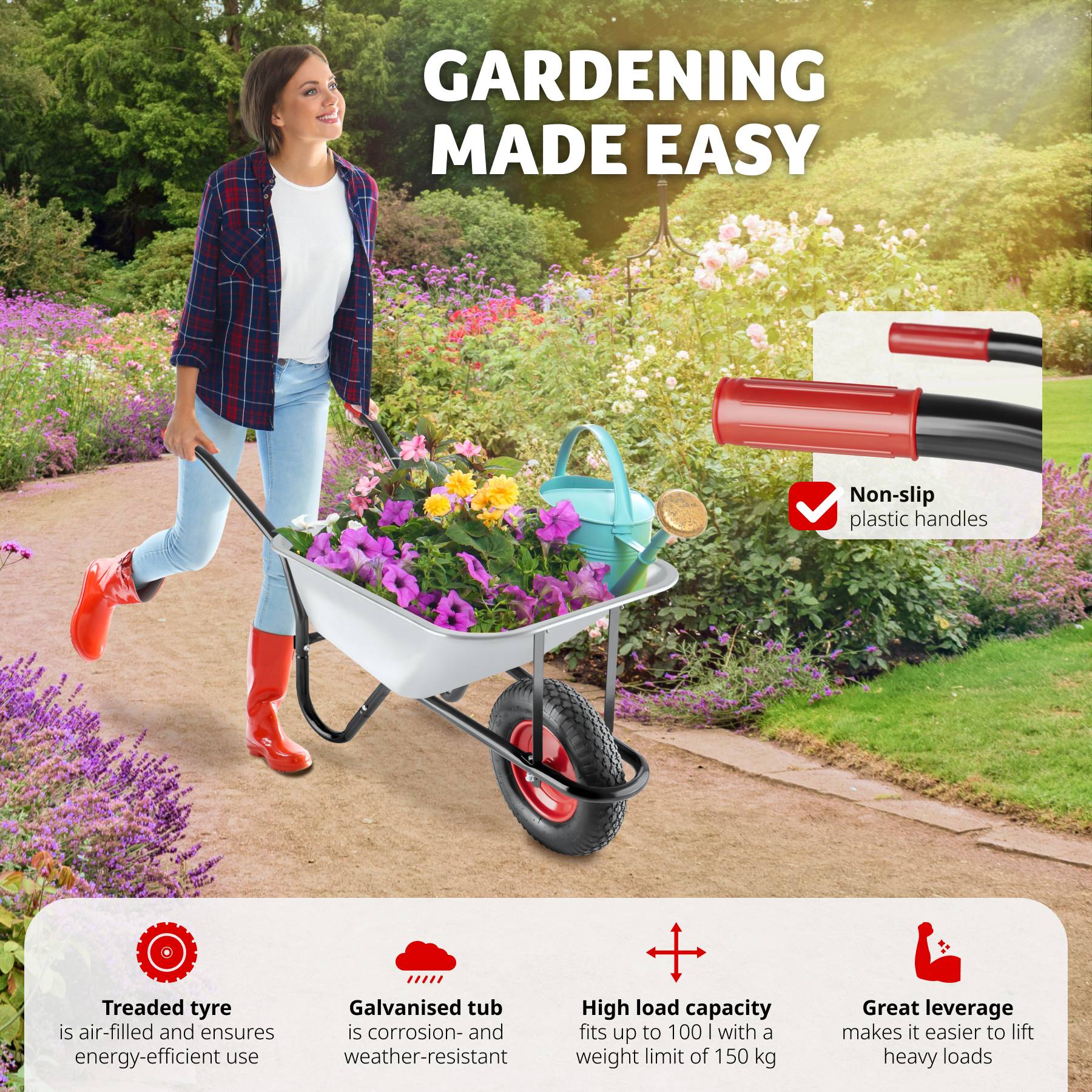
Check the weight capacity before buying. It tells how much weight the wheelbarrow can carry safely.
Choose a wheelbarrow with enough capacity for your heaviest loads. Overloading can break it or cause accidents.
| Capacity | Best For |
|---|---|
| 100-150 lbs | Light gardening and small loads |
| 150-300 lbs | General yard work and medium loads |
| 300+ lbs | Heavy construction and large loads |
Credit: www.tectake.co.uk
Proper Loading Techniques
Loading a wheelbarrow correctly helps you move materials safely and easily. It reduces strain on your body and keeps the wheelbarrow balanced.
Follow simple tips to load your wheelbarrow efficiently. These tips help you work faster and avoid accidents.
Balancing The Load
Place heavy items near the wheel to keep the wheelbarrow steady. Distribute weight evenly from side to side.
- Put heavy objects in the center close to the wheel.
- Spread light materials on top and to the sides.
- Keep the load low to avoid tipping.
Avoiding Overloading
Do not fill the wheelbarrow beyond its weight limit. Overloading makes it hard to push and can cause injuries.
| Load Size | Effect | Tip |
| Light Load | Easy to push | Fill to half or less |
| Medium Load | Moderate effort needed | Keep balanced |
| Heavy Load | Hard to control | Reduce amount or make multiple trips |
Securing Loose Items
Loose items can fall off while moving. Secure them to avoid spills and injuries.
- Use a tarp or cloth to cover loose material.
- Place heavier items on top to hold lighter ones down.
- Check the load before moving to ensure nothing falls out.
Safe Handling Practices
Using a wheelbarrow the right way keeps you safe and makes work easier. Pay attention to how you hold and move it.
Follow simple tips to avoid injury and handle loads with care. Safety matters when moving heavy or uneven materials.
Correct Posture
Stand straight with your feet shoulder-width apart. Keep your back straight, not bent, to avoid strain.
- Bend your knees slightly, not your back.
- Keep your head up and look forward.
- Hold the wheelbarrow close to your body.
Using Both Hands
Always use both hands to control the wheelbarrow. This gives you better balance and control over the load.
| Benefit | Reason |
| Better grip | Prevents slipping and dropping |
| Improved balance | Helps to steer on rough ground |
| Less strain | Distributes weight evenly |
Navigating Slopes And Uneven Terrain
Use caution on slopes and rough ground. Move slowly and keep control at all times.
Follow these tips for safety:
- Push the wheelbarrow uphill to keep balance.
- Go slowly downhill to avoid losing control.
- Keep the load light on steep slopes.
- Watch for rocks and holes that can cause tipping.

Credit: www.youtube.com
Maintenance Tips
Keeping your wheelbarrow in good shape helps it work better and last longer.
Regular care can prevent problems and make your tasks easier.
Regular Cleaning
Clean your wheelbarrow after each use. Dirt and debris can cause rust and damage.
- Use a hose to wash off mud and soil.
- Scrub the tray with a brush for stuck dirt.
- Dry it well to stop rust from forming.
- Store it in a dry place to protect from weather.
Checking Tires And Wheels
Check the tire pressure often. Soft tires make pushing harder and can cause wear.
| Check | What to Do |
| Tire Pressure | Fill with air if low, use a pump |
| Wheel Bearings | Look for noise or rough spinning |
| Wheel Nuts | Tighten if loose |
| Damage | Replace cracked or bent tires |
Lubrication And Repairs
Lubricate moving parts to keep the wheelbarrow rolling smoothly.
Use oil or grease on:
- Wheel axles
- Hinges or joints
Fix small repairs early to avoid bigger problems. Check handles and tray for cracks or rust.
Time-saving Strategies
Using a wheelbarrow efficiently can save time during outdoor work. Simple planning and smart tools help you move materials faster.
This guide shares tips to get the most out of your wheelbarrow by planning well, using attachments, and working with others.
Planning Your Route
Choose the shortest and smoothest path for your wheelbarrow. Avoid rough or steep areas to keep your pace steady.
- Clear obstacles before you start
- Plan to carry full loads on easy ground
- Use ramps or boards for steps or curbs
- Keep turns wide to avoid tipping
Using Wheelbarrow Attachments
Attachments can help carry different loads and reduce trips. Choose the right add-ons to fit your task and save time.
| Attachment | Purpose | Time-Saving Tip |
| Side Extensions | Carry wider loads | Fewer trips for bulky items |
| Dump Tub | Quick unloading | Speeds up material drops |
| Flatbed | Transport tools | Carry more tools at once |
Working In Teams
Working with others can make the job faster and easier. Share tasks and help each other with heavy loads.
- One person loads the wheelbarrow
- Another pushes it along the route
- Team members unload quickly at the destination
- Switch roles to avoid fatigue
Frequently Asked Questions
How Do I Choose The Right Wheelbarrow Size?
Choose a wheelbarrow size based on your task and load. Larger wheels handle rough terrain better. Smaller wheelbarrows are easier to maneuver in tight spaces. Balance capacity with ease of use to work efficiently.
What Is The Best Way To Load A Wheelbarrow?
Load heavy materials closest to the wheel for better balance. Distribute weight evenly to prevent tipping. Avoid overloading to maintain control and reduce strain while pushing the wheelbarrow.
How Can I Maintain My Wheelbarrow For Longevity?
Clean your wheelbarrow after each use to prevent rust. Check tire pressure regularly for smooth movement. Lubricate moving parts to avoid wear. Store it in a dry place to extend its lifespan.
What Techniques Improve Wheelbarrow Pushing Efficiency?
Keep your back straight and use your legs to push. Use both hands on handles for control. Push at a steady pace to avoid fatigue. Take shorter, controlled steps on uneven ground.
Conclusion
Using a wheelbarrow well saves time and energy. Choose the right wheelbarrow for your task. Keep the load balanced to avoid spills or tipping. Push with steady steps and firm grips. Regularly check the wheel and handles for safety. Clean the wheelbarrow after use to keep it working.
Small habits make big differences in work quality. Practice these tips to make your work easier. Simple steps lead to smoother and safer moving. Try these ideas and see the results yourself.