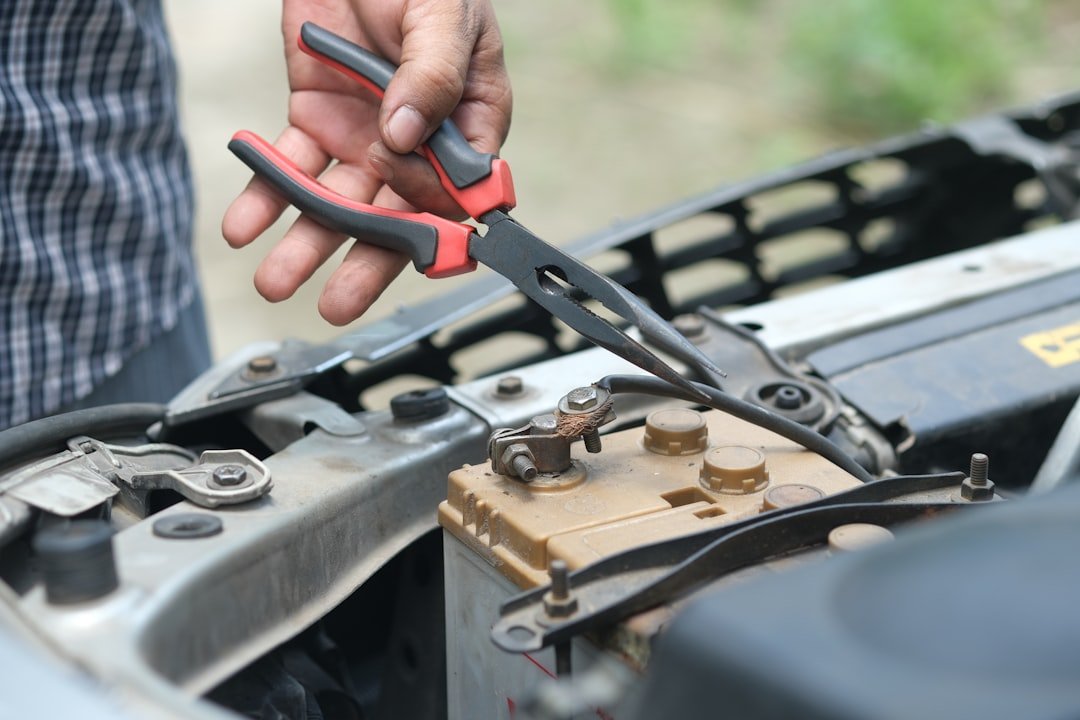
When working on your car, having the right tools can make all the difference. An adjustable wrench is one of those must-have tools that can save you time and effort.
But are you using it the best way? If you want to avoid stripped bolts, wasted energy, and frustrating repairs, these simple tips will help you get the most out of your adjustable wrench. Keep reading to discover how small changes in how you use this tool can make your automotive tasks easier and more efficient.
Your car—and your hands—will thank you.
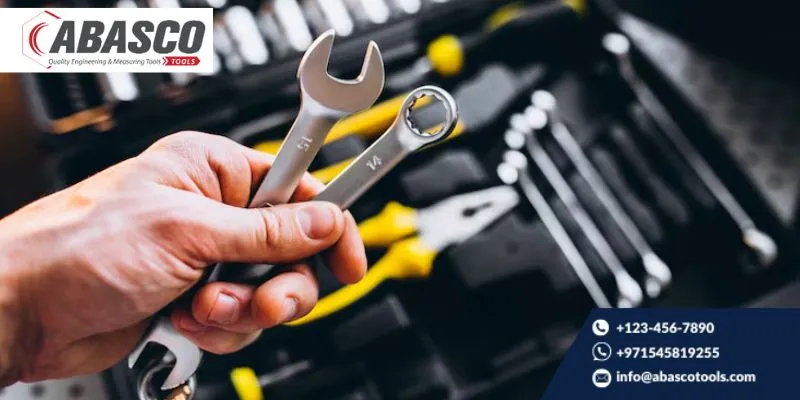
Credit: abascotools.com
Choosing The Right Adjustable Wrench
Adjustable wrenches are useful tools for many automotive tasks. Picking the right one helps you work safely and fast.
Focus on size, material, and comfort when choosing an adjustable wrench. These factors affect how well it performs.
Size And Jaw Capacity
Choose a wrench size that fits the nuts or bolts you work with most. The jaw capacity must open wide enough for your tasks.
Using the right size prevents damage to fasteners and improves grip. Small wrenches work well for tight spaces.
- Small (6-8 inches): Good for light tasks and tight spaces
- Medium (10-12 inches): Fits most automotive nuts and bolts
- Large (14+ inches): Best for heavy-duty jobs and large fasteners
Material And Build Quality
Look for wrenches made from strong metals like chrome vanadium steel. These last longer and resist rust.
Good build quality means the wrench jaw stays tight during use. This reduces slipping and makes work safer.
- Chrome vanadium steel: Durable and rust-resistant
- Heat-treated metals: Extra strength and toughness
- Polished finish: Resists corrosion and easy to clean
Ergonomic Design Features
Pick a wrench with a comfortable handle to reduce hand strain. Rubber or textured grips help you hold the tool firmly.
An ergonomic design lets you work longer without pain. It also improves control when turning bolts.
- Rubber-coated handles: Better grip and comfort
- Curved or shaped handles: Fit natural hand position
- Non-slip surfaces: Safe use even with oily hands
Preparing For Automotive Repairs
Adjustable wrenches are useful tools for many car repairs. Before starting, prepare your wrench well. This helps you work safely and efficiently.
Checking and caring for your wrench prevents problems during repairs. It also makes your work easier and faster.
Inspecting The Wrench For Damage
Look over your adjustable wrench before use. Check for cracks, bends, or worn teeth. Damaged wrenches may slip and hurt you or damage fasteners.
Make sure the adjustment mechanism moves smoothly. Test the grip to see if it holds fasteners tightly. Replace the wrench if it does not work well.
Cleaning And Lubricating Joints
Clean your wrench to remove dirt and grease. Use a rag or brush to clear debris from the jaws and adjustment parts.
- Apply light machine oil to the moving parts.
- Work the adjustment knob back and forth to spread oil.
- Wipe off any extra oil to avoid slipping.
Regular cleaning and lubrication keep the wrench working smoothly and last longer.
Selecting Proper Fasteners
| Fastener Type | Common Sizes | Wrench Jaw Setting |
| Bolt | 10mm, 12mm, 14mm | Adjust wrench jaw slightly larger than bolt head |
| Nut | 8mm, 10mm, 13mm | Fit jaws tightly without forcing |
| Screw | Varies | Use wrench only if screw head fits jaw securely |
Choose fasteners that match the wrench’s jaw capacity. Avoid using the wrench on damaged or rounded fasteners to prevent slipping.
Techniques For Effective Use
Adjustable wrenches are handy tools for many car repairs. Using them right makes your work safer and easier.
Learn how to adjust, apply force, and position the wrench for the best results on your automotive tasks.
Adjusting The Jaw Correctly
Turn the wrench’s thumbwheel to open or close the jaws. Fit the jaws tightly around the fastener.
A snug fit stops the wrench from slipping and damaging bolts or nuts.
- Open the jaws just enough to fit the fastener
- Tighten the thumbwheel so the jaws grip firmly
- Check that the wrench does not move side to side
Applying The Right Amount Of Force
Use steady pressure when turning the wrench. Avoid sudden or jerky movements.
Too much force can damage parts or bend the wrench. Too little force may not loosen the fastener.
- Pull or push the wrench slowly and evenly
- Stop if the fastener feels stuck and try again gently
- Use a longer wrench for more leverage if needed
Positioning For Maximum Grip
Place the wrench jaw on the flat sides of the bolt or nut, not on the corners.
Hold the wrench handle at a right angle to the fastener for better control and less slipping.
- Align the wrench jaw fully on the fastener’s flat surfaces
- Keep your wrist straight and firm while turning
- Pull the wrench toward you to reduce slipping risk
Common Mistakes To Avoid
Using an adjustable wrench for car repairs needs care. Many people make simple mistakes. These errors can damage parts or tools.
Knowing what to avoid helps you work safely and effectively. Here are common errors to watch out for.
Overtightening And Stripping Bolts
Turning bolts too tight can break or strip them. Stripped bolts lose their grip and become hard to remove.
Use the wrench carefully and stop once the bolt feels secure. Avoid forcing it beyond tightness.
- Check bolt tightness with your hand first
- Do not use extra tools to increase force
- Stop tightening if the bolt no longer turns easily
Using The Wrench As A Hammer
People sometimes hit things with the adjustable wrench. This can damage the tool or the part you work on.
Use a hammer for hitting tasks. Keep the wrench only for turning bolts and nuts.
- Never strike with the wrench handle or jaws
- Choose the right tool for each job
- Using the wrench as a hammer can bend or break it
Ignoring Slippage Risks
Adjustable wrenches can slip if not set tightly. Slippage can hurt your hand or damage parts.
Always adjust the wrench jaws to fit the bolt firmly. Check for tight grip before turning.
- Set the wrench jaws close to the bolt size
- Test grip by gently pulling before full force
- Replace worn wrenches to reduce slipping
Maintaining Your Adjustable Wrench
Keeping your adjustable wrench in good shape helps it last longer. Proper care makes your automotive work easier and safer.
Regular maintenance prevents rust and damage. It keeps the wrench working smoothly every time you use it.
Regular Cleaning Routines
Clean your adjustable wrench after each use. Dirt and grease can build up and cause problems.
Use a rag to wipe off dirt and oil. For tough grime, use warm soapy water and a brush.
- Wipe the jaws and handle thoroughly
- Remove debris from the adjustment screw
- Dry completely to avoid rust
- Lightly oil the moving parts
Proper Storage Tips
Store your wrench in a dry place to stop rust. Avoid damp or humid areas like garages with poor ventilation.
Keep your wrench in a toolbox or hang it on a tool rack. This prevents damage and loss.
- Use a toolbox with compartments
- Hang wrenches on pegboards
- Keep away from chemicals and moisture
- Store with other hand tools for easy access
When To Replace Your Wrench
Replace your wrench if it shows signs of wear or damage. Using a broken tool can cause injury or damage parts.
Look for cracks, bent handles, or loose adjustment mechanisms. These signs mean the wrench is no longer safe.
- Jaws do not grip tightly
- Adjustment screw sticks or slips
- Handle is cracked or bent
- Rust that weakens the metal

Credit: www.reddit.com
Advanced Tips For Professionals
Adjustable wrenches are essential tools for automotive work. Using them well can save time and avoid damage. These tips focus on advanced techniques for experienced users.
Learn how to handle tight spaces, use other tools with wrenches, and make custom modifications. These methods improve your efficiency and precision.
Using Wrenches In Tight Spaces
Working in small or crowded areas requires special care. Use these tips to fit adjustable wrenches where space is limited.
- Choose a wrench with a thin jaw profile to reach narrow gaps.
- Partially open the wrench to fit it between bolts or pipes.
- Hold the wrench at a low angle to avoid hitting nearby parts.
- Use a swivel or flex-head wrench for better maneuverability.
- Lightly tap the wrench with a rubber mallet to loosen stuck nuts gently.
Combining With Other Tools
Pair adjustable wrenches with other tools to improve torque and grip. This approach helps with stubborn bolts and heavy tasks.
| Tool Combination | Purpose | Tip |
| Adjustable wrench + Pipe | Increase leverage | Use a strong pipe as a cheater bar |
| Adjustable wrench + Pliers | Secure grip | Hold the bolt steady with pliers first |
| Adjustable wrench + Torque wrench | Accurate torque | Set torque wrench after initial loosening |
| Adjustable wrench + Hammer | Loosen tight nuts | Tap wrench handle gently to break rust |
Custom Modifications
Modifying your adjustable wrench can help tailor it for specific tasks. Use safe adjustments to extend its function.
Try these custom changes:
- Wrap the jaws with thin rubber to protect soft surfaces.
- File the handle edges for better grip and comfort.
- Attach a small magnet near the jaws to hold nuts temporarily.
- Use a locking clamp to fix the wrench size for repetitive tasks.

Credit: www.youtube.com
Frequently Asked Questions
How Do I Choose The Right Adjustable Wrench?
Choosing the right adjustable wrench depends on your task. Consider the size of the nuts and bolts. Opt for a wrench with a comfortable grip and smooth adjustment mechanism. Ensure it’s made of durable material, like chrome vanadium steel, for longevity.
A wrench with a wide jaw capacity offers more versatility.
Why Are Adjustable Wrenches Essential For Automotive Tasks?
Adjustable wrenches are versatile tools perfect for automotive tasks. They can fit various sizes of nuts and bolts. This eliminates the need for multiple wrenches. Their adjustable jaw makes them ideal for tight spaces. They’re durable and can handle the demands of automotive repairs efficiently.
How To Maintain An Adjustable Wrench?
Maintaining an adjustable wrench is simple. Regularly clean it to remove dirt and grease. Lubricate the adjustment mechanism to ensure smooth operation. Store it in a dry place to prevent rust. Inspect for wear and replace if necessary. Proper maintenance extends the tool’s lifespan.
Can Adjustable Wrenches Damage Car Parts?
Improper use of adjustable wrenches can damage car parts. Ensure the wrench is the right size for the job. Avoid using excessive force to prevent stripping nuts. Always apply pressure evenly. Proper usage and care will minimize the risk of damage to car components.
Conclusion
Using adjustable wrenches carefully can make car repairs easier. Always choose the right size for a tight fit. Turn the wrench slowly to avoid slipping or damage. Keep the tool clean and check for wear often. Practice these tips to work safely and save time.
A good wrench helps complete tasks with less effort. Small steps lead to better results in automotive work. Trust your hands and stay patient during repairs.