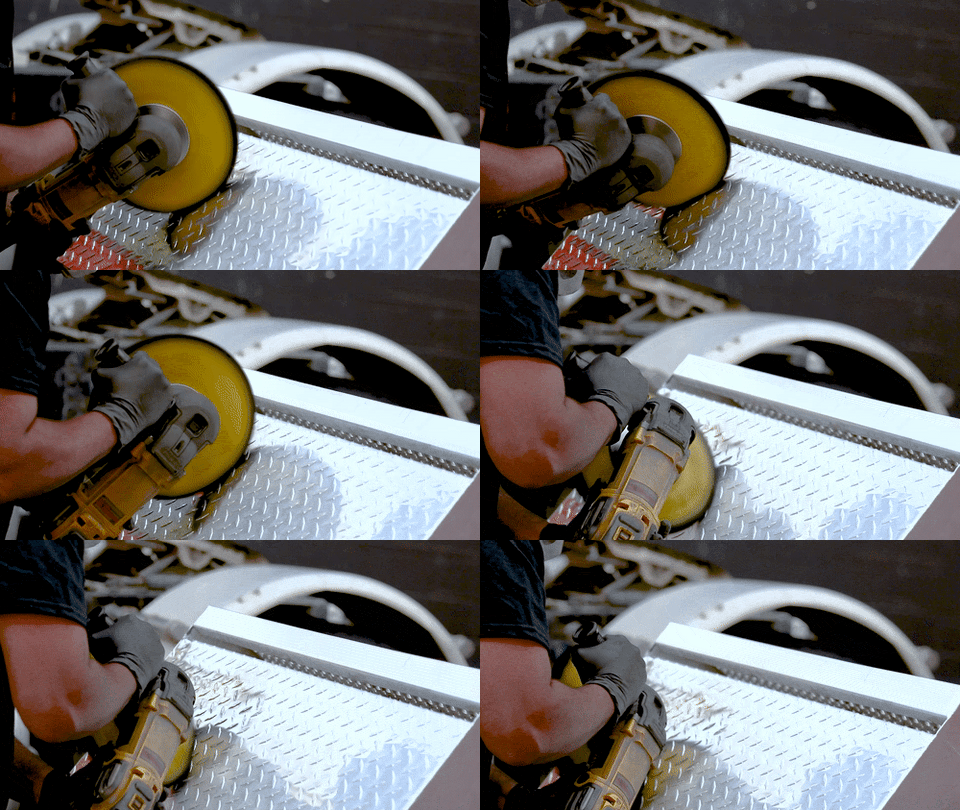
Imagine transforming a dull piece of metal into a shiny masterpiece. Exciting, right?
With an angle grinder in your toolkit, this becomes a reality. But using this powerful tool for polishing metal requires more than just switching it on. It’s about finesse, precision, and the right techniques. You might wonder how to achieve that flawless shine without damaging your project.
Don’t worry; you’re in the right place. In this guide, you’ll discover simple yet effective tips to make your metal surfaces gleam like never before. Get ready to elevate your DIY skills and create stunning results that you’ll be proud to show off. Curious? Keep reading to unlock the secrets of using an angle grinder like a pro.

Credit: www.protoolreviews.com
Choosing The Right Angle Grinder
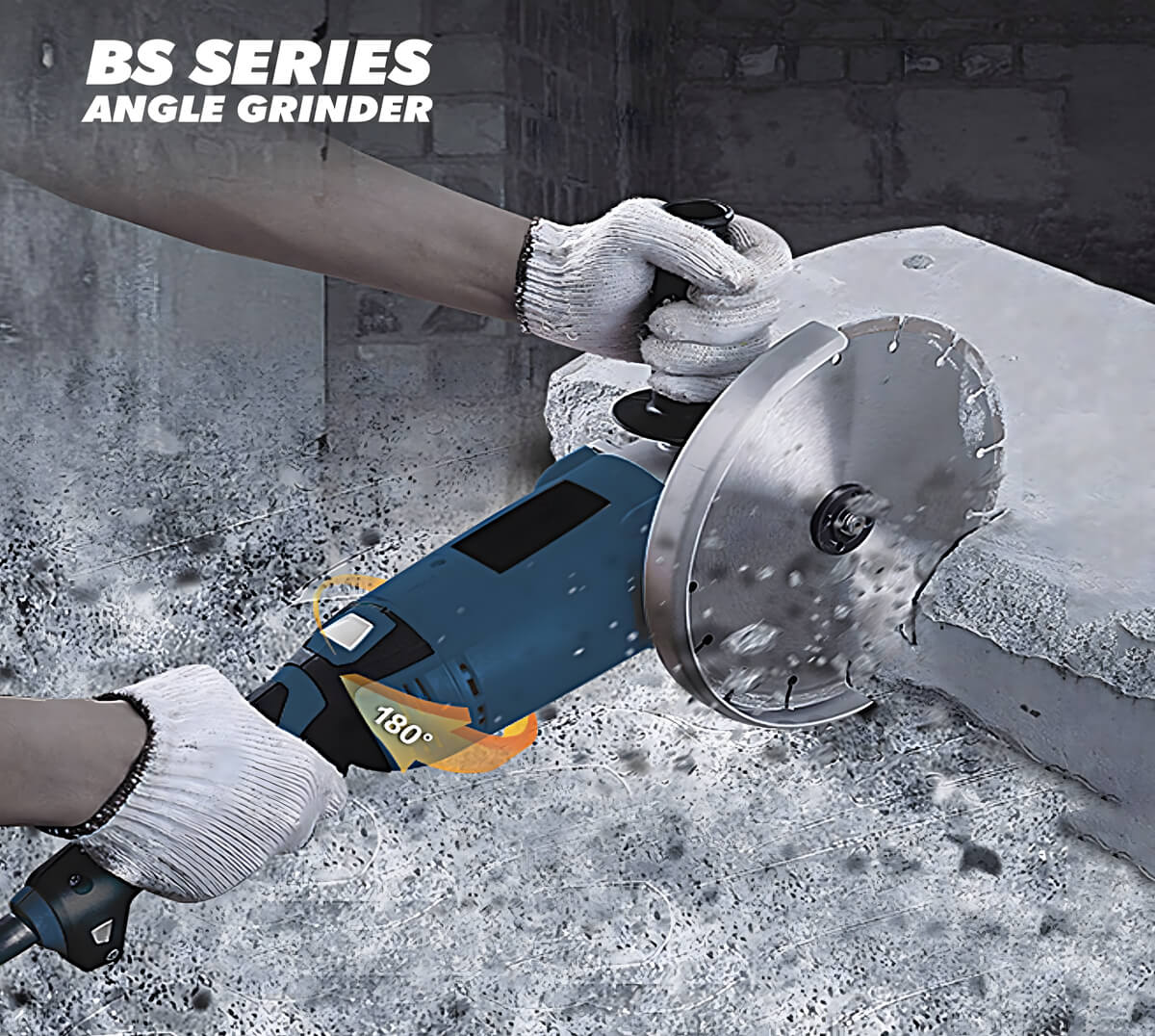
Using an angle grinder for polishing metal needs the right tool. Picking the correct angle grinder makes the work easier and safer.
There are many types and sizes of angle grinders. Knowing their features helps you pick the best one for polishing metal.
Types Of Angle Grinders
Angle grinders come in different types based on power source and design. The main types are corded, cordless, and pneumatic.
- Corded grindersplug into power outlets. They offer steady power for long jobs.
- Cordless grindersrun on batteries. They are easy to move and use in tight spots.
- Pneumatic grindersuse compressed air. They are light and good for detailed work.
Selecting The Correct Size
Angle grinders come in sizes based on disc diameter. Common sizes are 4.5, 5, 6, and 7 inches.
Smaller grinders are easier to control. Larger grinders cover bigger areas faster but need more skill.
- 4.5-inch grinders are good for small polishing jobs.
- 5 to 6-inch grinders work well for medium tasks.
- 7-inch grinders fit large, heavy polishing projects.
Power And Speed Considerations
Power is measured in amps or volts for electric grinders. Higher power handles tougher polishing jobs.
Speed, shown in RPM (revolutions per minute), affects polishing results. Lower speed helps avoid damage to metal.
- Choose a grinder with enough power for your metal type.
- Use adjustable speed grinders to control polishing strength.
- High speed works for rough polishing; low speed suits fine finishing.
Credit: www.bisongenerator.com
Picking The Best Polishing Attachments
Using the right polishing attachments helps you get a smooth metal finish. Choosing the best pads improves your work speed and quality.
Different pads fit different metals and polishing needs. Learn how to pick, use, and care for your polishing attachments.
Different Polishing Pads
Polishing pads come in many types. Each has a special use for metal polishing.
- Foam pads are soft and good for final polishing.
- Wool pads remove rough scratches quickly.
- Microfiber pads work well on delicate surfaces.
- Felt pads are firm and great for detailed polishing.
Choose a pad based on the metal’s condition and polish level needed.
Material Compatibility
Not all polishing pads suit every metal. Match the pad to the metal type for best results.
- Soft metals like aluminum need gentle foam or microfiber pads.
- Hard metals like steel use wool or felt pads for tough polishing.
- Brass and copper work well with medium-soft foam pads.
- Test the pad on a small area first to avoid damage.
Pad Maintenance Tips
Cleaning and caring for your pads keeps them effective and lasts longer.
- Remove debris after each use by brushing or washing.
- Use mild soap and water for foam and microfiber pads.
- Let pads dry fully before storing them.
- Replace pads if they become worn or lose shape.
Preparing The Metal Surface
Before polishing metal with an angle grinder, the surface must be ready. Proper preparation helps the polish stick well and look smooth.
Cleaning the metal, removing rust, and checking the surface are key steps. These make polishing easier and better.
Cleaning Techniques
Clean the metal to remove dirt, oil, and dust. Use a soft cloth or brush to wipe the surface.
For tougher dirt, use mild soap and water. Dry the metal completely before polishing.
- Wipe with a dry cloth first
- Use soap and water for grease
- Dry fully to avoid water spots
Removing Rust And Debris
Rust and debris can cause scratches during polishing. Use a wire brush or sandpaper to clear them off.
An angle grinder with a wire wheel can also remove rust fast. Work gently to protect the metal underneath.
- Brush away loose rust
- Sand rough spots lightly
- Use wire wheel for heavy rust
- Wear safety gear to protect eyes
Surface Inspection
Look over the metal surface after cleaning and rust removal. Check for deep scratches or dents.
Fix any big flaws before polishing. A smooth surface gives the best shine with the angle grinder.
- Check for scratches and dents
- Smooth rough areas with sandpaper
- Make sure surface is dry and clean

Credit: www.motortrend.com
Safe Handling Practices
Using an angle grinder to polish metal needs care. Safety helps avoid injuries and damage.
Follow simple rules to handle the tool safely and get good results.
Protective Gear Essentials
Wear the right gear before starting. This protects your body from sparks and flying metal.
- Use safety goggles to protect your eyes.
- Wear gloves to shield your hands from heat and cuts.
- Put on a dust mask to avoid breathing metal dust.
- Wear ear protection to reduce noise damage.
- Use long sleeves and pants to cover your skin.
Proper Grip And Stance
Hold the grinder firmly with both hands. Keep a balanced stance to control the tool better.
- Keep your feet shoulder-width apart.
- Hold the grinder with a strong, steady grip.
- Keep your body weight centered.
- Do not lean too far forward or backward.
Avoiding Common Hazards
Be aware of risks that come with polishing metal. Avoid these hazards to stay safe.
| Hazard | How to Avoid |
| Flying sparks | Wear protective gear and keep flammable items away |
| Kickback | Hold tool firmly and use the correct disc |
| Dust inhalation | Use a dust mask and work in ventilated areas |
| Disc breakage | Inspect discs before use and do not force the tool |
Effective Polishing Techniques
Polishing metal with an angle grinder needs the right methods. Using proper techniques improves the finish and saves time.
Focus on speed, pressure, and motion to get smooth and shiny results every time you polish metal.
Optimal Speed Settings
Choose the correct speed to avoid damaging the metal or the polishing pad. Too fast can burn the metal surface. Too slow may not polish well.
| Material Type | Recommended Speed (RPM) |
| Soft Metals (Aluminum, Copper) | 3000 – 5000 |
| Hard Metals (Steel, Stainless Steel) | 4000 – 6000 |
| Delicate Finishes | Under 3000 |
Consistent Pressure Application
Apply steady pressure when polishing. Too much pressure can cause scratches or wear out the pad quickly. Too little pressure gives uneven polishing.
- Hold the grinder firmly but not tightly
- Let the tool’s weight do most of the work
- Keep pressure even across the surface
- Adjust pressure if you feel the grinder struggling
Using Circular Motions
Move the grinder in small, overlapping circles to polish evenly. This helps remove scratches and creates a smooth finish.
Tip:Keep the circles consistent in size and speed. Avoid staying too long in one spot to prevent uneven polishing.
Troubleshooting Common Issues
Using an angle grinder for polishing metal can be tricky. Problems like overheating, surface damage, and pad wear often occur. Knowing how to handle these issues helps keep your work smooth.
This guide covers simple tips to fix common problems with your angle grinder. Follow these steps to polish metal safely and effectively.
Dealing With Overheating
Overheating can damage both the metal and the angle grinder. It happens when the tool runs too long or at too high speed. To avoid overheating, take breaks and use the right speed settings.
- Turn off the grinder every few minutes to cool down.
- Use lower speed settings for polishing tasks.
- Keep the ventilation slots clean and free from dust.
- Use water or a cooling agent if the metal allows it.
- Check the grinder’s motor for any signs of strain or damage.
Preventing Surface Damage
Surface damage happens when the grinder is too aggressive or the wrong pad is used. Avoid scratches and burns by selecting the right tools and using the correct technique.
| Cause | Solution |
| Using a coarse pad on delicate metal | Switch to a fine polishing pad |
| Applying too much pressure | Use light, even pressure |
| Grinding at high speed | Reduce the speed for polishing |
| Skipping cleaning between passes | Wipe the surface often |
Handling Pad Wear
Polishing pads wear out with use. Worn pads lower polishing quality and may damage surfaces. Check pads often and replace them on time.
- Inspect pads before each use for tears or thinning.
- Replace pads that lose their shape or stiffness.
- Store pads in a dry, cool place to extend life.
- Use pads designed for metal polishing to avoid fast wear.
Post-polishing Care
After polishing metal with an angle grinder, you need to care for the surface and tools. Proper care keeps the shine and extends the life of your equipment.
Follow simple steps to clean, protect, and store your metal and tools safely after polishing.
Cleaning The Polished Surface
Remove all dust and residue from the polished metal. Use a soft cloth and gentle cleaning agents to keep the shine bright.
- Wipe the surface with a dry microfiber cloth
- Use warm water and mild soap for sticky spots
- Avoid harsh chemicals that can dull the finish
- Dry the metal fully to prevent water spots
Applying Protective Coatings
Protective coatings help keep the polished metal from rust and scratches. Choose a coating that fits your metal type and use.
| Type of Coating | Best For | Application Method |
| Clear Lacquer | Indoor metal surfaces | Spray or brush |
| Wax | Decorative items | Rub on with cloth |
| Oil | Tools and machinery | Apply with cloth or spray |
| Rust Inhibitor | Outdoor metal | Spray or brush |
Storing Equipment Properly
Keep your angle grinder and polishing pads safe and clean for the next use. Proper storage prevents damage and wear.
- Unplug and clean the grinder after each use
- Store polishing pads in a dry, dust-free area
- Keep the grinder in its case or a secure place
- Check cords and parts regularly for damage
Frequently Asked Questions
What Safety Gear Is Needed When Polishing Metal With An Angle Grinder?
Always wear safety goggles, gloves, and a dust mask. Protective clothing helps prevent injury from sparks and metal shards. Ear protection is also recommended due to noise. Proper safety gear ensures a safe polishing process with an angle grinder.
How Do I Choose The Right Polishing Pad For Metal?
Select a polishing pad based on metal type and desired finish. Soft pads suit fine polishing; abrasive pads remove rust or scratches. Check pad compatibility with your angle grinder for optimal results and safety.
Can I Use An Angle Grinder For Polishing All Metal Types?
Yes, angle grinders can polish most metals like steel, aluminum, and brass. Adjust speed and pad type according to metal hardness. Always test on a small area to avoid damage.
What Speed Setting Is Best For Polishing Metal With An Angle Grinder?
Use a low to medium speed setting for polishing metal. High speeds may cause overheating or damage the surface. Adjust speed gradually to achieve a smooth, shiny finish safely.
Conclusion
Using an angle grinder for polishing metal takes care and attention. Always wear safety gear to protect yourself. Choose the right polishing pad for the metal type. Keep the grinder steady and move it smoothly. Small, slow passes give better results than rushing.
Clean the metal surface before and after polishing. Practice on scrap metal to build confidence. These simple tips help you polish metal safely and well. Enjoy the shine and smooth finish you create.