
When you’re working on DIY projects that involve chemicals, your hands face real risks. Using chemical-resistant gloves isn’t just a good idea—it’s essential for your safety.
But not all gloves are the same, and using them the right way can make all the difference. You’ll discover simple, practical tips to protect your hands effectively. By the end, you’ll feel confident handling chemicals safely and getting your projects done without worry.
Keep reading to learn how to choose, wear, and care for your gloves like a pro.
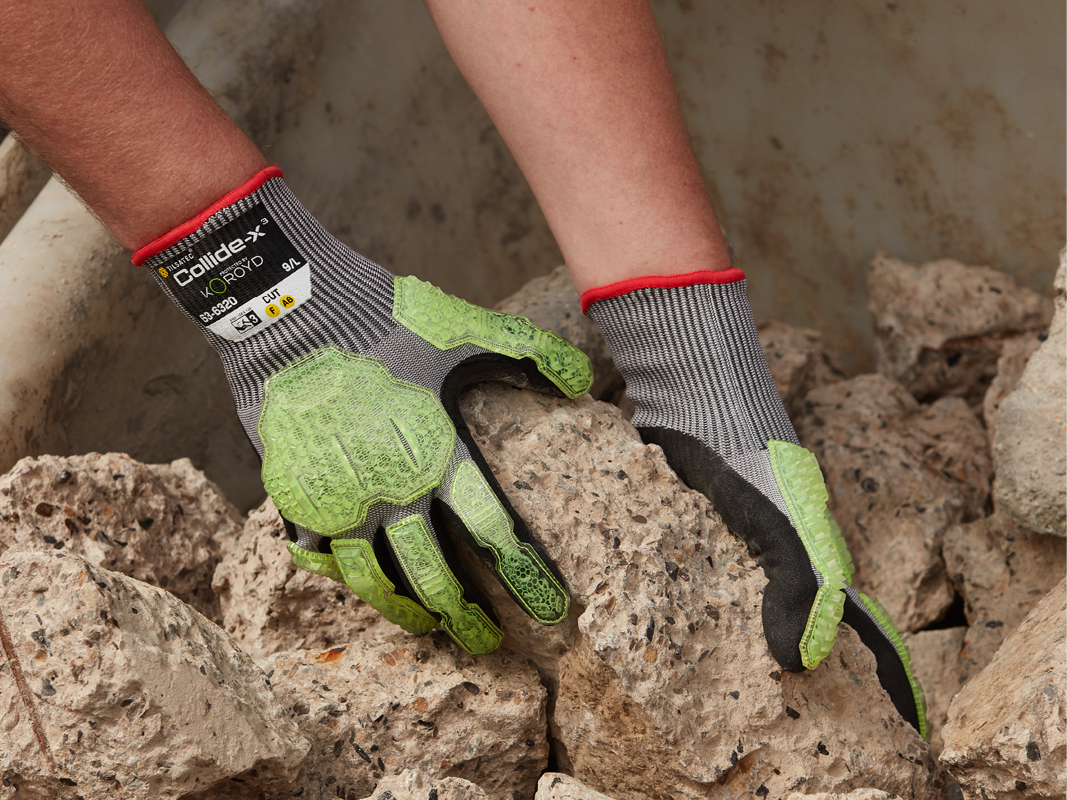
Credit: tilsatec.com
Choosing The Right Gloves
Using chemical-resistant gloves is important for DIY projects that involve harsh substances. Picking the right gloves keeps your hands safe and comfortable.
Different gloves protect against different chemicals. You should know what types fit your project and hands well.
Types Of Chemical-resistant Gloves
Chemical-resistant gloves come in many types. Each type works best for certain chemicals and tasks.
- Nitrile gloves resist oils and acids well.
- Neoprene gloves protect against oils and some solvents.
- Butyl gloves block gas and ketones.
- Latex gloves work for mild chemicals and liquids.
- PVC gloves shield against acids and alkalis.
Material Comparison
Choosing the glove material depends on the chemicals and your comfort. Different materials offer varying protection and flexibility.
| Material | Chemical Protection | Flexibility | Durability |
|---|---|---|---|
| Nitrile | Good for oils, acids, solvents | High | Moderate |
| Neoprene | Resistant to oils, solvents | Moderate | High |
| Butyl | Best for gases, ketones | Low | High |
| Latex | Light chemical resistance | High | Low |
| PVC | Good for acids, alkalis | Low | High |
Sizing And Fit Tips
Gloves must fit well to protect you and keep your hands comfortable. Too tight gloves cause pain. Too loose gloves reduce safety.
- Measure your hand width across the knuckles.
- Check glove size charts before buying.
- Try gloves on if possible to test fit.
- Choose gloves that allow finger movement easily.
- Replace gloves if they tear or fit poorly.
Preparing For Safe Use
Using chemical-resistant gloves keeps your hands safe during DIY projects. Preparing correctly helps avoid accidents.
Before starting, learn how to check, put on, and use gloves safely. This keeps you protected and your work clean.
Inspecting Gloves For Damage
Always check gloves before use. Look for holes, tears, or cracks that can let chemicals through.
Damaged gloves do not protect you well. Throw them away and get new ones if you find any damage.
- Check both gloves carefully
- Look inside and outside
- Feel for thin or weak spots
- Do not use gloves with visible damage
Proper Donning Techniques
Put gloves on carefully to avoid tearing them. Clean hands help gloves fit better and last longer.
Wear one glove at a time. Avoid touching the outside of the gloves with bare hands.
- Wash and dry your hands before use
- Hold the glove by the cuff
- Slide your hand in gently
- Adjust fingers without stretching too much
- Repeat for the other hand
Avoiding Cross-contamination
Keep gloves clean to stop chemicals spreading. Use one pair per task and do not touch your face.
Remove gloves carefully to avoid touching the outside. Dispose of gloves safely after use.
- Do not touch other surfaces with gloves
- Remove gloves by pulling from the cuff
- Turn gloves inside out when removing
- Wash hands after glove removal
- Use new gloves for new tasks
Best Practices During Projects
Using chemical-resistant gloves is important for safety in DIY projects. These gloves protect your skin from harmful substances.
Follow some simple tips to use these gloves the right way and avoid accidents.
Handling Chemicals Safely
Always wear gloves before touching any chemicals. Avoid direct skin contact to prevent irritation or burns.
- Read chemical labels carefully before use.
- Use gloves that are made for the specific chemical.
- Do not reuse disposable gloves.
- Wash hands after removing gloves.
- Store gloves in a cool, dry place away from chemicals.
Maintaining Dexterity
Good dexterity helps you work safely and efficiently. Choose gloves that fit well and allow good finger movement.
| Glove Type | Dexterity Level | Best Use |
| Nitrile | High | Fine detail work |
| Butyl | Medium | Handling strong solvents |
| Neoprene | Medium | General chemical use |
| Latex | High | Light chemical tasks |
Recognizing Signs Of Glove Failure
Check gloves often for damage. Torn or stiff gloves can let chemicals through.
- Look for cracks, holes, or tears.
- Notice any sticky or swollen areas.
- Discard gloves if you feel chemical odors.
- Replace gloves regularly during long projects.
- Store gloves properly to avoid damage.
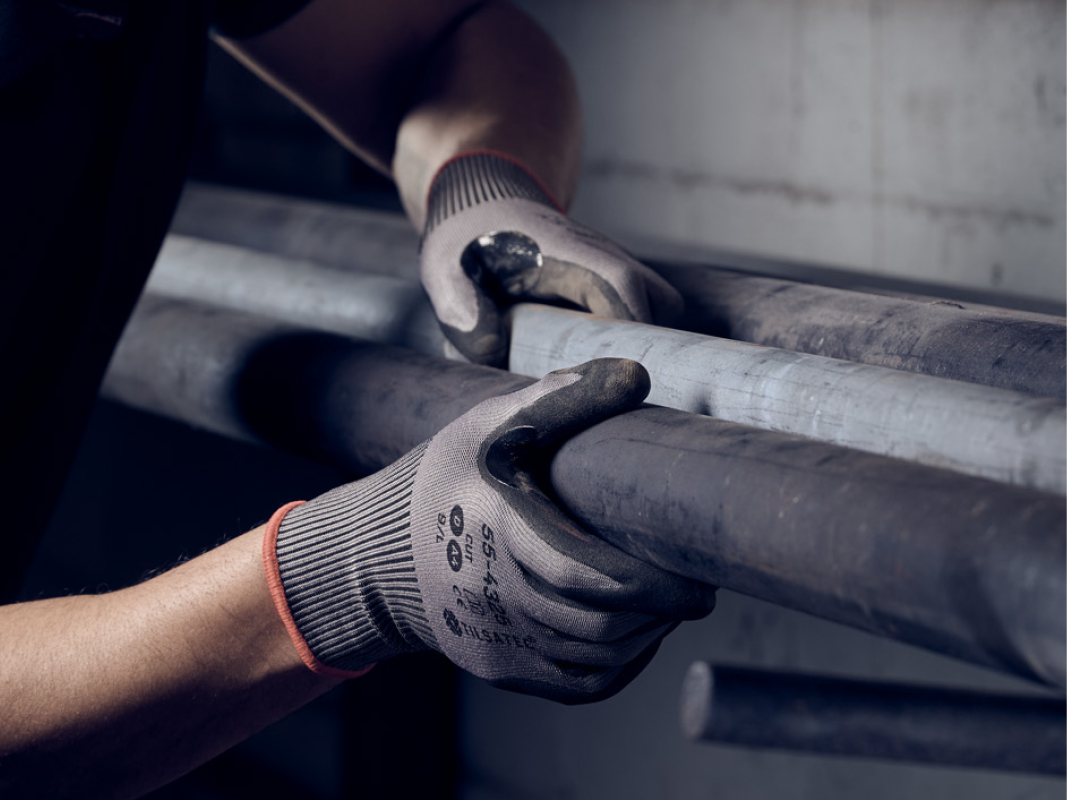
Credit: tilsatec.com
Cleaning And Maintenance
Using chemical-resistant gloves safely means cleaning and caring for them well. Proper maintenance helps gloves last longer and keep you safe during DIY tasks.
Follow these tips to wash, store, and know when to replace your gloves. This keeps them effective and ready for your next project.
Washing Guidelines
Clean your gloves right after use to remove chemicals and dirt. Use mild soap and cool water to avoid damage.
Rinse thoroughly and dry gloves outside or on a clean towel. Avoid direct sunlight or heat sources that can weaken the material.
- Do not use harsh detergents or bleach
- Never wash gloves in hot water
- Dry gloves naturally at room temperature
- Check gloves for holes or cracks after washing
Storage Recommendations
Store gloves in a cool, dry place away from sunlight. Keep them separate from sharp or heavy objects to avoid damage.
Keep gloves flat or hanging to keep their shape. Avoid folding or squeezing gloves tightly during storage.
- Do not store gloves near chemicals or flames
- Keep gloves in a clean, dust-free area
- Use a dedicated container or hook for storage
When To Replace Gloves
Check gloves regularly for signs of wear. Replace them if you see holes, cracks, or stiff spots.
Replace gloves if they feel sticky, swollen, or have a strange smell. Old gloves may not protect you properly.
- Replace gloves after heavy chemical exposure
- Change gloves if they lose flexibility
- Do not reuse disposable gloves
- Keep track of usage time to avoid risks
Disposal And Environmental Considerations
Using chemical-resistant gloves is important for safety during DIY projects. Proper disposal helps protect the environment. Understanding how to throw away gloves safely reduces harm.
Some gloves contain materials that do not break down easily. This can cause pollution if not disposed of correctly. Follow safe methods to keep your home and nature safe.
Safe Disposal Methods
Do not throw used gloves in regular trash without preparation. Chemicals on gloves can leak and pollute soil and water. Use these safe disposal steps to avoid risks.
- Remove gloves carefully to avoid skin contact with chemicals.
- Place gloves in a sealed plastic bag to contain any residue.
- Check local rules for hazardous waste disposal locations.
- Take gloves to a hazardous waste collection site if required.
- Never burn gloves, as this can release toxic fumes.
Minimizing Environmental Impact
Choosing gloves that last longer reduces waste. Reuse gloves only if they are clean and undamaged. Proper storage helps keep gloves in good condition.
| Tip | Benefit |
| Buy durable gloves | Less frequent replacement |
| Store gloves in a cool, dry place | Prevents damage and extends life |
| Clean reusable gloves properly | Allows safe multiple uses |
| Follow disposal instructions | Reduces pollution risks |
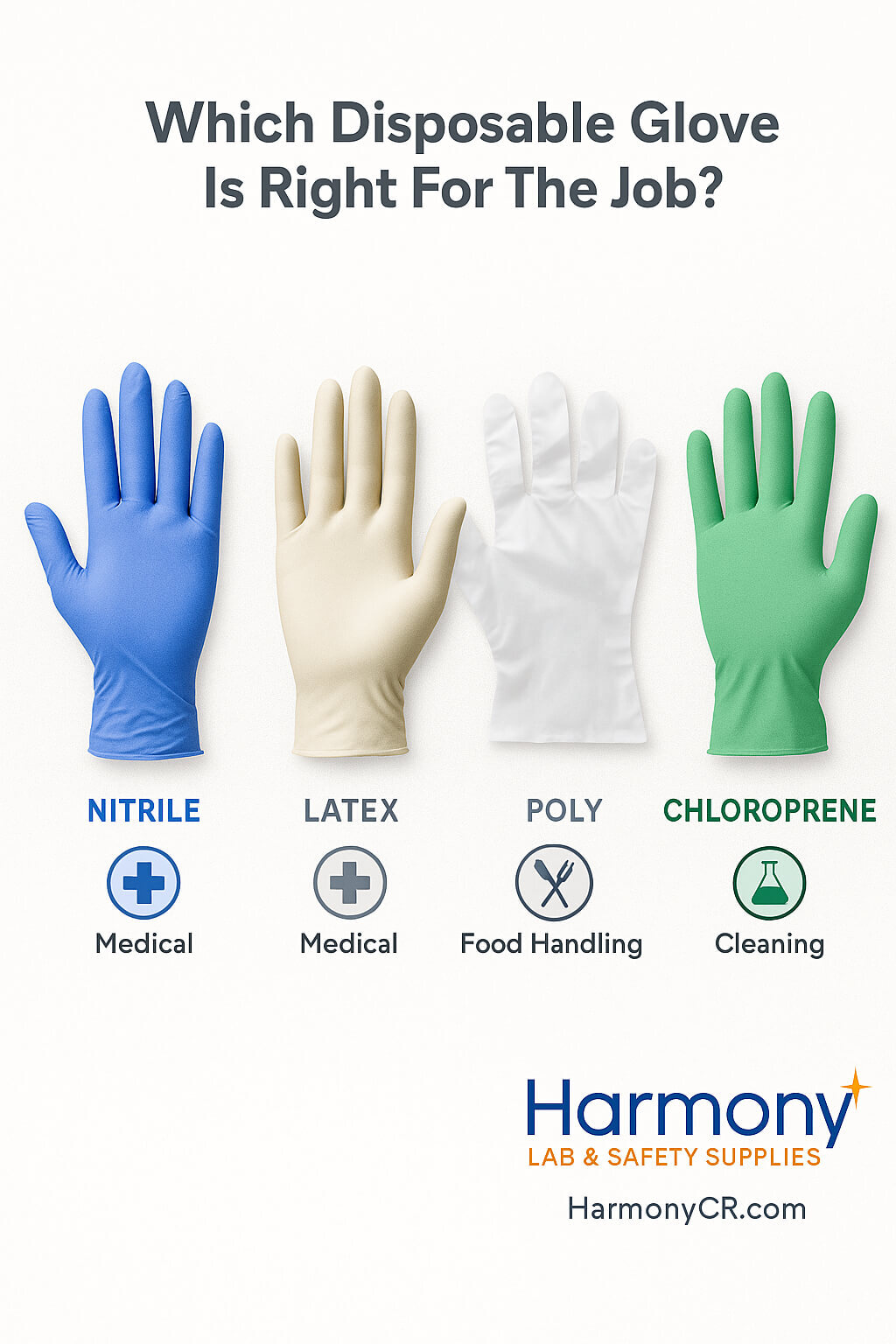
Credit: harmonycr.com
Frequently Asked Questions
What Are Chemical-resistant Gloves Used For In Diy?
Chemical-resistant gloves protect your hands from harmful chemicals. They prevent skin irritation, burns, and allergic reactions during DIY projects. Using them ensures safety when handling solvents, acids, or cleaning agents. Always choose gloves suitable for the specific chemicals you work with.
How To Choose The Right Chemical-resistant Gloves?
Select gloves based on the chemicals you handle. Check glove material compatibility with substances like nitrile, neoprene, or latex. Consider glove thickness and durability for your project. Proper fit is crucial for comfort and protection. Read manufacturer guidelines before use.
Can Chemical-resistant Gloves Be Reused Safely?
Some gloves are reusable if cleaned properly. Inspect gloves for damage or wear before reuse. Follow manufacturer instructions for cleaning and storage. Disposable gloves should be discarded after one use to maintain safety. Always prioritize hygiene and protection.
How To Maintain Chemical-resistant Gloves For Longevity?
Rinse gloves after use with water or appropriate cleaner. Dry gloves completely before storing them in a cool, dry place. Avoid exposure to direct sunlight or heat sources. Regularly inspect gloves for tears or degradation. Proper care extends glove lifespan and effectiveness.
Conclusion
Wearing chemical-resistant gloves keeps your hands safe during DIY tasks. Choose gloves that fit well and match the chemicals you use. Always check gloves for holes or damage before starting work. Clean and store them properly to make them last longer.
Using gloves the right way helps avoid accidents and skin problems. Protect your hands and work confidently with these simple tips. Safety matters most in every DIY project.