When you’re sanding, dust can quickly fill the air and make breathing uncomfortable—or even dangerous. Using the right dust mask isn’t just about comfort; it’s about protecting your lungs and keeping you safe.
But how do you pick the best mask? And how can you make sure it works properly every time? You’ll discover simple, practical tips to help you choose and use dust masks effectively for all your sanding tasks. Keep reading to learn how a few smart steps can make a big difference in your health and your work quality.
Choosing The Right Dust Mask
Using a dust mask protects your lungs from harmful dust during sanding. Picking the right mask keeps you safe and comfortable.
Different masks suit different sanding tasks. Learn about types, filter ratings, and fit to choose well.
Types Of Dust Masks
Dust masks come in several types. Each type offers different protection levels and uses.
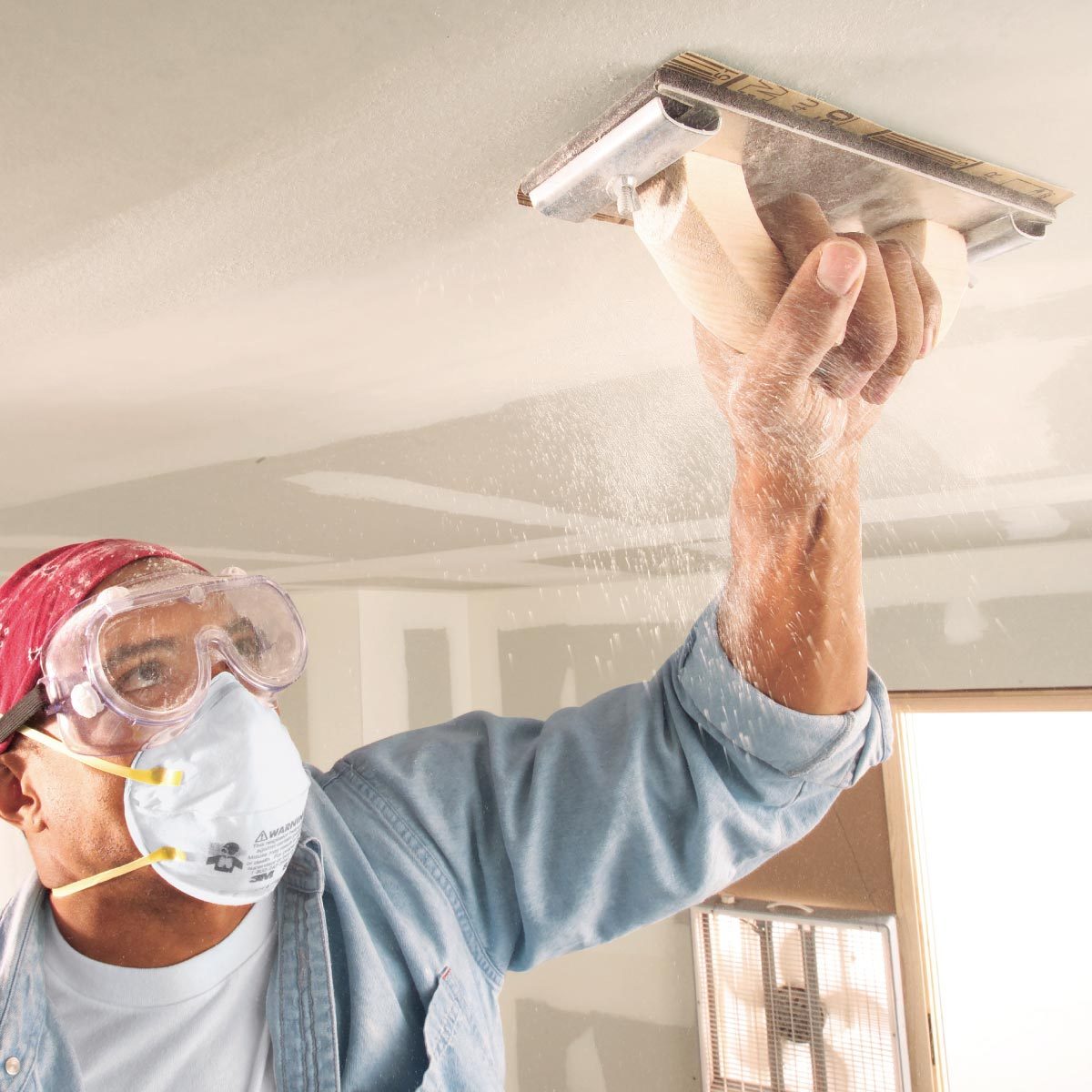
- Disposable masks:Made of paper or fabric. Good for light dust and short use.
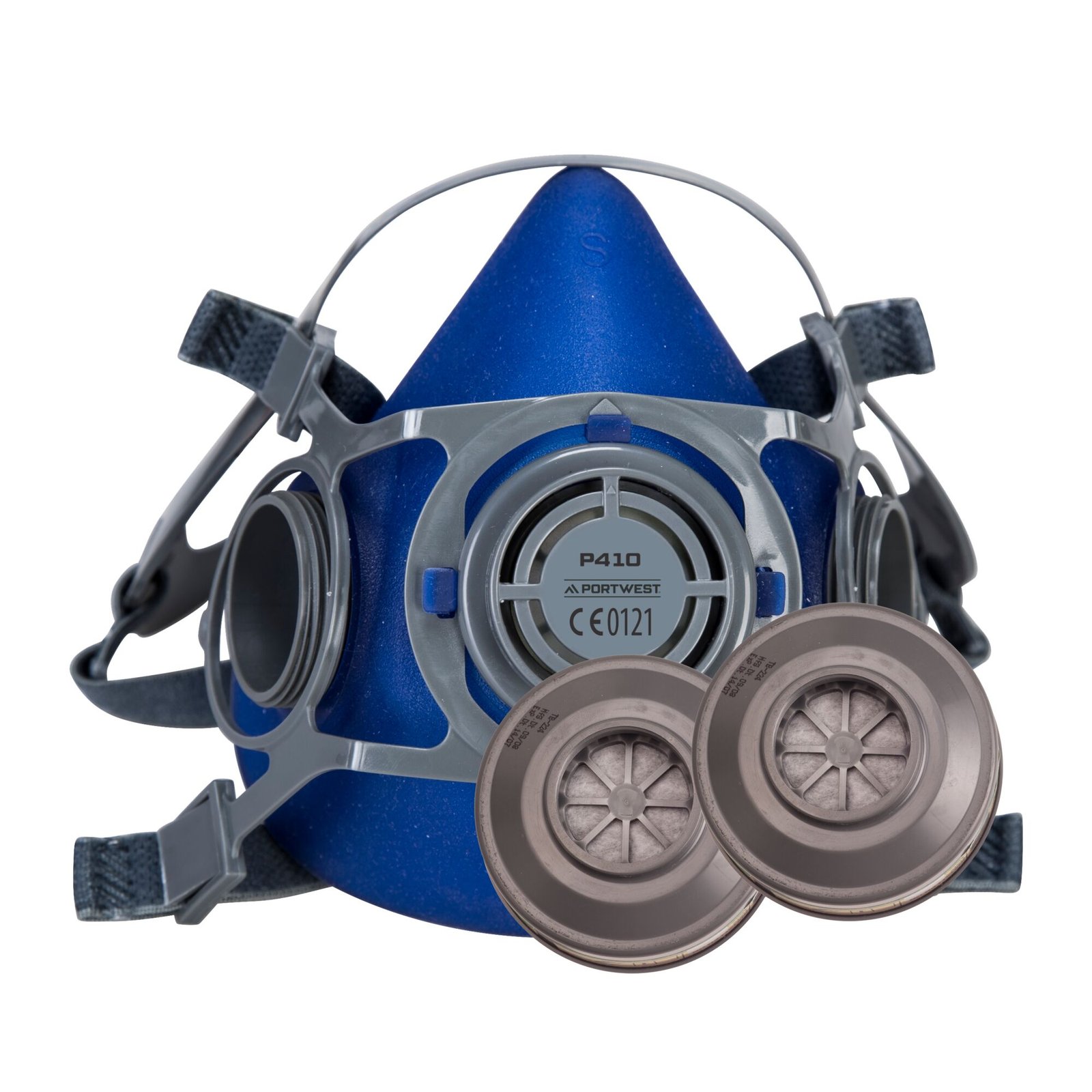
- Half-face respirators:Reusable with replaceable filters. Better for heavy dust.
- Full-face respirators:Cover eyes and face. Used for very dusty or hazardous work.
Filter Ratings To Consider
Filter ratings show how well a mask blocks particles. Choose a rating based on your sanding dust type.
| Filter Rating | Protection Level | Best For |
|---|---|---|
| N95 | Blocks 95% of small particles | General sanding dust and non-oil particles |
| P100 | Blocks 99.97% of particles including oil-based | Heavy dust, chemical fumes, and fine particles |
| R95 | Blocks 95% of particles, resistant to oil | Moderate dust and some oil mist |
Comfort And Fit Factors
Comfort and fit affect how long you can wear a mask. A poor fit lowers protection.
- Look for adjustable nose clips to seal gaps.
- Choose masks with soft, breathable materials.
- Use straps that hold the mask snugly but not tight.
- Test the mask by checking if air leaks around edges.
Preparing For Sanding Tasks
Using a dust mask protects your lungs from harmful particles. Proper preparation helps you work safely and comfortably.
Before sanding, check your dust mask carefully. Make sure it fits well and seals out dust.
Inspecting Your Dust Mask
Look for tears, holes, or broken straps on your mask. A damaged mask cannot protect you properly.
- Check the mask’s surface for cracks or holes
- Make sure the straps are not loose or broken
- Replace filters if your mask uses them
- Confirm the mask is clean and dry
Proper Mask Placement
Place the mask over your nose and mouth. Adjust the straps to hold it tightly but comfortably.
| Mask Part | How to Place |
| Nose Piece | Mold to the bridge of your nose |
| Straps | Position behind your head or ears |
| Mask Body | Cover mouth and nose fully |
Checking For Air Leaks
Air leaks reduce mask protection. Test the mask to find leaks before sanding.
To check for leaks:
- Cover the mask with your hands.
- Exhale gently.
- Feel for air escaping around edges.
- Adjust straps or mask position if you feel leaks.
- Repeat until no air escapes.
Using Dust Masks Correctly
Dust masks protect your lungs from harmful particles during sanding. Using them right keeps you safe and comfortable. Follow simple tips to wear masks properly and get the best results.
Wearing a dust mask is not enough. You must secure it well and know when to replace it. Avoid mistakes that reduce its effectiveness.
Securing The Mask During Work
Make sure the dust mask fits tightly on your face. A good seal stops dust from entering around the edges. Adjust the straps to hold the mask firmly but not too tight.
- Place the mask over your nose and mouth.
- Pull the straps behind your head or ears.
- Pinch the nose clip to fit your nose shape.
- Check for gaps by breathing in and out.
- Re-adjust if air leaks around the edges.
Avoiding Common Mistakes
Many people wear dust masks wrong. This lowers protection and can cause health risks. Watch out for these errors:
| Common Mistake | Why It Is Wrong |
|---|---|
| Wearing the mask under the nose | Dust enters easily through the nose. |
| Using a loose mask | Air leaks reduce filtration. |
| Reusing disposable masks too long | Mask loses filtering power and becomes dirty. |
| Touching the mask often | Hands can transfer germs to the mask. |
When To Replace Your Mask
Dust masks do not last forever. Replace them to keep safe. Signs to change your mask include:
- The mask becomes wet or damp.
- You notice difficulty breathing through it.
- The mask is dirty or damaged.
- You have used it for a full sanding session.
Credit: www.familyhandyman.com
Maintaining And Storing Dust Masks
Using dust masks properly helps protect you from harmful particles. Keeping them clean and stored well makes them last longer.
This guide covers how to clean reusable masks, store masks safely, and dispose of disposable ones.
Cleaning Reusable Masks
Wash reusable dust masks after each use to remove dust and dirt. Use mild soap and warm water. Let them dry completely before the next use.
- Remove filters before washing, if possible.
- Hand wash gently to avoid damage.
- Air dry in a clean area away from direct sunlight.
- Do not use bleach or harsh chemicals.
Safe Storage Practices
Store dust masks in a clean, dry place. Avoid areas with dust or moisture. Keep masks in a sealed container or plastic bag.
| Storage Tip | Reason |
| Keep masks away from direct sunlight | Sunlight can weaken mask materials |
| Use airtight containers or bags | Prevents dust and moisture buildup |
| Label containers for easy identification | Helps track mask usage and cleanliness |
| Store masks separately from chemicals | Chemicals may damage mask filters |
Disposal Of Disposable Masks
Dispose of disposable dust masks after one use. Do not try to clean or reuse them. Use a sealed trash bag to throw them away.
- Remove mask carefully to avoid dust exposure.
- Place mask in a plastic bag before trashing.
- Wash your hands after disposal.
- Follow local rules for disposing of protective gear.
Additional Safety Tips For Sanding
Using dust masks helps protect your lungs during sanding. You need more safety steps to stay safe.
These tips cover ventilation, eye and ear protection, and handling dust safely.
Using Ventilation Systems
Ventilation lowers dust in the air. It helps keep your workspace clean and safe.
Use fans or open windows to move fresh air through the room. Dust collectors also work well.
- Place fans near sanding area to push dust outside
- Keep windows open if weather allows
- Use dust collectors attached to sanding tools
- Run ventilation systems before and after sanding
Wearing Eye And Ear Protection
Wear safety goggles to protect your eyes from dust and debris. Eye injuries can happen fast.
Use earplugs or earmuffs to protect your hearing. Sanding tools can be loud for long periods.
- Choose goggles that fit well and seal around your eyes
- Pick ear protection with good noise reduction
- Check your gear before starting work
- Replace damaged protection immediately
Handling Dust Particles Safely
Dust from sanding can harm your health if you breathe it or touch it. Handle dust carefully.
Clean up dust with a vacuum that has a HEPA filter. Avoid sweeping or using compressed air.
- Wear gloves when cleaning dust to protect your skin
- Use wet cloths to wipe surfaces and reduce dust spread
- Dispose of dust waste in sealed bags
- Wash hands and face after sanding and cleanup
Credit: treecarezone.com

Credit: www.amazon.com
Frequently Asked Questions
How Do Dust Masks Protect During Sanding?
Dust masks protect by filtering harmful particles from the air. They prevent inhalation of dust and debris. Using a well-fitted mask reduces the risk of respiratory issues. Always choose a mask with the appropriate filter for your sanding task.
Can I Reuse A Dust Mask For Sanding?
Reusing dust masks is not recommended. Single-use masks lose effectiveness after exposure to dust. Reusable masks should be cleaned and maintained according to the manufacturer’s instructions. Always check the condition before each use.
What Type Of Dust Mask Is Best For Sanding?
For sanding, use an N95 or P100 mask. These masks effectively filter fine particles and provide better protection. Ensure a snug fit around the nose and mouth. Check for certification labels to ensure quality and effectiveness.
How Tight Should A Dust Mask Fit?
A dust mask should fit snugly against the face. It should cover both nose and mouth without gaps. Adjustable nose clips and straps help achieve a better fit. Always perform a seal check before starting your sanding task.
Conclusion
Wearing a dust mask keeps you safe during sanding jobs. It stops dust from entering your lungs. Choose the right mask for the task at hand. Make sure it fits snugly on your face. Replace masks when they get dirty or hard to breathe through.
Keep your work area clean to reduce dust. Protecting your health should always be a priority. A good dust mask makes sanding safer and easier. Stay safe and work smart every time you sand.