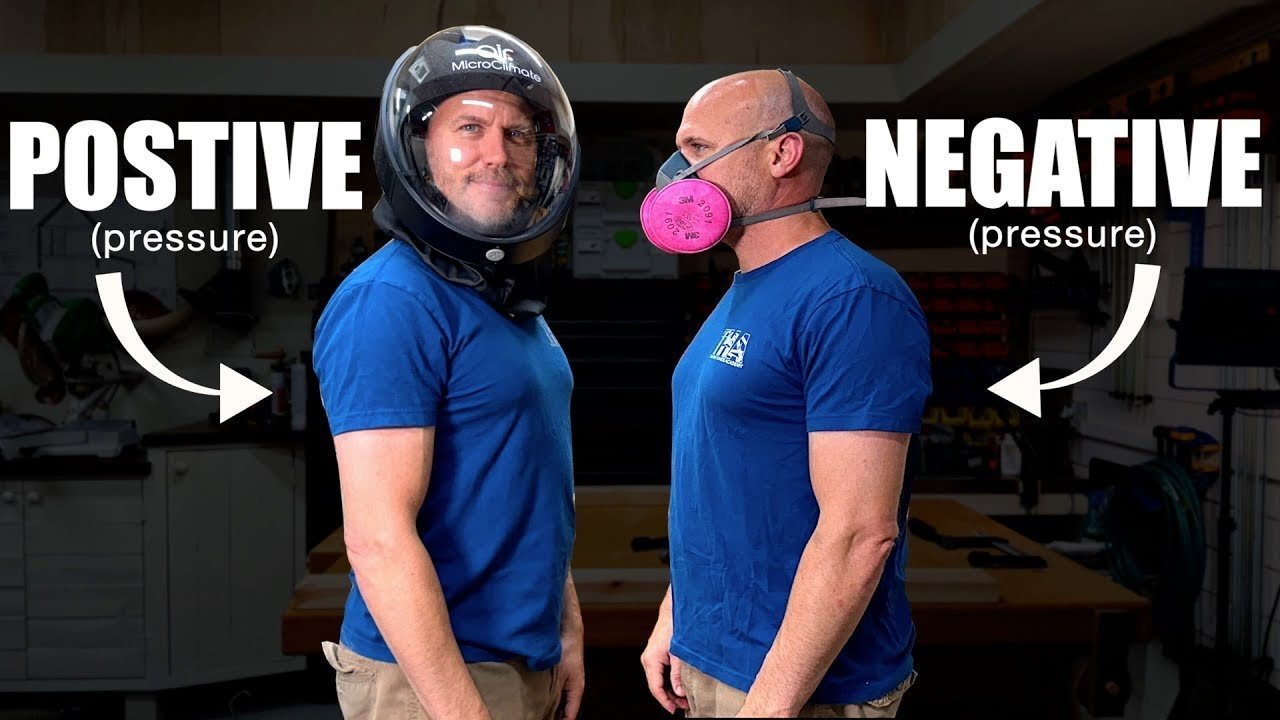
Sanding wood can be a rewarding task, transforming rough surfaces into smooth finishes. But as you dig into your woodworking projects, there’s an invisible enemy lurking in the air—dust.
Breathing in wood dust isn’t just uncomfortable; it can also pose serious health risks. This is where a dust mask becomes your best friend. But are you using it correctly? You’ll discover essential tips for using dust masks while sanding wood.
These tips are not just about safety; they’re about enhancing your comfort and efficiency. Imagine working confidently, knowing you’re protected and breathing easy. Keep reading to learn how you can make this happen, ensuring that your woodworking projects are as safe as they are satisfying.
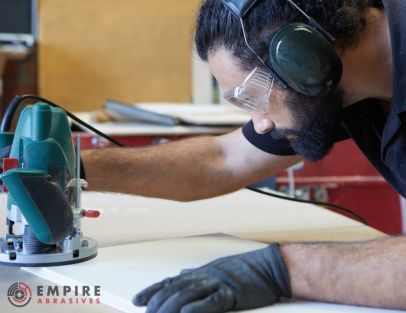
Credit: www.empireabrasives.com
Choosing The Right Dust Mask
Protecting your lungs is important when sanding wood. Dust masks help keep tiny particles out of your airways. Picking the right mask makes your work safer and more comfortable.
Different masks suit different sanding jobs. This guide shows you how to choose the best one for your needs.
Types Of Dust Masks
There are several types of dust masks. Each offers different levels of protection. Some are disposable, and others can be reused with new filters.
- Cloth Masks:Basic protection. Not good for fine wood dust.
- Disposable Masks:Usually N95 rated. Blocks most small particles.
- Half-Face Respirators:Reusable with replaceable cartridges. Offers better protection.
- Full-Face Respirators:Covers eyes and face. Best for heavy dust.
Filter Ratings To Consider
Filter ratings show how well a mask blocks particles. Choose one based on the dust size and amount.
| Rating | Protection Level | Best Use |
|---|---|---|
| N95 | Blocks 95% of small particles | Light to medium sanding |
| N99 | Blocks 99% of small particles | Heavier sanding jobs |
| P100 | Blocks 99.97% of particles and oil-based fumes | Very dusty or oily environments |
Fit And Comfort
A mask that fits well keeps dust out better. Comfort helps you wear it longer without pain.
- Check for adjustable nose clips to seal around your nose.
- Look for masks with soft edges to avoid skin irritation.
- Choose masks with straps that hold tight but do not hurt.
- Try masks with exhalation valves for easier breathing.

Credit: sanding-wood-floors.co.uk
Preparing For Sanding
Before sanding wood, you need to prepare properly to protect yourself. Dust masks help keep harmful dust out of your lungs.
Using the right safety gear and workspace will make sanding safer and easier.
Inspecting The Mask
Check your dust mask before use. Look for tears, holes, or dirty filters. A damaged mask will not protect you well.
- Make sure the straps are strong and stretch well.
- Check that the nose piece fits snugly.
- Replace the mask if it smells or feels clogged.
- Use masks rated for fine dust, like N95 or higher.
Additional Protective Gear
Along with a dust mask, wear other gear to keep safe. Sanding creates dust that can irritate your eyes and skin.
| Protective Gear | Purpose |
| Safety Goggles | Shield eyes from dust and debris |
| Gloves | Protect hands from splinters and chemicals |
| Long Sleeves | Keep dust off your skin |
| Hearing Protection | Reduce noise from sanding machines |
Setting Up A Safe Workspace
Prepare your work area to reduce dust spread and stay safe. Good setup helps control dust and avoid accidents.
- Work in a well-ventilated space or use a dust extractor.
- Cover floors and furniture to catch dust.
- Clear the area of flammable materials.
- Keep tools organized and cords out of the way.
- Have a first aid kit nearby in case of injury.
Proper Mask Usage
Using dust masks correctly helps protect your lungs from wood dust. This guide covers key points for safe sanding.
Follow these tips to wear your mask properly and avoid common errors that reduce its effectiveness.
Correct Wearing Techniques
Place the mask over your nose and mouth before sanding. Make sure it fits comfortably without gaps.
- Wash hands before putting on the mask.
- Position the mask so it covers both nose and mouth fully.
- Use the nose clip to shape the mask around your nose.
- Secure straps behind your head or ears without twisting.
- Avoid touching the mask while working.
Ensuring A Secure Seal
A good seal prevents dust from entering around the edges. Check the fit before starting work.
| Seal Check Method | What to Look For |
| Cover mask with hands | Feeling no air leaks when breathing out |
| Adjust nose clip | Mask stays snug without gaps |
| Reposition straps | Mask feels tight but not painful |
Avoiding Common Mistakes
Some errors reduce mask effectiveness. Avoid these to keep safe during sanding.
- Wearing the mask below the nose
- Using a damaged or dirty mask
- Reusing disposable masks without cleaning
- Not checking the seal before work
- Touching the mask often and transferring dust to hands
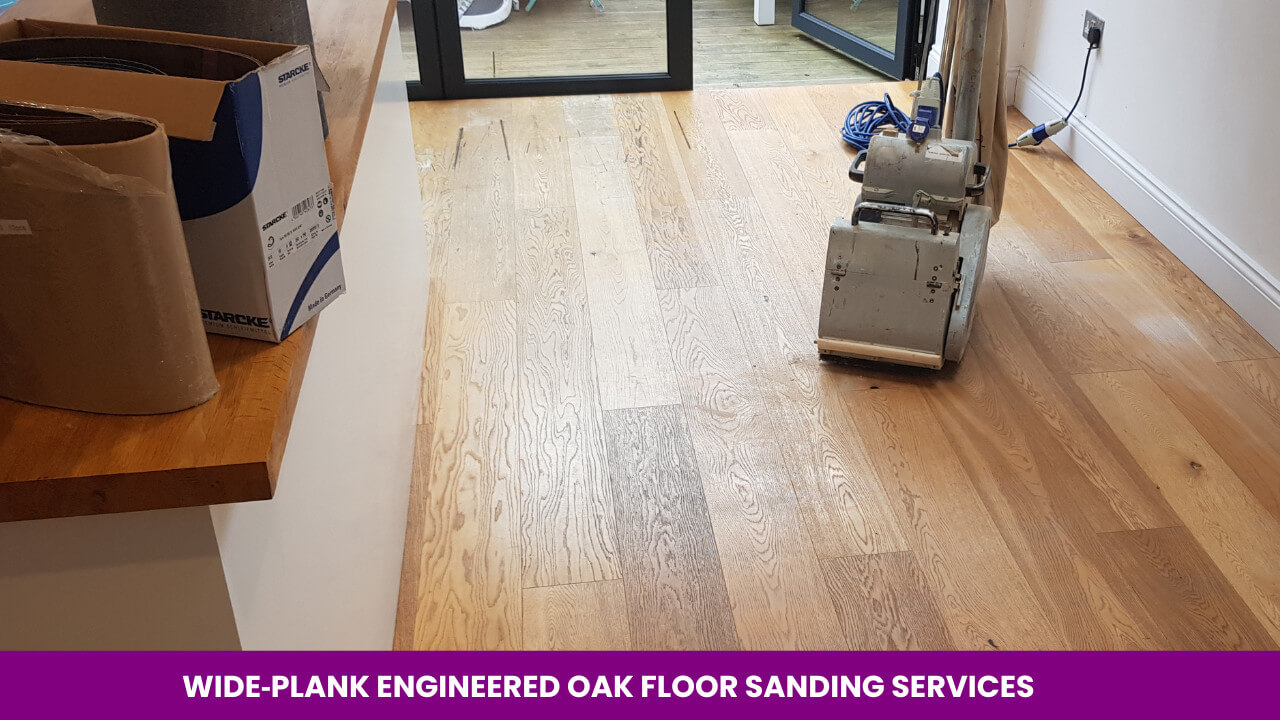
Credit: mrsander.co.uk
Maintenance And Replacement
Dust masks protect your lungs when sanding wood. Keeping them clean and knowing when to replace them is very important. This guide helps you maintain your dust masks for safety and comfort.
Proper care extends the life of reusable masks. It also helps you avoid breathing harmful dust that can cause health problems over time.
Cleaning Reusable Masks
Reusable dust masks need regular cleaning to stay effective. Follow these steps to clean your mask safely and keep it working well.
- Remove filters before washing the mask body.
- Use warm water and mild soap to wash the mask.
- Rinse thoroughly to remove all soap residue.
- Let the mask air dry completely before using again.
- Do not use bleach or harsh chemicals on the mask.
Signs To Replace Masks
Knowing when to replace your dust mask is key to protection. Look for these signs that mean it is time to get a new mask.
| Sign | Reason |
|---|---|
| Mask is torn or damaged | Air can leak through, reducing protection |
| Straps are loose or broken | Mask will not fit securely on your face |
| Filters are clogged or dirty | Breathing becomes harder and less safe |
| Mask smells bad or is stained | Can indicate mold or bacteria growth |
Storage Tips
Store your dust masks properly to keep them clean and ready to use. Good storage helps avoid damage and contamination.
- Keep masks in a clean, dry place away from sunlight.
- Store masks in a sealed container or plastic bag.
- Avoid placing heavy items on top of masks.
- Label storage containers with the date of last use.
- Check masks before each use for any signs of damage.
Health And Safety Tips
Using dust masks while sanding wood protects your lungs. Dust from wood can cause health problems if inhaled.
Follow safety tips to keep yourself safe and comfortable during sanding work.
Recognizing Dust Exposure Symptoms
Wood dust can cause coughing, sneezing, and a sore throat. Your eyes may water or feel itchy.
Watch for trouble breathing, chest tightness, or skin irritation. These signs mean you need to stop and protect yourself.
- Coughing and sneezing
- Sore or dry throat
- Watery or itchy eyes
- Difficulty breathing or chest tightness
- Skin irritation or rash
Taking Breaks During Sanding
Take regular breaks to reduce dust exposure. Short pauses help your body recover and lower health risks.
Use break time to remove your mask safely and breathe fresh air. Avoid touching your face before washing hands.
- Stop sanding every 30 to 60 minutes
- Remove dust mask away from dusty areas
- Breathe clean air during breaks
- Wash hands before touching your face
Ventilation And Air Quality
Good ventilation lowers dust in the air. Work in open areas or use fans to move air away from you.
Keep windows and doors open if possible. Use air filters or dust collectors to improve air quality.
- Sand in well-ventilated spaces
- Use fans to direct dust outside
- Open windows and doors during work
- Employ dust collectors or air filters
Frequently Asked Questions
What Type Of Dust Mask Is Best For Sanding Wood?
A N95 respirator mask is best for sanding wood. It filters out fine wood dust particles effectively. Avoid simple cloth masks as they don’t provide enough protection.
How Should A Dust Mask Fit When Sanding Wood?
A dust mask should fit snugly over your nose and mouth. Ensure no gaps are present to prevent dust inhalation. Adjust the straps for a secure, comfortable fit before sanding.
Can I Reuse Dust Masks After Sanding Wood?
Most disposable dust masks are for single use only. Reusing them reduces their effectiveness and risks exposure to dust. Use a fresh mask for each sanding session for safety.
Why Is Wearing A Dust Mask Important For Sanding Wood?
Wood dust can cause respiratory problems and allergic reactions. Wearing a dust mask protects your lungs from harmful dust particles. It reduces health risks during prolonged sanding tasks.
Conclusion
Using a dust mask keeps your lungs safe during wood sanding. Always choose the right mask for the job. Fit the mask snugly to avoid dust leaks. Replace masks regularly to maintain good protection. Clean your work area to reduce dust buildup.
These small steps make a big difference in safety. Stay careful and protect your health every time. Sanding wood can be safe and easy with proper masks. Keep these tips in mind for better results.