Are noisy tools leaving your ears ringing? Whether you’re a DIY enthusiast or a professional working with loud equipment, protecting your hearing is crucial.
Ear muffs can be your best friend in these situations, offering a simple yet effective way to guard against noise-induced hearing loss. But are you using them correctly? You might be surprised by how a few small adjustments can make a big difference in comfort and effectiveness.
You’ll discover practical tips to enhance your experience with ear muffs. Let’s ensure your ears stay safe, so you can keep doing what you love without worrying about the noise. Ready to learn how to make the most of your ear muffs? Keep reading to find out!
Choosing The Right Ear Muffs
Ear muffs protect your ears from loud noises made by tools. Picking the right ear muffs is important for safety and comfort.
Different ear muffs suit different needs. Knowing about types, noise reduction, and fit helps you make a good choice.
Types Of Ear Muffs
There are several types of ear muffs for noisy tools. Some block noise fully, while others reduce it partially.
- Passive ear muffs use thick pads to block sound.
- Electronic ear muffs reduce loud sounds but let you hear soft noises.
- Bluetooth ear muffs allow communication and music while protecting ears.
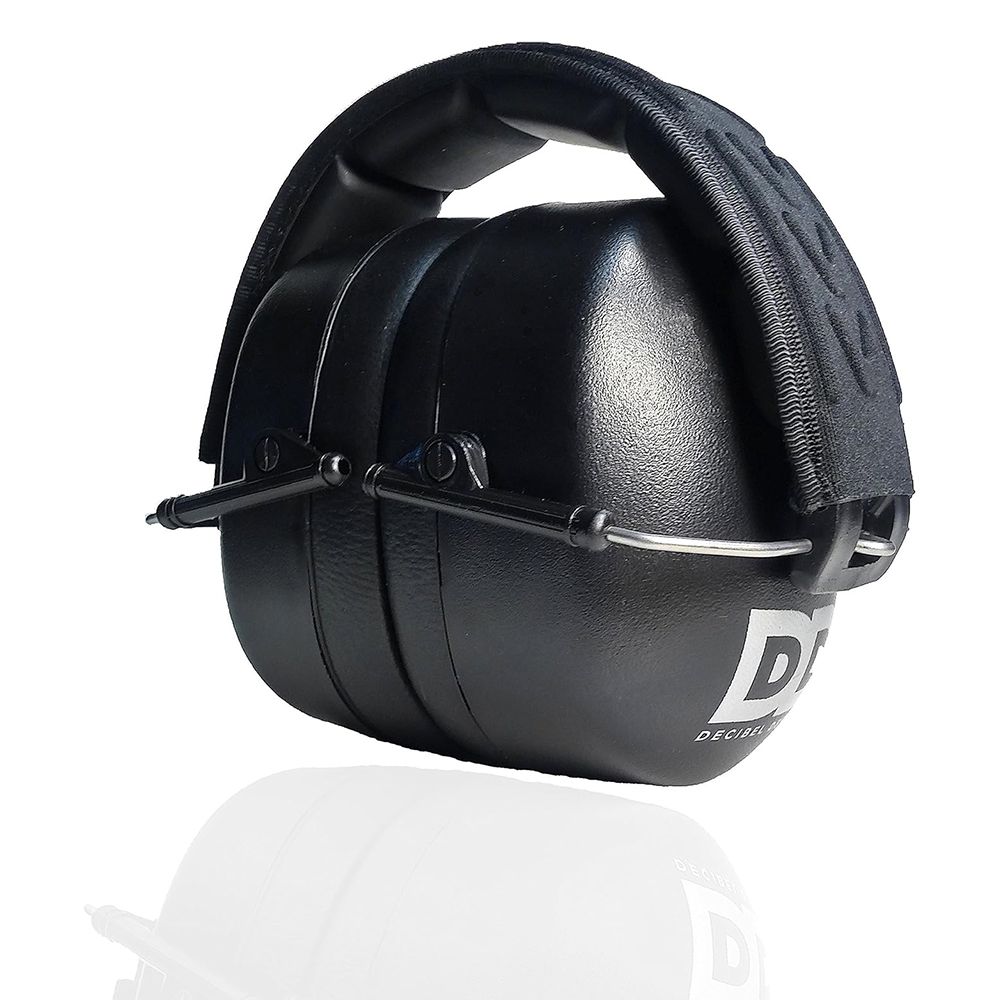
- Over-the-head ear muffs cover ears fully with an adjustable band.
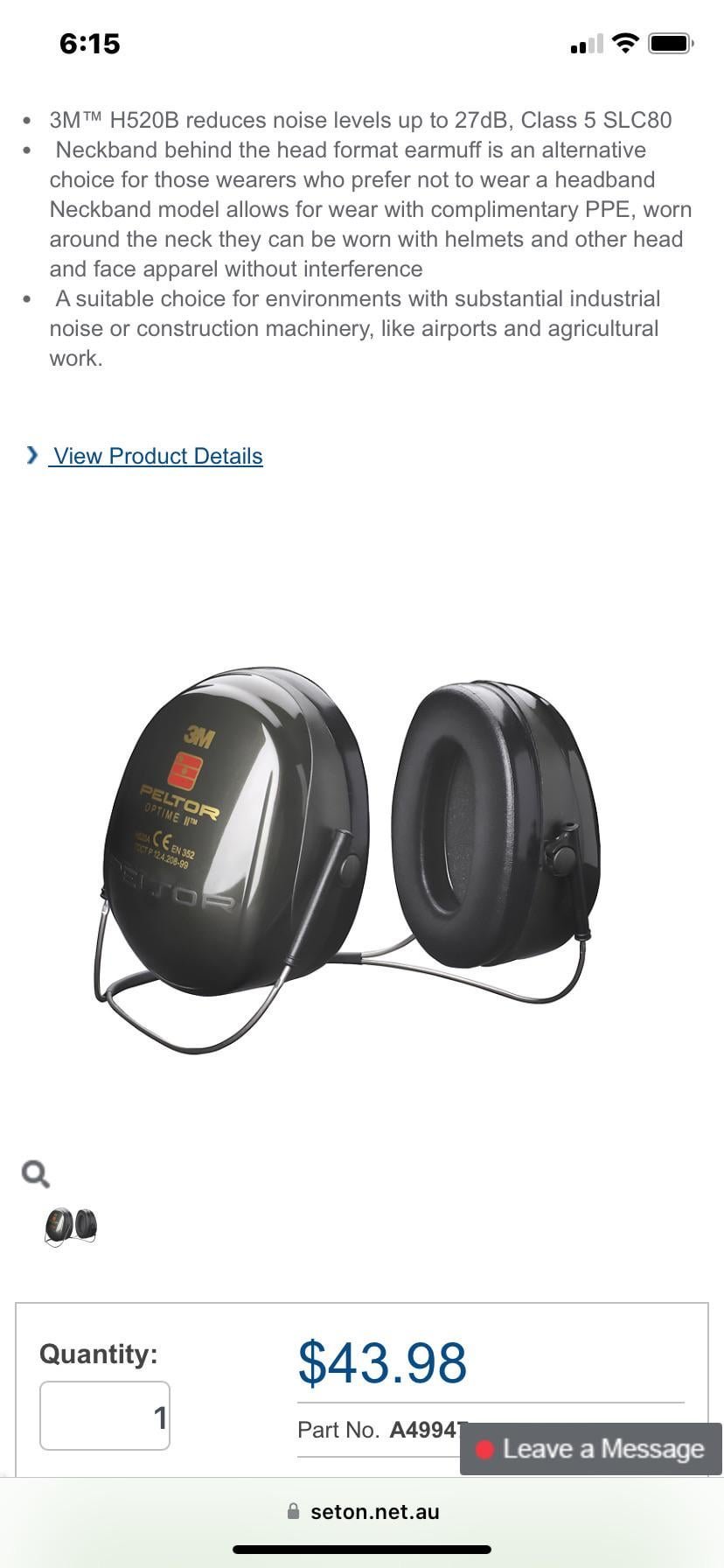
- Behind-the-head ear muffs have a band that sits behind your neck.
Noise Reduction Ratings
Noise Reduction Rating (NRR) shows how well ear muffs block sound. Higher numbers mean better protection.
| NRR Value | Noise Level Reduction |
| 15-20 dB | Low noise areas |
| 21-25 dB | Moderate noise areas |
| 26-30 dB | High noise areas |
| Above 30 dB | Very loud noise environments |
Comfort And Fit
Good comfort and fit keep ear muffs on longer and protect better. Look for soft cushions and adjustable bands.
Check these points for comfort and fit:
- The cushions should seal around your ears without pressure.
- Adjust the headband to fit snugly but not tight.
- Choose lightweight models for long use.
- Try ear muffs with padding on the headband.
- Test ear muffs with your tools to ensure comfort.
Proper Usage Techniques
Using ear muffs correctly protects your hearing from loud noises. Proper techniques help you get the best protection while staying comfortable.
Follow these tips to use ear muffs safely and effectively with noisy tools.
Correct Placement
Place ear muffs so the cushions fully cover your ears. The headband should rest firmly on top of your head. Avoid gaps between the cushions and your skin.
Ensuring A Secure Seal
- Check that cushions are clean and soft to fit snugly.
- Avoid hair or glasses breaking the seal around your ears.
- Adjust the headband tension to keep ear muffs tight but comfortable.
- Replace worn or damaged cushions to keep a good seal.
Adjusting For Long-term Use
| Adjustment Tip | Reason |
| Loosen headband slightly | Reduce pressure on head and ears |
| Take short breaks | Prevent discomfort and sweating |
| Use ear muffs with soft cushions | Increase comfort over long periods |
| Keep ear muffs clean | Maintain hygiene and fit |
Maintenance And Care
Taking good care of your ear muffs helps them last longer. Clean and store them properly to keep them effective. Regular maintenance also keeps them comfortable to wear.
Using ear muffs with noisy tools means they face dirt, sweat, and wear. Simple care steps protect your hearing and your equipment.
Cleaning Tips
Clean ear muffs after each use. Dirt and sweat can cause damage and reduce comfort. Use a soft cloth to wipe the surface and ear cushions.
- Remove ear cushions if possible for a deeper clean
- Use mild soap and water for cleaning cushions
- Do not soak electronic parts if your ear muffs have them
- Dry all parts fully before reassembling
Storage Recommendations
Store ear muffs in a cool, dry place away from sunlight. Heat and moisture can damage the materials. Keep them in a clean case or bag.
- Avoid placing heavy objects on ear muffs
- Keep them away from sharp tools or edges
- Store them where dust and dirt are minimal
When To Replace Ear Muffs
Ear muffs lose protection over time. Replace them if they show cracks or wear. Also change them if cushions become hard or misshaped.
- Replace cushions every 6 to 12 months if used often
- Change ear muffs if they no longer fit tightly
- Replace immediately after any damage or breakage
Credit: www.tataneu.com
Combining Ear Muffs With Other Safety Gear
Ear muffs protect your ears from loud noise. You can use them with other safety gear to stay safe.
Using ear muffs together with other equipment helps protect your head, eyes, and ears fully.
Using Ear Muffs With Earplugs
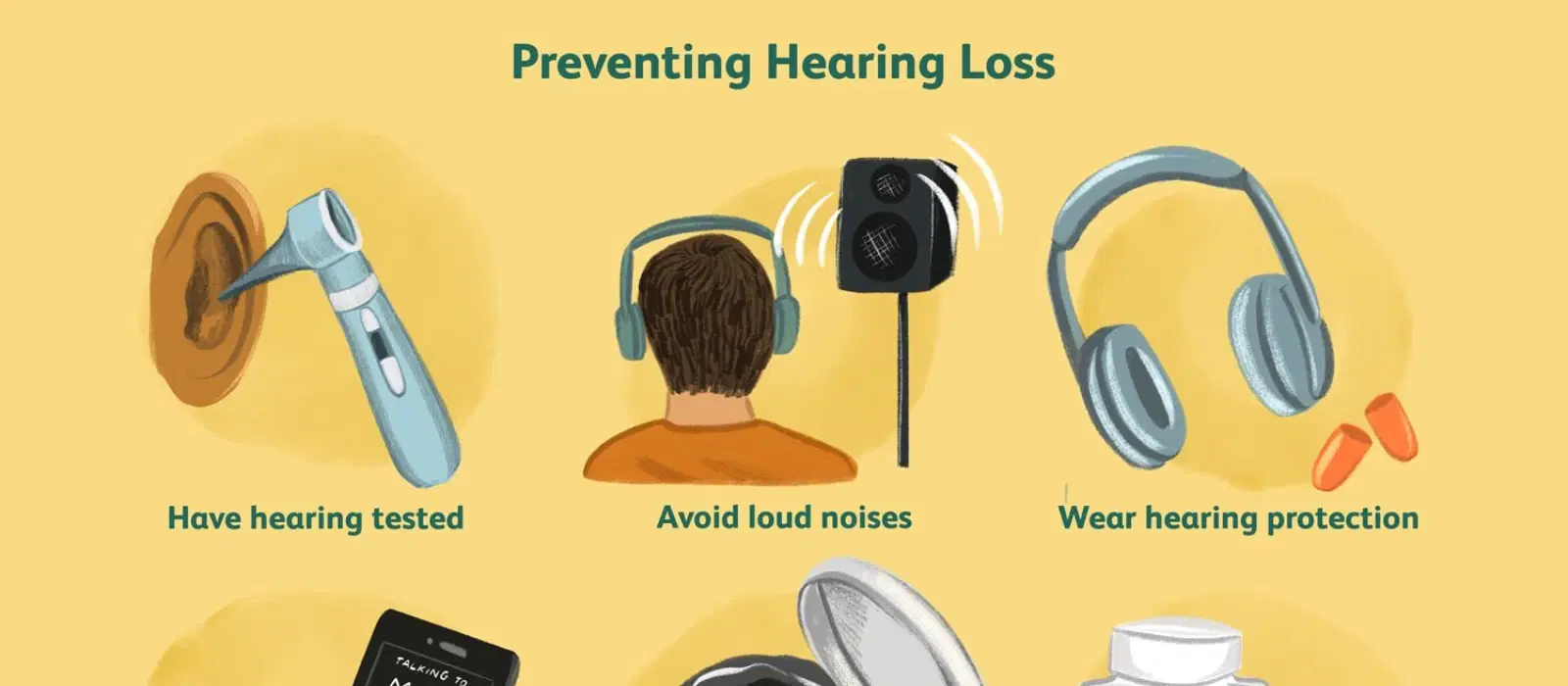
Wearing earplugs under ear muffs gives extra noise protection. This is good in very loud places.
Earplugs fit inside your ear canal. Ear muffs cover your whole ear to block sound.
- Insert earplugs before putting on ear muffs
- Check earplugs fit well and feel comfortable
- Use both for long work hours in noisy areas
- Clean ear muffs and replace earplugs often
Integration With Helmets And Glasses
Ear muffs should fit well with helmets and safety glasses. This keeps you safe from head and eye injuries.
Choose ear muffs designed to work with helmets. Adjust the headband for a good fit with glasses.
- Wear ear muffs over helmet straps for a secure fit
- Use slim ear muffs to avoid pressure on glasses
- Check no gaps form between gear and ears
- Test all gear together before starting work
Common Mistakes To Avoid
Using ear muffs with noisy tools protects your hearing. Many people make simple errors that reduce protection. Avoiding these mistakes helps keep your ears safe.
Here are common mistakes to watch out for when using ear muffs. Fixing these issues improves comfort and safety.
Ignoring Fit Issues
Ear muffs must fit well to block noise. A loose fit lets sound enter. Tight ear muffs cause discomfort and may not be worn long enough.
- Check the size before wearing.
- Adjust the headband for a snug fit.
- Make sure ear cushions fully cover your ears.
- Replace worn cushions to keep the seal tight.
Using Damaged Equipment
Damaged ear muffs lose their ability to block noise. Cracked ear cups or torn cushions reduce protection.
| Common Damage | Effect on Protection |
| Cracked ear cups | Noise leaks through gaps |
| Torn ear cushions | Less noise blocking |
| Broken headbands | Poor fit and discomfort |
| Loose parts | Reduced stability |
Inconsistent Usage
Wearing ear muffs only some of the time still risks hearing damage. Noise can harm your ears quickly without steady protection.
Tips for consistent use:
- Put on ear muffs before starting noisy tools.
- Keep them on during breaks near loud noise.
- Store ear muffs in a clean, easy-to-reach place.
- Replace or repair them if damaged to avoid skipping use.
Credit: www.popularmechanics.com
Benefits Of Consistent Ear Muff Use
Using ear muffs every time you work with noisy tools helps protect your hearing. Ear muffs block harmful noise and reduce stress on your ears.
Consistent use also makes your work more comfortable. It helps you focus better on the task and avoid distractions from loud sounds.
Preventing Hearing Loss
Noise from tools can damage your hearing over time. Ear muffs lower the noise level that reaches your ears. Wearing them every time reduces the risk of permanent hearing loss.
- Protect delicate ear cells from loud sounds
- Reduce ringing or buzzing in ears after work
- Help keep your hearing sharp as you age
- Prevent noise-induced hearing problems
Enhancing Concentration And Comfort
Wearing ear muffs can improve your focus while using noisy tools. They reduce distracting noises, helping you work more safely and efficiently.
| Benefit | Explanation |
| Noise Reduction | Blocks loud sounds that can break your focus |
| Comfort | Padded ear cups reduce pressure on ears |
| Less Fatigue | Less noise stress helps you feel less tired |
| Better Safety | Focus improves awareness of your surroundings |

Credit: www.popularmechanics.com
Frequently Asked Questions
How Do Ear Muffs Protect Against Noisy Tools?
Ear muffs reduce noise by sealing around your ears. They block harmful sound waves from noisy tools. This protects your hearing and prevents damage from loud environments. Consistent use of ear muffs ensures long-term ear safety.
What Is The Correct Way To Wear Ear Muffs?
Place ear muffs firmly over your ears, covering them fully. Adjust the headband for a snug fit without discomfort. Ensure no gaps allow noise to enter. Proper fit maximizes noise reduction efficiency.
Can Ear Muffs Be Used With Other Safety Gear?
Yes, ear muffs can be worn with helmets and safety glasses. Choose compatible designs for comfort and protection. Proper combination enhances overall safety without compromising noise reduction.
How Often Should Ear Muffs Be Cleaned And Maintained?
Clean ear muffs weekly to remove dirt and sweat. Use a damp cloth and mild soap; avoid harsh chemicals. Check cushions for wear and replace if damaged. Proper maintenance extends the life and effectiveness of ear muffs.
Conclusion
Using ear muffs helps protect your ears from loud noise. Always wear them properly for the best effect. Choose the right size and fit for comfort. Clean them often to keep them working well. Avoid using noisy tools without ear protection.
Your hearing matters a lot. Stay safe by using ear muffs every time you work with loud tools. Small steps can prevent big problems later. Protect your ears and enjoy quieter, safer work.