Imagine you’re in the middle of a DIY project, power tools buzzing and hammers pounding. Excitement fills the air, but so does a lot of noise.
Have you ever thought about the impact all that noise might have on your ears? Protecting your hearing is crucial, especially during these projects, and ear plugs can be your best friend. But do you know how to use them effectively?
We’ll share simple yet essential tips for using ear plugs during your DIY endeavors. Discover how you can keep your ears safe without compromising on your project’s success. Let’s dive in and ensure your hearing remains as sharp as your crafting skills!
Credit: www.familyhandyman.com
Choosing The Right Ear Plugs
Using ear plugs during DIY projects helps protect your hearing. Picking the right ear plugs makes your work safer and more comfortable.
Consider the type, material, and noise reduction level before buying ear plugs. These factors affect how well they work and how easy they are to wear.
Types Of Ear Plugs
There are several types of ear plugs. Each type offers different comfort and noise protection levels.
- Foam Ear Plugs:Soft, disposable, and easy to use. They expand to fit the ear canal.
- Silicone Ear Plugs:Reusable and moldable. They form a seal around the ear.
- Wax Ear Plugs:Soft and moldable, ideal for a tight fit. They block out water and noise.
- Custom Molded Ear Plugs:Made to fit your ears perfectly. Provide the best comfort and protection.
Material Considerations
Materials affect comfort and durability. Some materials suit sensitive skin better than others.
| Material | Comfort | Durability | Best Use |
| Foam | High | Low (disposable) | Short-term use |
| Silicone | Medium | High | Reusable, wet conditions |
| Wax | High | Medium | Water and noise blocking |
| Custom Molded | Very High | Very High | Long-term, perfect fit |
Noise Reduction Ratings
Noise Reduction Rating (NRR) shows how much noise ear plugs can block. Higher numbers mean better protection.
- Choose ear plugs with an NRR that matches your project noise level.
- For loud tools, pick plugs with NRR 30 or higher.
- For light noise, plugs with NRR 15 to 25 may work well.
- Check product labels for NRR information before buying.
Proper Insertion Techniques
Using ear plugs correctly protects your hearing during DIY projects. Proper insertion helps block loud noises.
Follow simple steps to insert ear plugs safely and comfortably every time.
Preparing Your Ear Canal
Before inserting ear plugs, clean your hands well to avoid irritation. Make sure your ears are dry and free of wax buildup.
Step-by-step Insertion
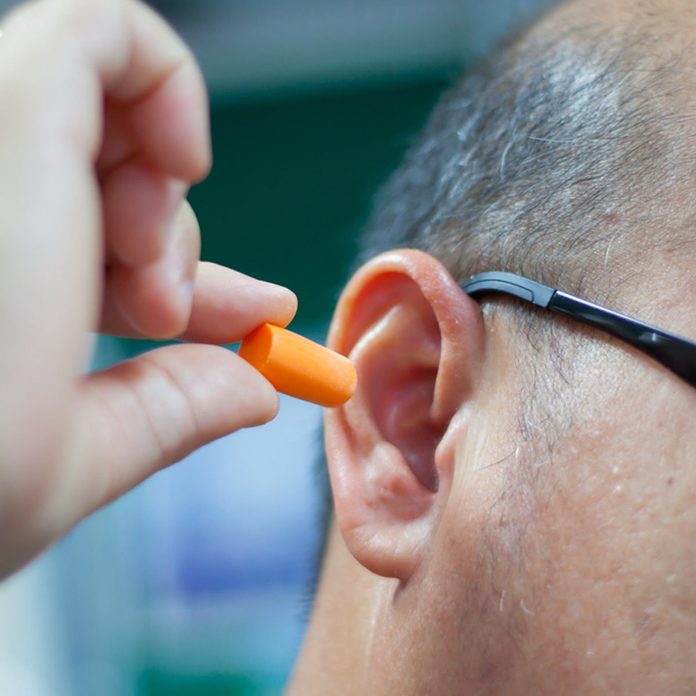
- Roll the ear plug into a small, crease-free cylinder.
- Reach over your head with the opposite hand and gently pull your ear upward to open the ear canal.
- Insert the rolled ear plug deep into the ear canal slowly.
- Hold the ear plug in place for a few seconds until it expands to fill the ear canal.
Ensuring A Secure Fit
| Check | What to Do |
|---|---|
| Comfort | Ear plugs should feel snug but not painful. |
| Noise Reduction | Sounds should be noticeably quieter. |
| Seal | No gaps should be felt around the plug. |
| Stability | Ear plugs should stay in place during movement. |
Maintaining Ear Plug Hygiene
Using ear plugs during DIY projects protects your ears from loud noises. Keeping them clean helps avoid ear infections. Good hygiene also makes ear plugs last longer.
Reusable ear plugs need special care. This guide helps you keep your ear plugs safe and clean.
Cleaning Reusable Ear Plugs
Clean reusable ear plugs after each use. Dirt and earwax can build up and cause discomfort. Use warm water and mild soap for cleaning.
Dry them completely before storing. Do not share ear plugs with others to avoid infections.
- Rinse ear plugs in warm soapy water
- Gently rub to remove dirt and wax
- Rinse with clean water
- Let them air dry on a clean towel
When To Replace Ear Plugs
Replace ear plugs if they get damaged or lose their shape. Old ear plugs may not protect your ears well. Check them regularly for wear and tear.
Disposable ear plugs should be used once and thrown away. Reusable ones need replacing after a few months or if they become hard or sticky.
- Replace disposable plugs after one use
- Replace reusable plugs if damaged
- Replace reusable plugs every 3 to 6 months
- Replace if plugs become hard, sticky, or dirty
Storage Tips
Store ear plugs in a clean, dry place. Keep them in their case or a small container. This keeps dirt and dust away.
Avoid leaving ear plugs in hot or damp areas. Proper storage helps keep them clean and ready for your next project.
- Use a hard case or small container
- Keep away from moisture and heat
- Store in a clean, dry spot
- Do not leave ear plugs exposed

Credit: www.kickstarter.com
Enhancing Comfort During Use
Wearing ear plugs during DIY projects helps protect your hearing. Comfort matters to keep them on for long tasks.
These tips will help you use ear plugs comfortably and safely during your work.
Adjusting For Extended Wear
Long hours with ear plugs can feel uncomfortable. Adjust them properly to avoid pain or pressure.
- Choose ear plugs that fit your ear size well.
- Insert them gently to avoid pushing too deep.
- Use softer materials like foam for better comfort.
- Take short breaks to give your ears some rest.
- Keep ear plugs clean to prevent irritation.
Dealing With Ear Fatigue
Wearing ear plugs for a long time may cause ear fatigue. Your ears might feel tired or sore.
| Cause | Solution |
| Tight fit | Choose a softer or smaller size ear plug |
| Long continuous use | Remove ear plugs for a few minutes every hour |
| Moisture buildup | Use moisture-wicking ear plugs or dry ears before use |
| Incorrect insertion | Follow instructions for proper placement |
Using Ear Plugs With Other Safety Gear
Ear plugs often need to be used with other gear like goggles or helmets. Proper fit matters to keep all equipment comfortable.
- Put on ear plugs before helmets or hats to avoid shifting.
- Check that ear plugs do not block the seal of goggles or masks.
- Choose low-profile ear plugs to fit better with tight gear.
- Adjust straps carefully to prevent pressure on ear plugs.
- Test movement to ensure comfort and safety before work starts.
Safety Tips For Diy Noise Protection
DIY projects can be noisy and harmful to your ears. Using ear plugs helps protect your hearing. Learn how to use them safely.
Following simple safety tips can reduce the risk of hearing damage. Keep your ears safe while you work on your projects.
Combining Ear Plugs With Hearing Protection
Ear plugs alone may not block all loud sounds. Combining them with other hearing protection like earmuffs can offer better defense. Use both for noisy tasks.
- Insert ear plugs properly to seal your ear canal.
- Wear earmuffs over ear plugs for extra noise reduction.
- Check that both ear plugs and earmuffs fit well and feel comfortable.
- Replace ear plugs if they get dirty or lose shape.
Recognizing Dangerous Noise Levels
Some sounds can harm your hearing quickly. Know which noise levels are risky. Loud tools like saws and drills can be dangerous.
| Noise Source | Decibel Level (dB) | Safe Exposure Time |
| Normal conversation | 60 dB | Unlimited |
| Power drill | 95 dB | Less than 1 hour |
| Chainsaw | 110 dB | Less than 15 minutes |
| Gunshot | 140 dB | Instant damage |
Monitoring Hearing Health
Check your hearing regularly if you work with loud tools. Early detection of hearing loss helps you protect your ears better.
- Notice if sounds seem muffled or unclear.
- Ask a doctor for hearing tests every year.
- Stop using loud tools if you feel ringing in your ears.
- Keep using ear plugs and other protection always.

Credit: www.kickstarter.com
Frequently Asked Questions
How Do Ear Plugs Protect Hearing During Diy Projects?
Ear plugs reduce noise exposure by blocking harmful sound levels. They prevent hearing damage caused by loud tools and machinery. Using ear plugs consistently helps maintain long-term ear health during noisy DIY tasks.
What Types Of Ear Plugs Work Best For Diy Projects?
Foam ear plugs are popular for DIY due to comfort and noise reduction. Silicone ear plugs also offer reusable, durable options. Choose plugs with a high Noise Reduction Rating (NRR) for optimal protection.
How Should I Properly Insert Ear Plugs For Diy Work?
Roll foam ear plugs into a tight cylinder before inserting. Gently pull your ear upward to open the canal. Insert the plug fully, then hold it in place until it expands to fit snugly.
Can Ear Plugs Be Reused For Multiple Diy Sessions?
Disposable foam ear plugs are generally single-use for hygiene reasons. Silicone or custom-molded plugs can be cleaned and reused safely. Always follow manufacturer guidelines to ensure ear plug effectiveness and hygiene.
Conclusion
Using ear plugs keeps your ears safe during noisy DIY tasks. Choose the right type for comfort and protection. Always clean or replace them to avoid infections. Wearing ear plugs helps you focus better on your project. Protect your hearing every time you work with loud tools.
Small steps like these make a big difference in safety. Stay safe and enjoy your DIY projects without worry. Your ears will thank you in the long run.