Are you struggling to get a good night’s sleep because of noise? Or maybe you need to focus in a loud environment but find it hard to concentrate.
Earplugs can be a simple solution, but only if you use them the right way. Using earplugs incorrectly can make things worse or cause discomfort. You’ll discover easy and practical tips to use earplugs effectively. By the time you finish reading, you’ll know how to protect your ears, improve your sleep, and enjoy quiet whenever you need it most.
Keep reading to unlock these helpful secrets!
Credit: earinc.com
Choosing The Right Earplugs
Using earplugs can protect your ears from loud noises and help you sleep better. Picking the right earplugs is key to comfort and effectiveness.
There are many types and materials of earplugs. Finding the right fit makes a big difference in how well they work.
Types Of Earplugs
Earplugs come in different styles. Some are disposable, while others are reusable. Each type suits different needs.
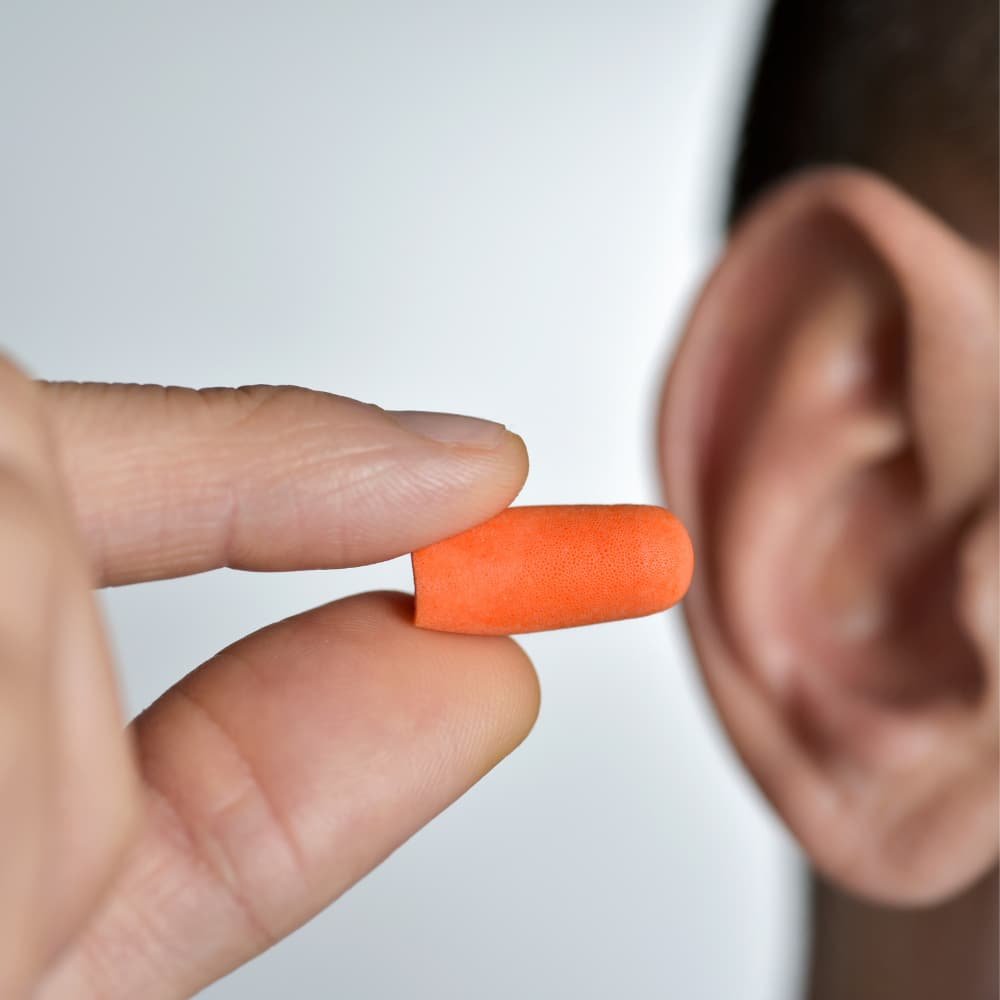
- Foam earplugs expand to fit your ear canal.
- Silicone earplugs can be molded to shape.
- Wax earplugs soften and seal the ear.
- Custom-molded earplugs are made to fit your ears perfectly.
Material Matters
The material affects comfort and noise blocking. Soft materials are gentle on the skin and can reduce irritation.
Foam is cheap and blocks noise well. Silicone is durable and easy to clean. Wax molds to your ear but can be messy.
- Foam: soft, disposable, good for sleeping.
- Silicone: reusable, water-resistant, good for swimming.
- Wax: moldable, good for noise blocking.
- Custom: made from ear impressions, very comfortable.
Finding The Perfect Fit
A good fit stops noise and feels comfortable. Earplugs that are too big or small will not work well.
Try different sizes and shapes. Follow instructions to insert earplugs properly for the best seal.
- Roll foam earplugs tightly before inserting.
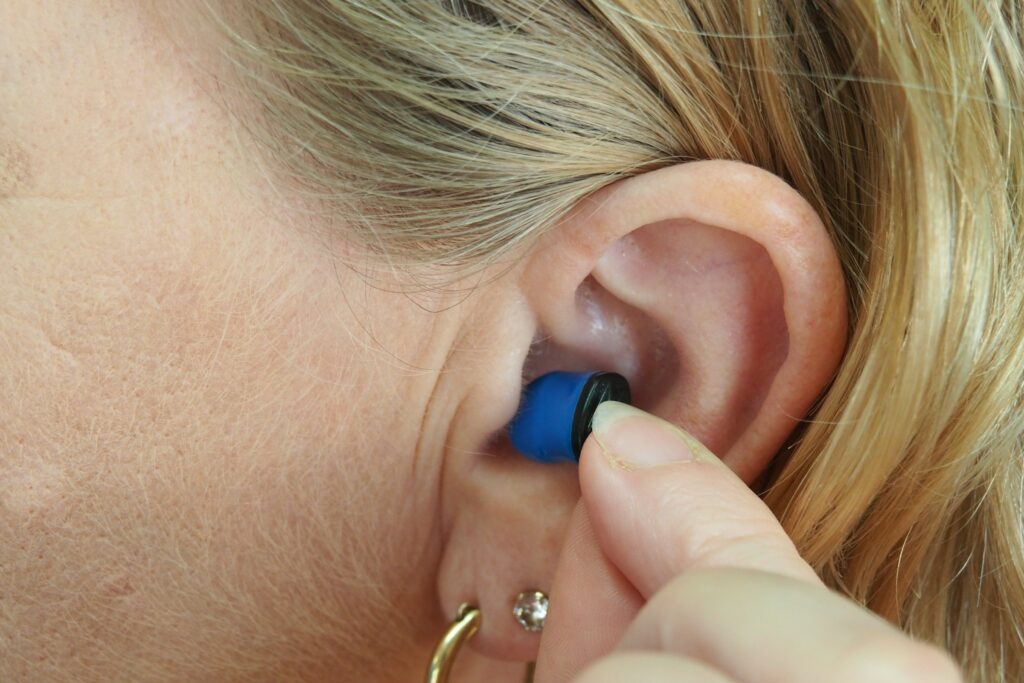
- Push silicone plugs gently into the ear canal.
- Check if earplugs block sound without pain.
- Replace disposable earplugs often for hygiene.
Proper Insertion Techniques
Using earplugs correctly helps protect your ears from loud sounds. Proper insertion improves comfort and effectiveness. Follow these tips for the best fit.
Each step matters to avoid discomfort or damage. Learn how to prepare your ears, insert earplugs, and check the seal.
Preparing Your Ears
Clean ears help earplugs fit better and reduce infection risk. Avoid using cotton swabs inside the ear canal.
- Wash your hands thoroughly before touching your ears or earplugs
- Gently clean the outer ear with a damp cloth
- Remove any visible earwax at the entrance of the ear canal
- Dry your ears completely before inserting earplugs
Step-by-step Insertion
Follow these steps to insert earplugs correctly and comfortably.
- Roll the earplug between your fingers until it is small and thin
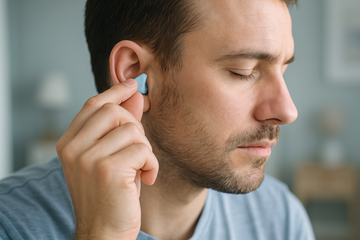
- Reach over your head with the opposite hand and gently pull your ear upward to straighten the ear canal
- Insert the rolled earplug slowly into the ear canal
- Hold the earplug in place for a few seconds to let it expand and seal the canal
Ensuring A Secure Seal
A proper seal blocks noise effectively. Check the fit and adjust if needed.
| Check | What to Do |
|---|---|
| Comfort | Earplugs should not hurt or feel too tight |
| Noise Reduction | Cover your ears with your hands; sound should be much quieter |
| Fit | Earplugs should stay in place without falling out |
| Reinsert | If noise leaks in or earplugs feel loose, repeat insertion steps |
Maintaining Earplug Hygiene
Keeping earplugs clean helps protect your ears from infections. Dirty earplugs can cause irritation or pain.
Good hygiene also makes earplugs last longer and work better. Follow these tips to keep them safe and clean.
Cleaning Reusable Earplugs
Wash reusable earplugs after every use. Use warm water and mild soap. Avoid harsh chemicals that can damage them.
- Rinse earplugs under warm water
- Gently rub with soap to remove dirt
- Rinse well to remove all soap
- Dry completely with a clean towel
- Let them air dry before storing
Replacing Disposable Earplugs
Disposable earplugs are for one-time use only. Replace them after each use to avoid germs and ear infections.
- Use new earplugs every time
- Throw away used earplugs immediately
- Do not share disposable earplugs with others
- Check the expiration date on the package
Storage Tips
Store earplugs in a clean, dry place to keep them safe. Avoid dirty or damp areas to prevent germs.
| Do | Don’t |
| Keep earplugs in a clean case | Leave earplugs loose in bags or pockets |
| Store away from direct sunlight | Expose earplugs to moisture or heat |
| Check storage case for dirt regularly | Use dirty or cracked cases |
| Allow reusable earplugs to dry fully before storage | Store wet earplugs |
Credit: otifleks.com
Using Earplugs In Different Settings
Earplugs help protect your ears from loud sounds. They also help you focus and relax. Using earplugs correctly is important for comfort and safety.
Different places need different ways to use earplugs. This guide shows how to use earplugs well while sleeping, working, and traveling.
Sleeping
Earplugs can block noise that stops you from sleeping. Choose soft earplugs made for sleep. Insert them gently to avoid hurting your ear.
Keep earplugs clean and replace them often. This helps avoid ear infections and keeps them working well.
- Pick soft foam or silicone earplugs for comfort
- Insert earplugs before lying down
- Wash hands before inserting earplugs
- Replace disposable earplugs after each use
Working In Noisy Environments
Earplugs protect your hearing at noisy jobs. Use earplugs that reduce loud sounds but still let you hear important things. Follow safety rules at work.
Check earplugs for damage before use. Clean reusable earplugs daily. Replace earplugs if they lose shape or get dirty.
- Choose earplugs with high noise reduction rating (NRR)
- Wear earplugs whenever noise exceeds safe levels
- Train to insert earplugs correctly for best fit
- Store earplugs in a clean, dry case
Traveling
Earplugs help block noise on planes, trains, and buses. They reduce engine sounds and chatter. Use earplugs that fit well and feel comfortable for long trips.
Put earplugs in before the noise starts. Keep spare earplugs in your bag. Clean reusable earplugs after trips.
- Use earplugs to reduce pressure changes in ears
- Choose earplugs that are easy to carry
- Insert earplugs before boarding
- Clean or replace earplugs after travel
Troubleshooting Common Issues
Earplugs help block noise, but sometimes problems occur. Fixing these issues makes earplugs work better.
Below are common problems and ways to solve them for better comfort and protection.
Discomfort And Pain
Earplugs may cause pain if they do not fit well. Using the wrong size or inserting them too deep can hurt your ear.
Try different sizes or shapes to find a better fit. Insert earplugs gently and avoid pushing them too far inside.
- Choose earplugs that match your ear size
- Use soft materials if you have sensitive skin
- Do not force earplugs deep into the ear canal
- Remove earplugs if pain continues and try a new type
Earplugs Falling Out
Earplugs may slip out if they are too small or not inserted correctly. This reduces their noise blocking ability.
Make sure to roll or shape foam earplugs before inserting. Push them gently but firmly into your ear canal.
- Use the right size for a snug fit
- Try different brands or types if they fall out often
- Insert earplugs slowly and carefully
- Check for earwax buildup that may affect fit
Reduced Noise Reduction
Earplugs block less noise if they are dirty or not placed well. Dirt can clog earplugs and reduce their effectiveness.
Clean reusable earplugs regularly. Replace disposable ones after use. Proper insertion also improves noise reduction.
- Clean earplugs with mild soap and water
- Replace disposable earplugs often
- Follow instructions for correct insertion
- Avoid touching the part that goes inside your ear

Credit: neuromedcare.com
Additional Tips For Noise Reduction
Using earplugs helps reduce noise, but there are ways to improve their effect. Adding other tools can make your space quieter.
These tips help protect your ears better and create a peaceful environment for work or rest.
Combining With Other Protective Gear
Earplugs block noise inside your ears, but you can add more protection outside your ears. Using earmuffs with earplugs gives extra noise reduction.
Protective gear like noise-canceling headphones can also help. Use them together with earplugs in very loud places.
- Wear earmuffs over earplugs for double protection
- Choose noise-canceling headphones for electronic noise blocking
- Check that gear fits well to avoid gaps
- Replace earplugs and gear regularly for best use
Creating A Quiet Environment
Reducing noise in your surroundings helps earplugs work better. Simple changes can lower background sounds.
Arrange furniture and use soft materials to absorb sound. Close doors and windows to stop outside noise.
- Use rugs and curtains to soften sounds
- Place bookshelves or plants to block noise
- Seal gaps in doors and windows
- Turn off noisy machines when not needed
Frequently Asked Questions
How Do I Insert Earplugs Correctly For Best Noise Reduction?
To insert earplugs properly, roll them tightly, pull your ear upward, and insert gently. Hold until expanded for full seal. This method ensures maximum noise blocking and comfort.
Can I Reuse Earplugs Safely Multiple Times?
Reusable earplugs can be used several times if cleaned regularly with mild soap and water. Avoid sharing to prevent infections. Disposable earplugs should be used once only.
What Earplug Types Suit Different Noise Environments?
Foam earplugs are ideal for sleeping and general noise. Silicone plugs work well for swimming. Custom-molded plugs provide the best fit for loud workspaces.
How Can I Prevent Ear Discomfort From Earplugs?
Choose the right size and material to avoid irritation. Clean earplugs regularly and limit use time. Taking breaks helps prevent soreness and ear infections.
Conclusion
Using earplugs correctly can protect your ears and improve comfort. Choose the right type for your needs and clean them regularly. Insert them gently to avoid injury and ensure a good fit. Practice using them a few times to get used to the feeling.
Remember, proper care helps earplugs last longer and work better. These simple tips help you enjoy quiet moments and better sleep. Stay safe and keep your ears healthy every day.