When you’re working with wood, safety is not just important—it’s essential. Using a face shield can protect you from flying debris, dust, and unexpected accidents.
But are you really getting the most out of your face shield? Simple mistakes could be putting you at risk without you even realizing it. You’ll discover practical tips that make your face shield more effective and comfortable. Keep reading to learn how to protect your face better and boost your confidence every time you pick up your tools.
Choosing The Right Face Shield
Face shields protect your face from wood chips and dust. Choosing the right one helps you stay safe and comfortable.
Not all face shields are the same. Look for the best fit and material for woodworking tasks.
Material And Durability
Face shields come in different materials like polycarbonate and PETG. These materials resist scratches and impacts.
Choose a shield that lasts long and protects you from flying debris and dust.
- Polycarbonate is strong and clear
- PETG is lightweight and flexible
- Look for anti-scratch coatings
- Check if the shield can be replaced easily
Comfort And Fit
A comfortable face shield lets you work longer without fatigue. Adjustable headbands help fit different head sizes.
Look for shields with padding and good airflow to reduce sweat and pressure points.
- Adjustable straps for a secure fit
- Padded forehead bands for comfort
- Lightweight designs reduce neck strain
- Good ventilation to keep you cool
Compatibility With Other Gear
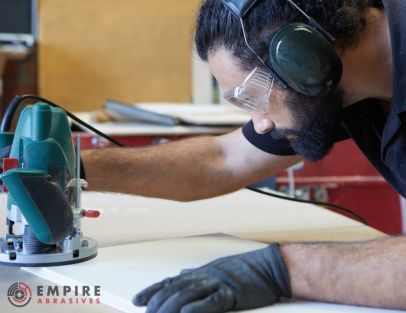
Face shields should fit well with safety glasses, ear protection, and dust masks. This keeps all gear working together.
Choose shields that allow easy use of other protective equipment without gaps or discomfort.
- Fits over safety goggles or glasses
- Works well with ear muffs or plugs
- Allows space for dust masks or respirators
- Easy to remove and put on with other gear
Credit: www.empireabrasives.com
Preparing Your Face Shield
Using a face shield during woodworking helps protect your face from dust and debris. It is important to prepare your face shield before each use.
Proper preparation ensures clear vision and full protection. Follow these tips to get your face shield ready.
Cleaning Before Use
Always clean your face shield before wearing it. Dust and smudges can block your view and reduce safety.
Use a soft cloth with mild soap and water. Avoid harsh chemicals that can damage the shield.
- Rinse the shield with water first
- Apply mild soap to a soft cloth
- Gently wipe the shield surface
- Rinse off soap completely
- Dry with a clean, soft cloth
Adjusting For Proper Coverage
Make sure your face shield fits well and covers your entire face. Proper adjustment keeps dust and chips away.
Check the headband and shield position before you start woodworking. Adjust straps so the shield stays stable.
- Tighten or loosen the headband for comfort
- Position the shield to cover your forehead to below your chin
- Ensure no gaps are around the edges
- Test the shield does not move when you turn your head
Using Face Shields Effectively
Face shields protect your face from flying wood chips and dust. Using them the right way keeps you safe and comfortable.
Learn how to position your face shield during different woodworking tasks. Avoid mistakes that reduce its protection.
Positioning During Different Tasks
Adjust your face shield depending on the task to get the best protection. Different tasks need different shield positions.
- For sanding, keep the shield close to your face to block fine dust.
- During cutting, tilt the shield slightly forward to stop flying chips.
- When drilling, lower the shield fully for full face coverage.
- For carving, adjust the shield to avoid glare but keep protection.
Avoiding Common Mistakes
Many woodworkers make simple errors that reduce face shield safety. Avoid these common mistakes to stay protected.
| Common Mistake | Why It Is Risky | How to Fix It |
| Wearing shield too high | Leaves face exposed to debris | Lower shield to cover forehead and chin |
| Using scratched shields | Reduces visibility and protection | Replace shield if scratched or cloudy |
| Not cleaning shield regularly | Builds up dust and reduces clarity | Clean shield after each use with mild soap |
| Removing shield mid-task | Exposes face to sudden hazards | Keep shield on until task is done |

Credit: www.youtube.com
Maintaining Face Shields
Face shields protect your face from flying wood chips and dust. Keeping them clean and safe helps them work well.
Regular care makes sure your face shield lasts longer and stays clear. Follow simple steps to maintain it.
Routine Cleaning Tips
Clean your face shield after each use. Dirt and dust can scratch or cloud the shield if left on.
Use a soft cloth and mild soap with water to wipe the surface gently. Avoid harsh chemicals that may damage the shield.
- Rinse with clean water before wiping
- Use a microfiber cloth for cleaning
- Dry with a soft towel or air dry
- Do not use abrasive pads or cleaners
Inspecting For Damage
Check your face shield regularly for cracks or scratches. Damaged shields may not protect you properly.
Look at the headband and fasteners too. Make sure they hold the shield firmly and feel comfortable.
- Look for cracks or deep scratches on the shield
- Check that the shield is clear and not foggy
- Test the headband for tightness and comfort
- Replace parts if you find any damage
Storage Recommendations
Store your face shield in a clean, dry place. Avoid leaving it in direct sunlight or extreme heat.
Keep the shield flat or hang it to avoid bending or warping. Use a protective cover if possible.
- Place shield in a soft pouch or case
- Keep away from sharp objects and dust
- Do not stack heavy items on top
- Store in a cool, dry area
Combining Face Shields With Other Safety Gear
Face shields protect your face from flying wood chips and dust. They are not enough alone for full protection.
Using other safety gear with face shields keeps you safer while woodworking. It helps protect your eyes and ears.
Using Safety Glasses Together
Wear safety glasses under your face shield to protect your eyes from small dust and debris. Face shields can stop large pieces, but tiny particles may still reach your eyes.
Choose safety glasses that fit well and are comfortable. Clear lenses work best for good visibility while working with wood.
- Wear safety glasses with side shields for extra protection.
- Make sure glasses fit under the face shield without fogging.
- Check that lenses are scratch-resistant for clear vision.
Hearing Protection Considerations
Woodworking tools can be very loud and damage your hearing. Use earplugs or earmuffs with your face shield for noise protection.
Pick hearing protection that fits well and does not interfere with the face shield. Some earmuffs fit over the shield’s straps for comfort.
- Earplugs are small and fit inside the ear canal.
- Earmuffs cover the whole ear and block more noise.
- Choose hearing gear that you can wear for long periods comfortably.

Credit: www.healthpartners.com
Safety Tips For Specific Woodworking Activities
Face shields protect your face from flying debris and dust. Using them correctly improves safety during woodworking.
Different woodworking tasks need special attention. Follow safety tips for each activity to stay safe.
Cutting And Sawing
Cutting and sawing create many flying chips and dust. Wearing a face shield helps stop injuries.
Keep your face shield clean for clear vision. Check it fits well and covers your whole face.
- Use a face shield with safety goggles underneath
- Inspect the shield for cracks before use
- Stand clear of the blade’s path
- Keep work area well lit
Sanding And Finishing
Sanding creates fine dust that can irritate your eyes and skin. A face shield blocks dust from your face.
Wear the face shield with a dust mask for better protection. Clean dust off the shield often to keep visibility.
- Wear a dust mask under the face shield
- Use a shield that fits snugly around your face
- Work in a ventilated area
- Remove dust from the shield regularly
Using Power Tools
Power tools throw wood chips and sparks. A face shield protects your face from injuries and burns.
Always use a face shield that fits securely. Combine it with ear protection and gloves for full safety.
- Check the shield for damage before use
- Wear safety goggles under the face shield
- Keep tools sharp and well maintained
- Follow the tool’s safety instructions
Frequently Asked Questions
What Are The Best Face Shields For Woodworking?
The best face shields for woodworking offer clear visibility and full-face protection. Look for impact-resistant, anti-fog shields with adjustable headbands for comfort during long projects.
How To Properly Clean A Woodworking Face Shield?
Clean your face shield with mild soap and water. Avoid abrasive cleaners to prevent scratches. Dry with a soft cloth to maintain clear visibility and extend shield life.
Can Face Shields Replace Safety Goggles In Woodworking?
Face shields protect against flying debris but don’t replace safety goggles. Use face shields with goggles for full eye protection during woodworking tasks.
How Often Should I Replace My Woodworking Face Shield?
Replace your face shield if it shows cracks, deep scratches, or reduced clarity. Regular inspection ensures maximum protection and safety in woodworking environments.
Conclusion
Face shields protect your face during woodworking tasks. They offer clear visibility and guard against flying debris. Always choose a quality shield that fits well. Comfort matters for long projects. Clean it regularly to maintain clarity. Remember to check for scratches or damage.
Replace if necessary. Safety first, always. Use these tips to enhance your woodworking experience. Happy crafting!