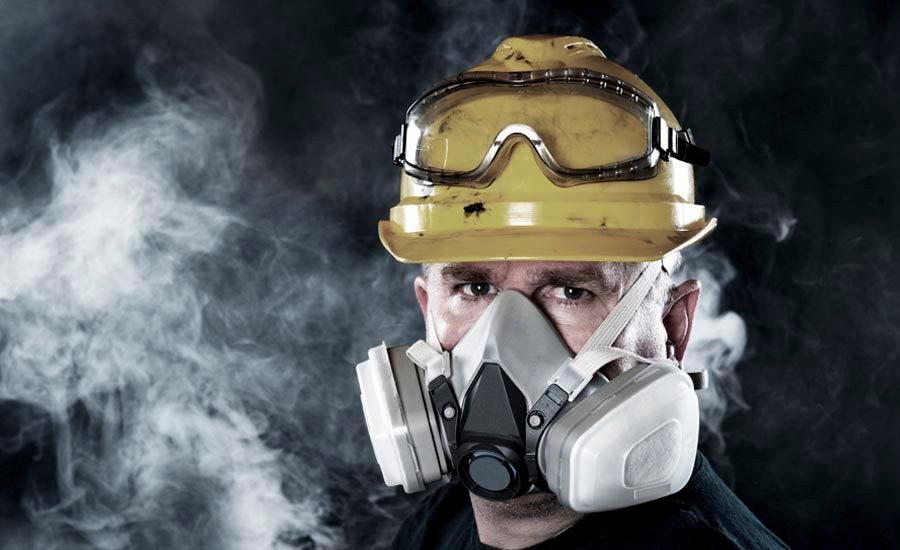
When you work with hazardous chemicals, your safety depends on the right protection. Full-face respirators are powerful tools that shield your eyes, nose, and mouth from harmful fumes and particles.
But simply wearing one isn’t enough. You need to know how to use it correctly to stay safe and confident on the job. You’ll discover essential tips that make using full-face respirators easier and more effective. Keep reading to protect yourself better and breathe easier every day.
Choosing The Right Respirator
Full-face respirators protect your eyes and lungs from harmful chemicals. Picking the correct respirator helps keep you safe at work or in hazardous areas.
Learn about the types of full-face respirators, how to select based on chemical hazards, and check material compatibility before use.
Types Of Full-face Respirators
There are different types of full-face respirators. Some use filters, others use cartridges. They vary by the protection level and comfort.
- Air-purifying respirators filter out harmful particles and gases.
- Supplied-air respirators provide clean air from a separate source.
- Powered air-purifying respirators use a battery to push air through filters.
Selecting Based On Chemical Hazards
Choose a respirator that fits the specific chemical hazards you face. Different chemicals need different filters or cartridges.
| Chemical Type | Recommended Filter/Cartridge | Protection Level |
|---|---|---|
| Organic Vapors | Organic vapor cartridge | High |
| Acid Gases | Acid gas cartridge | Medium |
| Particulates | HEPA filter | High |
| Ammonia | Ammonia cartridge | Medium |
Material Compatibility
Check if the respirator materials resist the chemicals you will use. Some chemicals can damage the facepiece or seals.
Materials to consider:
- Silicone offers good chemical resistance and comfort.
- Neoprene resists oils and many acids.
- Rubber provides a tight seal but may degrade with some solvents.

Credit: trueprepper.com
Proper Fit And Seal
Using a full-face respirator correctly is vital for chemical safety. A proper fit and seal keep harmful chemicals from entering the mask.
Each user must ensure the respirator fits well to protect the eyes, nose, and mouth from exposure.
Fit Testing Procedures
Fit testing confirms the respirator seals tightly to your face. Testing is done before first use and regularly after.
- Wear the respirator and adjust it to your face.
- Use a fit test kit to check for leaks.
- Follow the test instructions carefully.
- If leaks are found, adjust or try another size.
- Repeat until the respirator fits without leaks.
Adjusting Straps And Seals
Straps keep the respirator snug. Seals must touch the skin without gaps. Check both before entering hazardous areas.
| Adjustment | Purpose |
| Tighten Straps | Hold mask firmly on face |
| Loosen Straps | Improve comfort and reduce pressure |
| Check Seal | Ensure no air leaks around edges |
| Replace Seal | Fix worn or damaged parts |
Common Fit Issues
Some issues can cause poor fit. Knowing these helps fix problems quickly.
- Facial hair can break the seal.
- Wrong respirator size causes gaps.
- Damaged seals reduce protection.
- Improper strap tension leads to leaks.
- Glasses or accessories may interfere with fit.
Maintenance And Cleaning
Full-face respirators protect against harmful chemicals. Proper maintenance keeps them safe to use. Cleaning and checking your respirator daily is important.
Follow simple steps to clean, inspect, and store your respirator. This helps it last longer and work well every time.
Daily Cleaning Routine
Clean your respirator after each use to remove dirt and chemicals. Use mild soap and warm water to wash all parts carefully.
- Remove filters and cartridges before cleaning
- Wash facepiece with soap and water
- Rinse thoroughly with clean water
- Dry with a clean cloth or air dry
- Reassemble the respirator only when dry
Inspecting For Damage
Check your respirator daily for cracks, tears, or worn parts. Pay close attention to the face seal and straps.
| Part | What to Check | Action if Damaged |
| Face Seal | Cracks, tears, or hard spots | Replace immediately |
| Straps | Fraying or loss of elasticity | Replace or repair |
| Valves | Clean and no cracks | Clean or replace if faulty |
| Lens | Scratches or cracks | Replace to maintain visibility |
Storage Best Practices
Store your respirator in a clean, dry place. Avoid sunlight and extreme temperatures to protect the materials.
Use these tips to store your respirator safely:
- Keep it in a sealed container or bag
- Do not fold or crush the facepiece
- Store away from chemicals and dust
- Keep filters separate if possible

Credit: trueprepper.com
Filter And Cartridge Selection
Full-face respirators protect users from harmful chemicals in the air. Choosing the right filter or cartridge is key to safety. It helps block dangerous gases, vapors, and particles.
Filters and cartridges come in different types. Each type works best for certain chemicals or conditions. Knowing how to pick the right one keeps you safe.
Types Of Filters
Filters remove particles like dust, fumes, and mist. Cartridges protect against gases and vapors. Some cartridges combine both functions.
- Particulate filters block dust and aerosols.
- Gas and vapor cartridges filter harmful chemicals.
- Combination filters handle particles and gases.
- Choose filters based on the chemical hazard.
Filter Replacement Indicators
Filters and cartridges must be changed before they stop working. Some have indicators that show when replacement is needed. Others need regular checks.
- Color change indicators show filter saturation.
- Pressure drop sensors alert when airflow is low.
- Follow manufacturer guidelines for replacement times.
- Replace filters if you smell or taste chemicals.
Disposal Of Used Filters
Used filters may contain harmful chemicals or particles. Dispose of them safely to avoid risk. Follow local regulations for hazardous waste.
- Seal used filters in plastic bags.
- Label bags if filters contain dangerous substances.
- Do not burn or crush used filters.
- Use designated disposal sites for hazardous waste.
Usage Tips For Safety
Full-face respirators protect you from harmful chemicals. Using them correctly keeps you safe in risky environments.
Follow important safety tips to make sure your respirator works well every time you wear it.
Donning And Doffing Techniques
Put on your full-face respirator carefully to get a tight seal. This stops chemicals from entering your mask.
Take off the respirator slowly and away from your face to avoid touching contaminated parts.
- Check the mask for damage before use
- Place the mask over your face and secure straps evenly
- Perform a seal check by covering filters and breathing in
- Remove straps from back of head without touching the front
- Store the respirator in a clean, dry place after use
Limiting Exposure Time
Limit how long you wear the respirator in chemical areas. Long exposure increases risks even with protection.
Take breaks in clean air zones to reduce chemical intake and stay comfortable.
- Plan short work shifts in hazardous zones
- Rotate tasks to avoid long exposure times
- Watch for signs of fatigue or breathing difficulty
- Use a buddy system to monitor each other’s safety
Emergency Procedures
Know what to do if your respirator fails or chemicals leak. Quick action can prevent serious harm.
Practice emergency steps regularly to stay ready for accidents.
- Stop work and leave the area immediately if you feel short of breath
- Remove the respirator only in a safe, clean area
- Report any mask damage or chemical spills to supervisors
- Call for medical help if you experience dizziness or irritation
- Keep emergency contact numbers handy at all times
Training And Compliance
Using full-face respirators correctly keeps workers safe from chemicals. Proper training and compliance ensure the equipment works well.
Employers must teach workers how to use, maintain, and check respirators. Following rules helps avoid health risks.
User Training Importance
Training helps users understand how to wear the respirator properly. It also shows how to spot damage and fix small problems.
- Fit the mask tightly to avoid leaks
- Check straps and valves for damage
- Clean the respirator after each use
- Store it in a safe, dry place
- Know when to replace filters
Regulatory Standards
Agencies set rules to protect workers using respirators. These rules explain what kind of training is needed and how often.
| Agency | Standard | Training Frequency |
| OSHA | 29 CFR 1910.134 | Before use and yearly |
| NIOSH | Respirator Certification | Initial and as needed |
| EPA | Chemical Safety Rules | Depends on chemical risk |
Record Keeping
Keep clear records of training and respirator checks. This shows compliance and helps track safety over time.
Important records to keep include:
- Training dates and topics
- Fit test results
- Inspection and maintenance logs
- Incidents or problems reported
Credit: www.oteplace.com
Frequently Asked Questions
How Do Full-face Respirators Enhance Chemical Safety?
Full-face respirators provide complete facial protection against harmful chemicals. They shield eyes, nose, and mouth from hazardous substances. The snug fit prevents inhalation of toxic particles. Proper usage ensures maximum safety during exposure to chemical environments. Regular maintenance and correct filter selection are essential for optimal performance.
What Are The Key Features Of Full-face Respirators?
Full-face respirators offer comprehensive facial coverage and a tight seal. They feature replaceable filters for various chemical hazards. The design includes a transparent visor for clear visibility. Comfort is enhanced with adjustable straps for a secure fit. These features collectively ensure effective protection against chemical risks.
How To Properly Wear A Full-face Respirator?
To wear a full-face respirator, first adjust the straps for a snug fit. Ensure the mask covers your entire face without gaps. Perform a fit check by inhaling and exhaling to confirm a proper seal. Regularly inspect and maintain the respirator for safety.
Proper fit ensures effective chemical protection.
Why Is Fit-testing Important For Respirators?
Fit-testing ensures the respirator forms a secure seal on your face. It confirms the mask’s effectiveness against chemical exposure. A proper fit prevents leaks and enhances safety. Regular fit-testing is crucial as facial features change over time. Ensuring a proper fit maximizes the respirator’s protective capabilities.
Conclusion
Using full-face respirators correctly protects you from harmful chemicals. Always check the mask fit before starting work. Clean and store the respirator after every use. Replace filters regularly to keep breathing safe and easy. Stay aware of safety rules at all times.
Protect yourself and others by staying careful. Safety first, every time you wear the mask. Simple steps make a big difference in chemical safety. Keep these tips in mind to stay safe and healthy.