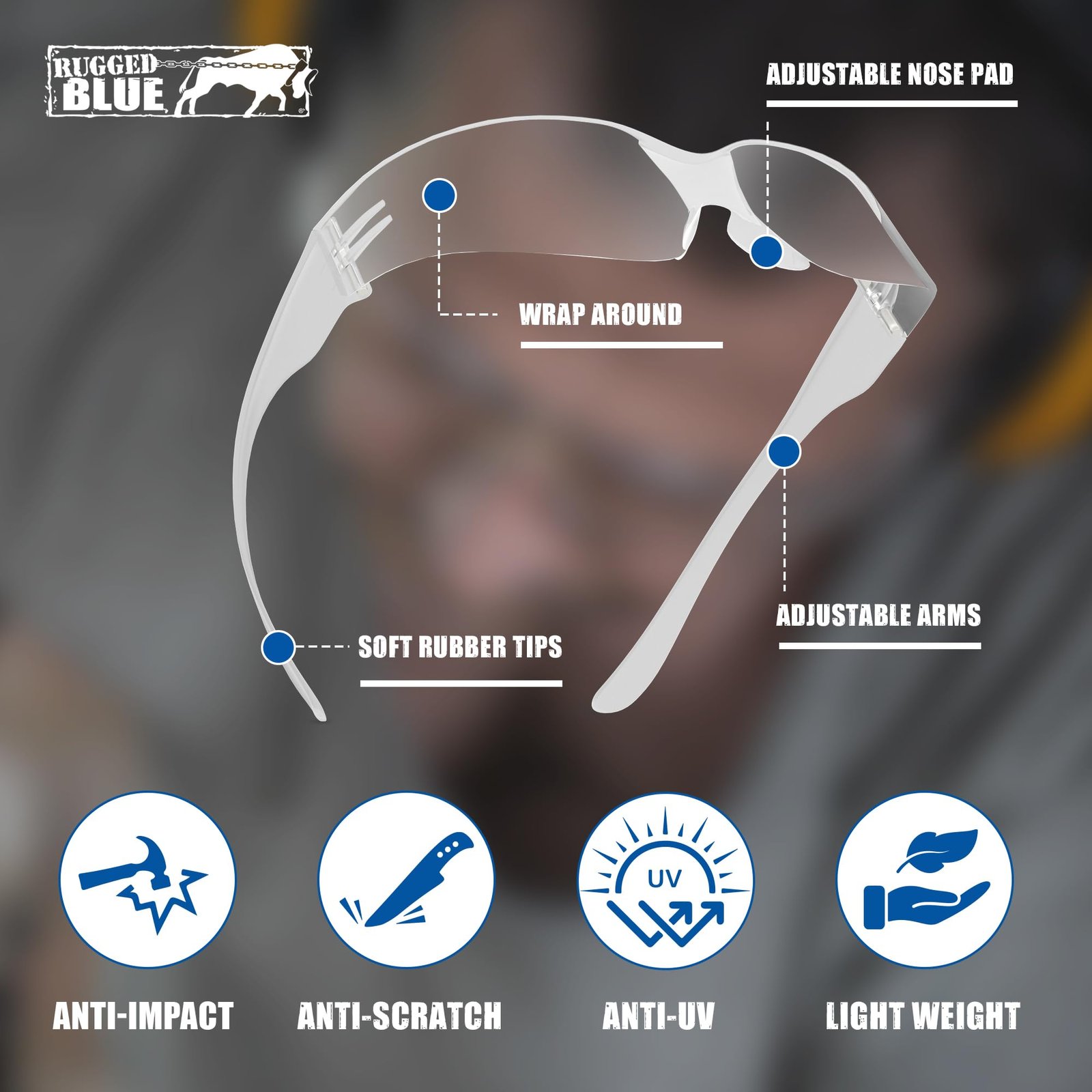
Are you looking for the best way to protect your eyes while staying comfortable and stylish? Impact-resistant eyewear is a smart choice, but using it correctly makes all the difference.
You’ll discover simple yet powerful tips that help you get the most out of your eyewear. Whether you wear them for work, sports, or everyday use, these tips will keep your eyes safe and your vision clear. Keep reading to learn how to make your impact-resistant glasses work perfectly for you.
Choosing The Right Eyewear
Impact-resistant eyewear protects your eyes from flying objects and accidents. Choosing the right pair ensures safety and comfort.
Consider the material, lens type, and fit to find eyewear that works well for your needs.
Material Options
Eyewear frames come in different materials. Each offers unique strength and weight.
- Polycarbonate:Lightweight and very impact-resistant.
- Nylon:Flexible and durable, good for sports.
- Metal:Strong but can be heavier and less flexible.
- TR-90:A type of plastic that is light and flexible.
Lens Types
| Lens Type | Benefits | Best Use |
| Polycarbonate | High impact resistance, lightweight | General safety and sports |
| Trivex | Clear vision and strong impact resistance | Outdoor activities and work |
| Glass | Scratch resistant but heavier | Everyday wear with less impact risk |
| Plastic | Lightweight and affordable | Low-risk environments |
Fit And Comfort
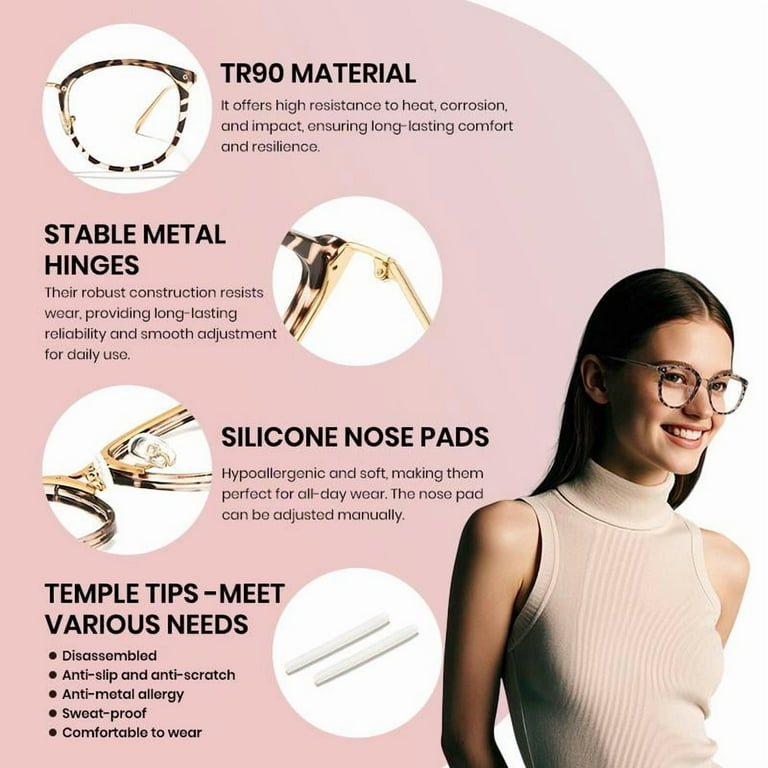
Good fit keeps eyewear in place and comfortable all day. Check the nose pads and temple arms for adjustability.
- Frames should not pinch your nose or ears.
- Eyewear must fit snugly without pressure points.
- Choose adjustable nose pads for better fit.
- Lightweight frames reduce fatigue.
Credit: www.walmart.com
Proper Usage Techniques
Impact-resistant eyewear helps protect your eyes from injuries. Using it correctly keeps you safe in many situations.
Learn how to wear and adjust your eyewear for the best protection and comfort.
Wearing For Maximum Protection
Always wear your impact-resistant eyewear snugly on your face. The frame should fit close without gaps to block flying debris.
- Check that the lenses cover your eyes completely.
- Use side shields if available to protect from side impacts.
- Keep the eyewear clean to maintain clear vision.
- Replace any damaged parts immediately.
- Wear the eyewear at all times during risky activities.
Adjusting For Different Activities
Different tasks may need changes in how you wear your eyewear. Adjust the fit and position for comfort and safety.
| Activity | Adjustment Tips |
| Sports | Use straps to keep glasses secure during movement. |
| Construction | Ensure side shields are locked in place. |
| Laboratory Work | Tighten nose pads to prevent slipping. |
| Outdoor Work | Use tinted lenses to reduce glare. |
Maintenance And Care
Impact-resistant eyewear protects your eyes from harm. Proper care keeps them clear and safe. Follow simple steps to maintain your glasses.
Clean lenses and frames regularly. Store glasses safely. Check for damage before use. These habits extend the life of your eyewear.
Cleaning Methods
Use soft cloths and gentle cleaners to avoid scratches. Avoid harsh chemicals that can damage lenses. Clean often for clear vision.
- Rinse lenses with lukewarm water before wiping
- Use mild soap or lens cleaner, not household cleaners
- Dry with a microfiber cloth, not paper towels
- Do not use abrasive materials or rough fabrics
Storage Tips
Keep eyewear in a sturdy case to prevent scratches and breaks. Avoid leaving glasses in hot places or direct sunlight. Handle with care to avoid bending frames.
| Storage Method | Benefit |
| Hard case | Protects from impact and dust |
| Soft pouch | Prevents minor scratches |
| Dry area | Prevents moisture damage |
| Avoid pockets | Stops bending and crushing |
Inspecting For Damage
Check your eyewear regularly to ensure safety. Look for cracks, loose parts, and worn areas. Fix or replace damaged eyewear immediately.
- Look for scratches or cracks on lenses
- Check frame hinges for looseness
- Ensure nose pads are secure and comfortable
- Test arms for proper alignment
- Replace glasses if lenses impair vision or frames break

Credit: www.amazon.com
Common Mistakes To Avoid
Using impact-resistant eyewear keeps your eyes safe in many situations. Many people make mistakes that reduce the protection these glasses offer. Avoiding these errors helps the eyewear work as it should.
Read about common mistakes to avoid when using impact-resistant eyewear. Fixing these issues improves comfort and safety.
Ignoring Fit Issues
Eyewear that does not fit well can cause discomfort and may not protect your eyes properly. Loose glasses can slip off or leave gaps where debris can enter.
Make sure your eyewear fits snugly but not too tight. Adjust the nose pads and temples to match your face shape. If the fit is wrong, switch to a different size or style.
- Check for gaps between your face and the lenses
- Adjust the arms so glasses stay in place
- Do not wear eyewear that is too tight or causes pain
Using Damaged Eyewear
Wearing cracked or scratched impact-resistant eyewear lowers its ability to protect your eyes. Damage can weaken lenses and frames, making them unsafe.
Inspect your eyewear before use. Replace glasses with any visible cracks, deep scratches, or loose parts. Do not try to fix broken eyewear yourself.
- Look for cracks or chips in lenses
- Check frame joints for looseness
- Replace damaged eyewear immediately
Neglecting Regular Maintenance
Failing to clean and care for your eyewear can reduce its lifespan and clarity. Dirt and smudges block your vision and can hide damage.
Clean your eyewear regularly with a soft cloth and mild soap. Store them in a protective case when not in use. Avoid harsh chemicals that can damage lenses.
- Clean lenses daily to keep clear vision
- Use cases to prevent scratches
- Check screws and tighten if loose
Enhancing Safety Features
Impact-resistant eyewear protects your eyes from flying debris and accidents. You can improve their safety with extra features.
These features help keep your vision clear and the glasses secure. They make eyewear more effective in tough conditions.
Adding Anti-fog Coatings
Fog on glasses blocks your view and can cause accidents. Anti-fog coatings stop moisture from building up on lenses.
This coating keeps your vision clear in humid or cold environments. It is helpful for workers who move between different temperatures.
- Prevents fog during heavy breathing or sweating
- Reduces the need to wipe lenses often
- Improves safety by maintaining clear sight
Using Straps And Guards
Straps keep eyewear firmly on your head during activity. Guards block dust, chemicals, and other hazards from reaching your eyes.
Both help prevent the glasses from falling off or shifting. This keeps your eyes protected at all times.
- Straps stop glasses from slipping or falling
- Side guards block particles from entering
- Top guards protect from falling debris
- Combining straps and guards boosts safety

Credit: www.amazon.com
When To Replace Eyewear
Impact-resistant eyewear protects your eyes from harm. It is important to know when to replace them. Worn or damaged glasses may not protect well.
Regularly checking your eyewear helps keep your eyes safe. Look for signs that your glasses need replacement.
Signs Of Wear
Wear and tear can reduce the strength of your eyewear. Look closely for cracks, scratches, and loose parts.
- Cracks or chips on the lenses or frame
- Deep scratches that block vision
- Loose hinges or screws
- Discoloration or fogging of lenses
- Warped or bent frames
If you notice any of these signs, replace your eyewear to ensure full protection.
Impact Aftercare
After any strong impact, inspect your eyewear carefully. Even if no damage is visible, internal damage can occur.
| Action | Reason |
| Check lenses for cracks | Cracks weaken protection |
| Test frame stability | Loose frames reduce safety |
| Replace eyewear after serious impacts | Damage may not be visible |
| Clean lenses properly | Remove dirt without scratching |
Replace eyewear immediately if impact damage is found. Protect your eyes by using safe and intact glasses.
Frequently Asked Questions
What Is Impact-resistant Eyewear?
Impact-resistant eyewear is designed to withstand impacts and protect eyes from potential hazards. It is typically made from durable materials like polycarbonate or Trivex. This type of eyewear is essential for activities involving flying debris or high-speed sports. It ensures safety by reducing the risk of eye injuries.
Why Choose Impact-resistant Lenses?
Impact-resistant lenses offer superior protection against eye injuries. They are ideal for sports, outdoor activities, and workplaces with potential hazards. These lenses are durable, lightweight, and provide clear vision. Choosing impact-resistant lenses ensures both safety and comfort for daily wear or specific activities.
How To Care For Impact-resistant Eyewear?
Caring for impact-resistant eyewear involves regular cleaning and proper storage. Use a microfiber cloth and lens cleaner to avoid scratches. Store them in a protective case when not in use. Avoid exposing them to extreme temperatures to maintain their integrity and extend their lifespan.
Are Impact-resistant Glasses Suitable For Children?
Yes, impact-resistant glasses are highly suitable for children. They offer excellent protection during play and sports activities. These glasses are durable and can withstand rough handling. Choosing impact-resistant eyewear for children ensures their safety and reduces the risk of eye injuries.
Conclusion
Wearing impact-resistant eyewear protects your eyes every day. Choose glasses that fit well and feel comfortable. Clean them often to keep clear vision. Replace damaged lenses or frames quickly for safety. Use these tips to keep your eyes safe and healthy.
Safety starts with good eyewear habits. Stay protected and enjoy clear sight wherever you go.
