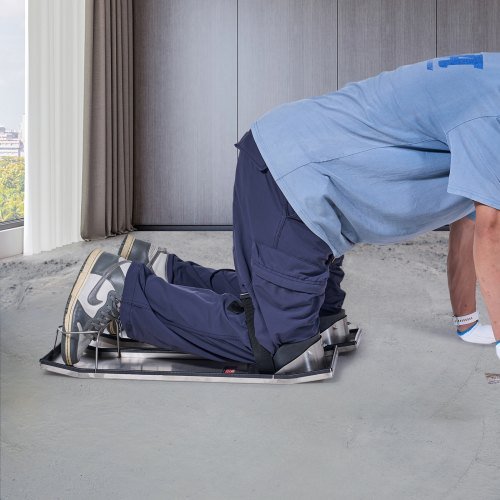
When you’re working on floor projects, your knees take a lot of the strain. Using knee pads can make a huge difference, but only if you use them the right way.
Imagine finishing your project without sore knees or discomfort slowing you down. You’ll discover simple tips to get the most out of your knee pads. These easy tricks will help you stay comfortable, protect your knees, and work longer without pain.
Keep reading to learn how to make your floor work easier and safer.
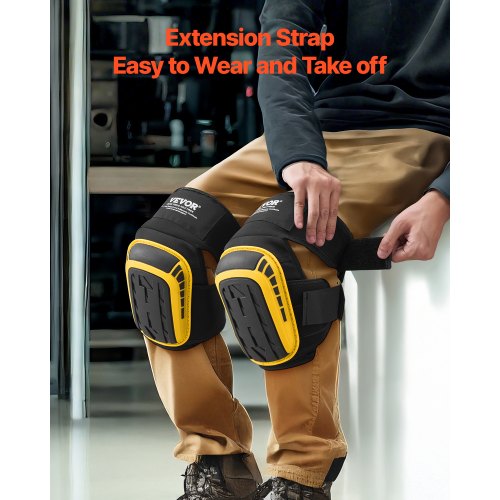
Credit: www.vevor.com
Choosing The Right Knee Pads
Knee pads protect your knees during floor projects. Choosing the right ones helps you work longer without pain.
Different types and sizes fit different needs. Think about comfort, material, and size before buying.
Types Of Knee Pads
You can find many types of knee pads. Each type suits different tasks and comfort levels.
- Foam knee pads: soft and light, good for short jobs
- Gel knee pads: provide extra cushion, reduce pressure
- Hard cap knee pads: protect from sharp objects, good for rough surfaces
- Strap-on knee pads: adjustable, fit many sizes
- Slip-on knee pads: easy to wear, stay in place
Material Matters
The material of knee pads affects comfort and durability. Choose one that fits your project needs.
- Neoprene: flexible and water-resistant
- Gel: absorbs shocks and reduces knee strain
- Foam: lightweight but less durable
- Plastic caps: protect against impact and sharp objects
- Fabric: breathable and soft on skin
Sizing And Fit
Good fit keeps knee pads in place and feels comfortable. Measure your knees before buying.
- Measure around your knee for strap size
- Look for adjustable straps for a secure fit
- Tight pads can cut circulation and cause pain
- Loose pads may slip and not protect well
- Try pads on before starting your project
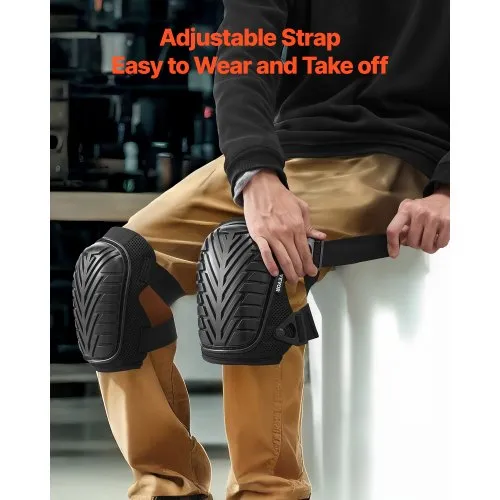
Credit: www.vevor.com
Preparing Your Knees
Using knee pads helps protect your knees during floor projects. Preparing your knees before wearing them can reduce discomfort and injury.
Simple routines like stretching and skin care make knee pad use safer and more comfortable.
Stretching Before Use
Stretching warms up your knee joints and muscles. It lowers the risk of cramps and pain while working on floors.
- Bend and straighten your knees slowly 10 times.
- Do gentle knee circles in both directions.
- Stretch your hamstrings by reaching for your toes while sitting.
- Perform calf stretches by leaning against a wall.
- Take deep breaths to relax your muscles.
Skin Protection Tips
Protect your skin from irritation under the knee pads. Use soft materials and keep skin clean and dry.
| Tip | Details |
| Wear thin cotton socks | Helps reduce friction between skin and pads |
| Apply moisturizer | Prevents dryness and cracking |
| Check for cuts | Cover wounds with bandages before using pads |
| Clean skin regularly | Removes sweat and dirt to avoid rashes |
Proper Wearing Techniques
Knee pads protect your knees during floor projects. Wearing them properly keeps you safe and comfortable.
Improper use can cause pain or reduce protection. Follow these tips to wear knee pads the right way.
Securing Straps Correctly
Make sure the straps are tight but not too tight. Loose straps let the pads slip, while tight straps hurt your skin.
Wrap the straps around your leg and fasten them firmly. Check that the pads stay in place when you move.
- Fasten straps evenly on both sides
- Avoid twisting or bunching the straps
- Check strap tightness every hour
Adjusting For Comfort
Adjust the knee pads so they fit snugly without causing pain. Padding should cover your knees fully.
Take breaks to move and check comfort. Adjust straps or pad position if you feel pressure or rubbing.
- Place pads directly over the kneecap
- Use extra padding if needed
- Wear knee pads over thin clothing for comfort
Maximizing Comfort During Projects
Knee pads help protect your knees during floor projects. Wearing them right can keep you comfortable.
Simple habits can reduce pain and make long work easier. These tips will show you how.
Taking Breaks
Resting your knees often stops soreness from building. Take short breaks to stand up and stretch.
Changing position helps blood flow and reduces pressure on your knees. Try to move every 20 minutes.
- Stand and walk around for a few minutes
- Stretch your legs and knees gently
- Remove knee pads during breaks to let skin breathe
Using Cushions Alongside Pads
Adding cushions under knee pads gives extra softness. It lowers impact and feels better on hard floors.
Try foam or gel cushions that fit inside or under your knee pads. This adds comfort without bulk.
- Foam cushions absorb shocks well
- Gel cushions adapt to your knee shape
- Choose cushions that stay in place
- Check cushion thickness for balance of comfort and mobility
Maintenance And Care
Knee pads protect your knees during floor projects. Taking care of them helps them last longer. Proper maintenance keeps them clean and comfortable.
Regular cleaning and correct storage prevent damage. Follow simple tips to keep your knee pads in good shape.
Cleaning Knee Pads
Clean knee pads after each use to remove dirt and sweat. This prevents bad odors and material breakdown.
Use mild soap and warm water for cleaning. Avoid harsh chemicals that can weaken the padding or straps.
- Remove any loose dirt with a brush or cloth
- Mix mild soap in warm water
- Use a soft cloth or sponge to wipe the knee pads
- Rinse with clean water to remove soap
- Air dry completely before storing
Storage Tips
Store knee pads in a cool, dry place away from direct sunlight. Heat and sun can cause materials to crack or fade.
Keep them flat or hang them to keep their shape. Avoid placing heavy items on top of them to prevent damage.
- Choose a well-ventilated area
- Keep away from moisture to stop mold growth
- Store knee pads flat or hang on hooks
- Do not fold or crush them
- Check pads regularly for wear and tear
Common Mistakes To Avoid
Using knee pads helps protect your knees during floor work. Many people make mistakes that reduce their comfort and safety. Avoid these common errors to get the best support.
Two key mistakes are overtightening straps and ignoring wear and tear. Each can cause problems during your project.
Overtightening Straps
Straps that are too tight can cut off circulation and cause pain. Tight straps also make moving your knees harder. This can slow you down and cause discomfort.
- Adjust straps to fit snugly but not tightly.
- Check if your knee pads move when you walk or kneel.
- Loosen straps if you feel numbness or tingling.
- Try different strap positions for better comfort.
Ignoring Wear And Tear
Old or damaged knee pads lose protection and support. Worn padding may not cushion your knees well. Broken straps can make pads slip or fall off.
| Signs of Wear | What to Do |
|---|---|
| Cracked or flat padding | Replace the knee pads to keep good cushioning |
| Frayed or torn straps | Fix or replace straps to keep pads secure |
| Loose or broken fasteners | Check and tighten fasteners before each use |
| Unpleasant odor or dirt buildup | Clean pads regularly to maintain hygiene |

Credit: www.diy.com
Frequently Asked Questions
What Are The Best Knee Pads For Floor Projects?
The best knee pads offer firm cushioning and durable outer shells. Look for adjustable straps and breathable materials. These features ensure comfort and protection during long floor projects.
How Do Knee Pads Prevent Knee Injuries?
Knee pads absorb shocks and reduce pressure on your knees. They cushion hard surfaces, preventing bruises and joint pain. This helps avoid long-term knee damage from repetitive floor work.
Can Knee Pads Improve Work Efficiency?
Yes, knee pads reduce discomfort and fatigue while working. Comfortable knees allow longer focus and better precision. This boosts productivity on floor installation or repair tasks.
How To Clean And Maintain Knee Pads?
Clean knee pads with mild soap and water after use. Air dry completely before storing to prevent odor and bacteria. Regular maintenance extends their lifespan and performance.
Conclusion
Knee pads make floor projects safer and more comfortable. Protect your knees while working. They help prevent injuries and reduce pain. Choose pads that fit well and offer good cushioning. Clean them regularly to maintain hygiene. Always store them properly to ensure longevity.
Remember, comfort leads to better focus and quality work. Use knee pads to enjoy your projects without worry. Happy floor crafting!