Are you tired of the constant discomfort and strain that comes with prolonged kneeling? Whether you’re a dedicated gardener, a passionate DIY enthusiast, or a professional in a field that demands hours on your knees, the struggle is real.
But what if there was a simple way to alleviate that pain and protect your knees for the long haul? That’s where knee pads come into play. Imagine being able to focus on your task without the nagging worry about sore knees or potential long-term damage.
You’ll discover practical and effective tips for using knee pads that could transform your kneeling experience. You’ll learn how to choose the right ones for your needs, how to wear them for maximum comfort, and even some surprising benefits you might not have considered. Intrigued? Keep reading to find out how knee pads can become your best ally in tackling tasks that require prolonged kneeling, ensuring you stay comfortable and injury-free. Your knees will thank you!
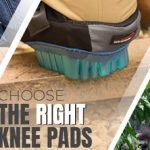
Choosing The Right Knee Pads
Knee pads protect your knees during long kneeling tasks. Choosing the right pair helps avoid pain and injury. This guide covers key points to consider.
Focus on the material, size, and type of knee pads. These factors affect comfort and protection. Read on to learn more.
Material Matters
The material of knee pads affects comfort and durability. Soft foam offers cushioning but may wear out fast. Gel pads provide good shock absorption. Hard plastic shells protect against sharp objects.
- Foam: Lightweight and soft, best for indoor use.
- Gel: Absorbs impact well, stays comfortable over time.
- Hard plastic: Durable, ideal for rough surfaces.
- Rubber: Good grip and water resistance.
Size And Fit
Knee pads must fit well to work properly. Pads that are too tight cause pain. Pads that are too loose slip off. Measure your knee circumference before buying.
| Size | Knee Circumference (inches) |
| Small | 12 – 14 |
| Medium | 14 – 16 |
| Large | 16 – 18 |
| Extra Large | 18 – 20 |
Types Of Knee Pads
Select the type of knee pads based on your activity. Some types suit gardening, others work best for construction. Choose what fits your needs.
- Slip-on: Easy to wear, good for light tasks.
- Strap-on: Adjustable straps for secure fit.
- Kneeling pads: Thick foam pads for floor work.
- Work knee pads: Durable with hard shells for tough jobs.

Credit: www.tatianaactive.com.au
Preparing Your Knees
Using knee pads for a long time can protect your knees from hard surfaces. Before wearing them, it is important to get your knees ready. This helps avoid pain and skin problems.
Preparing your knees includes caring for your skin and doing simple exercises. These steps make kneeling more comfortable and safer for your joints.
Skin Protection
Your skin can get sore or irritated from long kneeling. Protect it by keeping the area clean and dry before putting on knee pads. This lowers the risk of rashes or infections.
Use a soft barrier like a thin cloth or bandage under the knee pads. This reduces friction and prevents skin damage. Change or wash this layer often to stay fresh.
- Clean knees with mild soap and water
- Dry your skin completely before use
- Wear a soft cloth or thin padding under knee pads
- Check skin for redness or sores regularly
Stretching Exercises
Stretching your legs and knees helps prepare your body for kneeling. It improves blood flow and reduces stiffness. Try gentle stretches before putting on knee pads.
Simple stretches can make your knees feel better and lower the chance of injury. Hold each stretch for about 15 seconds and repeat two to three times.
- Quadriceps stretch: Pull your foot to your buttock while standing
- Hamstring stretch: Reach for your toes while sitting
- Knee lifts: Lift your knee up while standing
- Calf stretch: Press against a wall with one leg behind
Proper Wearing Techniques
Knee pads protect your knees during long periods of kneeling. Wearing them correctly helps prevent pain and injury.
This guide explains how to wear knee pads properly for the best comfort and support.
Adjusting Straps
Straps keep knee pads secure on your legs. Adjusting them right is key for comfort and safety.
- Loosen straps before putting on the knee pads.
- Place the knee pad over your knee cap.
- Tighten straps evenly, avoiding too much pressure.
- Check that the pads do not slide down when you move.
- Make small adjustments if the straps feel too tight or loose.
Positioning For Support
Correct knee pad placement gives better support and reduces strain on your knees.
| Position | Description | Benefit |
| Center on Knee Cap | Place the pad directly over the middle of your knee cap. | Protects the joint from pressure and impact. |
| Cover Upper Shin | Make sure the lower part of the pad covers the upper shin area. | Supports kneeling without cutting off circulation. |
| Secure with Straps | Fasten straps snugly but comfortably around your leg. | Keeps the pad in place during movement. |

Credit: www.tatianaactive.com.au
Maintaining Comfort Over Time
Using knee pads for long periods can cause discomfort if not done right. Keeping comfort in mind helps you stay focused and avoid pain. Simple habits can make wearing knee pads easier for your knees and skin.
Here are some tips to keep your knees comfortable while using knee pads for long kneeling sessions.
Taking Breaks
Taking regular breaks helps reduce pressure on your knees. It allows blood to flow and prevents stiffness. Breaks can also help you check your knee pads for fit and adjust if needed.
- Stand up every 30 minutes to relieve pressure.
- Walk around to improve circulation.
- Stretch your knees and legs gently.
- Check your knee pads for any signs of wear or slippage.
Using Cushions Or Mats
Placing cushions or mats under your knee pads adds extra softness. This can reduce hard impact and prevent pain. Some mats also help keep your pads clean and dry.
| Type | Benefit | Best Use |
| Foam Cushion | Soft padding, reduces pressure | Indoor work on hard floors |
| Gel Mat | Absorbs shock, stays cool | Long kneeling sessions |
| Rubber Mat | Non-slip surface | Wet or slippery areas |
Cleaning And Care Tips
Knee pads protect your knees during long work sessions. Keeping them clean helps them last longer.
Proper care keeps the padding comfortable and the straps strong. Follow these tips to maintain your knee pads.
Washing Instructions
Regular cleaning removes dirt and sweat that damage the material. Use gentle methods to avoid wear.
- Hand wash with mild soap and warm water.
- Do not use bleach or harsh chemicals.
- Rinse thoroughly to remove all soap.
- Air dry away from direct sunlight or heat sources.
- Do not machine wash or dry unless the label says it is safe.
Storage Advice
Store knee pads in a cool, dry place. Proper storage keeps them from losing shape and prevents mold.
| Storage Tip | Reason |
|---|---|
| Keep away from direct sunlight | Prevents material fading and damage |
| Store flat or hung up | Keeps padding from compressing |
| Use a breathable bag or container | Allows airflow to avoid moisture buildup |
| Check and clean before storing | Removes dirt that causes wear over time |

Credit: www.amazon.ca
Common Mistakes To Avoid
Knee pads protect your knees during long kneeling sessions. Using them wrong can cause pain or injury.
Learn which mistakes to avoid to keep your knees safe and comfortable.
Over-tightening Straps
Many people tighten knee pad straps too much. This cuts off blood flow and causes discomfort.
Straps should be snug but not tight. You want the pads to stay in place without hurting your legs.
- Over-tight straps can cause numbness or tingling.
- Too much pressure can damage skin and muscles.
- Loose straps may let the pads slip out of place.
- Adjust straps evenly on both knees for balance.
Ignoring Wear And Tear
Worn out knee pads lose cushioning and support. Using damaged pads can hurt your knees.
Check your knee pads often. Replace them if the padding is flat or the straps are broken.
- Cracked or torn padding reduces protection.
- Broken straps make pads slip or fall off.
- Old pads may cause skin irritation.
- Regularly clean pads to extend their life.
Frequently Asked Questions
What Are The Best Knee Pads For Prolonged Kneeling?
The best knee pads offer thick cushioning and durable outer shells. They provide comfort, reduce pressure, and prevent injuries during long kneeling tasks. Look for adjustable straps and breathable materials for added support and ventilation.
How Do Knee Pads Prevent Knee Injuries?
Knee pads absorb impact and reduce pressure on the knee joints. They protect against cuts, bruises, and joint stress. This helps avoid chronic pain and injuries from repetitive kneeling or hard surfaces.
How To Properly Wear Knee Pads For Comfort?
Wear knee pads snugly but not too tight. Position them over the kneecap with straps securely fastened. Ensure they allow full movement without slipping to maximize comfort and protection during use.
Can Knee Pads Improve Work Efficiency?
Yes, knee pads reduce discomfort and fatigue while kneeling. This allows longer working periods with better focus. Comfortable knees lead to improved productivity and less need for breaks.
Conclusion
Using knee pads right protects your knees during long kneeling. Choose pads with good cushioning and fit for comfort. Keep them clean and check for damage often. Take short breaks to avoid strain and pain. These simple steps help you work safely and stay pain-free.
Protect your knees well, and you can kneel longer without discomfort.