Are you tired of losing your tools or dealing with cluttered workspaces? Magnetic tool strips can be a game-changer for keeping your tools organized, within reach, and easy to find.
But are you using them in the best way possible? You’ll discover simple yet powerful tips to make the most out of your magnetic tool strips. Whether you’re a DIY enthusiast or a professional, these tricks will save you time, frustration, and effort every time you reach for a tool.
Keep reading to transform your workspace and boost your productivity!
Choosing The Right Magnetic Strip
Magnetic tool strips help keep tools organized and easy to reach. Picking the right strip makes your workspace better.
Consider the magnet strength, size, material, and mounting options before buying a strip.
Magnet Strength And Size
Strong magnets hold heavy tools safely. Weak magnets might let tools fall and cause damage.
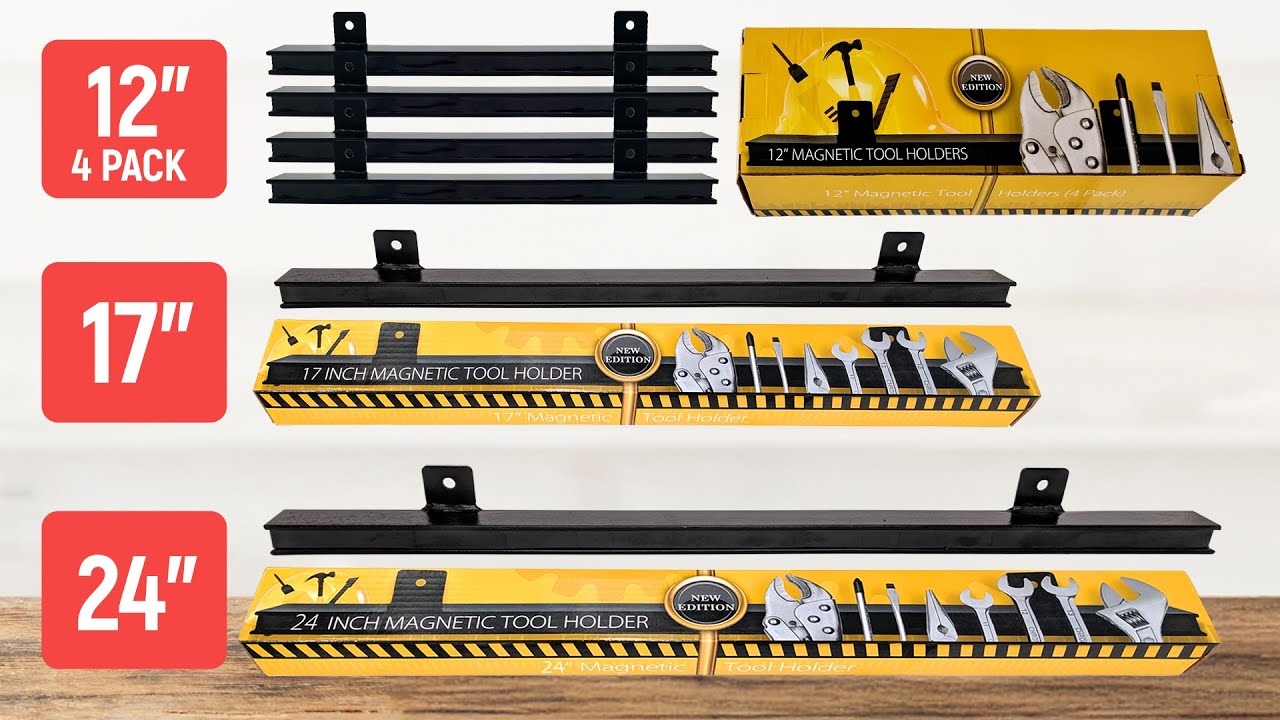
Choose the size based on your tools. Longer strips hold more tools. Small strips fit tight spaces.
- Strong magnets for heavy metal tools
- Medium strength for light tools
- Long strips for many tools
- Short strips for small areas
Material Compatibility
Magnetic strips work best with metal tools. Some tools have plastic or wood parts.
Check if your tools stick well to the strip. Avoid strips that damage tool surfaces.
- Use strips with strong magnets for steel tools
- Plastic parts will not stick
- Check coating to protect your tools
Mounting Options
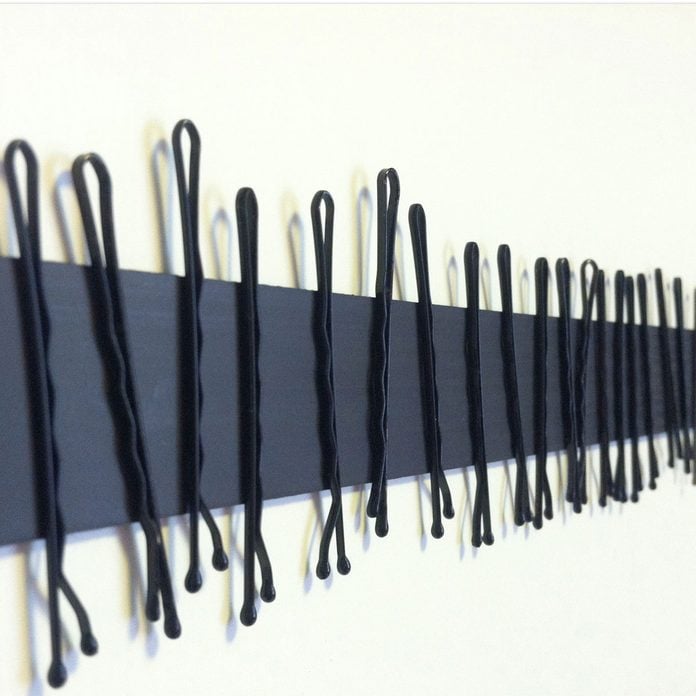
Magnetic strips come with different mounting ways. Pick one that fits your wall or workspace.
Mounting can be with screws, adhesive tape, or magnets on metal surfaces.
- Screws for strong, permanent hold
- Adhesive tape for easy installation
- Magnetic backing for metal surfaces
Credit: www.familyhandyman.com
Strategic Placement
Magnetic tool strips help keep tools organized and easy to find. Placing them in the right spots improves workspace efficiency.
Think about where you use your tools most. This will guide the best locations for your magnetic strips.
Accessible Locations
Put magnetic strips where you often reach for tools. This saves time and effort during projects.
Near your workbench or main workspace is ideal. Keep frequently used tools within arm’s reach.
- Mount strips close to where you stand or sit
- Place strips at eye level for quick tool spotting
- Avoid locations behind obstacles or doors
Optimizing Vertical Space
Use walls to free up your work surface. Magnetic strips fit well on vertical spaces.
Stack strips vertically to hold more tools without cluttering your bench.
- Place strips above your workbench to save space
- Arrange tools from top to bottom by size or use
- Use corners or narrow wall spaces for extra strips
Avoiding Hazard Zones
Keep magnetic strips away from areas that are wet or hot. These conditions can damage tools or the strip itself.
Also, avoid placing strips near electrical outlets or moving parts for safety.
- Do not place strips above sinks or near water sources
- Keep strips away from heaters or direct sunlight
- Mount strips out of reach of children or pets
- Avoid locations near sharp machine edges
Organizing Tools Effectively
Magnetic tool strips help keep your workspace neat and tools easy to find. Proper organization saves time and effort.
Using these strips smartly makes your tools last longer and your work more efficient.
Grouping Similar Tools
Place tools of the same type together on the strip. This keeps your work area tidy and tools easy to locate.
Group hand tools, screwdrivers, and pliers separately for quick access during tasks.
- Keep all screwdrivers in one section
- Place pliers and cutters close together
- Group wrenches by size on the strip
Labeling For Quick Access
Label each section of the magnetic strip clearly. This helps find tools without guessing.
Use simple tags or write directly on tape next to the tool spots.
- Label by tool type or size
- Use clear, large fonts
- Change labels easily if needed
Balancing Weight Distribution
Spread out heavy tools evenly along the strip. Avoid placing all heavy items in one spot.
This prevents the strip from bending or falling and keeps tools secure.
- Place heavier tools on both ends
- Fill gaps with lighter tools
- Check that the strip holds tools firmly
Credit: hmmagnets.com
Maintaining Safety
Magnetic tool strips help organize your workspace. Using them safely keeps you and your tools protected.
Follow simple tips to avoid accidents and damage. These tips make your tool area safe and neat.
Securing Heavy Tools
Heavy tools can fall if not attached well. Make sure your magnetic strip holds their weight safely.
Place heavy tools near the bottom of the strip. This stops them from pulling the strip off the wall.
- Use strong magnets designed for heavy items
- Check the strip’s wall mount regularly
- Do not overload the strip with too many tools
Keeping Magnets Clean
Dirt and metal dust reduce magnet strength. Clean the magnetic strip often to keep it working well.
Wipe the strip with a dry or slightly damp cloth. Avoid water inside the magnet housing.
- Remove metal shavings after each use
- Do not use harsh chemicals on magnets
- Dry the strip completely after cleaning
Preventing Tool Damage
Magnetic strips can scratch or damage tools. Handle tools carefully when placing or removing them.
Use padding or soft covers on sharp edges. This protects both the tool and the strip.
- Place tools gently on the strip
- Avoid sliding tools across the magnet
- Keep tools dry to prevent rust
Maximizing Workspace Efficiency
Magnetic tool strips help keep your workspace neat and tools easy to find. Using them well can save time and make your work smoother.
Organizing tools on magnetic strips makes your area safer and more productive. Let’s look at tips to get the most from these strips.
Reducing Clutter
Magnetic strips keep tools off surfaces and walls. This clears your desk and floor space, giving you more room to work.
- Place strips near your main work area to hold often-used tools.
- Group similar tools together for quick access.
- Use vertical space on walls to store tools with magnetic strips.
- Keep sharp or heavy tools safely secured to avoid accidents.
Improving Workflow
Organize tools on magnetic strips by task or frequency. This helps you find what you need fast and keeps work steady.
| Tool Type | Placement Idea | Benefit |
| Screwdrivers | Near assembly station | Easy reach during builds |
| Pliers | Next to wiring area | Quick grip for adjustments |
| Wrenches | Close to bolts and nuts | Speeds up tightening tasks |
Regularly Reassessing Layout
Check your tool strip setup often. Change tool order or add strips if needed to match your work habits.
Tips for reassessing:
- Remove tools you rarely use to free space.
- Add labels to strips for faster tool ID.
- Adjust strip height for easier reach.
- Rotate tools to keep wear even.

Credit: www.youtube.com
Creative Uses Beyond Tools
Magnetic tool strips are not just for holding tools. You can use them in many creative ways around your home and workspace.
These strips save space and keep items easy to find. They work well in kitchens, offices, and garages.
Kitchen And Craft Applications
In the kitchen, magnetic strips hold knives and metal utensils safely. They keep counters clear and tools within reach.
For crafts, magnetic strips organize scissors, rulers, and small metal containers. This helps keep your workspace tidy.
- Store spice jars with metal lids on strips
- Hang scissors and cutting tools for easy access
- Keep metal rulers and tweezers organized
- Attach small containers for beads or pins
Office Organization
Magnetic strips in the office hold paper clips, scissors, and pens with metal parts. This keeps desks neat and free of clutter.
You can also use magnetic strips to hang notes or small metal baskets for supplies. It helps keep important things visible.
- Keep metal office supplies on a strip
- Hang reminder notes with magnets
- Attach small metal baskets for paper clips and pins
- Store keys or USB drives with metal parts
Garage And Workshop Ideas
In garages and workshops, magnetic strips hold screws, nails, and small metal parts. This prevents loss and saves time.
You can also hang metal tools or containers on the strips. This keeps your workspace clean and tools easy to find.
- Organize nails, screws, and bolts by size
- Hang metal hand tools like wrenches and pliers
- Attach metal containers for small parts
- Keep measuring tapes with metal parts on the strip
Frequently Asked Questions
How Do Magnetic Tool Strips Work?
Magnetic tool strips use strong magnets to hold metal tools securely. They are mounted on walls or surfaces. This provides easy access and organization. Simply attach your metal tools to the strip. The magnetic force holds them in place, preventing clutter and saving space.
Where Should I Install Magnetic Tool Strips?
Install magnetic tool strips in workshops, kitchens, or garages. Choose a location that’s easily accessible and convenient. Ensure the surface is flat and sturdy. This will help in keeping your tools within reach. Avoid areas with moisture to prevent rust on tools.
Can Magnetic Tool Strips Hold Heavy Tools?
Magnetic tool strips can hold heavy tools if they’re designed for it. Check the weight capacity before purchasing. Some strips are specifically made for heavier tools. It’s important to distribute the weight evenly. This prevents the strip from detaching or damaging the wall.
Are Magnetic Tool Strips Safe For All Tools?
Magnetic tool strips are safe for most metal tools. However, avoid using them for sensitive electronic devices. The magnetic force may interfere with electronic components. Keep sharp tools secured to prevent accidents. Always check the manufacturer’s recommendations for tool compatibility.
Conclusion
Magnetic tool strips keep your workspace tidy and tools easy to find. They save time and reduce clutter. Use them to organize different tools by size or type. Place strips where you work most for quick access. Keep tools secure but easy to remove.
Regularly check the strips for strong magnetism. A neat workspace helps you work faster and safer. Try these tips to make the most of magnetic tool strips today. Simple steps can make a big difference in your tool storage.