If you’ve ever struggled with tiny wires or hard-to-reach spots, you know how frustrating it can be to work without the right tools. Needle-nose pliers are a must-have for precision tasks, but using them efficiently takes a bit of know-how.
Imagine finishing your project faster, with less effort and better results. You’ll discover simple yet powerful tips that will help you master your needle-nose pliers and get the job done like a pro. Keep reading to unlock the secrets that can save you time and frustration every time you pick up your pliers.

Credit: www.youtube.com
Choosing The Right Needle-nose Pliers
Needle-nose pliers are useful for gripping small objects and bending wire. Picking the right pair helps you work better and faster.
Consider the type, size, material, and handle design. These factors affect your comfort and tool performance.
Types And Sizes
Needle-nose pliers come in different shapes and sizes. Choose one that fits your task well.
Longer jaws reach tight spots. Shorter jaws give more strength. Some have cutting edges for wire.
- Standard needle-nose: good for general use
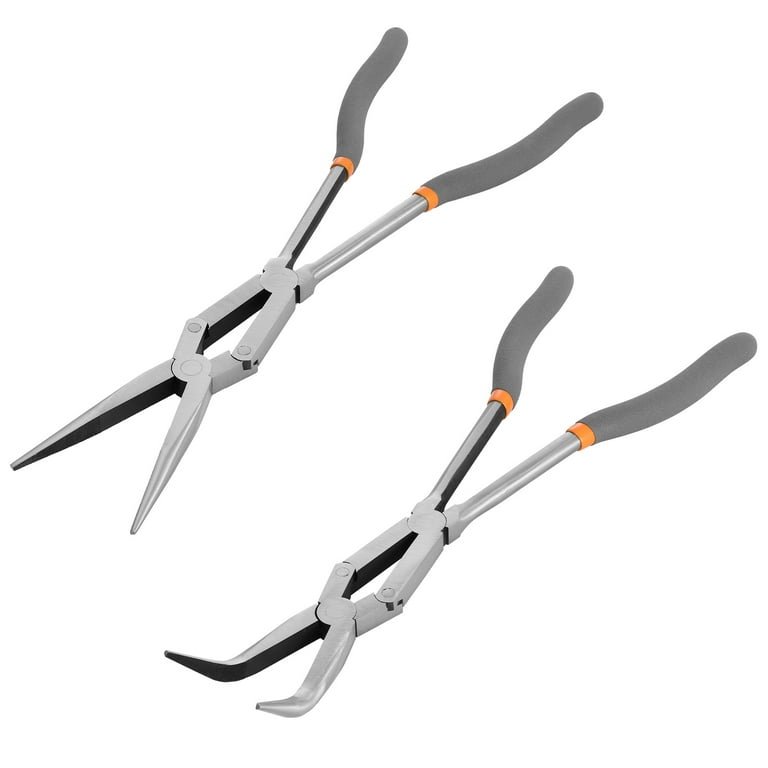
- Long-nose: reach narrow or deep areas
- Wire-cutting nose: cut and grip wires
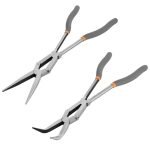
- Bent nose: angled tips for hard-to-reach places
Material And Build Quality
Strong material makes pliers last longer and work better. Look for high-quality steel for durability.
Rust-resistant coatings help keep pliers working well. Forged steel tools hold up under pressure.
- Carbon steel: strong and durable
- Stainless steel: resists rust and corrosion
- Forged construction: better strength and toughness
- Coatings: chrome or black oxide for rust protection
Ergonomic Handles
Comfortable handles reduce hand fatigue during work. Look for grips that fit your hand size well.
Non-slip materials help keep control. Some handles have cushioning to prevent blisters and pressure.
- Rubber or plastic grips for comfort
- Textured handles for better hold
- Proper size to match hand strength
- Cushioned grips reduce stress on hands

Credit: www.amazon.in
Preparing Your Workspace
Setting up your workspace helps you use needle-nose pliers more efficiently. A clean and well-lit area keeps you focused and safe. Organizing your tools saves time and reduces frustration.
Start by arranging your work area to avoid clutter. This makes handling small parts easier and prevents accidents.
Lighting And Visibility
Good lighting is important for detailed work with needle-nose pliers. It helps you see small parts clearly and avoid mistakes.
- Use a bright desk lamp with adjustable arms.
- Choose daylight bulbs to reduce eye strain.
- Keep your workspace free from shadows.
- Position tools and materials within your direct line of sight.
Organizing Tools And Materials
Keep your needle-nose pliers and related tools in easy reach. This saves time and keeps your workflow smooth. Use containers or trays to hold small parts and materials.
| Tool or Material | Storage Tip |
|---|---|
| Needle-Nose Pliers | Hang on a pegboard or keep in a tool holder |
| Screws and Small Parts | Sort in labeled containers or small trays |
| Wire Cutters | Store with pliers for quick access |
| Magnifying Glass | Keep on the desk or attach to a stand |
Proper Grip Techniques
Using needle-nose pliers correctly helps you work safely and efficiently.
Holding the pliers the right way gives better control and precision.
Holding For Precision
Grip the pliers near the middle of the handles. This gives the best balance.
- Hold the handles firmly but not too tight.
- Use your thumb and index finger to guide the tip.
- Keep your wrist straight to avoid strain.
- Rest your other fingers on the handles for support.
Applying Correct Pressure
Use just enough force to hold or bend the object. Too much pressure can damage it.
| Pressure Level | When to Use |
| Light | Holding small wires or delicate parts |
| Medium | Bending thin metal or gripping medium objects |
| Firm | Cutting or twisting thicker materials |
Credit: www.vevor.com
Common Uses And Applications
Needle-nose pliers are handy tools used in many tasks. Their long, thin tips help reach small or narrow spaces.
These pliers are popular for gripping, bending, and cutting wire in crafts and repairs. They give you more control in tight spots.
Bending And Shaping Wire
Needle-nose pliers are perfect for bending wire into shapes. Their pointed tips let you twist and curve wire with ease.
You can make loops, hooks, or angles by gripping wire firmly. This is useful in jewelry making or small repairs.
- Bend wire for craft projects
- Create loops for hanging or linking
- Shape wire to fit into tight designs
Reaching Tight Spaces
The slim nose of these pliers fits into small areas where fingers cannot reach. This helps when working on electronics or machines.
Use needle-nose pliers to hold small parts or pull wires out of crowded spaces. Their design gives better access and control.
- Grab tiny screws or bolts
- Pull wires through tight gaps
- Hold small components steady
Cutting And Stripping
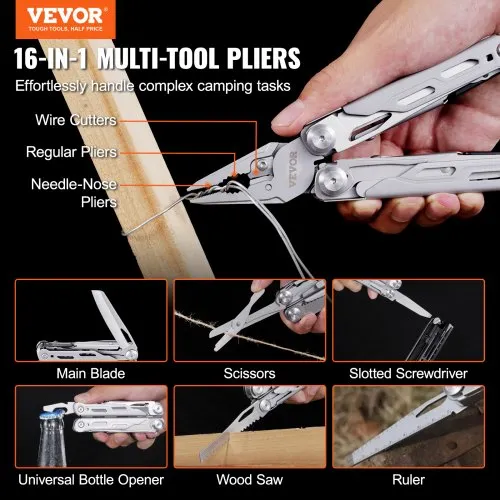
Many needle-nose pliers have a cutting edge near the joint. This lets you cut thin wire or strip insulation without extra tools.
Use the cutting part carefully to avoid damaging the wire. Stripping with the pliers helps prepare wires for connections.
- Cut small gauge wire cleanly
- Strip insulation from wire ends
- Trim excess wire after bending
Maintenance Tips For Longevity
Needle-nose pliers last longer with regular care. Proper maintenance keeps them working well.
Follow simple steps to clean, store, and repair your pliers. This saves money and effort.
Cleaning And Lubrication
Clean needle-nose pliers after each use. Dirt and rust can damage the metal.
Use a soft cloth to wipe the pliers. For sticky spots, use mild soap and water.
- Dry the pliers completely to avoid rust
- Apply light machine oil on the joint area
- Work the oil into the joint by opening and closing the pliers
- Wipe off any extra oil to prevent dust build-up
Storage Best Practices
Store needle-nose pliers in a dry place. Moisture causes rust and weakens the tool.
Keep pliers in a toolbox or hang them on a pegboard. Avoid loose storage that causes damage.
- Use tool organizers to keep pliers separated
- Store in a cool, dry area away from humidity
- Keep away from corrosive chemicals
- Close the pliers slightly to protect the tips
Sharpening And Repairs
Check needle-nose pliers for dull tips or damage. Sharp tips grip better and work safely.
Use a fine metal file or sharpening stone to sharpen the tips carefully. Avoid over-filing.
- Tighten loose pivot joints with a small screwdriver
- Replace worn-out parts if possible
- Do not use pliers with cracked handles or bent jaws
- Test pliers after repairs to ensure smooth action
Safety Precautions
Using needle-nose pliers safely reduces the risk of injury. It also helps you work more efficiently.
Always follow safety rules before and during use. Proper care protects your hands and eyes.
Protective Gear
Wear the right protective gear to avoid accidents. Gloves protect your hands from cuts.
- Use safety glasses to shield your eyes from flying debris
- Wear gloves with a good grip to hold the pliers firmly
- Choose gloves that fit well and do not reduce finger sensitivity
- Wear long sleeves to protect your arms from scratches
Avoiding Common Injuries
Injuries happen when you use needle-nose pliers carelessly. Follow these tips to avoid common problems.
| Common Injury | Cause | Prevention |
|---|---|---|
| Pinched skin | Fingers caught between handles | Keep fingers clear of the joint area |
| Eye injury | Flying metal pieces or wire ends | Always wear safety glasses |
| Hand strain | Using pliers too tightly or for too long | Take breaks and use correct grip strength |
| Slips and cuts | Slippery or oily pliers | Keep tool clean and dry |
Expert Tricks For Efficiency
Needle-nose pliers are great for gripping small objects and bending wires. Using them efficiently saves time and effort.
Learn simple tips to improve your skills. These tricks help you work faster and get better results.
Using Pliers With Other Tools
Needle-nose pliers work best when paired with the right tools. Combining them helps handle tasks that need precision.
Use a wire cutter to trim wires before shaping with pliers. A screwdriver can hold screws steady while you twist wires.
- Hold wires with pliers and cut with wire cutters
- Use a screwdriver to support screws or bolts
- Pair with tweezers for tiny parts
- Use a ruler to measure before bending wires
Customizing Tips For Specific Tasks
Adjust your pliers to match the task. You can change your grip and hand position for better control.
For jewelry work, use soft grips to avoid damage. For electrical work, hold wires firmly but gently to prevent breaks.
- Use finger tips for delicate tasks
- Grip closer to the tip for precision
- Hold near the joint for stronger force
- Wear gloves to improve grip and safety
Speed Techniques
Speed up your work by practicing smooth motions. Avoid stopping and starting to keep your flow steady.
Keep pliers clean and well-oiled. This reduces friction and makes movements easier and faster.
- Practice opening and closing quickly
- Use both hands to position parts faster
- Organize your workspace for easy tool access
- Maintain pliers regularly for smooth action
Frequently Asked Questions
What Are Needle-nose Pliers Used For?
Needle-nose pliers are perfect for gripping small objects and bending wires. They excel in tight spaces and detailed work like jewelry making and electronics.
How To Hold Needle-nose Pliers Correctly?
Grip the handles firmly but not too tight. Position your thumb on one handle and fingers on the other for control and precision.
Can Needle-nose Pliers Cut Wires?
Yes, many needle-nose pliers have a built-in cutting edge near the pivot. Use it to cut thin wires safely and efficiently.
How To Maintain Needle-nose Pliers For Longevity?
Keep them clean and dry. Apply light oil to the joint regularly and store them in a dry place to prevent rust.
Conclusion
Needle-nose pliers can be a handy tool for many tasks. Using them efficiently requires practice and care. Grip gently to avoid damage. Keep them clean for better performance. Choose the right size for your needs. Always store them in a safe place.
With these tips, your tasks become easier and faster. Remember to practice using them regularly. Your skills will improve over time. Needle-nose pliers are versatile and useful in many situations. Whether fixing electronics or crafting, they get the job done.
Enjoy the convenience they bring to your projects.