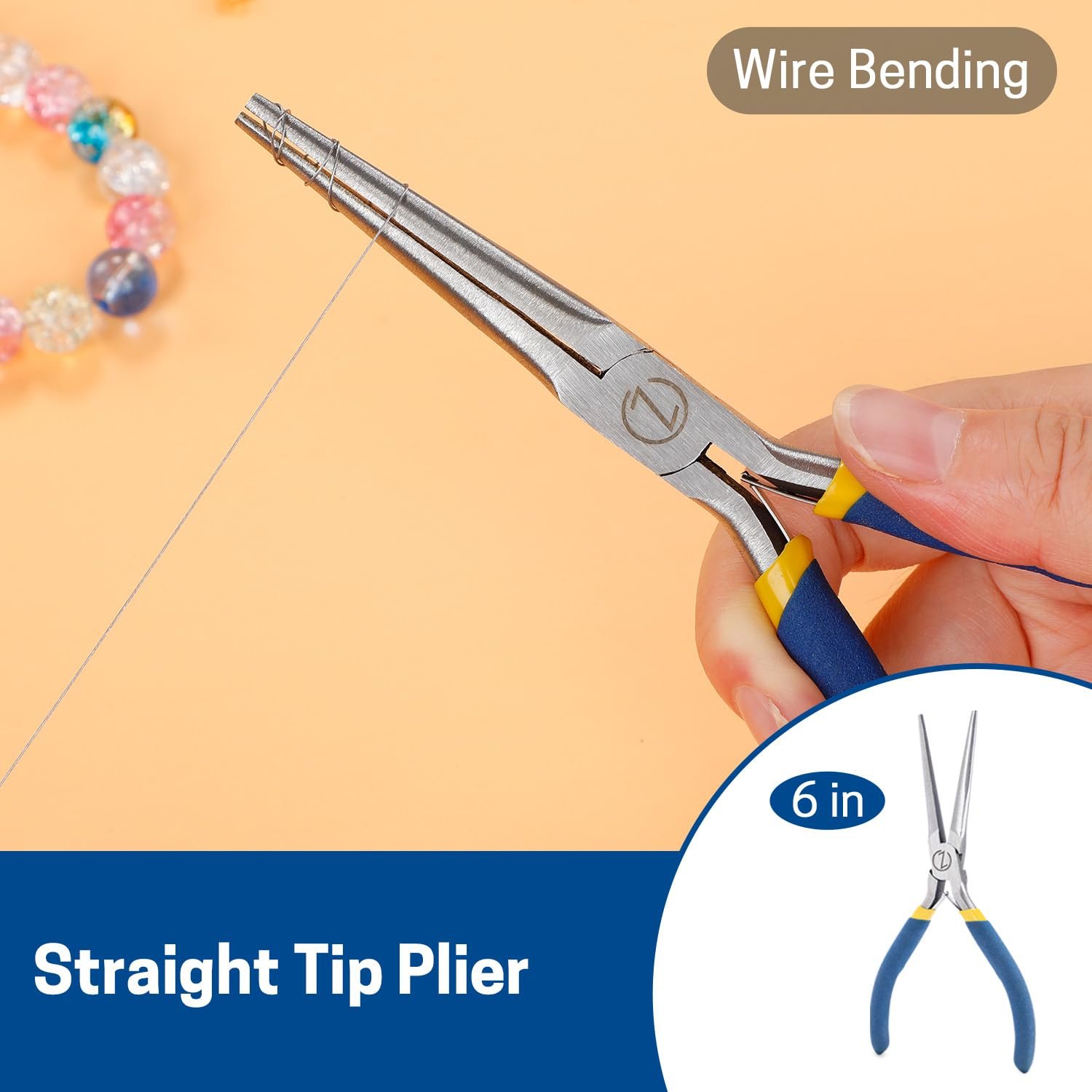
If you’ve ever struggled to bend small wires or delicate materials, needle-nose pliers can be your best friend—when used the right way. But do you know how to get the most precise bends without damaging your work?
You’ll discover simple, practical tips that make bending easier, safer, and more accurate. Whether you’re a beginner or just want to improve your technique, these insights will help you handle your needle-nose pliers like a pro. Keep reading to unlock the secrets that will transform your next project.

Credit: www.amazon.ca
Choosing The Right Pliers
Needle-nose pliers come in many styles and types. Picking the right one helps you bend wires easily.
Look at the material, jaw shape, and handle grip before buying. These affect how well the pliers work.
Material And Build Quality
Choose pliers made of strong steel for long life. High-quality steel resists rust and wear.
Check if the pliers have a smooth finish. Rough edges can damage wires or your hands.
Jaw Shape And Size
The jaw shape must fit the job. Long, thin jaws reach tight spaces. Shorter jaws give more power.
- Pointed jaws for fine detail work
- Flat jaws for bending and holding flat pieces
- Curved jaws for gripping round objects
Handle Grip Types
| Handle Type | Comfort | Grip Strength |
| Plastic Coated | Moderate | Good |
| Rubber Grip | High | Strong |
| Metal Only | Low | Fair |
Pick grips that feel good in your hand. Soft grips reduce hand fatigue during use.
Preparing For Bending
Using needle-nose pliers for bending needs good preparation. This ensures clean bends and protects your tools and materials.
Focus on the right wire, clear bend points, and safety steps before you start bending.
Selecting The Correct Wire Or Material
Choose wire that fits your project needs. Thin wires bend easily. Thick wires need more force and can break pliers.
- Copper wire works well for electrical projects.
- Steel wire is strong but harder to bend.
- Aluminum wire is light and easy to shape.
- Avoid wires with coatings that can damage tool tips.
Marking Bend Points
Mark bend points clearly to get accurate results. Use a marker or tape to show where to bend.
| Tool for Marking | Use |
| Permanent Marker | Draw clear lines on wire |
| Masking Tape | Wrap to mark bend spots |
| Scratch Awl | Make small dents for precision |
Safety Precautions
Protect your eyes and hands while bending wire. Needle-nose pliers can slip and cause injury.
- Wear safety glasses to shield your eyes.
- Use gloves to protect your hands.
- Keep the work area clean and well-lit.
- Check pliers for damage before use.
Basic Bending Techniques
Needle-nose pliers are useful for bending small wires and metal pieces. Learning simple bending techniques helps you work with precision.
This guide covers basic tips for bending using needle-nose pliers. These skills improve your control and results.
Creating Simple Angles
To create a simple angle, hold the wire firmly with the pliers. Bend the wire slowly at the point you want the angle.
Use the tip of the pliers to make sharp, clean bends. Avoid bending too fast to prevent wire damage.
- Grip wire near the bend point
- Bend wire slowly to the desired angle
- Check angle with a ruler or guide
Making Curves And Loops
Use the rounded edges of needle-nose pliers to form smooth curves. Slowly rotate the wire while bending to create loops.
Practice small loops first. This helps you control the size and shape of each curve.
- Hold wire near the tip of the pliers
- Gently bend wire by rotating the pliers
- Adjust the curve by moving the wire
Applying Consistent Pressure
Consistent pressure ensures even bends without damaging the wire. Apply steady force while bending to keep control.
Avoid squeezing too hard at once. Gradually increase pressure to reach the desired bend.
- Hold pliers firmly but not too tight
- Apply slow, even pressure
- Release and adjust if wire feels weak

Credit: www.amazon.ca
Advanced Bending Methods
Needle-nose pliers help shape thin wires and small metal parts. Using advanced bending techniques improves your work quality.
These methods allow you to create detailed designs and precise angles. Practice can make bending easier and more accurate.
Forming Complex Shapes
Complex shapes need careful planning and steady hands. Use the pliers to bend small sections slowly for smooth curves.
Work in stages by bending one part, then adjusting other parts as needed. This helps avoid mistakes and breaks.
- Start with a rough outline of the shape
- Make small bends to control the curve
- Use the pliers’ tip for tight corners
- Check your work often to stay on track
Using The Pliers For Precision Bends
Precision bends require steady pressure and exact angles. Hold the wire close to the bend point for control.
Use the flat inside of the jaws to make clean, sharp bends without damaging the wire surface.
- Grip the wire near the bend spot
- Apply slow, even pressure
- Use the pliers’ tip for small angle bends
- Repeat bends carefully to maintain shape
Combining Multiple Bends
Combining bends creates detailed designs and 3D shapes. Plan the order of bends to avoid conflicts.
Bend in stages and test the shape after each step. Adjust angles to keep the design balanced and accurate.
- Identify all needed bends before starting
- Bend one section at a time
- Use the pliers to fine-tune each bend
- Check the overall shape regularly
Maintaining Your Pliers
Keeping your needle-nose pliers in good shape helps them last longer. Regular care improves their bending performance.
Simple maintenance tasks prevent rust and damage. This guide covers cleaning, sharpening, and storage tips.
Cleaning And Lubrication
Clean your pliers after each use to remove dirt and grease. Use a dry cloth or brush to clear debris from the jaws and hinges.
- Wipe with a damp cloth if needed, then dry completely.
- Apply a drop of light machine oil to the hinge to keep it moving smoothly.
- Use a cloth to spread oil evenly and remove excess.
- Do not soak pliers in water to avoid rust.
Sharpening And Jaw Alignment
Sharp jaws grip better and make bending easier. Keep the edges clean and even for best results.
| Task | How To Do It |
| Sharpening | Use a fine file to gently sharpen jaws. Work evenly on both sides. |
| Jaw Alignment | Check if jaws close tightly. Adjust by bending handles slightly if needed. |
| Check for Damage | Look for chips or cracks in the jaws and handles. |
Storage Tips
Store pliers in a dry place to stop rust and damage. Use a toolbox or hang them on a pegboard.
- Keep pliers away from moisture and dust.
- Store in a dedicated spot to avoid dropping or bending.
- Use protective covers on the jaws if available.
- Inspect pliers before use after storage.
Common Mistakes To Avoid
Needle-nose pliers are handy for bending wires and small parts. Using them incorrectly can cause damage or make your work harder.
Watch out for common mistakes. Avoiding these helps protect your tools and materials.
Overbending And Material Damage
Bending wires or metal too much with needle-nose pliers can weaken or break the material. Overbending causes cracks or permanent damage.
- Do not bend the wire beyond its limit.
- Use gentle pressure to avoid sharp bends.
- Check the material’s flexibility before bending.
- Use the right pliers for thick or hard materials.
Incorrect Grip Techniques
Holding needle-nose pliers the wrong way reduces control. It can cause slipping or uneven bends. Use a firm but relaxed grip.
| Grip Type | Effect |
|---|---|
| Too tight | Hand fatigue and tool damage |
| Too loose | Slipping and poor control |
| Wrong angle | Uneven bending and wire damage |
| Proper grip | Better control and safer use |
Ignoring Tool Wear
Needle-nose pliers wear down over time. Dull jaws or loose joints reduce effectiveness. Check your tools before each use.
Signs to watch for:
- Worn or rounded jaw edges
- Loose pivot joints
- Rust or corrosion on the metal parts
- Handle grips that are damaged or missing

Credit: spannerss.wordpress.com
Frequently Asked Questions
What Are Needle-nose Pliers Used For In Bending?
Needle-nose pliers are ideal for bending small wires and tight corners. Their pointed tips help reach confined spaces precisely. They offer excellent control for detailed bending tasks in jewelry, electronics, and crafts.
How To Bend Wire Safely With Needle-nose Pliers?
Hold the wire firmly near the bend point. Apply steady pressure with the pliers’ jaws without forcing. Bend slowly to avoid wire breakage or uneven shapes. Always wear safety glasses to protect your eyes.
Can Needle-nose Pliers Bend Thick Wires Effectively?
Needle-nose pliers work best on thin to medium gauge wires. Thick wires may damage the pliers or require more force than they can handle. For thick wires, use heavy-duty pliers designed for stronger bending tasks.
How To Maintain Needle-nose Pliers For Bending Tasks?
Clean the pliers after each use to remove debris and residue. Lubricate the joint regularly for smooth operation. Store them in a dry place to prevent rust and prolong their bending precision.
Conclusion
Needle-nose pliers are handy for bending tasks. They offer precision and control. Practice leads to better results. Choose the right pliers for your project. Clean your tools after use. This keeps them in good shape. Handle with care to avoid injury.
Take breaks to rest your hands. Keep learning to improve skills. Each project teaches something new. With time, you’ll become more confident. Enjoy the process and have fun. Your skills will grow with each bend. Happy crafting!