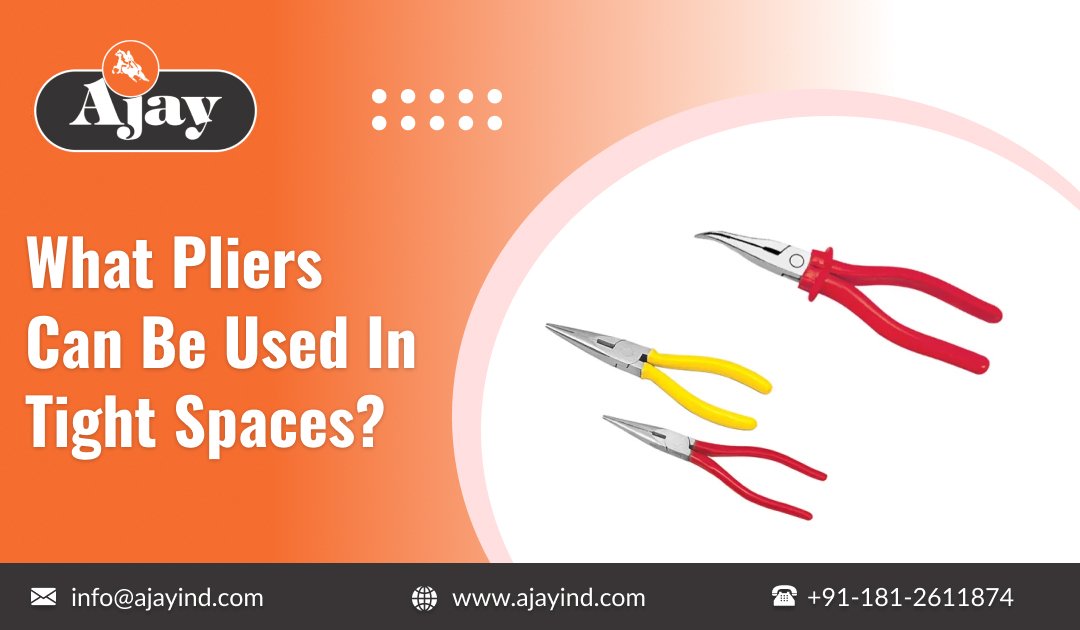
Have you ever struggled to reach a tiny screw or bend a wire in a cramped spot? Needle-nose pliers are your best friend in those tight spaces.
But using them effectively takes more than just holding them right. With the right tips, you can work faster, avoid frustration, and get the job done perfectly every time. Keep reading, and you’ll discover simple tricks that make your needle-nose pliers feel like an extension of your hand—no matter how small the space.
Choosing The Right Pliers
Needle-nose pliers help you reach small spaces easily. Picking the right pliers makes your work safer and faster.
Focus on size, length, material, and grip to find the best tool for tight spots.
Size And Length Considerations
Choose pliers with a length that fits the space you work in. Short pliers fit tight spots better.
Longer pliers give more reach but may be hard to control in small areas.
- Short pliers for very tight spaces
- Medium length for general use
- Long pliers for deep or hard-to-reach spots
Material And Grip Types
Pliers come in different materials like steel or stainless steel. Choose a strong material that lasts long.
Grips can be rubber or plastic. Rubber grips offer better comfort and prevent slipping.
- Steel for strength and durability
- Stainless steel for rust resistance
- Rubber grips for comfort and safety
- Plastic grips for lightweight feel

Credit: www.amazon.com
Prepping Your Workspace
Using needle-nose pliers in tight spaces needs a clean and well-lit workspace. Preparing your area helps you work better and safer.
Small tools and parts can get lost if your workspace is messy. Good lighting lets you see clearly and avoid mistakes.
Clearing Clutter
Remove all unnecessary items from your work area. This gives you more room to move and reduces distractions.
Keep only the tools and parts you need nearby. This saves time and keeps your focus on the task.
- Clear off your workbench or table
- Put away unused tools and supplies
- Organize parts in small containers
- Keep a trash bin close for scraps
Lighting And Visibility Tips
Good lighting helps you see small parts and tight spots. Use bright lights that do not cause glare or shadows.
Try adjustable lamps or headlamps to focus light exactly where you need it. Natural light is also helpful if available.
- Use a desk lamp with a flexible arm
- Wear a headlamp to keep hands free
- Position lights to avoid shadows
- Work near a window during the day
Techniques For Tight Spaces
Needle-nose pliers work well in small spaces where fingers cannot reach. Using the right techniques helps you work safely and easily.
This guide covers how to hold and move pliers in tight spots. Proper hand use and angle changes improve control and results.
Proper Hand Positioning
Hold the pliers close to the jaws for better control. Keep your wrist straight to avoid strain and improve precision.
Rest your hand lightly on a stable surface to steady your movements. Avoid gripping too hard to prevent hand fatigue.
- Grip near the tip for accuracy
- Keep wrist aligned with forearm
- Use a light, steady hold
- Support your hand on a flat surface
Angle Adjustments
Adjust the pliers’ angle to fit the space. Slight changes let you reach around corners or obstacles easily.
Turn the handles in small steps to open or close the jaws in tight spots. Keep the tool aligned with your target for best grip.
- Rotate pliers to match space shape
- Use small handle movements
- Keep jaws parallel to the object
- Shift angle to avoid blocking parts
Using Both Hands Effectively
Use one hand to hold the pliers and the other to support the workpiece. This helps keep both tools and parts steady.
If needed, use your free hand to adjust the angle or position of the pliers. Working with both hands improves control and safety.
- Hold pliers firmly with dominant hand
- Use other hand to steady object
- Adjust tool angle with free hand
- Work slowly to avoid slips
Enhancing Precision
Using needle-nose pliers in tight spaces can be tricky. You need control and accuracy to avoid mistakes.
Improving precision helps you handle small parts carefully. It also reduces damage to nearby components.
Steadying Your Grip
Hold the pliers firmly but not too tight. A steady grip stops slipping and gives better control.
Use your whole hand, not just fingers. This spreads pressure and keeps the pliers steady in small spaces.
- Keep your wrist straight to avoid shaking
- Rest your hand on a surface for stability
- Use pliers with comfortable handles for better hold
Controlled Pressure Application
Apply gentle pressure when gripping objects. Too much force can damage parts or make you lose control.
Use slow, steady movements to adjust your grip. This helps keep precision in tight or hard-to-reach spots.
- Start with light pressure and increase only if needed
- Release the grip slowly to avoid sudden slips
- Practice on scrap materials to feel the right pressure
Maintenance For Optimal Performance
Needle-nose pliers work best when kept clean and well maintained. Regular care extends their life and ensures smooth use in tight spaces.
Simple maintenance steps help avoid rust and damage. This keeps the tool ready for precise work anytime you need it.
Cleaning And Lubricating
Clean your needle-nose pliers after each use to remove dirt and grease. Use a soft cloth and mild cleaner for best results.
- Wipe the jaws and handles thoroughly.
- Use a small brush to clean hard-to-reach areas.
- Apply a drop of light machine oil on the joint.
- Open and close the pliers several times to spread the oil evenly.
- Remove excess oil with a clean cloth to avoid dust buildup.
Inspecting For Wear And Damage
Check your pliers regularly for signs of wear or damage. This helps prevent accidents and poor tool performance.
| Part | What to Check | Action if Damaged |
|---|---|---|
| Jaws | Look for chips, bends, or worn teeth | Replace pliers or jaws if possible |
| Joint | Check for looseness or stiffness | Tighten or lubricate the joint |
| Handles | Inspect grips for cracks or wear | Replace grips or use tape for better hold |
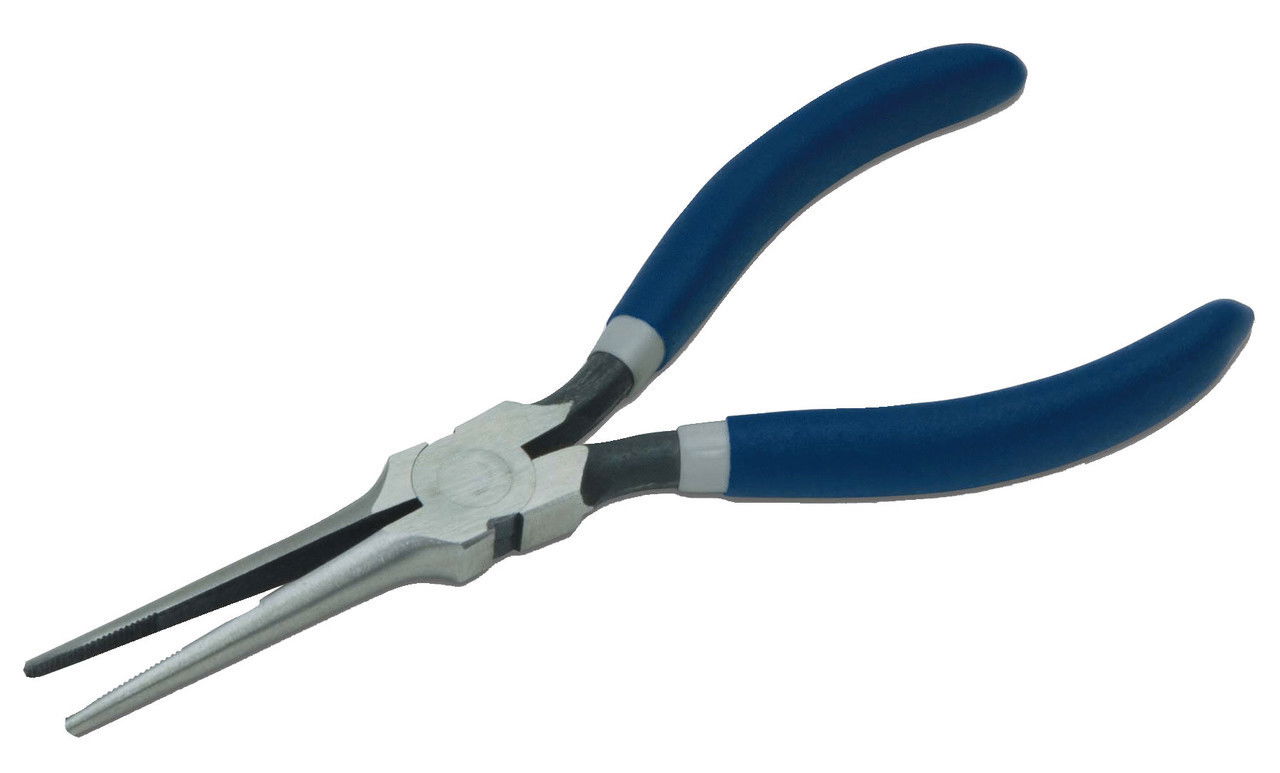
Credit: www.moser-kranbau.at
Safety Practices
Needle-nose pliers are great for working in small, tight spaces. Using them safely helps avoid injuries and mistakes.
Follow simple safety steps to protect yourself and work better with these tools.
Protecting Your Hands
Hands are close to the tool when using needle-nose pliers. Protecting them prevents cuts and pinches.
Wear gloves made for grip and protection. Keep your hands dry and clean to avoid slipping.
- Use gloves that fit well and allow finger movement
- Keep plier handles clean and free of oil
- Do not squeeze too hard to avoid hand strain
- Check for sharp edges on the tool before use
Avoiding Tool Slips
Tool slips can cause injury or damage the workpiece. Hold pliers firmly and focus on your task.
Use the right size and type of needle-nose pliers for the job. Make sure the tool is in good condition.
- Keep your grip steady but not too tight
- Position your hands to avoid sudden slips
- Work slowly in tight spaces for better control
- Inspect pliers regularly for wear and damage

Credit: www.amazon.ca
Frequently Asked Questions
What Are Needle-nose Pliers Best Used For In Tight Spaces?
Needle-nose pliers are ideal for gripping small objects in narrow areas. Their long, slender jaws reach into tight spots, making them perfect for electrical work, jewelry repair, and detailed crafts.
How To Improve Grip With Needle-nose Pliers?
To improve grip, apply steady pressure without forcing the tool. Use pliers with textured jaws for better hold. Position the pliers correctly to avoid slipping in confined spaces.
Can Needle-nose Pliers Damage Delicate Wires?
Yes, excessive force can damage wires. Use gentle pressure and avoid squeezing too hard. Choose pliers with smooth or insulated jaws to protect delicate wires from scratches.
What Safety Tips Should I Follow Using Needle-nose Pliers?
Wear safety glasses to protect your eyes. Keep fingers clear of the jaws when closing. Use the right size pliers for the job to avoid accidents in tight spaces.
Conclusion
Needle-nose pliers are essential for tight spaces. They offer precision and control. Keep them handy for tricky tasks. Choose the right size for your needs. Practice makes using them easier. Always prioritize safety during use. Check the grip for comfort and efficiency.
These tips ensure effective usage. Improve your projects with patience and practice. Happy crafting and repairing!