Struggling to get a firm grip on tiny objects with your pliers? You’re not alone.
Many people find it tricky to handle small items precisely. Whether you’re fixing a broken piece of jewelry, working on a delicate craft, or tackling a DIY home project, mastering the art of using pliers can make a world of difference.
Imagine being able to complete your tasks with ease and precision. Doesn’t that sound satisfying? You’ll discover practical tips that will transform your experience with pliers, helping you achieve the perfect grip every time. Stay with us, and unlock the secrets to making your tasks not just easier, but also more enjoyable.
Credit: www.familyhandyman.com
Choosing The Right Pliers
Pliers are useful tools for gripping small objects. Picking the right pair makes work easier and safer.
Different types and materials suit different tasks. Knowing what to look for helps you handle small items better.
Types Suited For Small Objects
Needle-nose pliers are ideal for tiny or hard-to-reach items. They have long, thin jaws that give precise control.
- Needle-nose pliers: best for fine gripping and bending.
- Flat-nose pliers: good for holding flat pieces without slipping.
- Round-nose pliers: useful for bending wire or making loops.
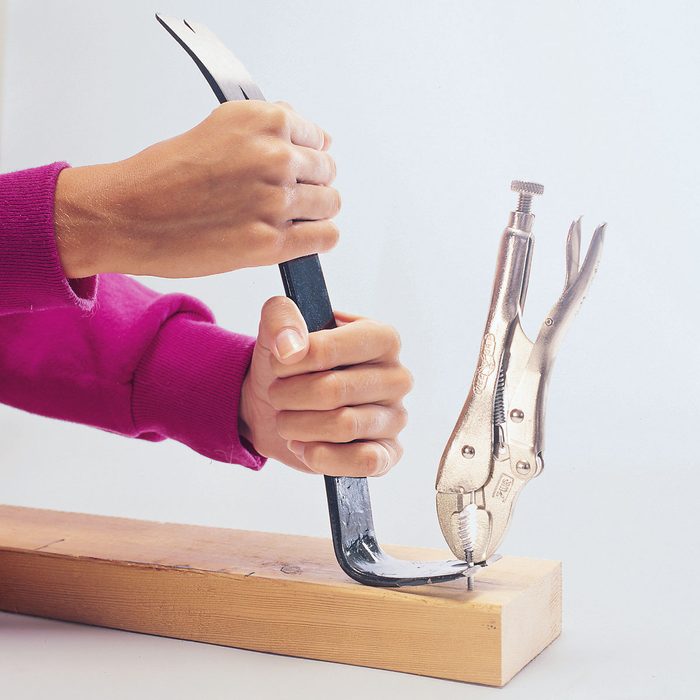
- Locking pliers: can hold objects tightly without effort.
Material And Grip Considerations
The material of pliers affects their strength and durability. The handle grip also impacts comfort and control.
| Material | Benefit | Drawback |
| Steel | Strong and durable | Heavier weight |
| Stainless steel | Rust resistant | Can be more costly |
| Aluminum | Lightweight | Less strong |
Look for handles with rubber or textured covers. These prevent slipping and reduce hand strain.
- Soft grips provide comfort for long use.
- Textured grips help hold pliers firmly.
- Insulated grips protect against electric shock.
Preparing Your Workspace
Using pliers to grip small objects requires a well-prepared workspace. A neat area helps you work safely and accurately.
Good preparation reduces mistakes and makes the task easier. Focus on lighting, visibility, and surface stability.
Lighting And Visibility
Bright, even lighting helps you see small objects clearly. Avoid shadows that can hide details or cause eye strain.
Use a desk lamp or natural light near a window. Position light so it shines directly on your work area.
- Use white light bulbs for true color view
- Adjust lamp angle to reduce glare
- Keep your workspace free from clutter to improve visibility
Surface Stability
A stable surface keeps small objects steady while you work. It prevents slipping and helps you hold objects firmly with pliers.
Choose a flat table or workbench. Use a non-slip mat or cloth to stop items from moving around.
- Clear the surface before starting
- Use rubber mats or grip pads for extra stability
- Keep tools within reach to avoid moving too much
Proper Hand Positioning
Using pliers to grip small objects needs careful hand placement. Proper positioning helps you hold objects firmly.
Good hand positioning reduces the chance of slipping and gives better control.
Grip Techniques
Hold the pliers near the joint for the strongest grip. This gives better force and control.
Use your thumb and fingers to wrap around the handles firmly. Avoid holding too tight to prevent slipping.
- Place your thumb on one handle and fingers on the other.
- Keep your wrist straight to improve leverage.
- Adjust your grip to match the size of the object.
Preventing Hand Fatigue
Take short breaks if you use pliers for a long time. This helps your hand muscles rest.
Use smooth, steady pressure instead of squeezing hard. This reduces strain on your hand.
- Hold pliers with a relaxed but firm grip.
- Switch hands if possible to share the work.
- Stretch your fingers and hand between tasks.

Credit: www.thisoldhouse.com
Securing Small Objects
Pliers are useful tools for holding small objects firmly. Using them correctly makes tasks easier and safer.
It is important to grip objects without slipping or causing damage. Proper technique helps you work better.
Optimal Pressure Application
Apply just enough pressure to hold the object. Too little pressure lets it slip. Too much can break or deform it.
- Grip firmly but gently
- Test the hold by moving the object slightly
- Adjust pressure if the object feels loose or crushed
- Use pliers with textured jaws for better grip
Avoiding Damage
Protect small objects from scratches or dents while gripping. Use soft jaw covers or cloth if needed.
| Tip | Reason |
| Use rubber or plastic jaw covers | Prevents scratching delicate surfaces |
| Do not over-tighten | Avoids bending or breaking small parts |
| Choose the right pliers size | Ensures proper fit and control |
| Keep jaws clean | Improves grip and prevents damage |
Using Pliers With Precision
Pliers help you hold small objects firmly. Using them with care keeps your work neat.
Precision is key. It protects the object and gives you better control.
Steady Movements
Move your hands slowly and steadily. Quick moves can slip or damage the object.
- Keep your wrist firm but relaxed
- Hold the pliers close to the object
- Use your whole hand, not just fingers
- Practice steady pressure when gripping
Adjusting Grip Mid-task
Sometimes you need to change your grip without dropping the object. Adjust carefully.
| Grip Type | When to Use | Tip |
| Light Grip | Holding fragile items | Apply gentle pressure |
| Firm Grip | Moving or twisting objects | Increase pressure slowly |
| Reposition Grip | Changing angles or sides | Release slightly, then re-grip |

Credit: www.youtube.com
Maintenance Tips For Pliers
Pliers help grip small objects better. Keeping them clean and well cared for makes them last longer.
Good maintenance keeps pliers working smoothly. It also prevents rust and damage.
Cleaning And Lubrication
Clean pliers after each use. Dirt and grease can build up and cause problems.
Lubricate the pivot joint to keep it moving freely. This stops stiffness and wear.
- Wipe pliers with a dry cloth to remove dust and dirt
- Use a small brush to clean hard-to-reach areas
- Apply a drop of light oil on the pivot joint
- Open and close pliers several times to spread the oil
- Wipe off extra oil to avoid attracting dust
Storage Best Practices
Store pliers in a dry place to avoid rust. Keep them organized to prevent damage.
A proper storage spot helps find pliers quickly and keeps them safe.
- Use a toolbox or tool organizer with separate slots
- Keep pliers away from moisture and humidity
- Cover pliers with a cloth or pouch if possible
- Check stored pliers regularly for rust or dirt
- Do not store pliers where they can fall or get crushed
Frequently Asked Questions
What Types Of Pliers Are Best For Small Objects?
Needle-nose and flat-nose pliers are ideal for gripping small objects. They offer precision and control due to their slim, pointed tips. These pliers allow you to handle delicate items without causing damage, making them perfect for jewelry, electronics, and detailed craft work.
How Do I Avoid Damaging Objects With Pliers?
Use pliers with smooth or padded jaws to prevent scratches. Apply gentle pressure and avoid squeezing too hard. Holding the object steadily and adjusting your grip helps maintain control. Always choose the right pliers size for the task to minimize the risk of damage.
Can I Use Regular Pliers For Tiny Parts?
Regular pliers can be too bulky for small parts. They lack the precision needed for delicate tasks. Using specialized small or needle-nose pliers improves grip and accuracy. Investing in the right tool ensures better results and protects the items you handle.
How To Maintain Pliers For Effective Gripping?
Clean pliers after each use to remove debris and oils. Lubricate the pivot joint regularly for smooth operation. Store pliers in a dry place to prevent rust. Proper maintenance keeps the tool reliable and extends its lifespan, ensuring consistent grip performance.
Conclusion
Using pliers to grip small objects becomes easier with practice. Choose the right pliers for the task. Hold objects firmly but gently to avoid damage. Keep your hands steady and focus on control. Regularly check the pliers for wear and tear.
Clean and store them properly after use. These simple tips help you work safely and efficiently. Small tasks become less frustrating and more precise. Give these methods a try and see the difference.