When it comes to mechanical repairs, your toolbox is your best friend, and pliers are a key player in that relationship. Whether you’re a seasoned mechanic or a DIY enthusiast, knowing how to use pliers effectively can make all the difference in your repair projects.
Imagine tackling a stubborn bolt or twisting wires effortlessly; the right techniques can transform these tasks from frustrating to satisfying. In this guide, you’ll discover simple yet powerful tips to harness the full potential of pliers. By the end, you’ll not only save time but also enhance the quality of your work.
Curious to learn how to turn your plier skills from good to great? Let’s dive into these invaluable tips that promise to elevate your mechanical repair game.
Choosing The Right Pliers
Pliers are important tools for mechanical repairs. Picking the right pliers makes your work easier and safer.
Different tasks need different pliers. Knowing which type to use helps you fix problems faster.
Types Of Pliers For Repairs
There are many pliers made for specific jobs. Each type has a shape and size for certain tasks.
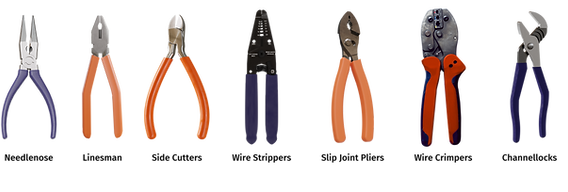
- Needle-nose pliers: Good for tight spaces and small parts.
- Slip-joint pliers: Adjustable jaws for gripping different sizes.
- Linesman pliers: Strong grip for cutting and twisting wires.
- Locking pliers: Lock in place to hold objects firmly.
- Diagonal cutting pliers: Best for cutting wires and nails.
Material And Grip Considerations
Pliers should be made from strong materials like steel. This makes them last longer and resist damage.
A good grip helps you hold pliers without slipping. Handles with rubber or textured covers reduce hand fatigue.
- Steel body for strength and durability
- Rust-resistant coating for long use
- Rubber handles for comfort and slip prevention
- Ergonomic design to fit your hand
Credit: www.familyhandyman.com
Preparing For Mechanical Repairs
Using pliers safely and effectively starts with good preparation. Before you begin mechanical repairs, it is important to get ready. This helps prevent accidents and makes your work easier.
Gathering the right tools and checking their condition saves time. Follow simple safety and maintenance tips to keep your pliers ready for use.
Safety Precautions
Always put safety first when using pliers. Protect yourself and those around you by following these precautions.
- Wear safety glasses to protect your eyes.
- Check the pliers for damage before use.
- Use pliers for their intended purpose only.
- Keep your work area clean and well-lit.
- Never use excessive force that could cause slips.
Tool Maintenance Tips
Well-maintained pliers last longer and work better. Regular care helps prevent rust and damage.
| Maintenance Task | How Often | Details |
| Clean after use | Every time | Wipe off dirt and grease with a cloth |
| Lubricate joints | Monthly | Apply light oil to keep movement smooth |
| Check for rust | Weekly | Remove rust with fine sandpaper if found |
| Tighten screws | Monthly | Ensure handles and jaws are secure |
Effective Pliers Techniques
Pliers are important tools for many mechanical repairs. Using them right makes your work easier and safer.
Good techniques help you hold parts firmly and avoid damage. Learn how to use pliers well for better results.
Proper Hand Positioning
Hold pliers with your dominant hand for better control. Place your thumb on one handle and fingers on the other.
Keep your wrist straight to avoid strain. Use your whole hand, not just fingers, to squeeze the handles.
- Grip handles near the base for more power
- Keep fingers away from the joint to avoid pinching
- Use a comfortable grip to reduce hand fatigue
Controlling Pressure And Grip
Apply steady pressure to hold parts firmly. Avoid squeezing too hard to prevent damage or slipping.
Adjust your grip based on the task. Use a light grip for delicate parts and a stronger grip for tough jobs.
- Start with gentle pressure, increase if needed
- Release grip slowly to keep control
- Check part movement often to avoid slipping
Using Pliers For Tight Spaces
Choose smaller pliers or needle-nose types for tight spots. They fit better and allow precise work.
Angle your wrist to reach difficult areas. Use slow, careful movements to avoid damage in close spaces.
- Use angled pliers to access narrow parts
- Hold pliers close to the joint for better control
- Work slowly to avoid slipping or scratching
Common Mistakes To Avoid
Pliers are useful tools in mechanical repairs. Using them correctly can save time and effort.
Some mistakes can damage the tool or the parts you work on. Avoiding these errors helps keep your work safe and efficient.
Overusing Force
Using too much force with pliers can damage the tool or the part. Pliers are not meant to replace wrenches or other heavy tools.
Applying extra force can break the plier jaws or slip and hurt your hands. Use the right tool if more power is needed.
- Do not twist or bend parts beyond the tool’s limits
- Check if the part needs a wrench or socket instead
- Use steady pressure, not sudden force
- Let the tool do the work, avoid overgripping
Using Wrong Pliers For The Job
There are many types of pliers. Using the wrong one can make the repair harder or cause damage.
Each plier type has a specific use. For example, needle-nose pliers are for precision work, not heavy gripping.
- Use slip-joint pliers for general gripping and bending
- Use locking pliers to hold parts firmly in place
- Use needle-nose pliers for tight or small spaces
- Avoid using cutting pliers for gripping tasks
Advanced Pliers Applications
Pliers are a key tool for many mechanical repairs. Beyond gripping, they help with detailed tasks. Using pliers correctly improves work quality and safety.
Advanced uses include bending metal and handling wires. Learning these skills makes repairs easier and more precise.
Bending And Shaping Metal
Pliers can bend small metal parts to fit tight spaces. Use needle-nose or flat-nose pliers for better control. Always bend slowly to avoid breaking the metal.
- Grip the metal firmly but without crushing it.
- Use both hands for even pressure.
- Work in small bends to reach the desired shape.
- Check the angle frequently to avoid over-bending.
Wire Cutting And Stripping
Pliers with wire cutting edges help remove insulation cleanly. Stripping wires without damage is important to maintain good connections.
| Type of Pliers | Best Use | Tip |
| Diagonal Cutting Pliers | Cutting wires | Cut close to the joint for a clean end |
| Needle-Nose Pliers | Stripping insulation | Use the right notch size to avoid wire damage |
| Combination Pliers | Cutting and gripping wires | Good for twisting wires together |

Credit: www.diversitech-global.com
Maintaining Pliers For Longevity
Pliers are essential tools for many mechanical repairs. Keeping them in good shape helps them last longer and work better.
Proper care includes cleaning, lubricating, and storing the pliers correctly. These simple steps prevent damage and rust.
Cleaning And Lubrication
After using pliers, wipe them clean to remove dirt, grease, and metal particles. This prevents buildup that can cause rust.
- Use a dry cloth or a soft brush to clean the teeth and joints.
- If needed, apply a mild detergent and water, then dry thoroughly.
- Apply a light machine oil to the joint to keep it moving smoothly.
- Wipe off excess oil to avoid attracting dust and dirt.
Storage Best Practices
Store pliers in a dry place to prevent moisture and rust. Organizing your tools helps protect them from damage.
| Storage Tip | Reason |
| Keep pliers in a toolbox or tool bag | Protects from dust and moisture |
| Use tool racks or holders | Keeps tools organized and easy to find |
| Store with rust inhibitors like silica gel packs | Reduces humidity inside storage |
| Do not leave pliers outside or in damp areas | Prevents rust and corrosion |

Credit: www.familyhandyman.com
Frequently Asked Questions
What Types Of Pliers Are Best For Mechanical Repairs?
Needle-nose, slip-joint, and locking pliers are ideal for mechanical tasks. Each offers specific grip and control benefits. Choosing the right type enhances efficiency and safety during repairs.
How Do I Maintain Pliers For Long-lasting Use?
Clean pliers after every use and apply light oil to joints. Store them in a dry place to prevent rust. Regular maintenance ensures smooth operation and extends tool life.
Can Pliers Damage Mechanical Parts During Repairs?
Yes, using excessive force or the wrong pliers can damage parts. Always select the correct plier type and apply gentle pressure. Proper technique prevents damage and improves repair quality.
What Safety Tips Should I Follow When Using Pliers?
Wear safety goggles and gloves to protect yourself. Ensure a firm grip and avoid overextending the pliers. Following safety measures reduces injury risks and ensures effective repairs.
Conclusion
Using pliers safely makes mechanical repairs easier and faster. Choose the right pliers for each task to avoid damage. Keep a firm grip and apply steady pressure for best results. Clean and store your tools after use to keep them in good shape.
Practice these tips often to build your confidence and skill. Small habits lead to better repairs and less frustration. Stay patient, work carefully, and your repairs will improve over time.