Are your hedges looking a bit unruly or overgrown? With the right set of pruning shears and a few smart techniques, you can transform them into neat, beautiful shapes that enhance your garden’s appeal.
Whether you’re a seasoned gardener or just starting out, mastering the art of using pruning shears can make a world of difference. Imagine the satisfaction of perfectly trimmed hedges that not only boost your home’s curb appeal but also make your outdoor space more enjoyable.
You’ll discover essential tips for using pruning shears on hedges that will make the task easier, more efficient, and even a little fun. Get ready to dive in and unlock the secrets to a stunning garden!

Credit: www.youtube.com
Choosing The Right Shears
Pruning shears help keep hedges neat and healthy. Picking the right shears makes the job easier and safer. Consider the types, materials, and comfort features before buying.
Good shears cut cleanly without damaging plants. They should fit your hand well and last a long time. Read on to learn what to look for.
Types Of Pruning Shears
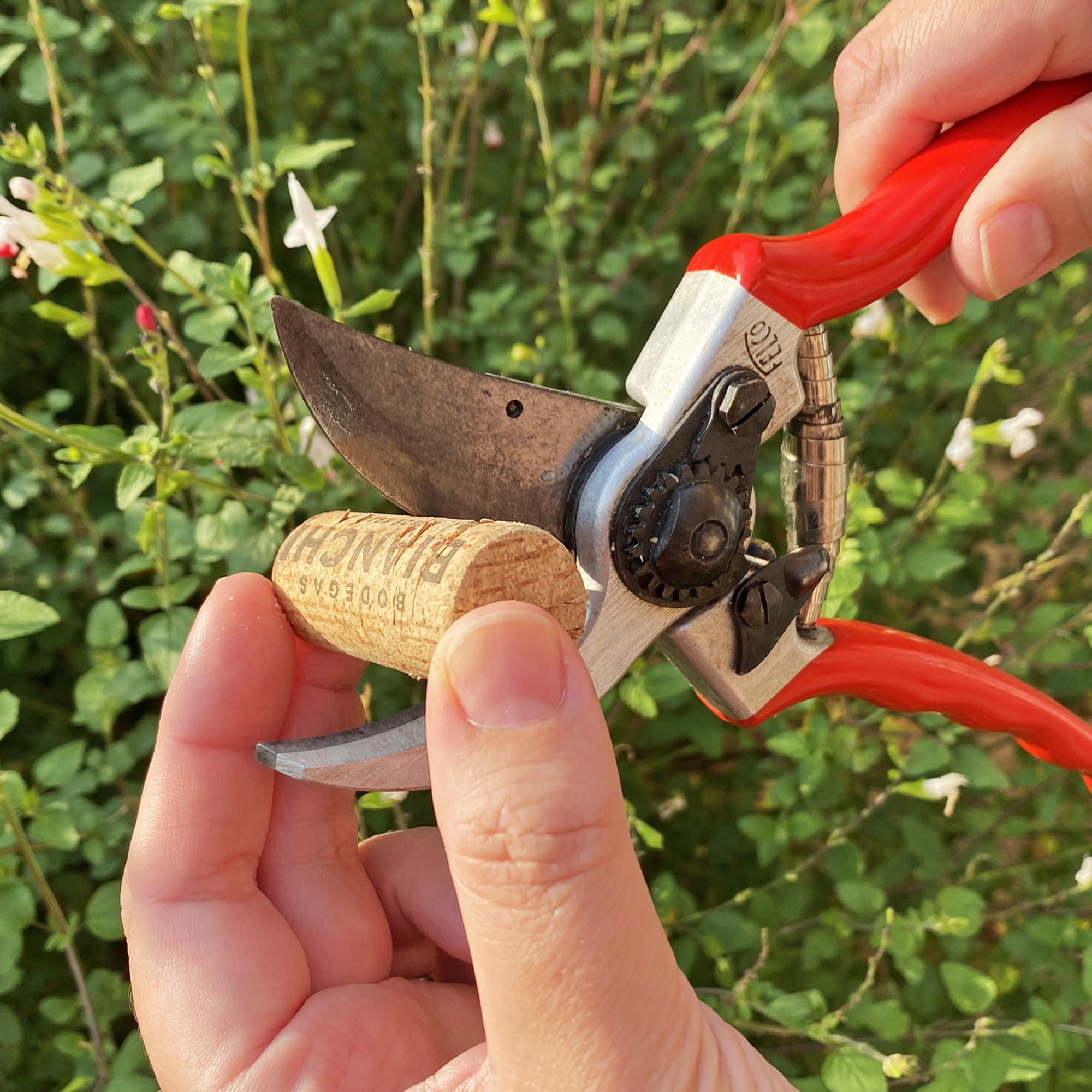
There are three main types of pruning shears. Each works best for different tasks and hedge sizes.
- Bypass shears:Have two blades that pass each other like scissors. They give clean cuts and are good for live branches.
- Anvil shears:Have one sharp blade that cuts against a flat surface. They work well for dead wood and thick branches.
- Ratchet shears:Use a mechanism to increase cutting power. They help cut thick stems with less effort.
Blade Materials And Durability
Blade quality affects how well shears cut and how long they last. Choose strong materials that resist rust and dulling.
| Blade Material | Features | Durability |
|---|---|---|
| Carbon Steel | Sharp and easy to sharpen | Can rust if not cared for |
| Stainless Steel | Resists rust and stains | Lasts long with low maintenance |
| Chrome Vanadium | Strong and corrosion-resistant | Very durable for tough jobs |
Comfort And Grip Features
Comfort matters if you prune often. Good grips reduce hand strain and prevent slipping.
- Look for cushioned handles to soften pressure.
- Choose shears with ergonomic shapes for your hand size.
- Non-slip materials help you hold shears firmly.
- Some shears have locking mechanisms for safety.
Credit: www.leaflimb.com
Preparing Your Shears
Using pruning shears for hedges is easier with well-prepared tools. Proper care helps your shears last longer and work better.
Before you start trimming, take time to clean, sharpen, and check your shears. This keeps your work safe and smooth.
Cleaning And Sharpening Blades
Clean blades remove sap and dirt that can stop shears from cutting well. Use a cloth or brush to wipe the blades clean after each use.
Sharpen dull blades with a sharpening stone or file. Sharp blades make clean cuts and protect plant health.
- Wipe blades with soapy water, then dry them.
- Use a sharpening stone at a 20-degree angle.
- Sharpen both sides evenly for a smooth edge.
- Remove metal filings with a clean cloth.
Lubrication For Smooth Operation
Lubricate your shears to reduce friction and prevent rust. This helps the blades open and close smoothly.
Use light oil or a silicone spray on the pivot point and blades. Wipe off any extra oil to avoid dirt build-up.
- Apply a few drops of oil on the pivot bolt.
- Spread oil along the blade edges.
- Open and close shears to spread oil evenly.
- Wipe excess oil with a soft cloth.
Safety Checks Before Use
Check your shears for damage before each use. Look for loose parts or cracks that can cause accidents.
Tighten screws and bolts if needed. Make sure the blades line up correctly and lock safely when closed.
- Inspect handles for cracks or splits.
- Ensure the locking mechanism works well.
- Check that blades close tightly without gaps.
- Replace worn or broken parts immediately.
Techniques For Precise Cuts
Using pruning shears well helps keep hedges healthy and neat. Precise cuts make plants grow better and look tidy.
Good cutting techniques protect plants and save your time. Focus on how you hold, angle, and press the shears.
Proper Hand Positioning
Hold pruning shears firmly but not too tight. Keep your hand steady to avoid slips and uneven cuts.
Place your thumb on one handle and fingers on the other. This grip gives control and reduces hand strain.
- Use your dominant hand for better control
- Keep wrist straight to prevent injury
- Hold shears close to the pivot point
Angle And Pressure Tips
Cut branches at a 45-degree angle to help water run off. This angle also helps plants heal faster.
Apply smooth, even pressure on the handles. Avoid forcing the shears to prevent crushing branches.
- Keep blades sharp for clean cuts
- Cut small sections to maintain control
- Use steady pressure, not sudden force
Avoiding Damage To Plants
Cut only live branches to keep plants healthy. Avoid cutting too close to the main stem to prevent injury.
Clean your shears before and after use to stop disease spread. Remove any rough or torn cuts quickly.
- Do not crush or tear branches
- Make clean, sharp cuts
- Keep pruning tools clean and sharp
Credit: www.gardeningknowhow.com
Maintaining Hedge Shape
Pruning shears help keep hedges neat and healthy. Proper use keeps the hedge shape tidy and balanced.
Regular trimming encourages new growth and prevents the hedge from becoming overgrown.
Trimming For Even Growth
Cutting hedges evenly helps all parts get sunlight. This keeps the hedge thick and full.
Trim the sides and top regularly. Use smooth, angled cuts to guide growth outward.
- Start trimming from the bottom up
- Make sure sides are slightly narrower at the top
- Avoid cutting too deep into old wood
- Check for any uneven spots and fix them
Shaping Tips For Different Hedge Types
Different hedges need different shapes. Soft leaf hedges like boxwood shape well with careful trimming.
Evergreen hedges may need less trimming but still require shaping to stay healthy.
- Boxwood: Trim into rounded or square shapes
- Privet: Allows more natural, loose shapes
- Yew: Can be shaped tightly or loosely
- Laurel: Trim after flowers fade to keep shape
Timing Your Pruning Sessions
Cut hedges at the right time to avoid stress. Most hedges grow best when trimmed in spring or late summer.
Avoid pruning during very hot or freezing weather. This protects the plant and helps it recover faster.
- Spring: Best for new growth shaping
- Late summer: Keeps shape before winter
- Early fall: Avoid heavy pruning
- Winter: Trim only dead branches
Safety Practices
Using pruning shears safely protects you from cuts and accidents. You should always follow safety rules to keep your hands and body safe. Proper use also helps the tools last longer.
This guide covers important safety tips for using pruning shears on hedges. It focuses on protective gear, handling, storage, and how to avoid injuries.
Protective Gear Recommendations
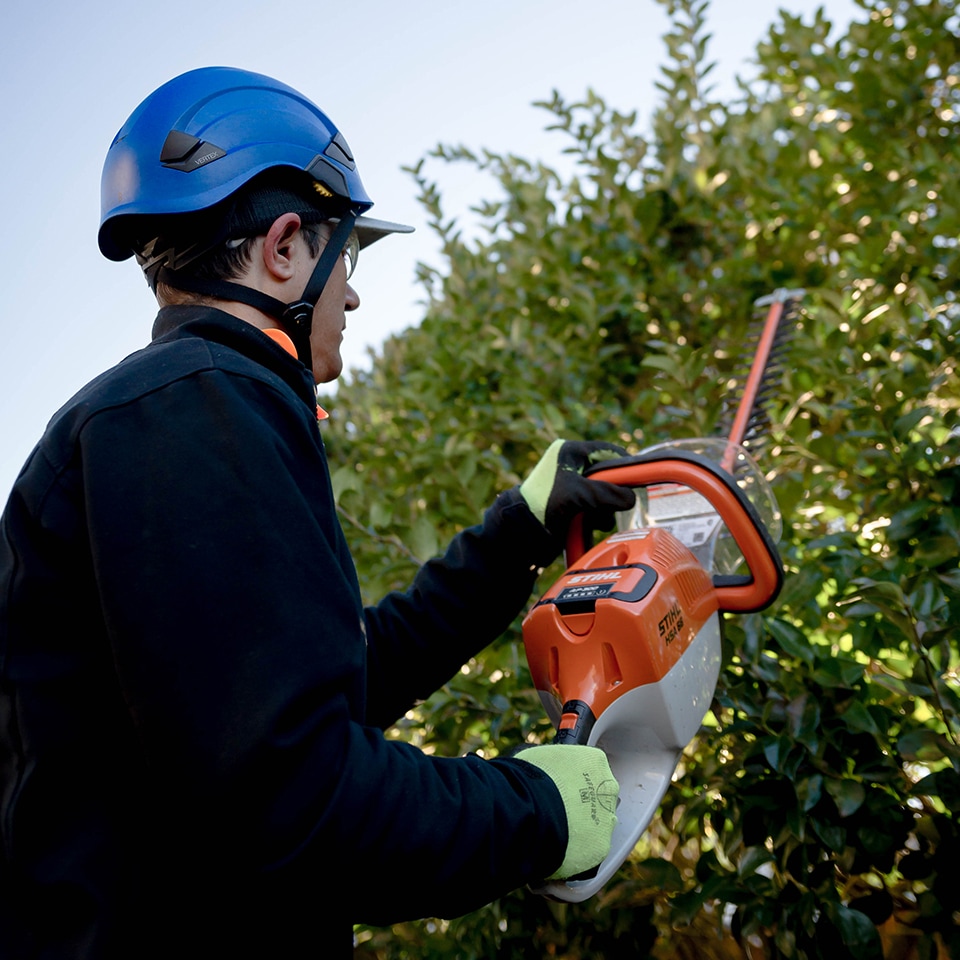
Wearing the right protective gear lowers the risk of injury. Use gloves, eye protection, and sturdy clothing to stay safe while pruning.
- Wear thick gardening gloves to protect your hands from cuts and thorns.
- Use safety glasses to guard your eyes from flying debris and branches.
- Wear long sleeves and pants to protect your arms and legs.
- Use closed-toe shoes or boots for foot protection.
Handling And Storage
Handle pruning shears with care and store them properly to prevent accidents and damage. Always keep blades clean and sharp for safe use.
| Handling Tips | Storage Tips |
| Hold shears firmly and cut away from your body. | Store in a dry place to avoid rust. |
| Keep fingers clear of blades when cutting. | Lock blades or use blade covers for safety. |
| Use the right tool for the job to avoid strain. | Hang shears or place them in a secure toolbox. |
Preventing Common Injuries
Prevent injuries by using pruning shears carefully and following safe practices. Avoid rushing and always stay focused on your task.
- Keep blades sharp to reduce the effort needed and avoid slips.
- Do not use damaged or loose shears.
- Take breaks to avoid hand fatigue and cramps.
- Cut branches at a comfortable height to prevent overreaching.
- Keep your work area clear of obstacles and debris.
Troubleshooting Common Issues
Pruning shears are essential for shaping hedges. Sometimes, problems happen during use. Knowing how to fix these can save time and effort.
This guide covers common issues and simple ways to solve them. You will learn how to handle stuck blades, uneven cuts, and tough stems.
Dealing With Stuck Blades
Blades can get stuck because of sap, dirt, or rust. This makes cutting difficult and can damage the tool.
Clean your blades often to keep them moving smoothly. Use a cloth and some oil to remove sticky sap and dirt. If rust appears, use steel wool or a wire brush to clean it off.
- Wipe blades with a damp cloth after use
- Apply lubricant oil to moving parts regularly
- Use steel wool to remove rust spots
- Open and close blades a few times after cleaning
Fixing Uneven Cuts
Uneven cuts happen when blades are dull or misaligned. This can hurt the hedge’s look and health.
Sharpen your blades with a sharpening stone or file. Check blade alignment and tighten screws if needed. Make smooth, even cuts by using the full blade length.
- Sharpen blades before each season
- Check blades for proper alignment
- Tighten loose screws or bolts
- Cut using long, steady motions
Managing Tough Or Woody Stems
Thick or woody stems can be hard to cut. Forcing thin shears can break them or cause injury.
Use pruning shears designed for thick branches. Cut at the stem base first to weaken it. Use two cuts if needed to avoid blade damage.
- Choose heavy-duty shears for thick stems
- Cut large stems in smaller sections
- Cut slowly to avoid blade slip
- Keep blades sharp to reduce effort
Frequently Asked Questions
How Often Should I Sharpen Pruning Shears For Hedges?
Sharpen pruning shears after every 10 to 15 uses. Sharp blades make cleaner cuts, promoting healthier hedge growth and reducing plant damage.
What Safety Tips Should I Follow When Using Pruning Shears?
Always wear gloves and eye protection. Keep fingers clear of blades and use shears with a locking mechanism when not in use.
Can I Use Pruning Shears On All Hedge Types?
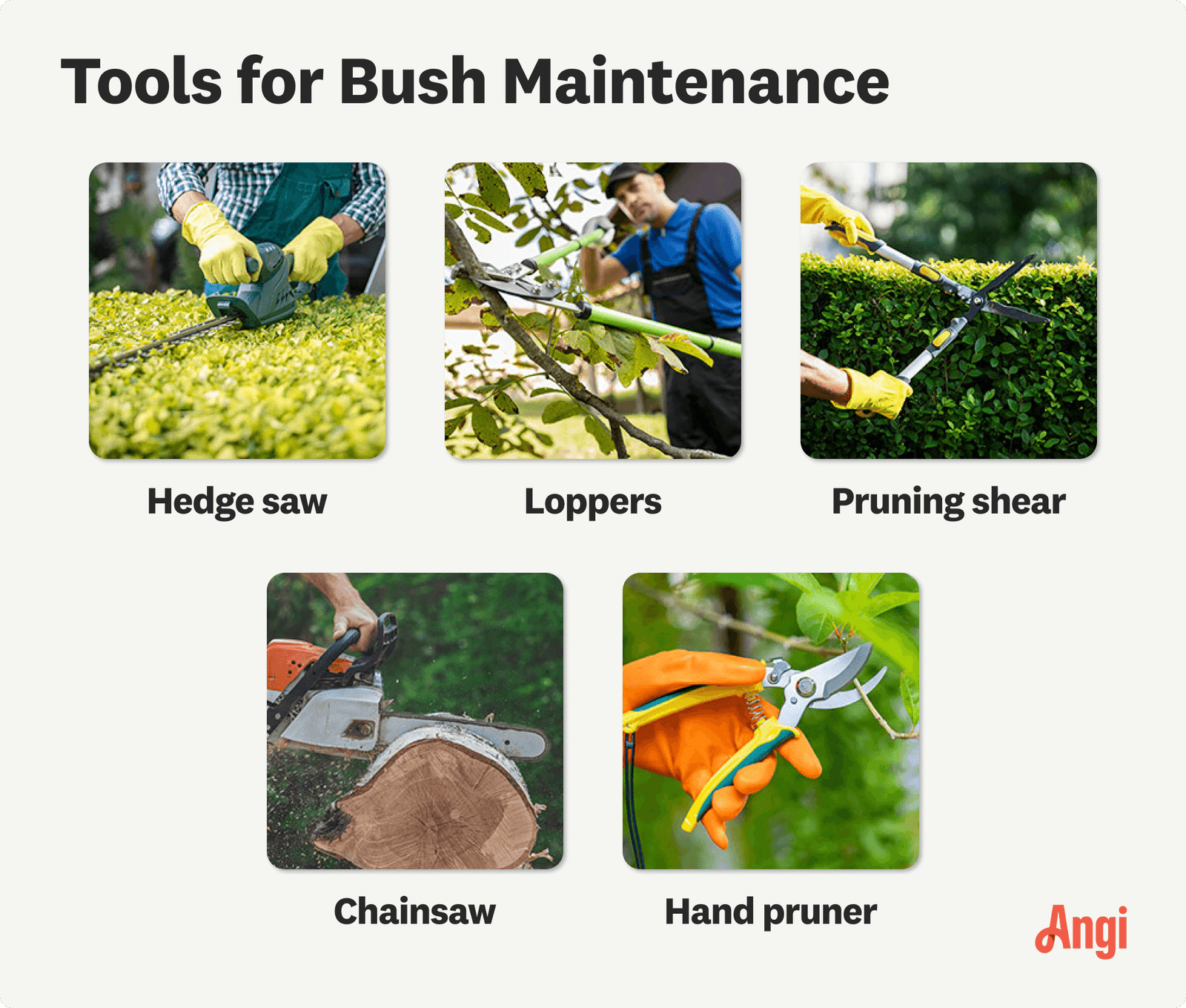
Pruning shears work best on small to medium branches. For thick branches, use loppers or a pruning saw to avoid blade damage.
How Do I Clean Pruning Shears After Use?
Wipe blades with a damp cloth to remove sap and debris. Use rubbing alcohol to disinfect and prevent disease spread between plants.
Conclusion
Pruning shears help keep hedges healthy and neat. Use sharp blades for clean cuts and less damage. Always wear gloves to protect your hands. Trim regularly to encourage new growth and shape. Clean your shears after each use to avoid rust.
Small steps make a big difference in hedge care. Enjoy your garden’s fresh and tidy look each day. Keep practicing, and your hedges will thrive beautifully.