
Imagine the scent of freshly cut wood, the rhythmic hum of your trusty tools, and the thrill of creating something with your own hands. Woodworking is a rewarding hobby and profession that lets your creativity run wild.
But amidst all the excitement, one thing you can’t afford to overlook is your safety—especially your eye safety. That’s where safety goggles come into play. They’re not just an accessory; they’re a crucial part of your woodworking arsenal. But are you using them correctly?
You might be surprised by the small details that can make a big difference. In this guide, you’ll discover essential tips for using safety goggles effectively. Protect your vision and keep your focus on what truly matters: bringing your woodworking projects to life. Ready to see how simple adjustments can enhance your safety and creativity? Keep reading, and let’s ensure your eyes are as protected as your passion for woodworking.
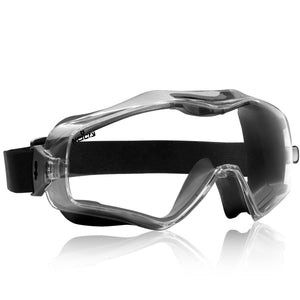
Credit: nocry.com
Choosing The Right Goggles
Safety goggles protect your eyes during woodworking. Picking the right pair helps avoid injuries.
Consider the type, material, and fit to find goggles that work well for you.
Types Of Safety Goggles
There are several types of safety goggles. Each type suits different woodworking tasks.
- Vented Goggles:Allow air flow to reduce fogging.
- Non-Vented Goggles:Fully sealed for dust and liquid protection.
- Over-the-Glasses Goggles:Fit over regular glasses for extra protection.
- Wraparound Goggles:Provide wide coverage and side protection.
Material And Lens Options
Safety goggles come in different materials and lenses. This affects durability and clarity.
| Material | Benefit | Common Use |
| Polycarbonate | Impact-resistant and lightweight | Most woodworking tasks |
| Plastic | Affordable but less durable | Light use or hobby projects |
| Glass | Scratch-resistant but heavier | High clarity needs |
| Anti-Fog Lens | Prevents fogging during work | Long sessions or humid areas |
Fit And Comfort Considerations
Comfort and fit keep you wearing goggles all day. Poor fit can cause discomfort and reduce safety.
- Look for adjustable straps to fit your head size.
- Choose soft foam or rubber seals around the eyes.
- Test for secure fit without tight pressure.
- Check if goggles fit well over glasses if you wear them.
- Consider lightweight models to reduce fatigue.
Proper Wearing Techniques
Wearing safety goggles correctly is important for protecting your eyes during woodworking. Poor fit or wrong use can reduce protection.
Follow these tips to ensure your goggles fit well and keep your eyes safe from dust and debris.
Adjusting Straps For Secure Fit
Straps help keep goggles tight and in place. Adjust them so the goggles do not slip during work.
- Loosen the straps before putting the goggles on.
- Place the goggles over your eyes and nose.
- Tighten the straps evenly on both sides until snug but comfortable.
- Check that the goggles stay in place when you move your head.
Ensuring Full Eye Coverage
Full coverage blocks flying particles from hitting your eyes from all angles. Check the goggles fit well around your eyes.
| Fit Area | What to Check |
| Top Edge | Should sit close to eyebrows without gaps |
| Sides | Wrap around temples fully |
| Bottom Edge | Rest on cheekbones without pressing hard |
| Bridge | Fit snugly on nose without slipping |
Avoiding Common Wearing Mistakes
Wrong use can reduce eye protection. Watch for these common errors when wearing goggles.
- Wearing goggles too loose, causing them to slip off.
- Placing goggles over glasses without proper fit.
- Touching the lenses with dirty hands, causing smudges.
- Resting goggles on the forehead or neck instead of eyes.
- Using damaged or scratched goggles that reduce visibility.
Maintaining Clear Vision
Clear vision is important when you wear safety goggles for woodworking. Dust, fog, and scratches can block your view. Keeping your goggles clean helps you see well and work safely.
Use the right ways to clean and care for your goggles. This stops dirt and fog from building up. It also keeps the lenses strong and clear for a long time.
Cleaning Lenses Effectively
Use a soft cloth to clean your lenses. Avoid rough materials that can scratch them. A microfiber cloth works best to wipe away dust and dirt.
Use warm water and mild soap to remove stubborn dirt. Rinse well and dry with a clean cloth. Do not use harsh chemicals or paper towels.
- Rinse lenses with warm water
- Apply mild soap gently
- Wipe with microfiber cloth
- Dry completely before use
Anti-fog Solutions
Foggy lenses can block your view while working. Use anti-fog sprays or wipes made for safety goggles. These help keep your lenses clear in humid or cold conditions.
Another way is to wash lenses with soapy water and let them air dry. This creates a thin film that reduces fogging. Avoid touching lenses with your fingers after applying anti-fog.
- Use anti-fog spray or wipes
- Clean lenses with soapy water
- Let lenses air dry fully
- Avoid touching lenses often
Replacing Scratched Or Damaged Lenses
Scratches and cracks can blur your vision and weaken protection. Check your goggles regularly for damage. Replace lenses if you see deep scratches or cracks.
Use lenses made for your goggles model. Follow the instructions to remove and install them safely. Do not use damaged lenses, as they can cause accidents.
- Inspect lenses before each use
- Replace lenses with visible damage
- Use correct replacement lenses
- Follow manufacturer’s guide to change lenses
Enhancing Safety With Additional Gear
Safety goggles protect your eyes during woodworking. Using extra gear adds layers of protection. This guide explains how to combine goggles with other safety equipment.
Wearing the right gear keeps you safe from hazards like flying debris, loud noise, and dust. Follow these tips to improve your safety setup.
Combining Goggles With Face Shields
Face shields cover your entire face and protect against flying chips and splashes. Wearing them over goggles gives double protection.
- Put on your safety goggles first for eye protection.
- Wear the face shield over the goggles to cover your face.
- Choose a face shield with an adjustable headband for comfort.
- Make sure both items fit well and do not block your view.
Using Ear Protection Together
Loud tools can damage your hearing. Use ear protection with goggles to guard both eyes and ears.
| Ear Protection Type | Description | Best Use |
| Earplugs | Small, fit inside ear canal | Good for tight spaces |
| Earmuffs | Cover whole ear | Easy to put on and remove |
| Electronic Muffs | Reduce loud noise, allow hearing conversation | Workshops with variable noise |
Wearing Respirators For Dust Protection
Wood dust can irritate your lungs and skin. Respirators help filter dust particles while you work.
- Choose a respirator with a good seal around your nose and mouth.
- Use respirators with P100 filters for the best dust protection.
- Clean or replace filters regularly to keep the respirator effective.
- Wear the respirator along with goggles to protect your eyes and lungs.
Storage And Care Tips
Safety goggles protect your eyes during woodworking. Proper care helps keep them effective. Storing and cleaning your goggles right makes them last longer.
Follow simple steps to keep your goggles safe and clear. This guide covers storage, inspection, and how to extend their life.
Proper Storage Practices
Store your safety goggles in a clean, dry place away from direct sunlight. Avoid placing heavy objects on top of them to prevent damage.
- Keep goggles in a hard case or protective pouch
- Do not leave goggles on dusty or dirty surfaces
- Avoid exposure to extreme heat or cold
- Store goggles separately from sharp tools
Regular Inspection For Damage
Check your goggles often for scratches, cracks, or loose parts. Damaged goggles may not protect your eyes properly.
| Damage Type | What to Do |
| Scratches on lenses | Clean gently or replace lenses if vision is blocked |
| Cracks in frame | Replace goggles immediately |
| Loose straps | Tighten or replace straps for secure fit |
| Fogging inside lenses | Use anti-fog spray or clean lenses regularly |
Extending Goggle Lifespan
Clean your goggles after each use to remove dust and dirt. Use mild soap and water, then dry with a soft cloth.
Tips to extend your goggles’ life:
- Always handle goggles with clean hands
- Avoid using harsh chemicals or abrasive materials
- Store goggles in a protective case after cleaning
- Replace worn parts as needed to keep a good fit

Credit: www.rockler.com
Common Safety Pitfalls To Avoid
Using safety goggles is important in woodworking. They protect your eyes from dust and flying wood chips.
Some common mistakes make goggles less effective. Avoid these to keep your eyes safe.
Ignoring Eye Protection
Some woodworkers skip wearing goggles because they feel uncomfortable. Others think glasses are enough.
Not wearing goggles can cause serious eye injuries. Even small particles can damage your eyes.
Using Inappropriate Goggles
Not all goggles work well for woodworking. Some do not fit right or do not protect from all hazards.
- Use goggles with side shields to block flying debris.
- Choose anti-fog lenses for clear vision.
- Avoid regular glasses; they do not offer full protection.
- Pick goggles that fit snugly but comfortably.
Neglecting Goggle Maintenance
Dirty or damaged goggles reduce safety. Scratched lenses block vision and can cause accidents.
| Maintenance Task | Reason |
| Clean lenses regularly | Keep vision clear |
| Check straps for damage | Ensure secure fit |
| Replace scratched lenses | Prevent vision problems |
| Store goggles in a case | Protect from dust and damage |
Customizing Goggles For Woodworking Needs
Safety goggles protect your eyes from dust and debris while woodworking. You can customize them to fit your specific needs. Proper customization improves comfort and safety.
Adjusting your goggles helps them work better for your vision, lighting, and airflow. This guide covers useful tips to customize your goggles.
Adding Prescription Inserts
If you wear glasses, prescription inserts fit inside your goggles. They make it easier to see without wearing two pairs of eyewear. Inserts match your exact prescription.
These inserts snap or slide into place. You can remove them when not needed. This keeps your vision clear and your eyes protected.
- Get inserts from your eye doctor or supplier
- Make sure inserts fit your goggle model
- Check inserts for scratches or damage regularly
Choosing Tinted Or Clear Lenses
Clear lenses work best indoors with good lighting. They let in all the light to help you see details. Tinted lenses reduce glare and bright light outdoors.
Choose lens color based on your workshop light. Some tints block harmful UV rays. Others help reduce eye strain from strong lights.
- Clear lenses for indoor, low-glare work
- Gray or smoke tints for bright sunlight
- Amber or yellow tints for low-light conditions
- Check if lenses block UV rays
Modifying For Ventilation
Good airflow keeps your goggles from fogging up. You can add vents or use models with built-in ventilation. Proper ventilation helps you see clearly.
Vent holes let air in but keep dust out. Some vents have covers to adjust airflow. Avoid open vents if your workshop is very dusty.
- Use goggles with indirect ventilation
- Add small vent holes if allowed by manufacturer
- Use anti-fog sprays or wipes for extra clarity
- Clean vents often to remove dust buildup
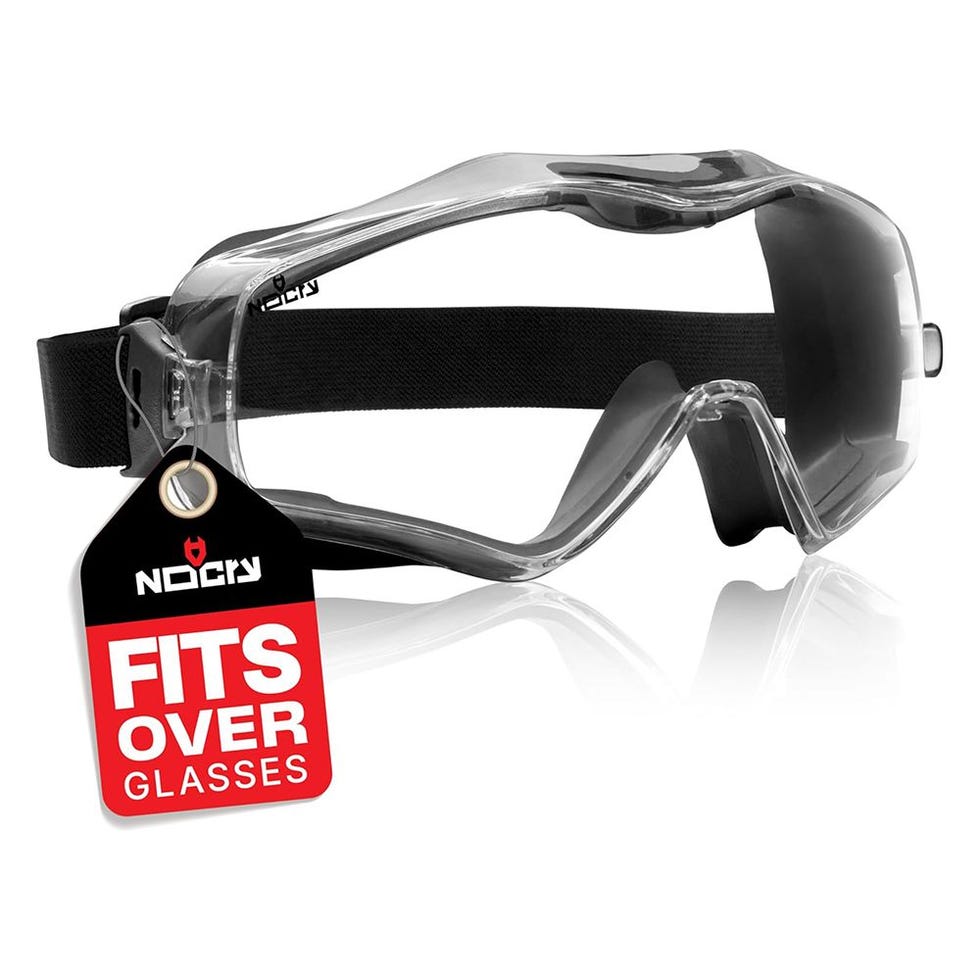
Credit: www.popularmechanics.com
Frequently Asked Questions
Why Are Safety Goggles Essential For Woodworking?
Safety goggles protect your eyes from sawdust, wood chips, and debris. They prevent injuries and improve visibility. Wearing them reduces the risk of accidents. Always use goggles to ensure safe woodworking practices.
How To Choose The Right Safety Goggles For Woodworking?
Select goggles with impact-resistant lenses and a comfortable fit. Look for anti-fog and ventilation features. Ensure they fully cover your eyes for maximum protection. Choose goggles that meet safety standards for woodworking tasks.
Can Safety Goggles Prevent All Eye Injuries In Woodworking?
While goggles significantly reduce eye injury risks, they cannot prevent all accidents. Proper use combined with safe woodworking techniques offers the best protection. Always inspect and maintain goggles for optimal safety.
How To Maintain And Clean Woodworking Safety Goggles?
Clean goggles regularly with mild soap and water. Avoid abrasive materials that scratch lenses. Store them in a protective case when not in use. Proper maintenance ensures clear vision and lasting protection.
Conclusion
Wearing safety goggles protects your eyes from dust and debris. Always choose goggles that fit well and feel comfortable. Clean your goggles regularly to keep clear vision. Replace them if they get scratched or damaged. Staying safe while woodworking helps you work better and longer.
Keep safety a priority every time you work with wood. Your eyes deserve the best care and protection. Safety goggles are a simple step for big safety. Don’t forget: safety first, every time you build or create.