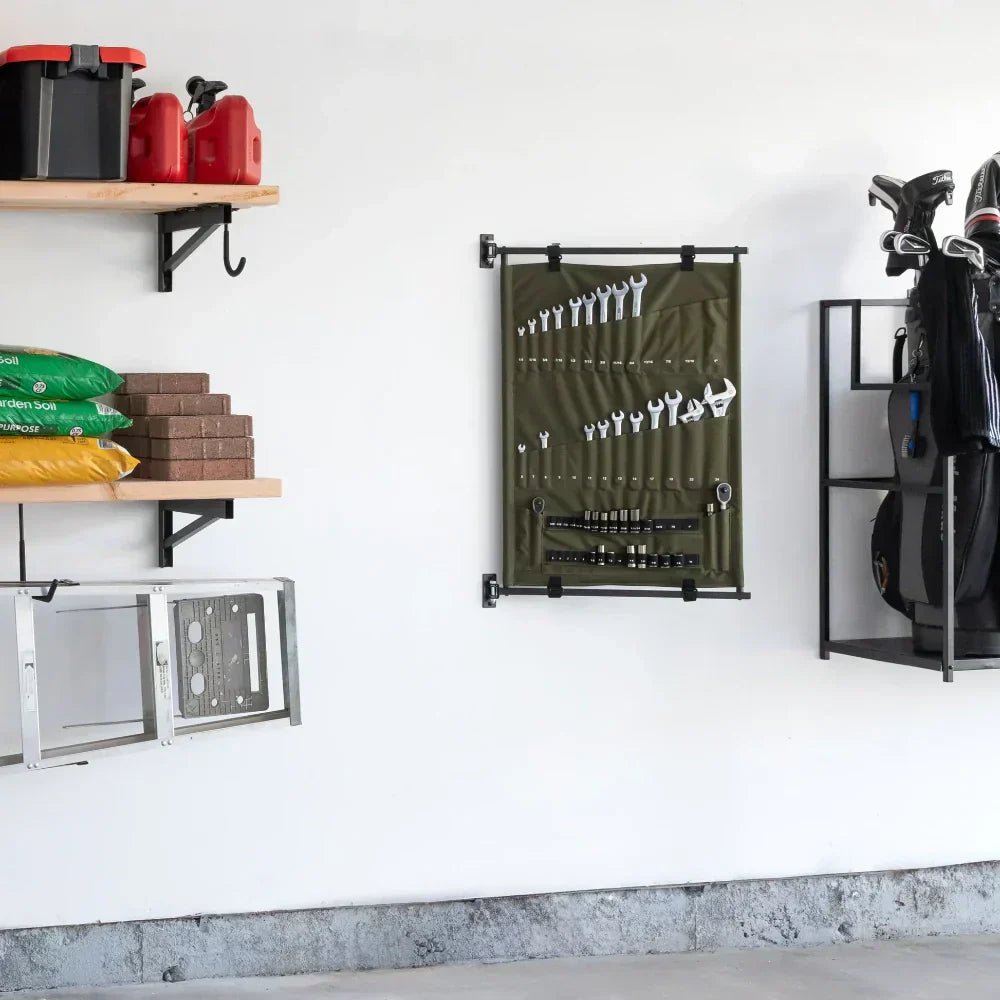
Are you tired of digging through piles of tools every time you need something? Using wall hooks for tool storage can change the way you organize your workspace—and make your life a whole lot easier.
With the right tips, you can turn clutter into a neat, accessible system that saves you time and frustration. Keep reading to discover simple, smart ways to use wall hooks that will transform your tool storage and boost your productivity.

Credit: www.familyhandyman.com
Choosing The Right Wall Hooks
Using wall hooks is a smart way to keep your tools organized. Picking the right hooks helps protect your tools and saves space.
Not all wall hooks work for every tool. You must think about the tool type, weight, and hook material.
Types Of Hooks For Tools
Different hooks fit different tools. Some hooks hold long tools like shovels. Others work well for small hand tools.
- J-hooks: Good for hanging large tools like rakes and brooms
- Utility hooks: Perfect for small hand tools such as hammers and wrenches
- Magnetic hooks: Hold metal tools without needing holes
- Pegboard hooks: Fit into pegboards for flexible storage
Weight Capacity Considerations
Check the weight limit before buying hooks. Heavy tools need strong hooks to avoid falling.
Choose hooks that support more weight than your tool’s weight. This adds extra safety and durability.
- Light tools (under 5 lbs): Use small hooks or plastic hooks
- Medium tools (5 to 20 lbs): Metal hooks with screws work well
- Heavy tools (over 20 lbs): Use heavy-duty steel hooks or brackets
Material And Durability
Hook material affects how long it lasts. Metal hooks are strong and last long. Plastic hooks may break under heavy weight.
Look for rust-resistant materials if you store tools outside or in damp areas. Powder-coated steel is a good choice.
- Steel: Very strong, good for heavy tools
- Plastic: Best for light tools, not very durable
- Aluminum: Lightweight and rust-resistant
- Coated metal: Resists rust and scratches

Credit: www.ramblingrenovators.ca
Optimal Placement For Accessibility
Using wall hooks for tool storage helps keep your workspace tidy. Proper placement makes tools easy to reach and use. This guide covers tips for placing hooks to improve accessibility.
Focus on organizing tools by how often you use them, using vertical space smartly, and avoiding blockages. These steps ensure quick access and a safe work area.
Organizing By Tool Frequency
Place the tools you use most often at eye level or within easy reach. Less used tools can go higher or lower on the wall. This setup saves time and effort during your work.
- Keep daily tools at waist to shoulder height
- Store occasional tools above or below frequent ones
- Group similar tools together for quick grabs
- Use labeled hooks to remember tool spots
Maximizing Vertical Space
Use the full height of your wall to hold tools. This frees up floor space and keeps your area neat. Arrange hooks to fit both small and large tools efficiently.
| Tool Size | Ideal Hook Height | Placement Tip |
| Small (screwdrivers, pliers) | Waist to shoulder height | Group by type |
| Medium (hammers, wrenches) | Shoulder to head height | Leave space between hooks |
| Large (saws, levels) | Upper wall area | Use strong hooks |
Avoiding Obstructions
Keep pathways clear by placing hooks where tools will not block doors or windows. Avoid spots that interfere with light switches or outlets. This keeps your workspace safe and easy to move in.
- Do not place hooks behind doors
- Leave space around windows
- Avoid covering electrical outlets
- Check clearance before installing hooks
Installation Tips For Stability
Using wall hooks for tool storage helps keep your workspace tidy. Proper installation is important to hold your tools safely.
Focus on strong mounting to avoid hooks falling or tools getting damaged. Follow these tips for a stable setup.
Selecting Proper Anchors
Choose anchors that fit the wall type and tool weight. Drywall anchors work for light tools, but heavier items need stronger anchors.
Use anchors made of metal or heavy-duty plastic for better support. Check the weight rating on the package before buying.
- Plastic anchors for light tools under 10 pounds
- Metal anchors for medium weight tools up to 25 pounds
- Toggle bolts for very heavy tools over 25 pounds
Using Studs For Heavy Tools
Studs are wooden beams inside walls. They offer the strongest support for heavy tools.
Use a stud finder to locate them. Screw hooks directly into studs for the best hold. Avoid just drywall for heavy items.
- Scan the wall with a stud finder
- Mark stud edges and center
- Drill pilot holes before screwing hooks
- Attach hooks firmly into the stud
Ensuring Level Alignment
Hooks must be level to hold tools properly. Uneven hooks cause tools to slip or fall.
Use a level tool or a measuring tape. Mark spots on the wall before drilling to keep hooks aligned.
- Measure equal distances between hooks
- Use a bubble level to check straightness
- Mark drill points clearly
- Double-check alignment before installing
Creative Storage Ideas
Wall hooks offer a smart way to keep your tools organized and easy to find. Using them effectively can save space and reduce clutter in your workspace.
Here are some tips to help you use wall hooks creatively for tool storage.
Grouping Similar Tools
Group tools by type or function to make your work easier. This keeps everything in one place and speeds up your tasks.
- Hang all screwdrivers together
- Keep wrenches in one area
- Store gardening tools on a separate hook row
- Group painting brushes by size and shape
Using Multi-hook Racks
Multi-hook racks let you hold many tools on one mount. They save wall space and keep your tools visible.
| Tool Type | Recommended Hook Type | Rack Size |
| Hammers | Heavy-duty hooks | Medium (5-7 hooks) |
| Screwdrivers | Thin hooks | Large (10+ hooks) |
| Garden Tools | Wide hooks | Large (8-10 hooks) |
| Measuring Tapes | Small hooks | Small (3-5 hooks) |
Incorporating Pegboards
Pegboards work well with wall hooks for flexible storage. You can move hooks around and adjust tool placement easily.
Tips for using pegboards with hooks:
- Install pegboards at eye level for quick access.
- Use hook sizes that fit your tools tightly.
- Label areas on the pegboard for each tool group.
- Combine hooks with small shelves for parts and screws.
Maintenance And Safety
Using wall hooks for tool storage saves space and keeps tools ready. Maintaining hooks ensures safety and long use.
Proper care prevents accidents and protects your walls. Follow simple tips to keep hooks secure and walls intact.
Regularly Checking Hook Integrity
Check hooks often to spot damage or wear. Replace hooks that are bent, rusted, or loose. Tighten screws if needed.
- Inspect hooks monthly for cracks or bends
- Test hooks by gently pulling on them
- Remove and replace damaged hooks immediately
- Use rust-resistant hooks in damp areas
Keeping Tools Secure
Hang tools properly to prevent falls and injuries. Match hook size to tool weight. Avoid overloading hooks.
| Tool Type | Recommended Hook | Safety Tip |
| Light Tools (e.g., screwdrivers) | Small single hooks | Hang by handles |
| Heavy Tools (e.g., hammers) | Large sturdy hooks | Secure tightly and check weight limits |
| Power Tools | Strong hooks with locking feature | Keep cords clear and avoid hanging by cords |
Preventing Wall Damage
Choose the right anchors for your wall type. Avoid placing hooks too close to each other. Distribute tool weight evenly.
- Use drywall anchors or studs for heavy tools
- Do not overload hooks beyond their limit
- Place protective pads behind hooks if needed
- Regularly check walls for cracks or holes

Credit: www.youtube.com
Space-saving Hacks
Wall hooks are simple tools to keep your workspace tidy. They free up floor and shelf space.
Using wall hooks smartly helps you store tools in small areas. Try these tips to save space.
Using Corner Spaces
Corners often go unused in rooms and garages. You can place wall hooks here to hold tools.
Hooks in corners keep tools within reach but out of the way. This keeps the space open.
- Install hooks on both walls of the corner
- Hang smaller tools like hammers and screwdrivers
- Use angled hooks to fit tools better
Stacking Hooks Strategically
Put hooks one above another to use vertical wall space. This helps when floor space is tight.
Stacking hooks lets you store many tools in a small wall area. Group similar tools together.
- Place heavy tools on lower hooks
- Keep light tools on higher hooks
- Label hooks to find tools quickly
Combining Hooks With Shelves
Use hooks under or next to shelves to add extra storage. Shelves hold boxes, hooks hold tools.
This combo saves space and keeps tools organized. You get both flat and hanging storage.
- Install hooks below shelves for hanging tools
- Use shelves to store tool cases or parts
- Keep frequently used tools on hooks for easy access
Frequently Asked Questions
How Do I Choose The Right Wall Hooks?
Choose wall hooks based on the weight and size of your tools. For heavier tools, opt for sturdy, heavy-duty hooks. Consider the material of the wall and the type of hook that can be securely mounted. Always check the weight capacity of the hooks before purchasing.
What Are The Benefits Of Using Wall Hooks?
Wall hooks maximize space by keeping tools organized and easily accessible. They help prevent clutter in your workspace. By using wall hooks, you can quickly identify and grab the tool you need. This system also minimizes tool damage by keeping them off the ground.
Can Wall Hooks Hold Heavy Tools Safely?
Yes, wall hooks can hold heavy tools safely if chosen correctly. Select heavy-duty hooks with adequate weight capacity. Ensure they are securely mounted to wall studs for stability. Regularly check the hooks for wear and tear to maintain safety. Consider using multiple hooks for larger tools.
How To Install Wall Hooks For Tools?
To install wall hooks, first identify wall studs using a stud finder. Mark the desired location and drill pilot holes. Use screws that match the hook’s holes to ensure stability. Tighten the screws securely, and test the hooks with light tools before hanging heavier ones.
Conclusion
Wall hooks make tool storage simple and neat. They save space and keep tools easy to find. Choose the right hooks for your tools. Place hooks at the right height for quick access. Regularly check and organize your tools on the hooks.
This keeps your workspace safe and tidy. Using wall hooks well helps you work faster. It also protects your tools from damage. Start using wall hooks today to improve your storage. Small changes lead to big improvements in your workshop.