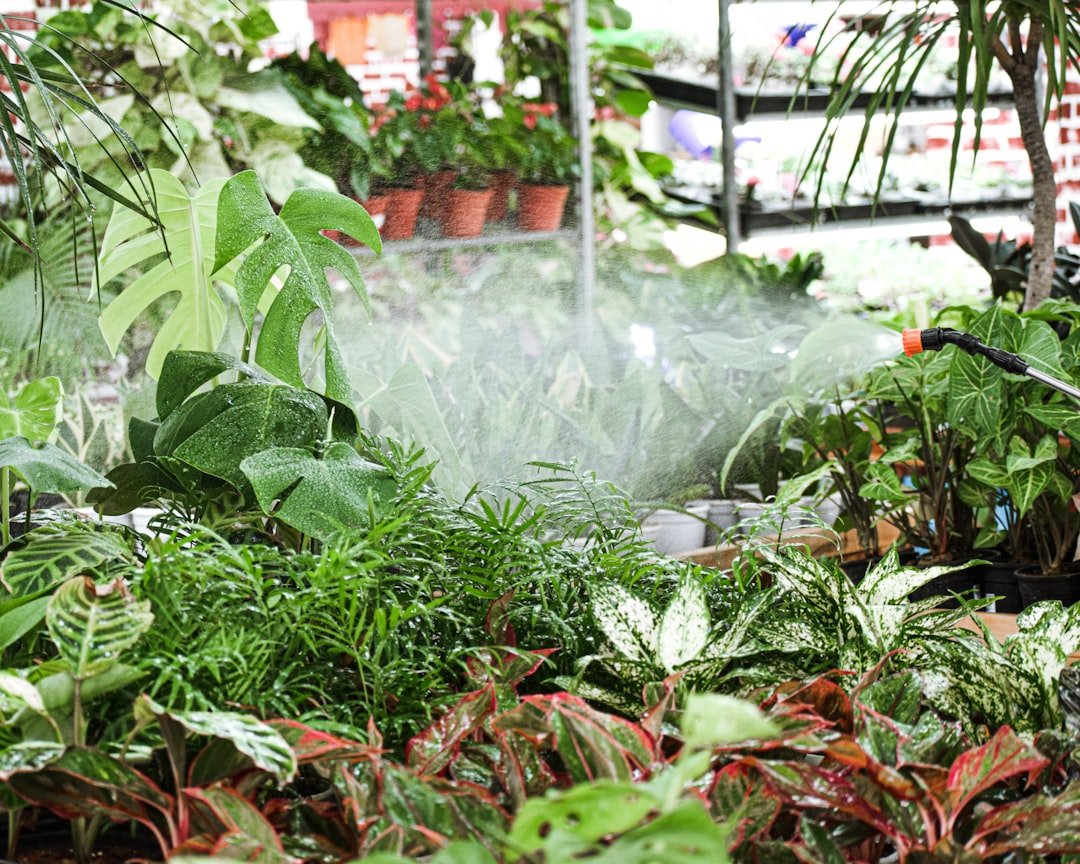
Are your container plants looking thirsty even after watering? The secret isn’t just about pouring water—it’s about watering deeply.
When you water shallowly, your plants don’t get the moisture they need to grow strong and healthy. But when you learn how to water deeply, you help your plants develop robust roots that can withstand heat and dry spells. You’ll discover simple, effective tips that will transform how you care for your container plants.
Keep reading, and your plants will thank you with vibrant growth and lasting beauty.

Credit: outdoorindoors.com
Benefits Of Deep Watering
Watering container plants deeply helps them grow strong and healthy. It makes sure water reaches the roots where plants need it most.
Shallow watering may not give plants enough moisture. Deep watering supports better root systems and plant health.
Promotes Healthy Root Growth
Deep watering encourages roots to grow downwards and spread out. This helps plants absorb more water and nutrients.
- Roots grow deeper into the soil
- Plants get more nutrients
- Strong root systems support plant stability
Prevents Shallow Rooting
Shallow roots make plants weak and prone to drying out. Deep watering stops roots from staying near the soil surface.
| Shallow Rooting | Deep Rooting |
|---|---|
| Roots stay near soil surface | Roots grow deep and wide |
| Plants dry out quickly | Plants retain moisture longer |
| Less nutrient absorption | Better nutrient uptake |
Enhances Drought Resistance
Deep watering helps plants survive dry times. Strong roots store water and keep plants alive longer.
- Roots reach water stored deeper in soil
- Plants stay hydrated during dry spells
- Reduces plant stress from drought
Choosing The Right Containers
Picking the right container helps your plants grow well. Containers affect how water stays and drains.
Good containers keep soil moist but not soggy. This keeps roots healthy and plants strong.
Material Impact On Moisture Retention
Different materials hold water differently. Clay pots dry out faster. Plastic pots keep moisture longer.
- Clay pots let air pass and dry soil quickly
- Plastic pots hold water but can cause root rot if overwatered
- Metal containers heat up fast and may dry soil fast
- Wood pots keep moisture balanced but can rot over time
Size Considerations For Watering
Container size changes how often you water. Small pots dry out fast. Large pots hold more water.
| Container Size | Watering Frequency | Water Amount |
|---|---|---|
| Small (under 6 inches) | Daily | Less water each time |
| Medium (6 to 12 inches) | Every 2-3 days | Moderate water amount |
| Large (over 12 inches) | Weekly | More water at once |
Drainage Importance
Drainage stops water from pooling at the bottom. Poor drainage causes root problems.
Check these points for good drainage:
- Containers must have drainage holes
- Use a layer of gravel at the bottom
- Choose pots with raised feet or stands
- Avoid containers that trap water inside
Best Soil Mixes For Deep Watering
Container plants need soil that holds water well but also drains fast. Good soil helps water reach deep roots.
Choosing the right soil mix makes deep watering easier. This helps plants grow strong and healthy.
Soil Composition
The soil should have a balance of sand, silt, and clay. This mix lets water soak in and stay near roots.
Sandy soil drains too fast. Clay soil holds too much water. A mix of both works best.
- Sand improves drainage
- Silt holds moisture
- Clay keeps nutrients
Improving Drainage And Retention
Good soil lets water drain so roots get air. It also holds enough water to keep plants hydrated.
Add materials that create small air pockets. This helps water move down deeply but not too fast.
- Perlite or pumice adds air space
- Coarse sand improves flow
- Vermiculite holds water
Adding Organic Matter
Organic matter improves soil texture and water holding. It also feeds plants and helps soil life.
Use compost, peat moss, or coconut coir. These materials keep soil moist without making it soggy.
- Compost adds nutrients and microbes
- Peat moss holds water well
- Coconut coir improves moisture retention
Watering Techniques For Depth
Watering container plants deeply helps roots grow strong. Shallow watering only wets the surface. Deep watering reaches the roots and keeps plants healthy.
Using the right techniques ensures water goes down slowly. This stops water from running off and helps soil hold moisture longer.
Slow And Steady Soaking
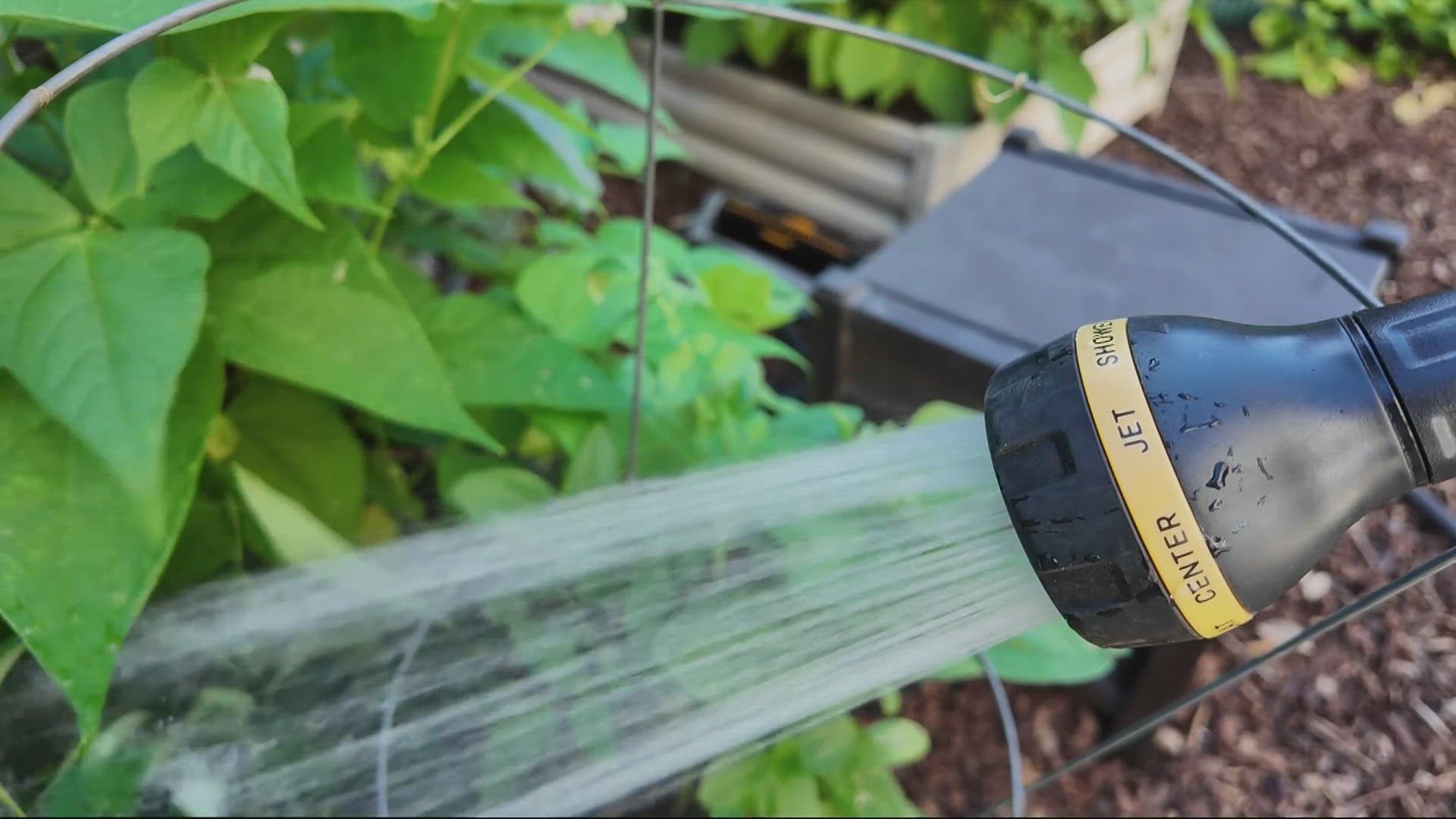
Pour water slowly over the soil. Use a watering can or hose with a fine spray. This lets water soak in deeply without washing soil away.
- Water the plant until you see water draining from the bottom.
- Pause to let water soak before adding more.
- Repeat until soil is moist deep down.
Using Soaker Hoses Or Drip Irrigation
Soaker hoses and drip irrigation give water slowly and directly to the soil. They save water and keep roots wet without overwatering.
| Method | Benefit | Tip |
|---|---|---|
| Soaker Hose | Even water distribution | Lay hose on soil surface |
| Drip Irrigation | Precise watering at roots | Use emitters near plant base |
Checking Soil Moisture Levels
Check the soil to know when to water deeply. Use a finger or a moisture meter to test soil dampness below the surface.
- Insert your finger about 2 inches into the soil.
- If it feels dry, it is time to water deeply.
- Moist soil means the plant has enough water.
Timing And Frequency Tips
Watering container plants correctly helps them grow strong and healthy. The timing and how often you water matters a lot.
Too much or too little water can harm your plants. Learn when and how often to water for the best results.
Watering Early Or Late In The Day
Water your container plants early in the morning or late in the evening. This helps the water soak in before it evaporates.
Avoid watering in the midday sun. Water drops can burn leaves, and much water will evaporate quickly.
Adjusting For Weather Conditions
Check the weather to decide how often to water. Hot, dry days need more water. Cool, rainy days need less.
- Water more during heat waves or dry spells
- Reduce watering when it rains often
- Windy days can dry soil faster, so water more
Signs Your Plants Need Water
Look for signs that show your plants need water. Watching your plants helps you water at the right time.
- Wilting or drooping leaves mean the plant is thirsty
- Dry soil feels light and crumbly to touch
- Leaves may turn yellow or brown if underwatered
- Slow growth can also show a lack of water
Common Mistakes To Avoid
Watering container plants deeply helps them grow strong roots. Many people make mistakes that harm their plants. Avoiding these errors keeps your plants healthy.
This guide covers common watering mistakes. Learn what to watch out for to give your container plants the best care.
Overwatering Risks
Giving too much water is a common problem. Overwatering can drown roots and cause root rot. Plants may look healthy at first but soon suffer.
- Check soil moisture before watering.
- Water only when the top inch of soil feels dry.
- Use pots with drainage holes to prevent water buildup.
- Watch for yellowing leaves or wilting as signs of overwatering.
Ignoring Drainage Problems
Poor drainage stops water from flowing out of containers. This causes water to pool at the bottom. Roots can rot and plants may die.
| Drainage Issue | Effect on Plants |
| Blocked drainage holes | Water stays trapped, roots rot |
| No drainage holes | Excess water cannot escape |
| Heavy potting mix | Slows water flow, keeps soil too wet |
| Using saucers without emptying | Water collects under pot, causing rot |
Using The Wrong Watering Tools
Choosing bad tools makes watering hard or uneven. Some tools waste water or harm plants. Use tools that help water soak deeply and gently.
- Use a watering can with a narrow spout for control.
- Avoid hose sprinklers that spray too much water fast.
- Consider drip watering systems for steady moisture.
- Use a moisture meter to check soil before watering.
Maintaining Moisture Between Waterings
Watering container plants deeply helps roots grow strong. Keeping soil moist between waterings is just as important. Dry soil can stress plants and slow their growth.
Use smart ways to keep moisture longer. This saves water and keeps plants healthy. The following tips show how to maintain moisture easily.
Mulching Container Plants
Mulch covers the soil surface and reduces water loss. It keeps soil cool and moist by slowing evaporation. Use organic mulch like bark chips or coconut coir.
Apply a 1-2 inch layer of mulch around the plants. Avoid piling mulch against plant stems. This helps soil stay damp longer between watering sessions.
Grouping Plants For Humidity
Group plants close together to create a humid microclimate. Plants release moisture through their leaves. This extra humidity helps keep soil moist.
Place containers near each other on trays or shelves. This reduces water loss and supports plants in dry indoor or outdoor spaces.
Using Self-watering Containers
Self-watering containers have a water reservoir below the soil. Plants draw water up as needed. This keeps soil evenly moist for longer periods.
These containers reduce watering frequency. They help prevent overwatering and underwatering, making plant care easier and more consistent.
:max_bytes(150000):strip_icc()/GettyImages-2160536734-35861635108143cda33d84fd2e660a2d.jpg)
Credit: www.thespruce.com
Credit: www.kgw.com
Frequently Asked Questions
How Often Should I Water Container Plants Deeply?
Water container plants deeply once or twice a week. This ensures roots get enough moisture. Adjust frequency based on weather conditions and plant type. During hotter months, more frequent watering may be necessary. Always check the soil moisture level before watering again to avoid overwatering.
Why Is Deep Watering Important For Container Plants?
Deep watering encourages strong root growth by reaching deeper soil layers. It prevents shallow root systems, which make plants susceptible to stress. Deep watering also ensures that nutrients reach the roots effectively, promoting overall plant health. This practice helps maintain consistent moisture levels in the container.
How Do I Know If I’m Watering Deeply Enough?
Check the soil moisture level by inserting your finger into the soil. It should be moist 2-3 inches down. Alternatively, use a moisture meter for accurate readings. Ensure water drains from the bottom of the container. This indicates that water has reached deeper layers and the roots.
What Time Of Day Is Best For Deep Watering?
Early morning is the best time for deep watering. This allows water to reach roots before the heat of the day. It also reduces evaporation, ensuring plants absorb more moisture. Avoid watering during the hottest part of the day to prevent water loss and stress on the plants.
Conclusion
Watering container plants deeply keeps roots healthy and strong. It helps plants grow better and stay green longer. Use enough water to reach all roots beneath the soil. Check soil moisture often to avoid overwatering or drying out. Deep watering saves time and water in the long run.
Healthy plants bring joy and brighten your space. Keep these tips in mind for happier container plants. Simple steps make a big difference in plant care. Try deep watering and watch your plants thrive.