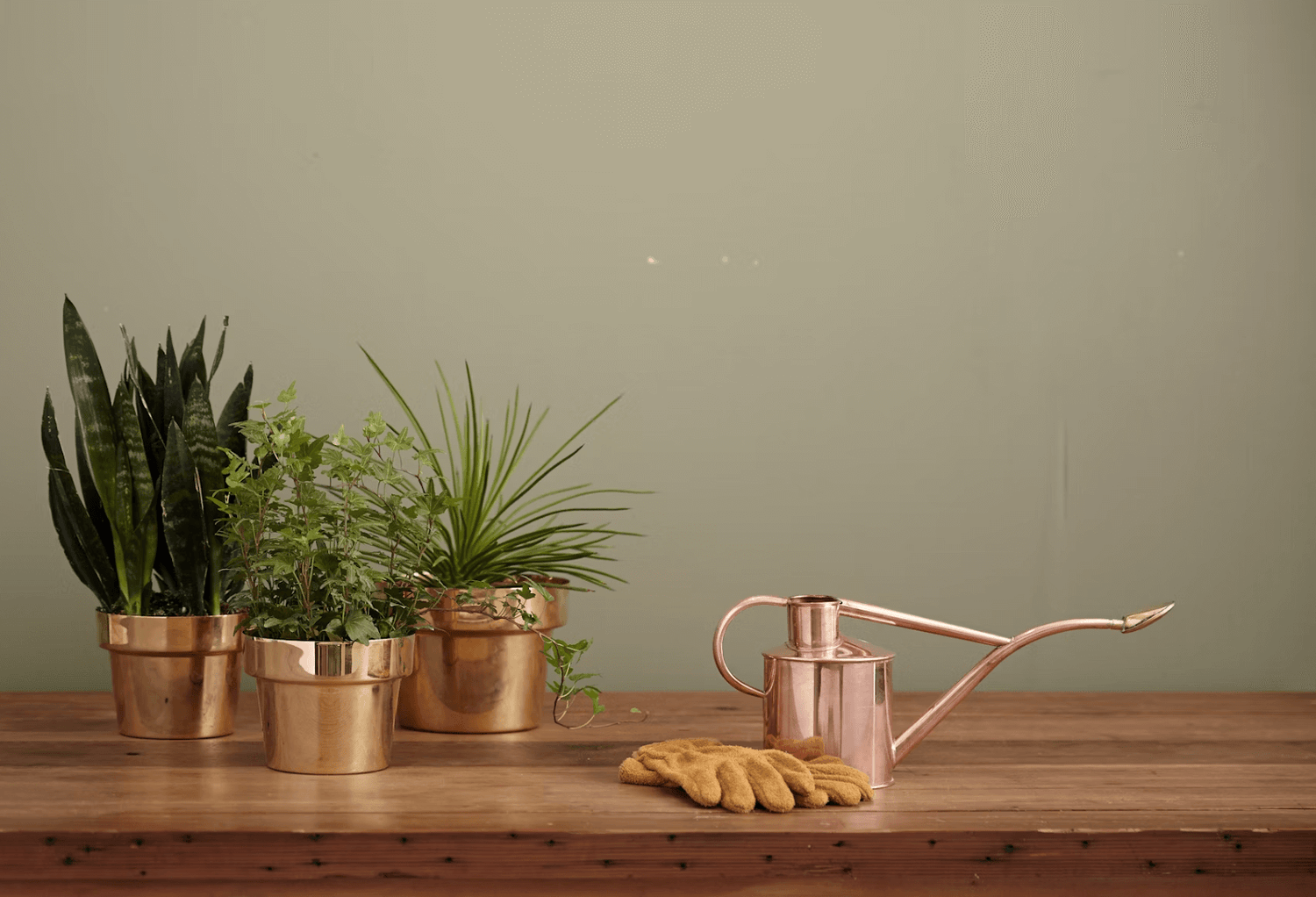
Imagine walking into your home or garden and being greeted by lush, vibrant plants in every corner. The secret to keeping these container plants thriving lies in one simple task: watering them regularly.
But how do you ensure that you’re doing it just right? Many plant enthusiasts, like yourself, often struggle with finding the perfect balance between overwatering and underwatering. This is where the art of watering container plants comes into play. By mastering a few simple tips, you can transform your plants from wilting and withered to flourishing and full of life.
You’re not just nurturing plants; you’re creating an oasis of calm and beauty that can uplift your mood every single day. Curious to know how you can achieve this with ease? Dive into the rest of the article and discover how you can turn your green thumb into a powerful tool for creating a thriving plant paradise.
Choosing The Right Containers
Picking the right container helps your plants grow well. It also makes watering easier and more efficient.
Good containers keep soil moist but not too wet. They also give plants enough space to grow strong roots.
Material Matters
Containers come in many materials. Each holds water differently and affects plant health.
Clay pots dry out quickly. Plastic pots keep moisture longer. Metal pots may get too hot in sun.
- Clay: breathable but dries fast
- Plastic: retains moisture well
- Metal: can heat up, may stress roots
- Wood: natural look, good insulation
Size And Drainage
Choose containers that fit your plants’ root size. Small pots dry out too fast.
Drainage holes prevent water buildup. Too much water can cause root rot.
- Use pots with enough drainage holes
- Pick larger pots for bigger plants
- Check drainage often to avoid waterlogging

Credit: savvygardening.com
Best Watering Techniques
Watering container plants is different from watering garden plants. Containers dry out faster and need more care. Using the right techniques helps your plants stay healthy.
Knowing how and when to water keeps your plants growing well. This guide covers checking soil moisture, watering frequency, and self-watering systems.
Checking Soil Moisture
Check the soil before watering. Stick your finger about an inch deep into the soil. If it feels dry, it is time to water.
Wet soil means your plants have enough water. Avoid watering if the soil still feels moist. Overwatering can harm roots and cause diseases.
- Use a moisture meter for precise reading
- Lift the container to feel its weight
- Look for wilted leaves as a sign of dryness
Watering Frequency
Watering needs change with weather, season, and plant type. Hot weather dries soil quickly, so water more often. Cooler weather means less watering.
Most container plants need watering every one to three days. Check soil moisture daily to adjust watering times. Avoid letting soil dry out completely.
- Water early in the morning or late in the evening
- Use enough water to soak the soil deeply
- Reduce watering during rainy days
Using Self-watering Systems
Self-watering containers have a water reservoir at the bottom. They supply water to plants slowly and keep soil moist longer. This helps reduce watering frequency.
These systems work well for busy gardeners or during hot weather. They prevent overwatering by letting plants take water as needed.
- Check and refill the reservoir regularly
- Use self-watering pots for herbs and flowers
- Combine with soil moisture checks for best results
Timing Your Watering
Watering container plants at the right time helps them stay healthy. Proper timing ensures plants absorb water well.
Choosing when to water depends on many factors like temperature and sunlight. This guide helps you decide the best time.
Morning Vs Evening
Watering in the morning is usually best. The soil stays moist all day, and plants dry before night. This reduces the risk of fungus.
- Morning watering cools the plants and soil.
- It allows water to soak deeply before heat rises.
- Evening watering can leave plants wet overnight.
- Wet leaves at night may cause diseases.
Adjusting For Weather
Weather affects how often and when you water. Hot, dry days need more water than cool, cloudy ones.
| Weather Condition | Best Watering Time | Notes |
| Hot and Sunny | Early Morning | Water deeply to prevent drying out. |
| Cool and Cloudy | Late Morning | Less water needed; avoid overwatering. |
| Rainy Days | No Watering Needed | Check soil moisture before watering. |
| Windy Days | Morning | Wind dries soil fast; water more often. |
Water Quality Tips
Good water quality helps container plants grow strong and healthy. Poor water can cause leaf spots and slow growth.
Pay attention to what type of water you use. This guide covers avoiding hard water and using rainwater.
Avoiding Hard Water
Hard water has high minerals like calcium and magnesium. These minerals can build up in soil and harm plants.
- Check if your tap water is hard by using test strips.
- Use filtered or distilled water if hard water is a problem.
- Leach soil with plain water monthly to flush minerals.
- Avoid fertilizers that add more salts to soil.
Using Rainwater
Rainwater is soft and usually better for plants than tap water. It has fewer minerals and no chlorine.
| Benefit | Why It Helps |
| Soft Water | Less mineral buildup in soil |
| No Chlorine | Safer for plant roots and beneficial microbes |
| Free Source | Cost-effective and eco-friendly |
Collect rainwater in clean containers. Use it quickly to avoid mosquito breeding and algae growth.
Signs Of Overwatering And Underwatering
Watering container plants is important for their health. Too much or too little water can harm them. Knowing the signs helps you care for your plants better.
This guide shows common signs of overwatering and underwatering. Watch your plants closely to keep them healthy and strong.
Leaf Symptoms
Leaves show clear signs when plants get wrong water amounts. Look for these symptoms to decide if you need to water more or less.
- Overwatering:Leaves turn yellow and feel soft or limp.
- Overwatering:Leaves may drop off easily.
- Underwatering:Leaves look dry, crispy, or brown at the edges.
- Underwatering:Leaves curl or wilt and feel brittle.
Soil Indicators
Soil condition is a good way to check plant water needs. Feel the soil and observe its color and moisture level.
| Condition | Overwatering Signs | Underwatering Signs |
|---|---|---|
| Soil Moisture | Soil feels soggy and wet for days. | Soil is dry and pulls away from pot edges. |
| Soil Color | Soil is dark and may smell musty. | Soil looks light and dusty. |
| Drainage | Water sits on soil surface or drains very slowly. | Water absorbs quickly and soil dries fast. |

Credit: www.squiresgardencentres.co.uk
Enhancing Water Retention
Watering container plants regularly is key to keeping them healthy. Enhancing water retention helps reduce watering frequency. This saves time and keeps plants happy.
Using the right soil mix and mulching can improve how well containers hold moisture. These methods help water stay longer near roots.
Soil Mix Choices
Choosing the best soil mix helps containers keep water well. A good mix holds moisture but drains excess water to avoid root rot.
- Use a mix with peat moss or coconut coir for water retention.
- Add perlite or vermiculite to improve drainage.
- Include compost to supply nutrients and improve soil texture.
- Avoid heavy garden soil, which can compact and block water flow.
Mulching Benefits
Mulching covers soil surface to reduce evaporation and keep moisture longer. It also controls weeds and protects roots from heat.
| Mulch Type | Water Retention | Additional Benefit |
| Bark Chips | Good | Keeps soil cool |
| Straw | Excellent | Lightweight and easy to apply |
| Compost | Good | Improves soil nutrients |
| Gravel | Poor | Does not retain water |
Automating Your Watering Routine
Watering container plants regularly keeps them healthy and growing. Automating this task saves time and avoids under- or overwatering.
Using tools like drip irrigation, timers, and sensors helps maintain a steady watering schedule without daily effort.
Drip Irrigation
Drip irrigation delivers water directly to the soil near plant roots. This method reduces water waste and keeps containers moist.
- Attach drip emitters to each container
- Use a main hose connected to a water source
- Adjust emitter flow rates for different plant needs
- Check for clogs or leaks regularly
Timers And Sensors
Timers turn your watering system on and off at set times. Sensors detect soil moisture and control watering based on need.
| Device | Function | Benefit |
| Timer | Schedules watering times | Saves water and effort |
| Soil Moisture Sensor | Measures soil wetness | Prevents overwatering |
| Rain Sensor | Stops watering during rain | Protects plants and saves water |
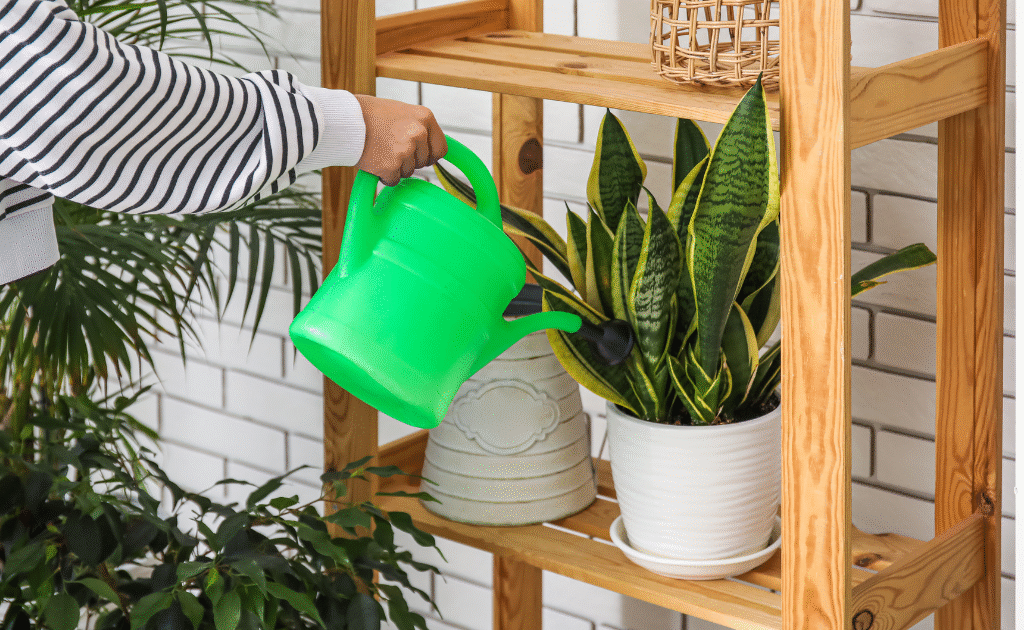
Credit: brindavanagardens.com
Frequently Asked Questions
How Often Should I Water Container Plants?
Water container plants when the top inch of soil feels dry. This usually means watering every 2-3 days. Frequency depends on plant type, weather, and pot size. Avoid overwatering to prevent root rot and promote healthy growth.
What Is The Best Time To Water Container Plants?
Water container plants early in the morning or late in the evening. This reduces water evaporation and helps plants absorb moisture better. Avoid watering during the hottest part of the day to minimize stress on plants.
How Much Water Do Container Plants Need?
Container plants need enough water to moisten the entire root ball. Water until you see drainage from the pot’s bottom. Avoid letting plants sit in standing water, as this can cause root damage.
Can I Use Rainwater For Watering Container Plants?
Yes, rainwater is ideal for container plants. It’s free of chemicals like chlorine found in tap water. Collect rainwater in barrels and use it to keep your plants healthy and hydrated naturally.
Conclusion
Regular watering keeps container plants healthy and strong. Watch the soil moisture to avoid over or under watering. Use a consistent schedule based on your plant’s needs. Remember, each plant type may need different amounts of water. Check pots for good drainage to prevent root rot.
Small changes in watering habits make a big difference. Keep learning and adjusting as you go. Your plants will thank you with vibrant leaves and flowers. Caring for container plants is simple with steady attention. Enjoy watching your garden grow beautifully every day.