Are you tired of ending your carpentry projects with sore knees? You’re not alone.
Many carpenters overlook the importance of knee protection, leading to discomfort and even long-term issues. But what if you could transform your work experience with just one simple addition to your gear? Imagine moving through your tasks with ease and comfort, knowing you’re taking care of your body.
In this guide, you’ll discover practical tips for wearing knee pads that will change how you feel about your workday. Your knees will thank you, and you’ll find yourself working more efficiently and comfortably than ever before. Keep reading to learn how to choose and use knee pads that make a real difference in your daily tasks.

Credit: www.workyard.com
Choosing The Right Knee Pads
Knee pads protect your knees during long carpentry tasks. Picking the right ones helps avoid pain and injury. The right knee pads also improve your comfort and work quality.
This guide explains what to consider when selecting knee pads for carpentry. It covers types, materials, and fit to help you choose well.
Types Of Knee Pads For Carpentry
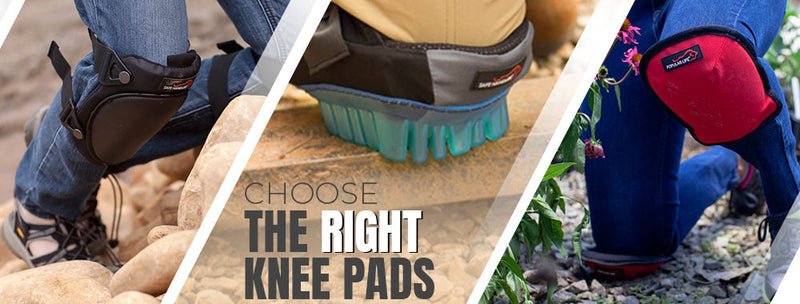
Knee pads come in different styles. Each type offers its own benefits for carpentry work. Knowing the types helps you pick the best option.
- Hard Cap Knee Pads:Have a solid outer shell. Protect against sharp objects and rough surfaces.
- Soft Cap Knee Pads:Made of foam or gel. Provide comfort on smooth surfaces.
- Strap-On Knee Pads:Use straps to hold them in place. They fit most sizes but may slip if not tight.
- Slip-On Knee Pads:Elastic or stretch material. Easy to wear but less adjustable.
Material And Durability
Look for materials that last long and resist damage. Durable knee pads save money and keep you safe over time.
| Material | Features | Best For |
| Polyurethane | Strong, tough outer shell | Hard surfaces, rough work |
| Neoprene | Flexible, water resistant | Wet or damp conditions |
| Gel Padding | Soft, absorbs shock | Comfort during long use |
| Foam | Lightweight, less durable | Short jobs, light tasks |
Sizing And Fit Considerations
Proper fit keeps knee pads in place and avoids discomfort. Check size and adjustability before buying.
- Measure your knee circumference or check size guides.
- Choose pads with adjustable straps for a secure fit.
- Try them on with work clothes to ensure comfort.
- Make sure they allow free movement without slipping.
Preparing Your Knee Pads
Knee pads protect your knees during carpentry tasks. Proper preparation helps you stay comfortable and safe. Getting your knee pads ready before work saves time and effort later.
Check your knee pads carefully. Make sure they fit well and provide enough support. Follow these tips to prepare your knee pads for carpentry work.
Adjusting Straps And Fasteners
Straps and fasteners keep your knee pads in place. Tighten or loosen them to fit your knees comfortably. Avoid straps that are too tight or too loose to prevent slipping or discomfort.
- Put on the knee pads and fasten the straps.
- Adjust straps so the pads sit firmly on your knees.
- Make sure you can move easily without pain.
- Check for any pinching or tight spots.
Adding Extra Padding
Extra padding can improve comfort during long work sessions. You can add foam inserts or gel pads inside your knee pads. This helps reduce pressure and protects your knees better.
| Padding Type | Comfort Level | Best Use |
| Foam Insert | Medium | Short to medium tasks |
| Gel Pad | High | Long tasks or rough surfaces |
| Sheepskin Cover | Soft | Cold weather or extra cushion |
Cleaning And Maintenance Tips
Keep your knee pads clean to extend their life. Dirt and sweat can damage the materials. Clean them regularly and check for wear and tear.
Follow this simple cleaning routine:
- Remove any loose dirt or debris.
- Use mild soap and warm water to wipe the pads.
- Air dry completely before storing.
- Inspect straps and padding for damage.
- Replace worn parts to keep pads effective.
Proper Wearing Techniques
Wearing knee pads correctly helps protect your knees during carpentry tasks. This guide covers tips on how to wear them for the best comfort and safety.
Follow these simple techniques to keep your knees safe while working on wood or other materials.
Positioning For Maximum Protection
Place the knee pads so that the hard shell covers the kneecap fully. The padding should sit directly under the knee joint to absorb pressure.
Make sure the knee pad is centered and not tilted to one side. This prevents slipping and ensures even protection.
Securing Knee Pads Comfortably
- Adjust the straps so they are snug but not too tight.
- Check that the knee pads stay in place when you move or kneel.
- Use padding or sleeves if the straps rub your skin.
- Wear knee pads over thin clothing to avoid irritation.
Comfort is key. Tight straps can cut off circulation, while loose straps let the pads shift.
Avoiding Common Fit Issues
| Issue | Cause | Fix |
| Slipping knee pads | Loose straps or wrong size | Tighten straps or try smaller size |
| Pinching or discomfort | Straps too tight or rough edges | Loosen straps or add soft padding |
| Pressure points | Incorrect positioning | Reposition pads over kneecap |
Check your knee pads regularly for wear and fit. Fix problems early to avoid knee pain or injury.
Enhancing Comfort During Long Tasks
Wearing knee pads helps protect your knees during carpentry work. Comfort is key for long hours on your knees. This guide offers tips to keep you comfortable while using knee pads.
Good comfort reduces pain and lets you focus on your work. Use these simple methods to improve your experience.
Using Moisture-wicking Liners
Moisture-wicking liners keep sweat away from your skin. They help prevent irritation and skin damage. Always wear a liner under your knee pads for better comfort.
- Choose liners made of breathable fabric like polyester or nylon.
- Wash liners regularly to keep them fresh.
- Replace liners if they become worn or lose their moisture-wicking ability.
Taking Breaks To Relieve Pressure
Long periods on your knees can cause pressure and pain. Taking breaks helps your knees recover. Plan short rests during your tasks to reduce stress.
- Set a timer to remind you to take breaks every 30 to 45 minutes.
- Stand up and stretch your legs and knees during breaks.
- Change your posture to avoid constant pressure on the same spots.
Alternating Knee Pads And Supports
Using different types of knee protection can reduce discomfort. Alternate between knee pads and knee supports to give your knees a break. Each type offers different support and cushioning.
| Type | Benefit | Use Case |
| Foam Knee Pads | Soft cushioning | Short tasks on hard floors |
| Gel Knee Pads | Good shock absorption | Longer work periods |
| Knee Supports | Joint stability | Tasks needing knee movement |
Safety Tips While Using Knee Pads
Knee pads protect your knees during carpentry work. Wearing them correctly helps avoid injuries and pain.
Follow safety tips to get the best support and comfort from your knee pads. This keeps you safe on the job.
Inspecting For Wear And Damage
Check your knee pads before each use. Look for cracks, tears, or worn-out padding that can reduce protection.
Replace knee pads if they show damage. Old or broken pads can cause discomfort and increase injury risk.
- Look for holes or tears in the outer cover
- Check if the padding feels thin or hard
- Test straps and fasteners for tightness and security
- Remove dirt and debris that can cause wear
Combining Knee Pads With Other Gear
Wear knee pads with other safety gear like gloves and work boots. This keeps your whole body protected.
Make sure your knee pads fit well with your clothes and tools. Avoid bulky gear that limits movement.
- Wear gloves to protect hands from splinters and cuts
- Use sturdy boots to support your feet and ankles
- Choose knee pads that fit over or under pants comfortably
- Keep your tools within reach to avoid awkward kneeling positions
Recognizing Signs Of Knee Stress
Notice if your knees feel sore or stiff after work. This may mean your knee pads need adjustment.
Stop working if you feel sharp pain. Knee stress can lead to long-term problems if ignored.
- Pain or swelling after kneeling
- Redness or skin irritation under knee pads
- Difficulty bending or straightening the knee
- Feeling numbness or tingling in the knee area

Credit: www.amazon.co.uk

Credit: www.reddit.com
Frequently Asked Questions
How Do Knee Pads Protect Carpenters During Work?
Knee pads cushion and shield your knees from hard surfaces. They reduce pressure and prevent injuries. This protection helps carpenters work longer and more comfortably.
What Is The Best Material For Carpentry Knee Pads?
Look for knee pads with foam or gel padding. Durable outer fabric like nylon or leather increases lifespan. These materials provide comfort, support, and long-lasting protection during carpentry tasks.
How Should Knee Pads Fit For Carpentry Tasks?
Knee pads should fit snugly without cutting off circulation. Adjustable straps ensure a secure fit and prevent slipping. Proper fitting maximizes protection and comfort during extended work periods.
Can Knee Pads Improve Efficiency In Carpentry?
Yes, knee pads reduce discomfort and fatigue. This allows carpenters to focus better and work longer. Wearing knee pads can boost productivity and reduce injury-related downtime.
Conclusion
Wearing knee pads protects your knees during carpentry work. Choose pads that fit well and feel comfortable. Always clean and check them before use. Proper use helps avoid pain and injury. Take care of your pads to make them last longer.
Small habits make a big difference in safety. Keep your knees safe, and work will feel easier.