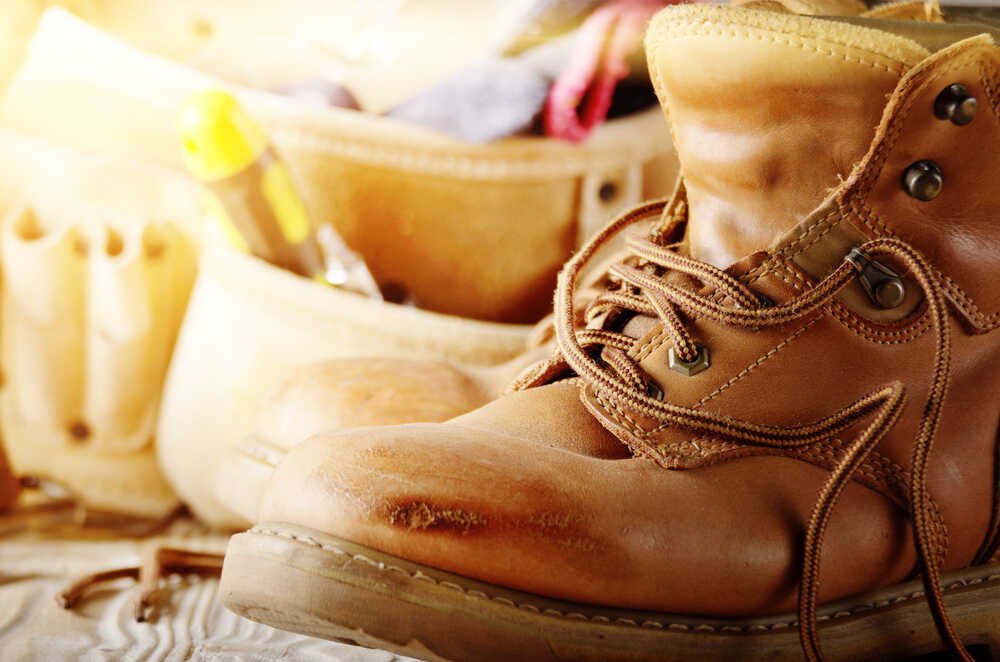
Picture this: you’re out in the field, surrounded by nature, ready to take on the day’s tasks. The sun is shining, and the air is crisp.
But one thing is crucial before you start—your safety. Your feet are your foundation, and ensuring they’re well-protected is key to a productive day. Safety boots are your best friend when it comes to outdoor work, but are you wearing them correctly?
Discover the essential tips that could make all the difference in comfort and safety. Dive into this guide, where you’ll learn how to optimize your safety boots for maximum protection and comfort, keeping you one step ahead in your workday. Are you ready to step up your game? Read on to uncover how a few simple adjustments can transform your outdoor experience.
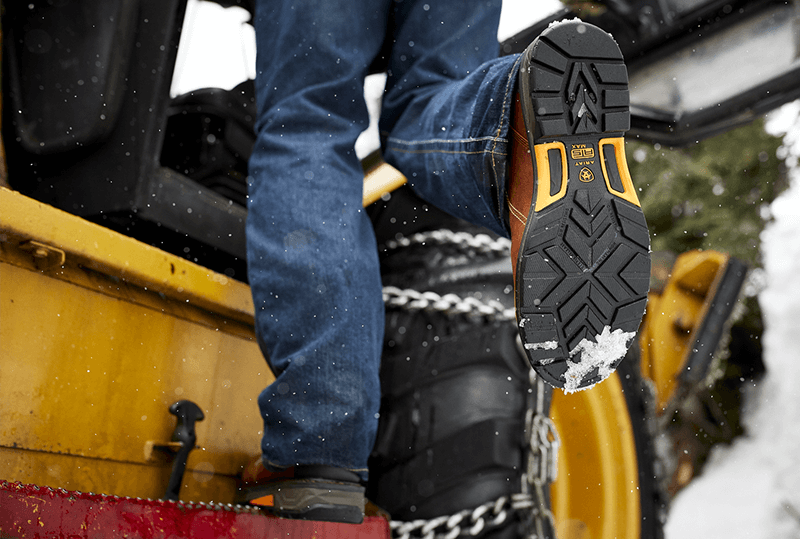
Credit: tyndaleusa.com
Choosing The Right Safety Boots
Wearing safety boots is important for outdoor work. The right boots protect your feet from injury.
Choosing boots that fit well and meet safety standards helps keep you safe and comfortable.
Material Types And Benefits
Safety boots come in different materials. Each type offers unique protection and comfort.
- Leather:Durable and water-resistant. Good for rough outdoor work.
- Rubber:Waterproof and easy to clean. Ideal for wet conditions.
- Synthetic fabrics:Lightweight and breathable. Good for hot weather.
- Composite materials:Non-metallic and light. Provide good safety without extra weight.
Correct Fit And Sizing Tips
Proper fit is key to comfort and safety. Boots that are too tight or loose can cause problems.
- Try boots on at the end of the day when feet are largest.
- Wear the socks you plan to use while working.
- Check for enough toe room to wiggle your toes.
- Make sure the heel fits snugly without slipping.
- Walk around to test comfort and support.
Safety Ratings To Look For
Safety boots have ratings that show their protection level. Look for boots with the right ratings for your work.
- Steel Toe:Protects toes from heavy impacts.
- Composite Toe:Lighter than steel but still strong.
- Slip Resistant:Helps prevent slips on wet or oily surfaces.
- Electrical Hazard (EH):Protects against electric shocks.
- Puncture Resistant:Guards against sharp objects.
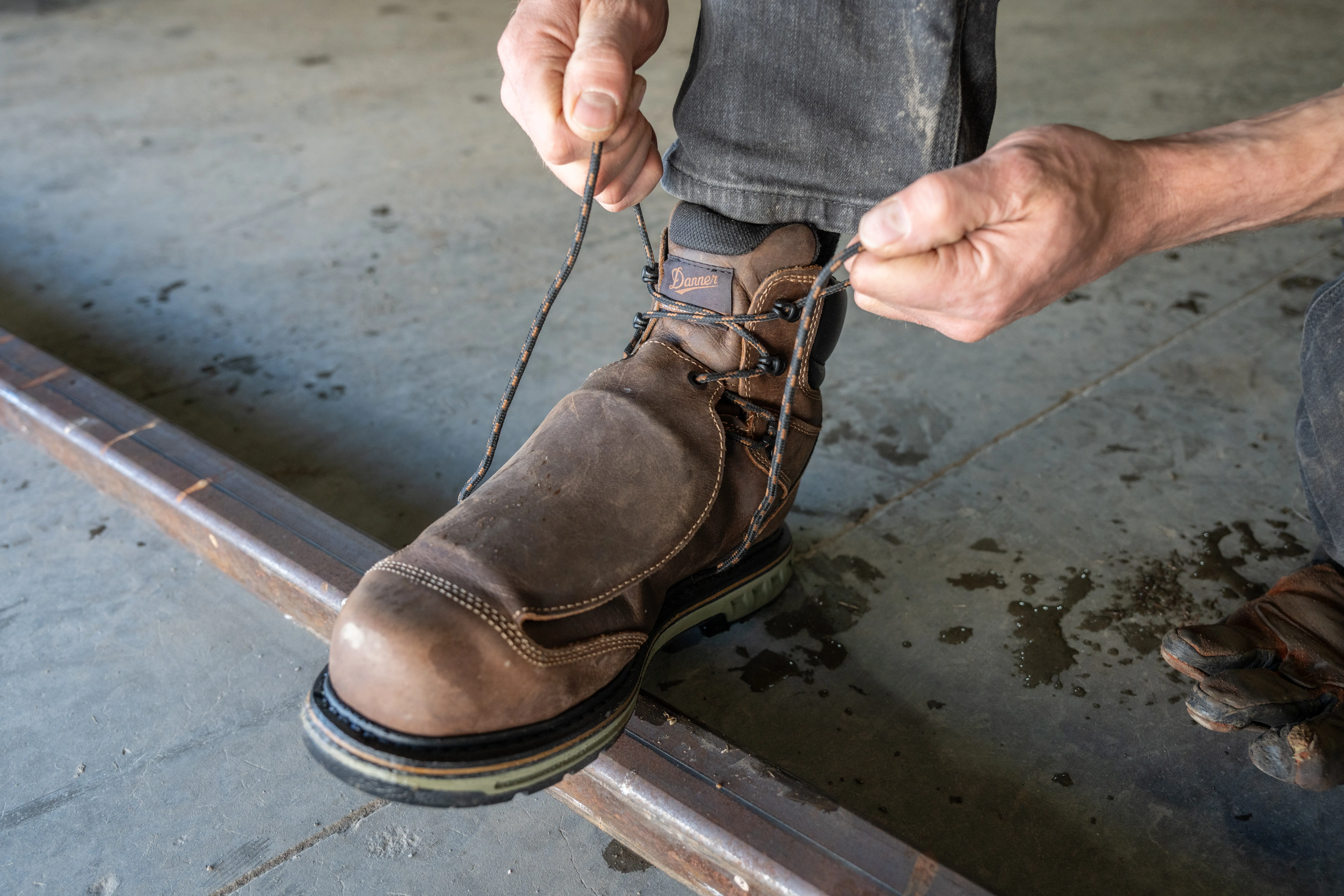
Credit: gearjunkie.com
Breaking In Your Safety Boots
New safety boots can feel stiff and uncomfortable at first. Breaking them in helps make them soft and easier to wear. This process protects your feet from pain and blisters during work.
Taking time to break in your boots will increase comfort. It also helps the boots last longer. Follow simple steps to get your boots ready for outdoor work.
Step-by-step Breaking-in Process
Start by wearing your boots for short periods indoors. This lets the leather or material soften gently. Avoid wearing them all day at first to prevent blisters.
Try these steps to break in your boots carefully:
- Wear thick socks for extra cushioning.
- Walk around your home for 30 minutes daily.
- Increase wear time by 15-30 minutes each day.
- Use a boot stretcher or gently massage tight areas.
- Apply leather conditioner to soften the material.
- Let boots dry naturally, away from direct heat.
Common Issues And Solutions
New boots may cause discomfort or problems. Knowing how to fix these issues helps you get comfortable faster. Here are common problems and easy solutions.
- Blisters:Wear thicker socks and use blister pads.
- Tight Toes:Use a boot stretcher or soften leather with conditioner.
- Heel Slippage:Add heel grips or wear thicker socks.
- Stiff Soles:Walk on soft surfaces to loosen soles gradually.
- Foot Pain:Check if boots fit correctly and try insoles for extra support.
Maximizing Comfort During Long Hours
Wearing safety boots for long hours outdoors can be tough on your feet. Comfort is key to staying focused and avoiding pain. Small changes can make your boots feel better all day.
Here are tips on insoles, socks, and foot care to help you stay comfortable during long workdays.
Insoles And Padding Options
Good insoles add support and cushioning inside your boots. Padding can reduce pressure points and prevent blisters. Choose insoles designed for your type of work.
- Gel insoles absorb shock and reduce foot fatigue.
- Memory foam insoles conform to your foot shape.
- Arch support insoles help maintain proper foot alignment.
- Padded collars and tongues add comfort around the ankle.
Proper Sock Selection
Socks play a big role in foot comfort. The right socks prevent blisters and wick away sweat. Avoid cotton socks because they hold moisture and cause discomfort.
| Sock Type | Benefit |
|---|---|
| Wool | Keeps feet warm and dry |
| Synthetic blends | Dries quickly and reduces friction |
| Cushioned socks | Provide extra padding in high-impact areas |
Foot Care And Maintenance
Taking care of your feet helps keep them healthy and comfortable. Clean and dry feet reduce the chance of infections and skin problems.
- Wash feet daily with mild soap and dry well.
- Trim toenails straight across to avoid ingrown nails.
- Apply moisturizer to prevent dry skin, but avoid between toes.
- Inspect feet regularly for cuts, blisters, or redness.
- Rotate boots to let them air out and dry between uses.

Credit: www.overlookboots.com
Maintaining Safety And Durability
Wearing safety boots protects your feet during outdoor work. Keeping them safe and long-lasting is very important.
Proper care helps boots stay strong and comfortable. This guide shares tips on cleaning, waterproofing, and repairs.
Cleaning And Waterproofing Tips
Clean your boots after every use to remove dirt and mud. This stops damage and keeps materials healthy.
Use a soft brush or cloth with mild soap and water. Avoid harsh chemicals that can harm the leather or fabric.
- Remove laces before cleaning
- Let boots dry naturally, away from heat
- Apply waterproof spray or wax regularly
- Check waterproofing after heavy rain or snow
Regular Inspections And Repairs
Look over your boots often for signs of wear or damage. Early fixes stop bigger problems later.
Check soles, seams, and eyelets carefully. Replace worn-out parts or take boots to a repair shop if needed.
- Inspect soles for cracks or worn tread
- Check stitching and seams for loose threads
- Make sure eyelets and hooks are secure
- Replace insoles if they lose support
- Repair small holes or tears quickly
Adapting Boots For Different Outdoor Conditions
Wearing the right safety boots is important for outdoor work. Different weather and ground conditions need different boot features.
Knowing how to adjust your boots helps keep your feet safe and comfortable all day long.
Handling Wet And Muddy Terrain
For wet and muddy areas, choose boots with waterproof material. Good grip on the sole stops slipping. Clean mud off your boots after work to keep them in good shape.
- Use boots with deep treads for better traction.
- Pick waterproof or water-resistant boots.
- Wear thick, quick-drying socks.
- Check and replace worn soles regularly.
Cold Weather Precautions
| Feature | Purpose |
| Insulated lining | Keeps feet warm in low temperatures |
| Waterproof material | Prevents water from freezing inside boots |
| Non-slip soles | Stops slipping on ice and snow |
| Roomy fit | Allows space for thick socks |
Cold weather boots should have insulation and a waterproof layer. This stops cold and moisture from reaching your feet.
Hot Weather Considerations
In hot weather, boots need to keep feet cool and dry. Breathable materials help air flow inside. Avoid heavy boots that cause sweating.
- Choose boots with mesh panels for ventilation.
- Wear moisture-wicking socks.
- Take breaks to air out boots when possible.
- Use foot powder to reduce sweat.
Frequently Asked Questions
What Are The Best Materials For Safety Boots?
The best safety boots use leather or synthetic uppers for durability. Steel or composite toes protect against heavy impacts. Waterproof and breathable linings keep feet dry and comfortable during outdoor work.
How Should Safety Boots Fit For Outdoor Work?
Safety boots should fit snugly but not tight. Leave enough room to wiggle toes and wear thick socks. Proper fit prevents blisters and supports long hours of wear.
How Do I Maintain Safety Boots For Longevity?
Clean boots regularly with a brush and mild soap. Condition leather to prevent cracking. Dry them naturally, avoiding direct heat. Proper care extends boot life and safety.
Are Steel Toe Boots Necessary For All Outdoor Jobs?
Steel toe boots are essential in high-risk environments with heavy objects. For lighter tasks, composite toes may suffice. Always choose boots based on specific job hazards.
Conclusion
Wearing safety boots protects your feet during outdoor work. Choose boots that fit well and offer strong support. Keep them clean and check for any damage often. Replace worn-out boots to avoid injuries. Comfort matters to help you work longer without pain.
Follow these tips to stay safe and comfortable every day. Safety boots are a simple but important part of your work gear. Take care of your boots, and they will take care of you. Stay safe, stay strong.