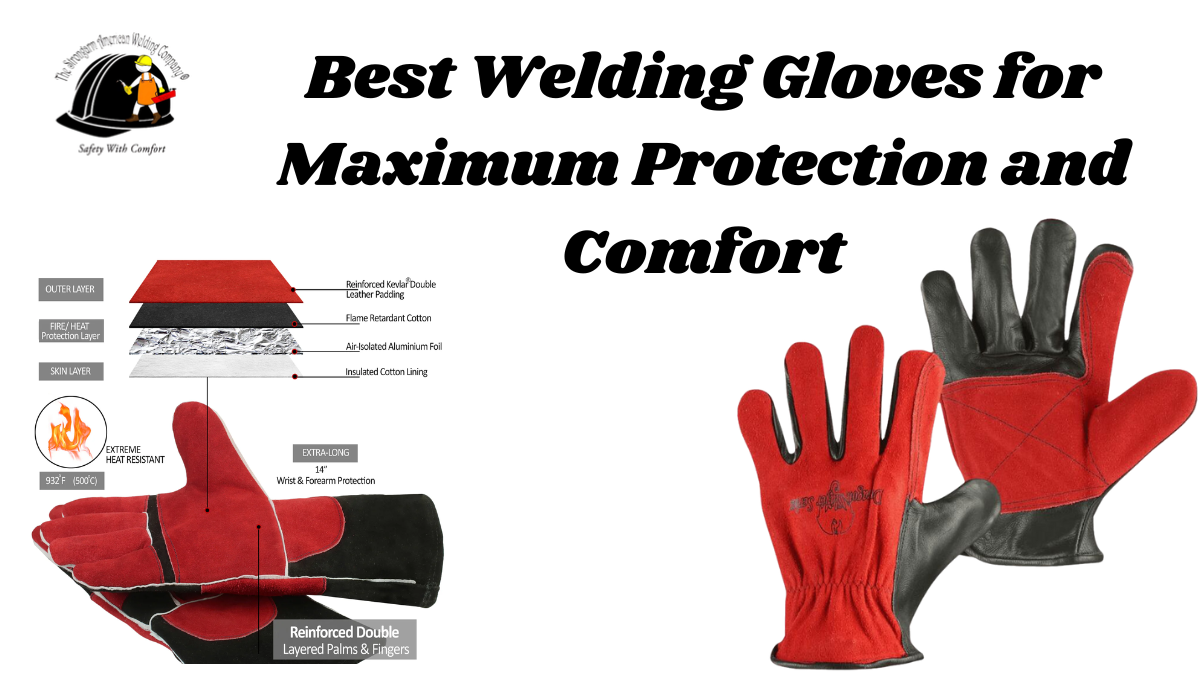
When you’re working with welding, your hands face intense heat and sparks every second. Wearing the right welding gloves is not just about comfort—it’s about keeping your hands safe from burns and injuries.
But how do you choose gloves that really protect you? And once you have them, what’s the best way to wear them for maximum heat protection? You’ll discover simple yet powerful tips to make sure your welding gloves do their job perfectly.
Keep reading to protect your hands and work with confidence every time.

Credit: auntybettysbar.com
Choosing The Right Welding Gloves
Welding gloves protect your hands from heat and sparks. Choosing the right pair keeps you safe and comfortable.
Good gloves help you work better and avoid burns. Look for gloves that fit well and resist heat.
Material Types For Heat Resistance
Welding gloves come in many materials. Each type protects against heat differently.
Leather is the most common. It blocks heat and sparks well. Some gloves use treated leather for extra protection.
- Cowhide: Durable and good heat resistance
- Goatskin: Soft and flexible, moderate heat protection
- Pigskin: Breathable and tough, handles heat well
- Split leather: Thicker, protects better from heat
Proper Fit And Comfort
Gloves that fit well improve safety and ease of use. Too tight gloves cause pain. Too loose gloves reduce control.
Look for gloves with a snug fit but room to move fingers. Padded palms and soft linings add comfort during long tasks.
- Measure hand size before buying
- Choose gloves with adjustable cuffs
- Try gloves on to check finger movement
- Look for breathable materials inside
Durability And Flexibility
Durable gloves last longer and protect better. Flexible gloves let you work with precision and speed.
Check stitching and thickness for durability. Look for gloves that bend easily without cracking or tearing.
- Reinforced seams increase glove life
- Flexible materials allow easy hand movement
- Double layers add strength in key areas
- Balance between toughness and flexibility is best
Wearing Gloves Correctly
Wearing welding gloves properly keeps your hands safe from heat. Gloves protect your skin and help you work better.
Follow simple tips to wear gloves right. This improves safety and comfort during welding.
Ensuring Full Coverage
Make sure your gloves cover your hands and wrists completely. Heat can burn skin that is not protected.
Wear gloves that fit well and overlap with your jacket sleeves. This stops sparks from reaching your skin.
- Check that fingers are fully covered.
- Extend gloves past wrist bones.
- Avoid gaps between gloves and sleeves.
Avoiding Common Mistakes
Do not wear gloves that are too big or too small. Loose gloves can catch sparks inside. Tight gloves can hurt blood flow.
Keep gloves clean and dry. Dirty or wet gloves reduce heat protection and can cause burns.
- Do not roll glove cuffs.
- Remove gloves before touching controls or equipment.
- Replace gloves if they feel stiff or uncomfortable.
Checking For Damage Before Use
Always inspect gloves before welding. Small holes or tears let heat and sparks through.
Look for worn spots, cuts, or burns. Damaged gloves lose their heat protection power.
- Check seams for loose threads.
- Feel for thin areas in the material.
- Replace gloves if damaged in any way.
Maintaining Welding Gloves
Welding gloves protect your hands from heat and sparks. Keeping them in good shape helps you stay safe. Regular care makes gloves last longer.
Learn simple ways to clean, store, and know when to replace your welding gloves.
Cleaning Techniques
Cleaning your welding gloves removes dirt, oil, and sweat. Use a soft brush to remove loose dirt. For leather gloves, wipe with a damp cloth. Avoid soaking them in water.
- Brush off loose dirt after each use
- Use a damp cloth with mild soap for stains
- Let gloves air dry away from heat
- Do not use harsh chemicals or bleach
Storage Tips
Store welding gloves in a dry, cool place. Avoid direct sunlight or damp areas. Keep them away from sharp objects to stop damage. Proper storage keeps gloves soft and flexible.
| Storage Condition | Effect on Gloves |
|---|---|
| Dry and cool place | Prevents mold and stiffness |
| Away from sunlight | Stops fading and cracking |
| Avoid damp areas | Prevents mildew and damage |
| Separated from sharp tools | Reduces tears and holes |
When To Replace Gloves
Check gloves often for signs of wear. Replace gloves if you see cracks, holes, or thinning areas. Damaged gloves cannot protect your hands properly. Replace gloves if they smell bad after cleaning.
- Holes or tears in the material
- Cracks on the leather surface
- Thinning or worn-out padding
- Persistent bad odor after washing
- Gloves feel stiff or lose flexibility
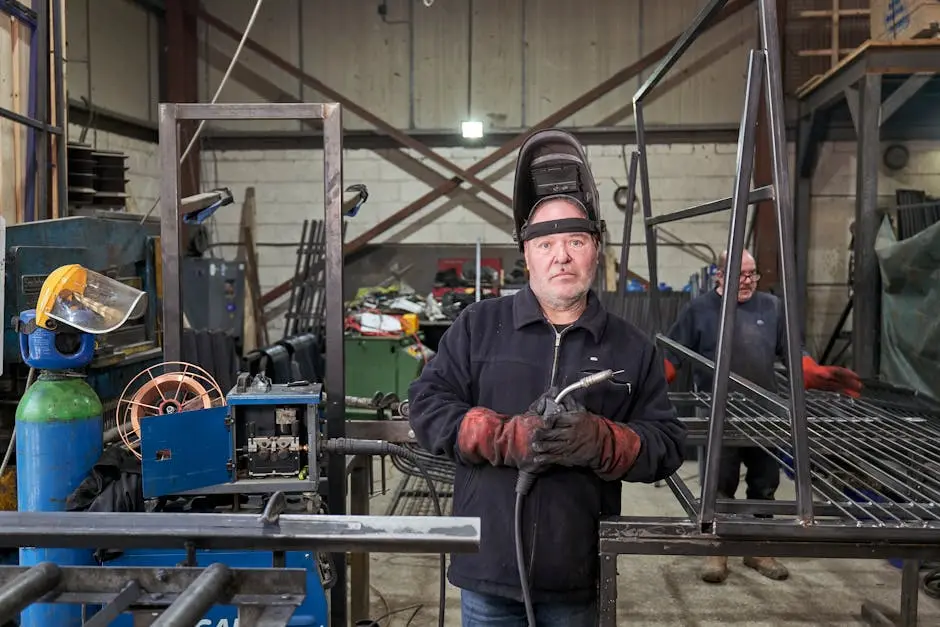
Credit: www.weldshopsupply.com
Additional Safety Measures
Wearing welding gloves is important for heat protection. You should also follow other safety steps. These help keep you safe from burns and injuries.
Use gloves together with other gear. Follow safety rules at work to reduce risks. This guide explains how to use gloves with gear and heat safety tips.
Using Gloves With Other Protective Gear
Wear welding gloves with other safety gear. This keeps your hands and body safe from heat and sparks. Make sure all gear fits well and works together.
- Wear flame-resistant sleeves with gloves to protect your arms.
- Use safety goggles or a helmet to shield your eyes from sparks.
- Choose boots that cover your ankles for foot protection.
- Check all gear for damage before starting work.
- Keep your gloves dry and clean to keep them safe.
Workplace Heat Safety Practices
Follow rules to stay safe from heat hazards at work. Heat can cause burns or heat stress. Use these steps to protect yourself and others.
| Safety Practice | Description |
| Hydration | Drink water often to avoid dehydration. |
| Rest Breaks | Take breaks in cool areas to lower body heat. |
| Ventilation | Work in well-ventilated spaces to reduce heat buildup. |
| Heat Monitoring | Watch for signs of heat exhaustion or burns. |
| Training | Learn heat safety rules and emergency actions. |
Boosting Comfort During Long Use
Wearing welding gloves for a long time can make your hands feel hot and sweaty. This can reduce comfort and make work harder. Taking steps to manage sweat and care for your hands helps keep you comfortable.
Simple habits and good glove care improve heat protection and make long use easier. Focus on managing moisture and giving your hands breaks.
Managing Sweat And Moisture
Sweat builds up inside welding gloves, causing discomfort and skin irritation. Using the right gloves and keeping hands dry helps a lot.
- Choose gloves with breathable materials or moisture-wicking liners.
- Wear cotton glove liners to absorb sweat and protect skin.
- Change gloves regularly to keep them dry and clean.
- Use hand powders or antiperspirants designed for work gloves.
- Keep a clean towel nearby to wipe sweat from your hands.
Breaks And Hand Care
Taking breaks reduces heat build-up in your gloves. It also helps your skin breathe and stay healthy.
| Break Activity | Benefit |
| Remove gloves | Lets hands cool and dry |
| Wash hands with cool water | Removes sweat and dirt |
| Apply moisturizer | Prevents dry, cracked skin |
| Stretch fingers and hands | Improves blood flow |

Credit: esab.com
Frequently Asked Questions
How Do I Choose The Right Welding Gloves?
Choosing the right welding gloves involves considering the material, size, and heat resistance. Look for gloves made from leather, such as cowhide or goatskin. Ensure they fit snugly but allow movement. Check the gloves’ heat protection rating to match your welding tasks.
Comfort and durability are key.
Can Welding Gloves Protect Against Extreme Heat?
Yes, welding gloves are designed to protect against extreme heat. They are made from heat-resistant materials like leather, providing a barrier against high temperatures. However, it’s essential to choose gloves with the appropriate heat rating for your specific welding work to ensure maximum protection.
How Often Should I Replace My Welding Gloves?
Replace your welding gloves when they show signs of wear or damage. Regularly inspect them for holes, thinning material, or compromised heat resistance. Frequent exposure to intense heat and abrasions can reduce their effectiveness. Timely replacement ensures your safety and maintains optimal protection during welding tasks.
Are Welding Gloves Necessary For All Welding Tasks?
Yes, welding gloves are essential for all welding tasks. They protect against burns, heat, and spatter. Regardless of the welding type, gloves provide a critical safety layer. Always choose gloves suitable for your specific welding technique to ensure comprehensive protection and enhance your overall safety.
Conclusion
Wearing welding gloves helps protect your hands from heat and sparks. Choose gloves that fit well and feel comfortable. Always check gloves for damage before starting work. Keep your gloves clean and dry for better safety. Remember, good gloves improve your grip and reduce accidents.
Stay safe by using the right gloves every time. Protect your hands, and your work will go smoothly. Safety first, always.