Are you struggling to pull cables through tight spaces or long distances? Using a cable puller effectively can save you time, effort, and frustration.
Whether you’re a professional electrician or tackling a DIY project, mastering this tool makes your work smoother and more efficient. You’ll discover simple tips and tricks to handle your cable puller like a pro. Keep reading to unlock the secrets that will make your cable pulling tasks easier than ever before.

Credit: www.youtube.com
Choosing The Right Cable Puller
Using a cable puller helps move cables through tight spaces easily. Picking the right one makes the job safer and faster.
Different cable pullers work better for different tasks. Knowing what to look for saves time and effort.
Types Of Cable Pullers
Cable pullers come in several types for various jobs. Some are manual, and others use power to pull cables.
- Manual Lever Pullers:Use hand power to pull cables. Good for small jobs.
- Electric Cable Pullers:Use motors for heavy cables. Save time and energy.
- Hydraulic Pullers:Use fluid pressure. Best for very heavy or long cables.
- Ratchet Pullers:Use a ratchet mechanism. Allow controlled pulling force.
Capacity And Size Considerations
Choose a cable puller with the right capacity for your cable weight. Too small pullers may break or fail.
Size matters to fit the work area and cable thickness. Larger pullers handle bigger cables but need more space.
- Check the maximum load capacity before buying.
- Match the puller size to the cable diameter.
- Consider the space where you will work.
Material And Build Quality
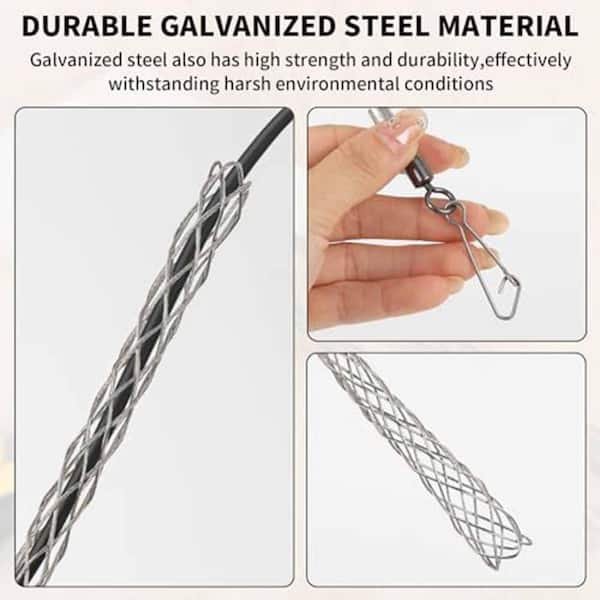
Strong materials make cable pullers last longer and work safely. Look for sturdy metals and solid construction.
Good build quality means fewer breakdowns and safer use. Avoid pullers with loose parts or weak joints.
- Steel or alloy bodies offer strength and durability.
- Corrosion-resistant coatings protect from rust.
- Check for tight, well-made moving parts.

Credit: www.amazon.com
Preparing For Cable Pulling
Before pulling a cable, you must prepare well. Good preparation helps avoid damage.
Check the area and tools before starting. This makes the work safer and easier.
Inspecting The Cable Path
Look at the entire path where the cable will go. Make sure it is clear and straight.
Check for sharp edges or bends that can damage the cable. Note any narrow spots.
- Look for bends sharper than the cable’s limit
- Identify rough surfaces or sharp edges
- Check if the path is long and straight enough
- Ensure the path matches the cable size
Clearing Obstacles
Remove anything blocking the cable path. Obstacles can cause snags or breaks.
Clear debris, tools, or materials from the route. Make space for smooth pulling.
- Move boxes, wires, or loose parts away
- Trim plants or branches near outdoor paths
- Check for wet or slippery areas
- Secure loose cables or cords
Safety Gear Essentials
Wear the right safety gear to protect yourself. Safety reduces accidents during work.
Use gloves, goggles, and hard hats if needed. Choose gear that fits well and is comfortable.
- Wear gloves to protect hands from cuts
- Use safety goggles to guard eyes
- Put on a hard hat if overhead work is involved
- Wear boots with good grip for stable footing
Setting Up The Cable Puller
Setting up a cable puller correctly is important for safety and success. You need to prepare the tool and the work area carefully.
Follow simple steps to make sure your cable puller works well and stays secure during use.
Proper Anchoring Techniques
Anchor the cable puller to a strong, stable object. This stops it from moving while pulling the cable.
Use trees, heavy vehicles, or solid posts as anchors. Check the anchor point for strength before starting.
- Clear the area around the anchor
- Use straps or chains rated for the load
- Make sure the anchor is steady and won’t shift
- Check anchor points for damage or wear
Attaching The Cable Securely
Connect the cable to the puller with secure clamps or hooks. Loose attachments can cause accidents.
Double-check the cable ends and fasteners. Tighten all connections before pulling.
- Use the right size clamps for the cable
- Place clamps close together on the cable
- Test the connection by pulling slightly
- Replace damaged or worn clamps
Adjusting Tension Settings
Set the cable puller’s tension to match the load. Too much tension can break the cable or puller.
Start with low tension and increase slowly. Watch the cable and puller for signs of stress.
- Check the puller manual for tension limits
- Use tension gauges if available
- Keep hands clear when adjusting tension
- Stop and reset if the cable slips or frays
Techniques For Smooth Cable Pulling
Using a cable puller requires careful technique to avoid damage and ensure efficiency. Smooth pulling helps protect the cable and reduces effort.
This guide covers key methods for steady speed, preventing cable harm, and using lubricants well.
Maintaining Steady Pulling Speed
Keep a constant speed while pulling the cable. Sudden jerks or stops can stress the cable and equipment.
- Start pulling slowly to get the cable moving.
- Keep a steady pace without rushing.
- Pause only if necessary and avoid sharp stops.
- Use a team to help maintain smooth tension.
Avoiding Cable Damage
Protect the cable from cuts, kinks, and abrasions during pulling. Damage can cause failures and increase costs.
| Common Damage | Prevention Method |
|---|---|
| Kinks | Avoid sharp bends and use proper guides |
| Abrasions | Use protective sleeves or smooth surfaces |
| Cuts | Keep sharp objects away and inspect path |
Using Lubricants Effectively
Lubricants reduce friction and make pulling easier. Use the right type and apply it evenly along the cable.
Tips for lubricant use:
- Choose lubricant suitable for the cable material.
- Apply lubricant before pulling, especially in long runs.
- Reapply if the pull takes a long time or faces resistance.
- Clean the cable after pulling to remove lubricant residue.
Troubleshooting Common Issues
Using a cable puller can be tricky if problems happen during the pull. Knowing how to fix these issues will save time and effort.
This guide helps you handle common troubles when using a cable puller. Follow these tips for a smoother pull.
Handling Cable Snags
Cable snags occur when the cable catches on something inside the conduit. This can stop your pull and damage the cable.
To handle snags, gently pull back the cable a little. Then try to push it forward again while twisting slightly.
- Do not pull too hard to avoid cable damage
- Check for sharp bends or debris in the conduit
- Use lubricant if allowed to ease the pull
Dealing With Unexpected Resistance
Resistance may feel stronger than usual and can mean a blockage or a tight bend. Stop pulling if resistance grows.
Try to locate the problem by inspecting the conduit or cable path. Clear any obstacles before continuing.
- Use a flashlight to look inside the conduit
- Remove debris or smooth rough edges
- Apply cable lubricant carefully if needed
When To Stop And Reassess
Stop pulling if the cable feels stuck or the puller strains too much. Continuing can damage equipment or the cable.
Take time to check the cable route and tools. Fix any issues before you try pulling again.
- Inspect the cable for any damage
- Check the puller for proper operation
- Plan a different path if needed
Maintenance And Storage Tips
Using a cable puller safely means taking good care of it. Proper maintenance and storage help the tool last longer.
Keep the cable puller clean and check it often. Store it in the right place to avoid damage or rust.
Cleaning After Use
Clean the cable puller right after you use it. Dirt and grease can cause parts to stick or wear out fast.
Use a cloth to wipe the cable and metal parts. Remove any mud, oil, or debris carefully.
- Wipe the cable with a dry cloth
- Use mild soap and water for stubborn dirt
- Dry all parts completely to stop rust
Inspecting For Wear And Tear
Look over your cable puller before and after each use. Check all parts for damage or wear signs.
Pay close attention to the cable, hooks, and handles. Replace parts that look weak or broken.
- Check the cable for frays or broken wires
- Inspect hooks for cracks or bends
- Test handles and grips for firmness
- Listen for unusual sounds during use
Proper Storage Methods
Store the cable puller in a dry, clean place. Keep it away from moisture and direct sunlight to prevent damage.
Hang the tool or place it on a shelf. Avoid putting heavy objects on top of it.
- Use hooks or racks to hang the cable puller
- Keep it off the ground to avoid water damage
- Cover with a cloth or case to keep dust away
- Store away from chemicals or sharp objects
Credit: www.vevor.com
Frequently Asked Questions
What Is The Primary Use Of A Cable Puller?
A cable puller is mainly used to pull cables through conduits and tight spaces. It ensures smooth, efficient cable installation without damaging wires. Using a cable puller reduces manual effort and speeds up electrical or networking projects.
How Do You Operate A Cable Puller Safely?
To operate safely, wear gloves and eye protection. Inspect the puller for damage before use. Secure the cable properly, avoid sudden jerks, and follow manufacturer instructions. Always maintain a clear workspace to prevent accidents during cable pulling.
What Types Of Cables Can A Cable Puller Handle?
Cable pullers can handle various cables like electrical wires, fiber optics, and communication cables. The puller’s capacity depends on its model and strength. Choose a cable puller suitable for the cable type and size for optimal results.
How To Maintain A Cable Puller For Longevity?
Regularly clean the cable puller after use to remove dirt and debris. Lubricate moving parts as recommended by the manufacturer. Store it in a dry place to prevent rust. Proper maintenance ensures reliable performance and extends the tool’s lifespan.
Conclusion
Using a cable puller correctly saves time and effort. Always check the tool before starting work. Keep safety in mind to avoid accidents. Practice steady, even pulls for best results. Clean and store the puller after use. This simple care keeps it working longer.
Follow these steps for smooth cable installation. Your work becomes easier and safer this way.