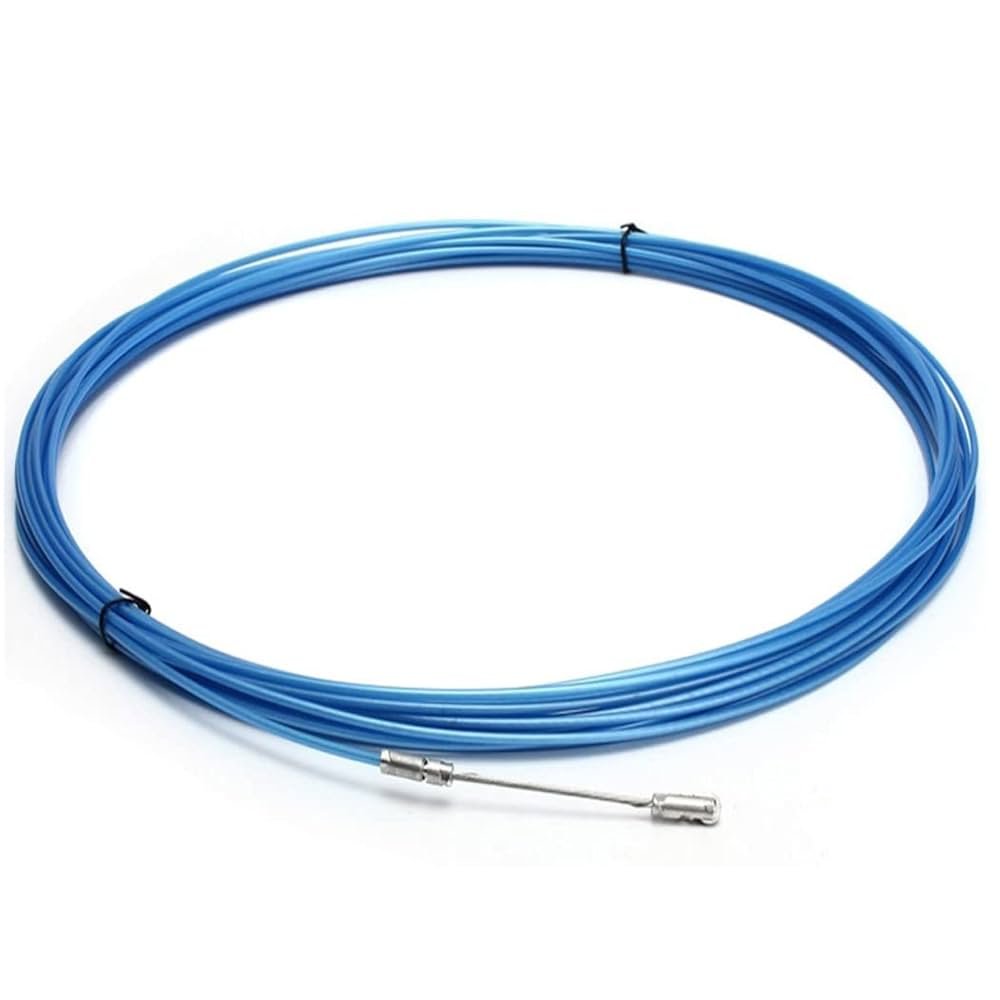
Are you struggling with pulling electrical wires through tight spaces or long conduits? Using a cable puller can make this tough job much easier and faster.
Imagine saving time, avoiding frustration, and protecting your cables from damage—all with one simple tool. You’ll discover how a cable puller works, why it’s essential for your wiring projects, and tips to use it safely and effectively. Keep reading to transform your electrical work and get the job done like a pro.

Credit: www.amazon.com
Choosing The Right Cable Puller
Using a cable puller helps make electrical wiring easier and safer. Picking the right cable puller saves time and effort.
Different cable pullers work best for different jobs. Knowing the types and key factors helps you choose well.
Types Of Cable Pullers
Cable pullers come in many types. Each type fits specific wiring tasks and cable sizes.
- Manual Cable Pullers:Hand-operated tools for light to medium cables.
- Electric Cable Pullers:Use motors for heavy or long cables.
- Pneumatic Cable Pullers:Powered by air, good for fast and strong pulls.
- Hydraulic Cable Pullers:Provide strong pulling power for large cables.
- Ratchet Cable Pullers:Use a ratchet mechanism for controlled pulling.
Choose a type based on cable size, job length, and power source availability.
Factors To Consider
Several factors help you pick the best cable puller for your work. Safety and ease matter most.
- Cable Size and Weight:Match the puller’s strength to cable weight.
- Pulling Distance:Longer pulls may need powered pullers.
- Power Source:Check if electricity or air supply is available.
- Safety Features:Look for overload protection and secure grips.
- Portability:Consider weight and size for easy transport.
- Durability:Choose sturdy materials for long-term use.
Think about your project needs and environment before buying a cable puller.
Credit: www.homedepot.com
Preparing For Cable Pulling
Using a cable puller makes electrical wiring easier and safer. Proper preparation helps avoid problems during the work.
Before starting, check the workspace and gather all needed tools. This saves time and keeps the job smooth.
Inspecting The Workspace
Look over the area where you will pull the cable. Make sure there is enough space to work safely.
Check for any obstacles like sharp edges or wet spots. These can damage the cable or cause accidents.
- Clear the path of tools and debris
- Check for nails, screws, or sharp objects
- Ensure good lighting in the workspace
- Make sure the area is dry and clean
Gathering Necessary Tools
Collect all the tools you need before starting the cable pulling. Having tools ready saves time and effort.
Use tools that fit the job and are in good condition. Damaged tools can cause problems or injuries.
- Cable puller or fish tape
- Electrical tape
- Gloves for hand protection
- Wire cutters and strippers
- Measuring tape
- Flashlight if the area is dark
Step-by-step Cable Pulling Process
Using a cable puller makes electrical wiring easier and safer. This process helps you pull cables through conduits without damage. Follow the steps carefully for best results.
Below are key stages to guide you through setting up the cable puller, feeding the cable, and maintaining tension.
Setting Up The Cable Puller
First, position the cable puller near the conduit entry point. Make sure it is stable and secure on a flat surface. Check that the puller’s drum or wheel is clean and turns freely.
- Place the cable puller close to the conduit.
- Secure the puller with clamps if needed.
- Inspect the puller for any damage.
- Ensure the drum rotates smoothly.
Feeding The Cable
Feed the cable through the conduit carefully. Avoid sharp bends or kinks in the cable. Use a lubricant if allowed to ease the cable movement inside the conduit.
| Action | Tip |
|---|---|
| Insert cable end into conduit | Hold cable firmly to prevent slipping |
| Push cable gently | Watch for resistance or snags |
| Apply lubricant | Use only if compatible with cable type |
| Continue feeding | Stop if cable jams or bends sharply |
Maintaining Tension
Keep steady tension on the cable to avoid slack or damage. Use a tension gauge if available. Adjust the puller’s speed for smooth pulling without jerks.
Tension Maintenance Tips:
- Check tension regularly during pulling.
- Reduce speed if cable feels tight.
- Stop if tension spikes suddenly.
- Keep communication with helpers to coordinate pulls.
Safety Tips During Cable Pulling
Using a cable puller for electrical wiring helps move cables through conduits. It can be hard work and risky without safety steps. Following safety tips lowers injury chances.
Always plan your cable pulling job carefully. Take time to check tools and surroundings before starting.
Personal Protective Equipment
Wearing the right protective gear keeps workers safe during cable pulling. Gloves protect hands from cuts and blisters. Safety glasses guard eyes from debris and dust.
Hard hats prevent head injuries from falling objects. Use sturdy boots to protect feet and keep good footing on slippery surfaces.
- Wear insulated gloves for electrical safety
- Use eye protection like safety glasses
- Put on a hard hat on construction sites
- Wear boots with slip-resistant soles
- Consider ear protection if noise levels are high
Avoiding Common Hazards
Know the risks before you start pulling cables. Watch for sharp edges on conduits that can cut cables or skin. Avoid pulling cables too hard to prevent damage.
Keep the work area clean and clear to stop trips and falls. Be aware of live wires and turn off power when possible. Use proper tools and techniques to reduce strain and injury.
- Check for sharp edges and smooth them
- Do not pull cables faster than recommended
- Clear the path of obstacles and debris
- Turn off electrical power before work
- Use cable lubricants if needed to ease pulling
- Work with a partner for safety and assistance
Troubleshooting Common Issues
Using a cable puller for electrical wiring can save time and effort. Sometimes, problems occur during the process. Troubleshooting these issues helps keep the work smooth and safe.
Knowing how to fix common problems lets you finish the job faster. This guide covers handling cable snags and avoiding cable damage.
Dealing With Cable Snags
Cable snags happen when the cable gets stuck inside conduits or behind walls. This can stop your work and may damage the cable.
To fix snags, first stop pulling gently. Pulling harder can make the problem worse. Check for sharp bends or obstacles inside the conduit.
- Use a flashlight to look inside the conduit.
- Try pushing the cable back slightly to free it.
- Lubricate the cable with a wire-pulling lubricant.
- Use a fish tape or a guide wire to help move the cable.
- If stuck badly, remove the cable and inspect for damage.
Preventing Cable Damage
Cables can get damaged from too much force or rough surfaces. Damage can cause future electrical problems or failures.
To protect cables, always pull gently and avoid sharp bends. Use the right tools and lubricants to ease the cable’s path.
- Inspect cables before pulling for cuts or wear.
- Use cable grips to hold cables safely.
- Keep cable puller tension steady and moderate.
- Use smooth conduit paths without sharp corners.
- Apply wire-pulling lubricant to reduce friction.

Credit: www.walmart.com
Maintaining Your Cable Puller
Keeping your cable puller in good shape helps it work well every time. Proper care extends its life and keeps you safe.
Two key parts of maintenance are cleaning and storage, plus regular inspections to spot problems early.
Cleaning And Storage
After each use, clean your cable puller to remove dirt and grease. Dirt can cause damage over time.
- Use a dry cloth to wipe off dust and debris
- Apply light oil to moving parts to stop rust
- Do not use water or harsh chemicals
- Store in a dry, cool place away from direct sunlight
- Keep it in a case or cover to protect from dust
Regular Inspections
Check your cable puller often to find wear or damage early. This prevents accidents and fixes small problems quickly.
| Part | What to Check | Action if Damaged |
| Cable | Frays, cuts, rust | Replace immediately |
| Hooks | Deformation, cracks | Do not use, replace |
| Handle | Loose or bent parts | Tighten or repair |
| Gears | Wear or noise | Lubricate or replace |
Frequently Asked Questions
What Is A Cable Puller Used For In Wiring?
A cable puller helps install electrical wires in tight spaces. It reduces effort and prevents wire damage. It ensures smooth, efficient wiring in conduits or walls. Using a cable puller speeds up electrical projects and improves safety.
How Do You Operate A Cable Puller Safely?
Wear gloves and eye protection before use. Secure the cable puller firmly to avoid slips. Pull wires steadily without sudden jerks to prevent damage. Always follow manufacturer instructions for safe operation and maintenance.
Can A Cable Puller Handle Different Wire Sizes?
Yes, most cable pullers adjust for various wire sizes. They accommodate small to large cables with ease. Proper adjustment ensures safe and efficient wire pulling. Check your tool specifications for size compatibility.
Why Is Using A Cable Puller Better Than Manual Pulling?
Cable pullers reduce physical strain and risk of injury. They allow precise control and prevent cable damage. Manual pulling can cause wire stretching or kinks. Using a puller improves speed and wiring quality.
Conclusion
Using a cable puller can simplify electrical wiring tasks. It saves time and effort. This tool ensures wires run smoothly through conduits. Less risk of tangling or damage to cables. For DIY enthusiasts, it’s a handy addition. Professionals find it indispensable for efficiency.
Safety improves with fewer manual errors. Overall, cable pullers make wiring projects less daunting. They provide a straightforward solution for complex setups. Investing in one can improve project outcomes. Whether for home or professional use, consider its benefits. Enhance your wiring experience with ease and confidence.