If you want your projects to look sharp and professional, mastering precision cuts with a circular saw is a game-changer. You might think a circular saw is just for rough cuts, but with the right approach, it can deliver clean, accurate results every time.
Imagine cutting wood or other materials with confidence, knowing your edges will be straight and flawless. This article will guide you step-by-step to help you get the most out of your circular saw, saving you time and frustration. Ready to take your skills to the next level?
Let’s dive in.
Choosing The Right Circular Saw
Using a circular saw for precision cuts needs the right tool. Picking the right circular saw helps you make clean and accurate cuts.
There are many types of saws with different features. Knowing what to look for makes your work easier and safer.
Blade Types And Sizes
The blade you choose affects the cut quality. Blades come in different sizes and types for various materials and cuts.
Common blade sizes are 6 1/2, 7 1/4, and 8 1/4 inches. Larger blades cut deeper but need more power.
- Carbide-tipped blades are durable and cut wood well
- Plywood blades have more teeth for smooth cuts
- Masonry blades cut concrete and bricks
- Metal cutting blades are for thin metals
Power And Motor Options
Circular saws come with different motor sizes and power types. This affects how well the saw cuts through materials.
Electric saws use corded or cordless power. Corded saws give constant power, while cordless saws offer more freedom.
- Amps measure power in corded saws; higher amps mean stronger motors
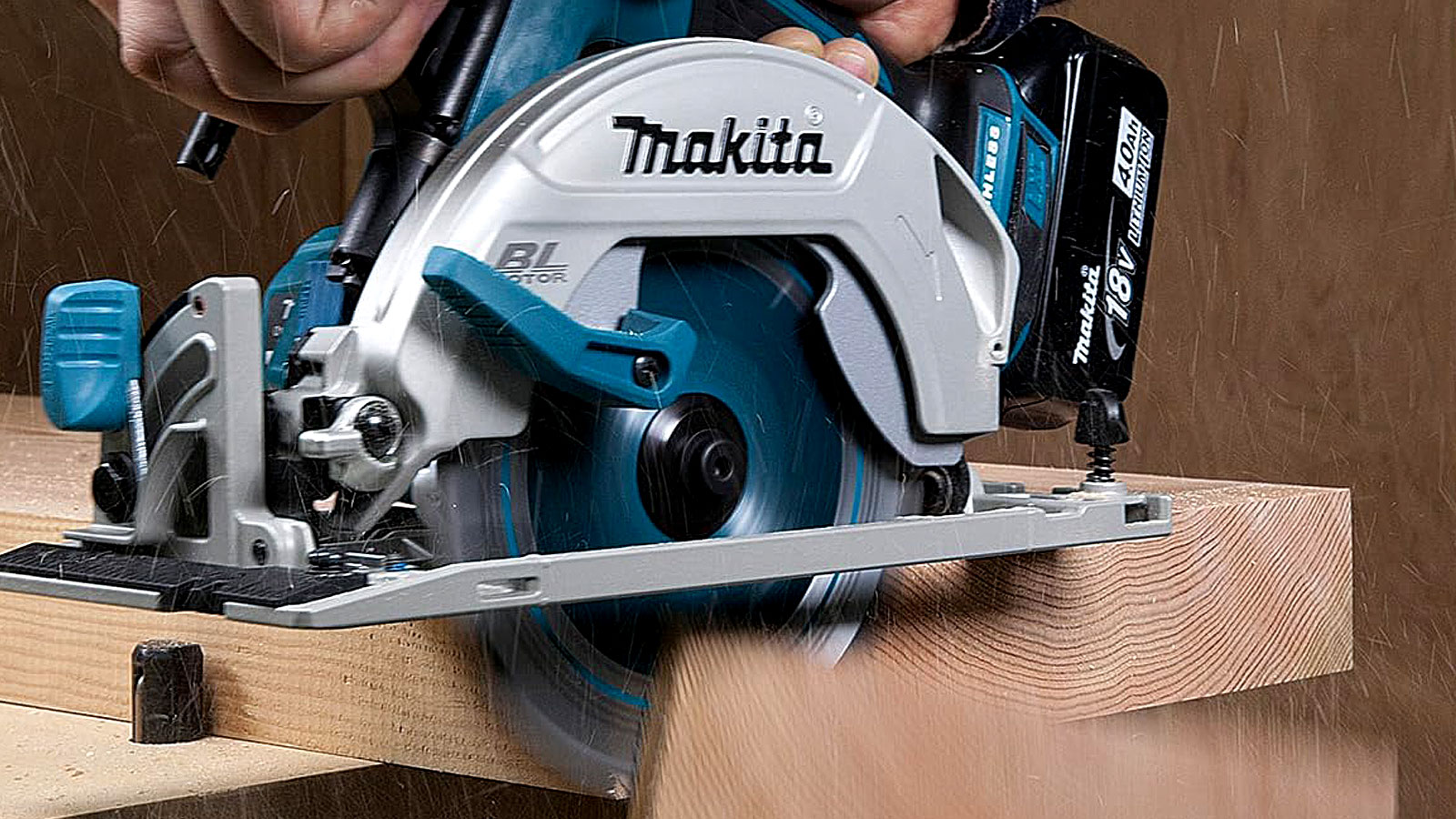
- Battery voltage shows power in cordless saws; higher volts cut thicker wood
- Brushless motors last longer and need less maintenance
Ergonomics And Weight
How a saw feels in your hand matters for control and safety. Ergonomics help reduce fatigue during long use.
Lighter saws are easier to handle but may have less power. Heavier saws offer stability but can tire your arms.
- Look for comfortable grips with soft materials
- Balance the saw’s weight for smooth cutting
- Check if the saw has adjustable handles for different positions

Credit: www.youtube.com
Preparing For Accurate Cuts
Using a circular saw for precise cuts requires careful preparation. Accurate cuts depend on how well you measure, set, and secure your workpiece.
Before you start cutting, follow these key steps to ensure your work is clean and exact.
Marking And Measuring Techniques
Marking the cut line clearly helps guide your saw. Use a sharp pencil or a marking knife for thin, precise lines. Measure twice to avoid mistakes.
- Use a tape measure for long cuts.
- Try a combination square for straight lines.
- Double-check all measurements before marking.
- Mark both sides of the cut if possible.
Setting The Cutting Depth
Adjust the saw blade to the right depth to avoid cutting too deep or shallow. The blade should extend just past the thickness of the material.
| Material Thickness | Recommended Blade Depth |
| 1/2 inch (12 mm) | 3/4 inch (19 mm) |
| 3/4 inch (19 mm) | 1 inch (25 mm) |
| 1 inch (25 mm) | 1 1/4 inch (32 mm) |
Securing The Workpiece
Keep the material steady to avoid shifts during cutting. A stable workpiece ensures a clean, straight line.
- Use clamps to hold the workpiece on a solid surface.
- Check that clamps do not block the saw path.
- Place scrap wood under the material to protect the work surface.
Essential Safety Tips
Using a circular saw can help you make precise cuts quickly. Safety is very important when using this tool.
Follow these safety tips to protect yourself and get the best results.
Personal Protective Equipment
Wear the right safety gear every time you use a circular saw. This protects you from injuries.
Always use eye protection, ear protection, and gloves to stay safe.
- Safety glasses or goggles to protect your eyes
- Earplugs or earmuffs to reduce noise
- Cut-resistant gloves for hand protection
- Dust mask to avoid inhaling sawdust
Safe Handling Practices
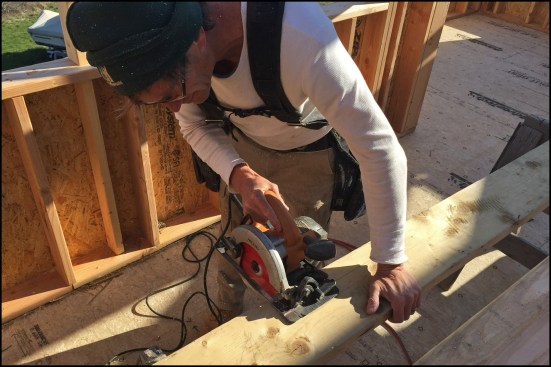
Hold the circular saw firmly and keep both hands on the tool. This keeps you in control while cutting.
Make sure the workpiece is stable before you start. Never cut freehand without support.
- Check the blade is sharp and properly installed
- Keep the power cord away from the blade
- Stand to the side of the cutting line, not behind it
- Let the saw reach full speed before cutting
- Keep fingers away from the blade path
Avoiding Common Mistakes
Do not force the saw through the material. Let the blade cut at its own speed.
Always unplug the saw before changing blades or making adjustments.
- Never remove safety guards or disable safety features
- Do not wear loose clothing that can get caught
- Keep your work area clean and free of clutter
- Check for nails or screws in the wood before cutting
- Use clamps to hold small pieces steady
Credit: www.jlconline.com
Step-by-step Cutting Process
Using a circular saw for precision cuts needs careful steps. Follow each part to get clean and accurate cuts.
This guide will help you align the saw, keep a steady guide, and control speed and pressure.
Aligning The Saw Blade
Start by checking the blade alignment with your cutting line. Make sure the blade is straight and not tilted.
Use the saw’s guide marks or a ruler to line up the blade exactly where you want to cut.
- Mark the cutting line clearly on the wood.
- Set the saw base flat on the surface.
- Align the blade edge with the marked line.
- Double-check the alignment before turning on the saw.
Maintaining A Steady Guide
Hold the saw firmly to keep it steady as you cut. A steady guide helps the blade stay on track.
Use both hands and move the saw smoothly along the cutting line without jerking or twisting.
- Grip the saw handle tightly with your dominant hand.
- Use your other hand to hold the front handle or guide.
- Keep your body balanced and move with the saw.
- Follow the marked line slowly and steadily.
Controlling Speed And Pressure
Control the saw speed and pressure for a clean cut. Too fast or hard can cause rough edges.
Let the blade do the cutting. Push the saw forward gently and keep the speed consistent.
- Start the saw before touching the wood.
- Push forward slowly, not forcing the blade.
- Keep the motor running at a steady speed.
- Ease off pressure if the saw struggles or stalls.
Using Guides And Accessories
Using a circular saw for precise cuts needs careful setup. Guides and accessories help make straight, clean cuts.
These tools keep the saw steady and guide the blade along the right path. They reduce mistakes and save time.
Rip Fences And Straightedges
Rip fences attach to your circular saw or work surface. They help you cut long, straight lines parallel to the edge.
Straightedges are rigid, straight strips of wood or metal. You clamp them to your workpiece to guide the saw for clean cuts.
- Choose a rip fence that fits your saw model
- Use a straightedge longer than your cut
- Clamp straightedges firmly to avoid movement
Clamps And Work Supports
Clamps hold the wood and guides in place. This stops the material from shifting during the cut.
Work supports like sawhorses or benches raise your workpiece. They give you better control and safer cutting angles.
- Use clamps to secure guides and wood
- Check clamps tightness before cutting
- Place supports to keep the wood level and steady
Laser Guides And Attachments
Laser guides project a light line on your cutting path. This helps you follow the line accurately without guessing.
Attachments for your circular saw can include dust blowers or depth stops. These add precision and cleaner results.
- Check laser alignment before each cut
- Use laser guides in well-lit areas for best visibility
- Consider attachments that fit your saw model
Credit: www.homebuilding.co.uk
Common Cutting Challenges
Using a circular saw can be tricky for precise cuts. Small mistakes cause uneven edges or damage.
Understanding common problems helps improve your cutting skills and get better results.
Preventing Blade Drift
Blade drift happens when the saw blade moves away from the cutting line. It creates inaccurate cuts and wastes material.
To stop blade drift, keep the saw steady and use guides like clamps or straight edges.
- Check the blade is sharp and clean.
- Adjust the saw base to keep it firm on the material.
- Hold the saw handle tightly and cut slowly.
- Use a straight edge or clamp a guide to the wood.
- Keep the blade aligned with the cutting line.
Reducing Tear-out
Tear-out is when wood fibers splinter along the cut edge. It makes the cut look rough and less clean.
| Tip | Effect |
| Use a sharp blade | Less splintering on cut edges |
| Cut with the good side down | Protects visible surface |
| Score the cut line with a knife | Prevents fibers from tearing |
| Use painter’s tape over cut line | Holds fibers in place |
| Cut slowly and steadily | Reduces rough edges |
Handling Curved And Irregular Cuts
Curved and irregular cuts need careful control and special tools. Circular saws are not made for sharp turns.
Tips for curved cuts:
- Mark the curve clearly on the wood.
- Make shallow cuts along the line first.
- Use a jigsaw or coping saw to finish curves.
- Keep the saw blade cool to avoid binding.
Maintenance For Precision
Keeping your circular saw in top shape ensures every cut is accurate. Regular care helps the blade stay sharp and the tool work smoothly.
Proper maintenance reduces errors and makes your work safer. Focus on blade care, cleaning, and alignment checks.
Blade Sharpening And Replacement
A sharp blade cuts cleanly and reduces effort. Dull blades cause rough cuts and can be dangerous.
- Inspect the blade before each use for dullness or damage.
- Sharpen the blade if you notice rough edges or burning marks on wood.
- Replace the blade if it has missing teeth or cracks.
- Use the correct blade type for your material for best results.
Cleaning And Lubrication
Clean sawdust and debris from the saw regularly. Dust buildup can affect cutting precision.
| Part | Cleaning Method | Lubrication |
| Blade | Brush off sawdust, wipe with cloth | Not required |
| Blade Guard | Remove dust and check movement | Light oil on hinges |
| Base Plate | Wipe clean, remove sticky residue | Apply dry lubricant |
| Motor Housing | Use compressed air to clear vents | Not required |
Calibration And Alignment Checks
Check the saw’s alignment to keep cuts accurate. Misalignment causes uneven or angled cuts.
- Unplug the saw before adjustments.
- Use a square tool to check the blade’s angle to the base plate.
- Adjust the bevel and depth settings as needed.
- Tighten all screws and knobs after adjustments.
- Test cut on scrap wood to confirm accuracy.
Frequently Asked Questions
How Do I Achieve Precise Cuts With A Circular Saw?
Use a sharp blade designed for fine cuts. Secure your material firmly. Guide the saw slowly along a straight edge or guide rail. Maintain a steady pace to avoid splintering and ensure accuracy.
What Safety Tips Ensure Precision With Circular Saws?
Always wear safety glasses and hearing protection. Keep hands clear of the blade path. Use clamps to secure your workpiece. Check blade alignment before cutting for accurate results.
Which Blade Type Is Best For Precision Cutting?
A fine-toothed carbide blade works best for precise cuts. It reduces splintering and produces smooth edges. Choose a blade size that matches your saw and project needs.
How Can I Prevent Wood Splintering During Cuts?
Use painter’s tape along the cut line to reduce splintering. Cut with the good side down to keep visible edges clean. Slow, steady cutting speed also minimizes tear-out.
Conclusion
Mastering precision cuts with a circular saw takes practice. Safety first. Always use protective gear and maintain a steady hand. Choose the right blade for the material. This ensures clean, accurate cuts. Keep your workspace organized and clutter-free. This reduces accidents and improves focus.
Regularly check and maintain your saw. Sharp blades and a well-oiled machine perform best. Precision comes with patience and practice. Each cut builds your skill. Remember, confidence grows with experience. Happy cutting, and enjoy your projects!