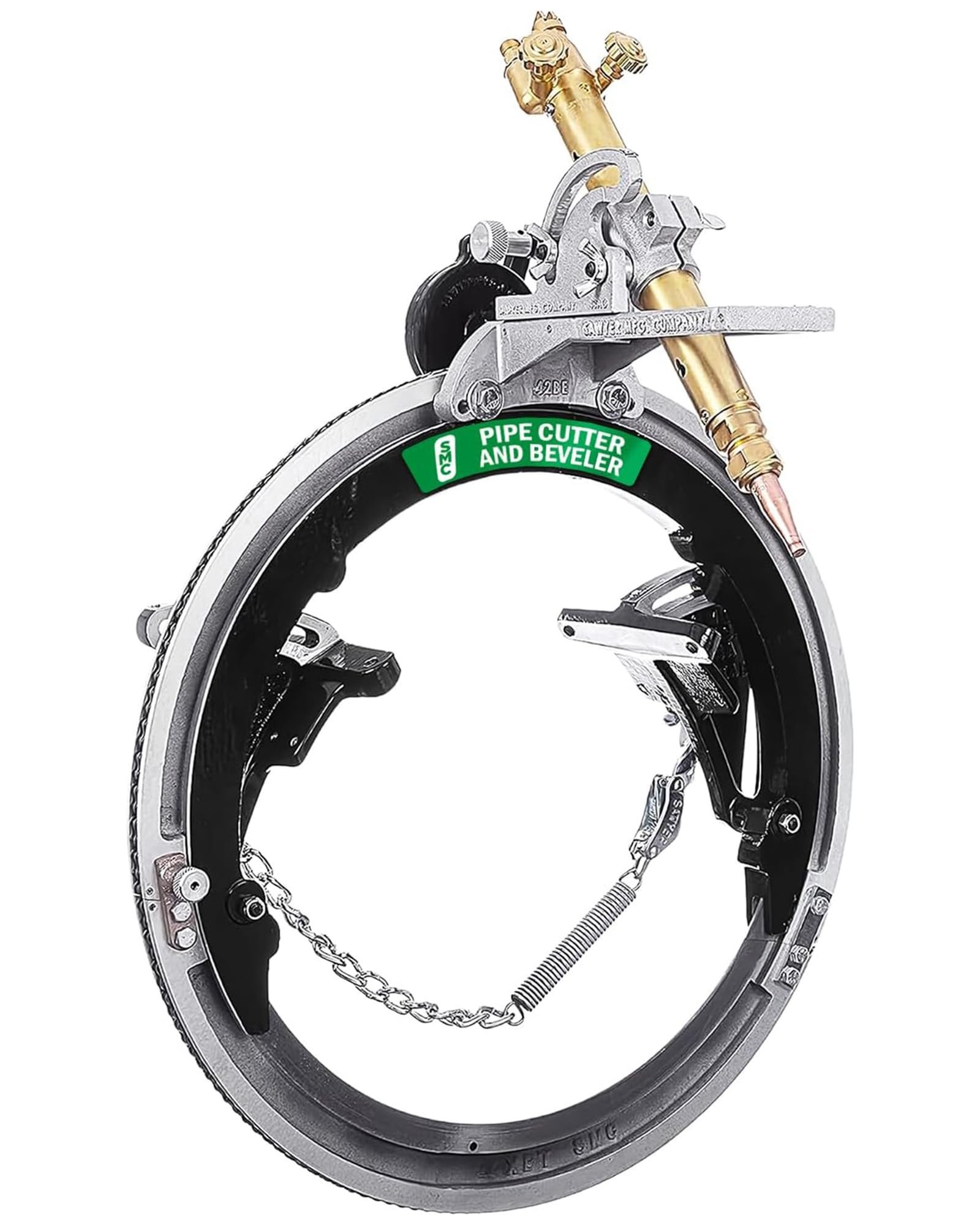
Are you tired of struggling with uneven, jagged cuts when working with conduits? Imagine the frustration of trying to fit pieces together, only to find that they’re not quite right.
What if there was a way to make your tasks easier and achieve perfect results every time? Enter the conduit cutter, a tool that can transform your cutting experience. With its precision and ease of use, you can save time and ensure accuracy in your projects.
Curious about how this simple tool can make such a big difference? Read on to discover the secrets of using a conduit cutter for precise cuts that will leave you satisfied and your projects flawless.
Choosing The Right Conduit Cutter
Using the right conduit cutter is key for precise cuts. It makes your work easier and safer.
Different cutters suit different types of conduit and jobs. Learn what to consider before picking one.
Types Of Conduit Cutters
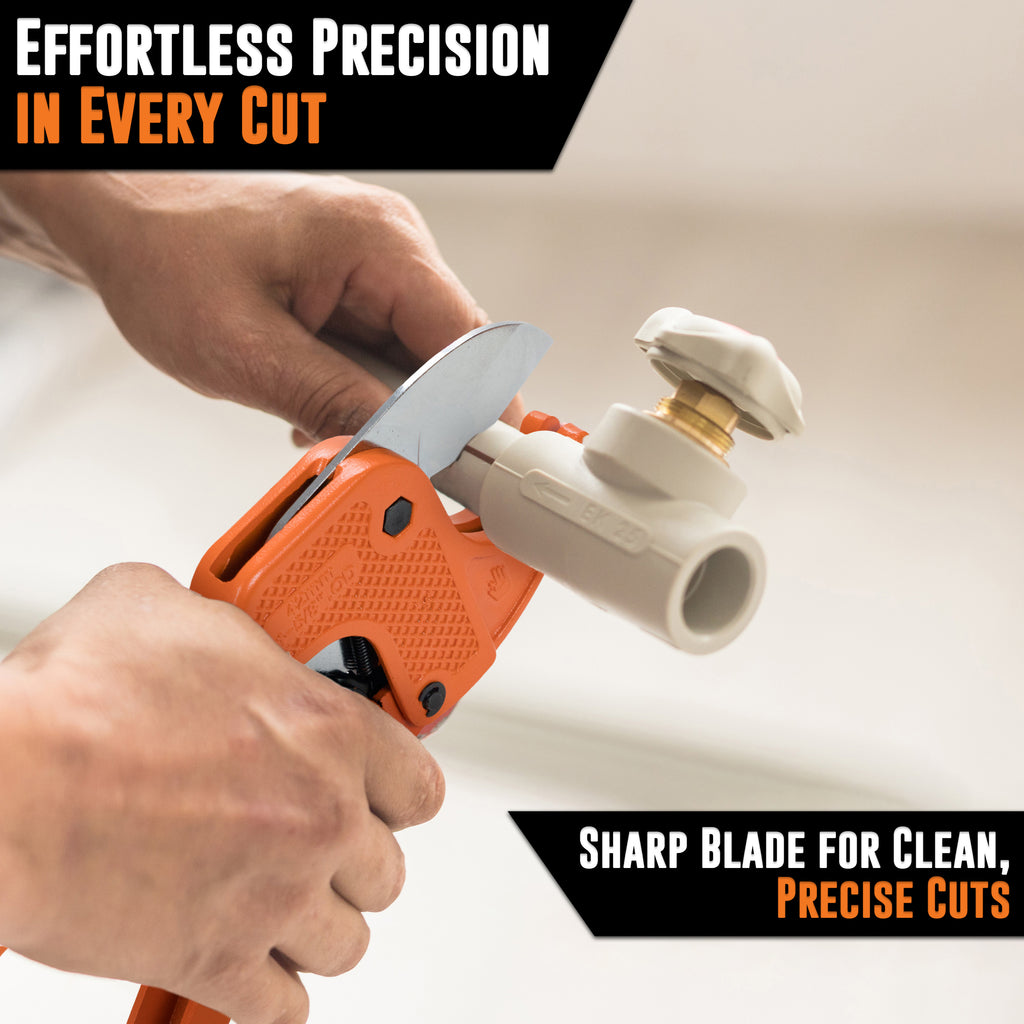
Conduit cutters come in several designs. Each type fits certain tasks and conduit sizes.
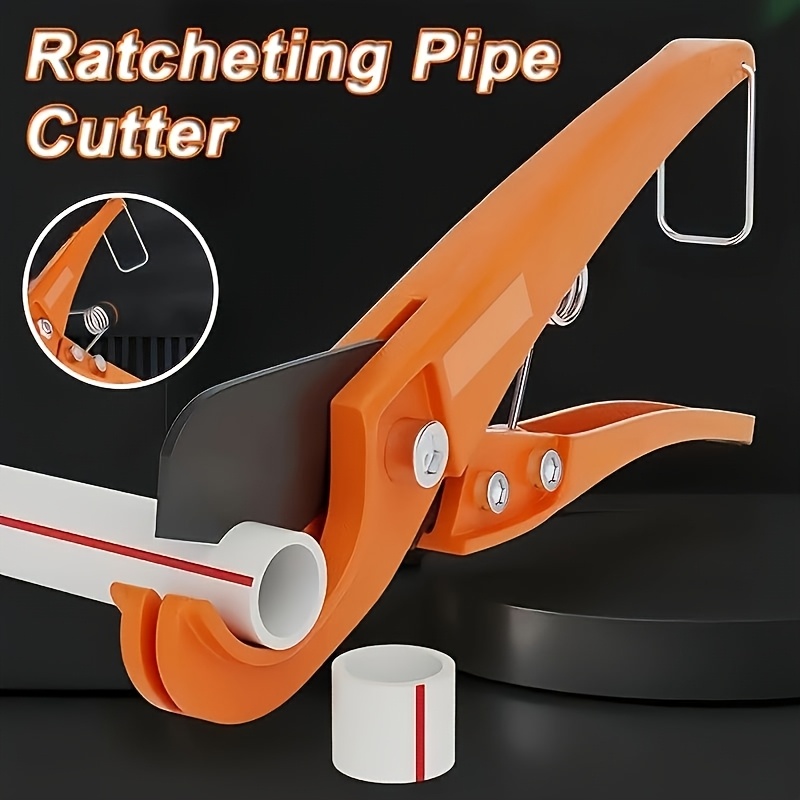
- Ratchet Cutters: Use a ratcheting handle for smooth cutting with less effort.
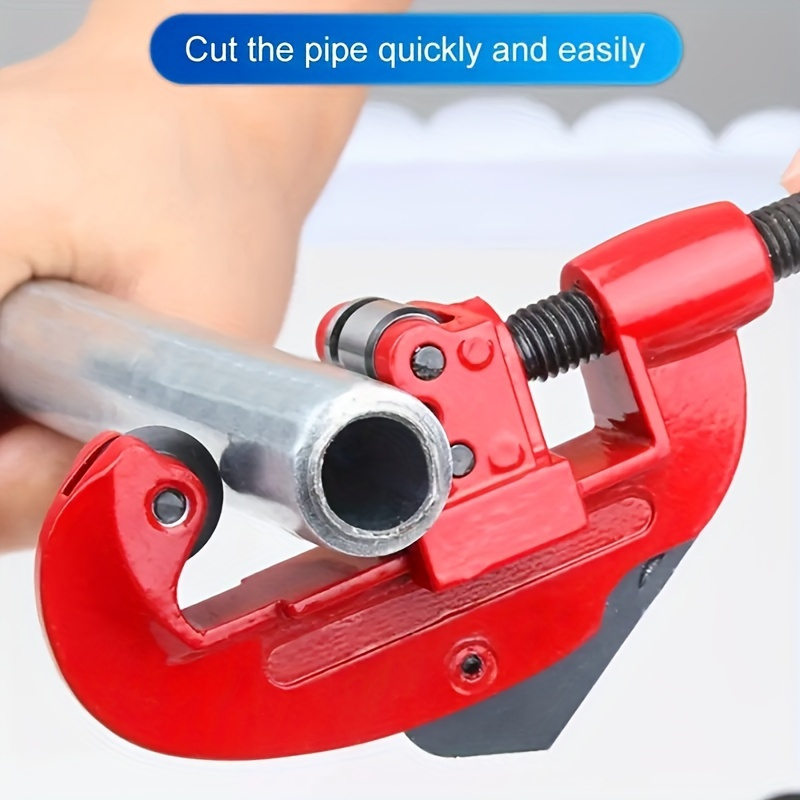
- Rotary Cutters: Rotate around the conduit for clean, straight cuts.
- Hacksaw: A manual saw useful for various materials but needs more skill.
- Pipe Cutters: Designed for metal conduits, they score and snap the pipe.
Materials Compatibility
Choose a cutter that matches the conduit material. Different metals and plastics need specific blades.
| Conduit Material | Recommended Cutter Type |
| PVC | Rotary Cutter or Ratchet Cutter |
| EMT (Steel) | Pipe Cutter or Ratchet Cutter |
| Flexible Metal | Hacksaw or Ratchet Cutter |
| RMC (Rigid Metal) | Pipe Cutter or Hacksaw |
Blade Quality And Maintenance
High-quality blades cut better and last longer. Keep blades sharp and clean for best results.
- Check blades regularly for dullness or damage.
- Clean blades after each use to remove debris and rust.
- Replace blades when cutting becomes difficult or uneven.
- Store cutters in dry places to avoid corrosion.
Credit: www.mutttools.com
Preparing For The Cut
Using a conduit cutter needs careful preparation. This helps make clean and precise cuts every time.
Before cutting, follow important steps to ensure safety and accuracy. This guide covers measuring, securing, and safety tips.
Measuring And Marking
Measure the conduit length carefully with a tape measure. Mark the spot clearly using a permanent marker or pencil.
- Hold the tape measure straight along the conduit
- Mark the exact point where the cut is needed
- Double-check measurements before marking
- Use a fine tip marker for clear, thin lines
Securing The Conduit
Keep the conduit steady to avoid slipping. Use a clamp or vise to hold it firmly during the cut.
| Tool | Purpose |
| Clamp | Holds conduit tightly on workbench |
| Vise | Secures conduit for hands-free cutting |
| Gloves | Protect hands while holding conduit |
Safety Precautions
Safety is very important when cutting conduit. Wear protective gear and work in a safe area.
- Wear safety goggles to protect your eyes
- Use gloves to protect your hands from sharp edges
- Make sure the workspace is clean and free of clutter
- Keep fingers away from the cutting blade
- Do not rush the cutting process
Cutting Techniques
Using a conduit cutter properly helps make clean, precise cuts. Good technique makes your work easier and safer.
Focus on hand position, pressure, and avoiding mistakes. These tips will improve your cutting accuracy.
Proper Hand Positioning
Hold the conduit cutter firmly with your dominant hand. Place your other hand to steady the conduit pipe. Keep your fingers clear of the cutting blade.
- Grip the cutter handle near the pivot for control
- Use your free hand to hold the pipe steady
- Position your hands to avoid slipping
- Keep wrists straight to reduce strain
Applying Consistent Pressure
Turn the cutter smoothly around the pipe. Apply even pressure while rotating to avoid uneven cuts. Do not press too hard to prevent crushing the conduit.
| Pressure Level | Effect |
| Too Light | Cut may be incomplete or jagged |
| Even Pressure | Clean, straight cut |
| Too Hard | Pipe may deform or cutter may slip |
Avoiding Common Mistakes
Many cuts fail due to rushing or poor setup. Avoid these common errors to improve results.
- Do not start cutting at an angle; begin square to the pipe
- Clean the cutter blade before use to prevent slipping
- Check pipe alignment before cutting
- Rotate the cutter fully around the pipe, not just partially
Finishing The Cut
After cutting conduit with a conduit cutter, the job is not done yet. Finishing the cut properly ensures safety and a good fit.
Take time to clean and inspect the cut edges. Also, keep the cutter in good shape for future use.
Deburring And Smoothing Edges
Cut edges can be sharp and rough. Removing burrs prevents injuries and helps the conduit fit better.
- Use a deburring tool or a file to smooth the inside and outside edges.
- Work slowly to avoid removing too much material.
- Check the edges by running your finger carefully along the cut.
- Repeat smoothing if you still feel rough spots.
Inspecting The Cut Quality
Good cuts are straight and clean. Inspect the conduit to make sure the cut is even and complete.
| Aspect | What to Check |
| Cut Edge | Smooth and free of burrs |
| Cut Angle | Perpendicular to the conduit length |
| Conduit Fit | Fits properly with connectors or fittings |
| Length | Matches the needed measurement |
Maintaining The Cutter
Keep your conduit cutter sharp and clean. Good maintenance helps you make precise cuts every time.
- Wipe the cutter blade after each use to remove debris.
- Apply light oil to the blade to prevent rust.
- Check the blade for dullness and replace if needed.
- Store the cutter in a dry place.
Troubleshooting Common Issues
Using a conduit cutter is an easy way to get precise cuts on pipes. Still, problems can happen that slow you down or affect your work. Knowing how to fix common issues helps you keep things running smoothly.
This guide covers how to handle stuck blades, fix uneven cuts, and extend your tool’s lifespan. Follow these tips to improve your cutting experience.
Handling Stuck Blades
Blades can get stuck from rust, dirt, or too much pressure. This makes it hard to turn the cutter and can damage the blade or pipe.
- Apply light oil to the blade and let it sit for a few minutes.
- Turn the cutter back and forth gently to free the blade.
- Clean the blade and cutter parts regularly to prevent buildup.
- Do not force the cutter if it is stuck; this can cause damage.
Dealing With Uneven Cuts
Uneven cuts often happen because of poor tool alignment or too much pressure. This can ruin the pipe and waste materials.
| Cause | Solution |
| Misaligned blade | Check and adjust the blade position before cutting |
| Uneven pressure | Apply steady and even pressure while turning the cutter |
| Dull blade | Sharpen or replace the blade regularly |
Extending Tool Lifespan
Keeping your conduit cutter in good shape saves money and time. Simple care steps make your tool last longer and work better.
- Clean the cutter after each use to remove debris.
- Lubricate moving parts regularly with light oil.
- Store the tool in a dry place to avoid rust.
- Check blades often and replace when worn out.
- Tighten all screws and bolts before use.
Credit: www.temu.com
Credit: www.temu.com
Frequently Asked Questions
What Is A Conduit Cutter Used For?
A conduit cutter is a tool designed to make clean, precise cuts on electrical conduit pipes. It ensures smooth edges and accurate lengths, which are essential for safe and professional electrical installations.
How Do I Use A Conduit Cutter Safely?
To use a conduit cutter safely, secure the conduit firmly. Rotate the cutter around the pipe evenly. Wear gloves and eye protection to prevent injuries from sharp edges and metal shavings.
Can A Conduit Cutter Cut Different Pipe Materials?
Yes, most conduit cutters can cut materials like PVC, EMT, and thin metal pipes. However, always check the cutter’s specifications to confirm compatibility with your pipe type for the best results.
Why Choose A Conduit Cutter Over A Hacksaw?
A conduit cutter provides cleaner, faster cuts with less effort than a hacksaw. It reduces burrs and uneven edges, saving time on finishing and improving the quality of electrical work.
Conclusion
Using a conduit cutter helps you make clean and accurate cuts. It saves time and reduces mistakes on the job. The tool is easy to handle, even for beginners. Clean cuts mean better connections and safer wiring. Practice a few times to get comfortable with the cutter.
Taking small steps ensures you avoid damage to the conduit. Precise cuts improve the overall quality of your work. Keep your cutter sharp and well-maintained for best results. Simple tools can make a big difference in your projects.
