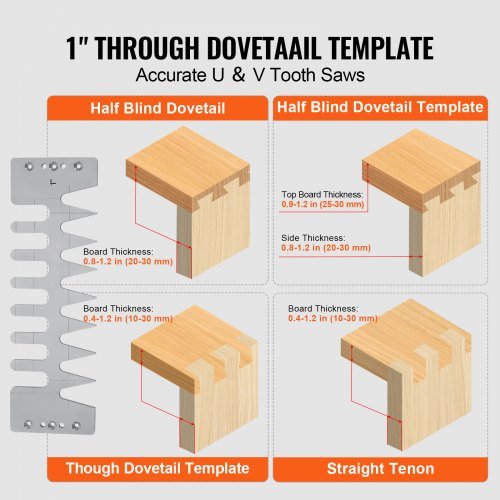
If you want to take your woodworking to the next level, using a dovetail jig is a game changer. Imagine making perfect, tight-fitting joints every time without the frustration of guesswork.
With the right jig, you can create precise cuts that not only look professional but also make your projects stronger and more durable. Whether you’re building drawers, boxes, or cabinets, mastering this tool will save you time and boost your confidence.
Keep reading, and you’ll discover how to get flawless results with your dovetail jig—no matter your skill level.
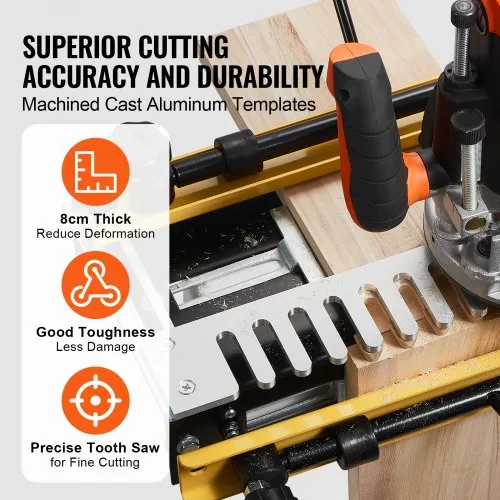
Credit: www.vevor.ca
Choosing The Right Dovetail Jig
A dovetail jig helps you make precise cuts for woodworking projects. Picking the right jig is important for good results.
Many types of dovetail jigs are available. Knowing the differences can save time and improve your work.
Types Of Dovetail Jigs
Dovetail jigs come in several types. Each type offers different ways to cut the wood.
- Manual Jigs: Simple and affordable, use hand tools or routers.
- Stationary Jigs: Fixed in place, great for repeatable cuts.
- Adjustable Jigs: Can change sizes and angles for different joints.
- Template-Based Jigs: Use templates to guide the router for accuracy.
Materials And Build Quality
The material of the jig affects its durability and precision. Look for strong materials that last long.
Metal jigs are sturdy and resist wear. Plastic jigs are lighter but may wear faster. Wood jigs can be accurate but need care.
- Steel or Aluminum: Durable and stable for precise cuts.
- High-Quality Plastic: Lightweight but less durable.
- Wood: Good for custom setups but less durable.
Features To Look For
Certain features make a dovetail jig easier to use and more precise. Check for these before buying.
- Adjustable Guides: Let you change joint size and fit.
- Clear Markings: Help with accurate measurements.
- Strong Clamps: Keep wood steady during cutting.
- Compatibility: Fits common routers and bits.
- Ease of Setup: Saves time and reduces mistakes.

Credit: www.vevor.ca
Setting Up Your Jig
Using a dovetail jig helps you make precise cuts for woodworking projects. Setting it up right is key for accurate results.
This guide covers how to prepare wood, adjust the jig, and secure your pieces for the best fit.
Preparing The Wood Pieces
Start by selecting wood pieces that are straight and free of knots. Cut them to the right size before using the jig.
- Ensure edges are smooth and square
- Measure thickness to match jig settings
- Label each piece to avoid confusion
Adjusting Jig Components
Adjust the jig parts to match the size and type of joint you need. This step controls the accuracy of your cuts.
| Component | Adjustment Purpose |
| Template | Guides the router for cut shape |
| Fence | Holds wood at correct angle |
| Clamps | Secures jig and wood during cutting |
Securing The Workpieces
Lock your wood pieces firmly in place. This prevents movement and ensures clean cuts.
Follow these tips for securing workpieces:
- Use the jig’s built-in clamps tightly
- Check for any gaps between wood and jig fence
- Double-check that pieces do not wiggle before cutting
Selecting Router Bits And Settings
Using a dovetail jig requires careful choice of router bits and machine settings. Correct selections lead to clean and precise cuts. This guide helps you pick the right tools for your project.
Proper settings ensure smooth cuts without damaging your wood or tools. Safety is also key when working with routers and jigs.
Choosing The Correct Bit Size
Select the router bit size that matches your dovetail jig’s specifications. The bit diameter affects the fit and strength of your joints. Using the wrong size can cause gaps or tight fits.
- Check your jig manual for recommended bit sizes.
- Common bit sizes are 1/4 inch and 1/2 inch diameter.
- Smaller bits make finer joints but take longer to cut.
- Larger bits cut faster but need more power and control.
- Use carbide-tipped bits for longer life and cleaner cuts.
Router Speed And Depth Settings
Adjust your router speed and cutting depth based on the bit size and wood type. Too fast or too deep cuts cause burns or tear-out. Slow and steady produces the best results.
| Bit Size | Recommended Speed (RPM) | Cutting Depth |
| 1/4 inch | 28,000 – 30,000 | 1/8 inch per pass |
| 1/2 inch | 20,000 – 24,000 | 1/4 inch per pass |
Safety Precautions
Always use safety gear and follow safe operating procedures. Working with routers and jigs can be dangerous without care.
- Wear safety glasses and hearing protection.
- Keep your hands clear of the router bit.
- Secure your workpiece firmly in the jig.
- Disconnect power before changing bits or making adjustments.
- Check your router and jig for damage before use.
- Work in a clean, well-lit area free of distractions.
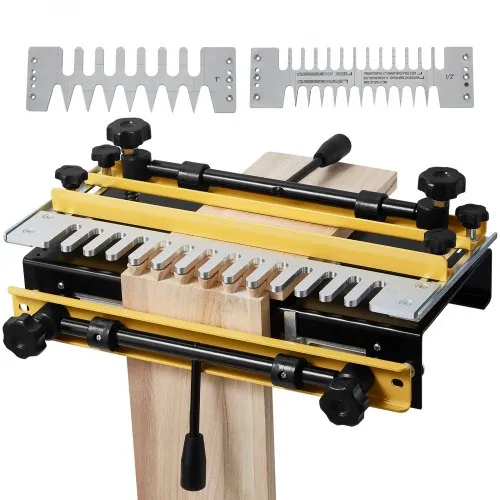
Credit: www.vevor.ca
Step-by-step Cutting Process
Using a dovetail jig helps you make precise cuts for strong wood joints. This guide explains the key steps to follow. Each step ensures that your cuts fit perfectly.
The process includes marking and aligning, routing the tails, and routing the pins. Careful work at each stage improves the final joint strength and appearance.
Marking And Aligning Cuts
Start by marking the wood pieces to match the jig template. Align the pieces carefully to the jig’s guides. Proper marking and alignment prevent mistakes and ensure clean cuts.
- Place the wood piece firmly against the jig fence.
- Use a pencil to mark the cut lines following the template edges.
- Double-check the marks on both the tails and pins pieces.
- Clamp the pieces securely to avoid movement during cutting.
Routing The Tails
Routing the tails is the first cutting step. Set the router bit to the right depth before starting. Take slow, steady passes for clean edges.
| Tip | Detail |
| Router Speed | Use medium speed for smooth cuts |
| Bit Type | Use a dovetail bit matching your jig |
| Pass Depth | Make shallow passes to avoid tear-out |
| Safety | Wear eye protection and follow router guidelines |
Routing The Pins
After routing the tails, route the pins piece using the same setup. Align it carefully with the jig. Follow the same slow and steady approach for best results.
- Ensure the pins piece is clamped securely.
- Set router depth to match tails depth.
- Make multiple shallow passes if needed.
- Clean edges with a chisel if necessary.
Tips For Perfect Joinery
Using a dovetail jig helps create strong and neat joints. It guides your cuts for accuracy and repeatability.
To get the best results, focus on fit, avoid mistakes, and add strength to your joints.
Checking Fit And Making Adjustments
After cutting your dovetails, test the fit before gluing. The pieces should slide together smoothly with slight resistance.
- Dry-fit the joint to check alignment.
- Use a chisel to remove small high spots if the fit is tight.
- Sand edges lightly for easier assembly.
- Adjust the jig settings if cuts do not match well.
- Repeat test fits until the joint fits snugly without gaps.
Avoiding Common Mistakes
Common errors can weaken joints or cause poor fits. Watch for these issues to improve your work.
- Do not rush the setup; double-check measurements.
- Ensure the wood is firmly clamped in the jig.
- Use sharp router bits to avoid tear-out.
- Keep the router steady and move at a consistent speed.
- Clean the jig and bits from sawdust before cutting.
Enhancing Strength And Appearance
Strong and attractive dovetail joints come from careful finishing and assembly. Follow these tips.
| Technique | Benefit |
| Apply wood glue evenly inside tails and pins | Improves joint strength |
| Clamp firmly but avoid overtightening | Prevents misalignment and gaps |
| Remove glue squeeze-out promptly | Keeps joint clean and neat |
| Sand the joint surface after assembly | Enhances smoothness and appearance |
| Consider finishing with oil or varnish | Protects wood and shows grain |
Maintaining Your Dovetail Jig
Keeping your dovetail jig in good shape helps you get clean, precise cuts every time. Regular care prevents wear and keeps the tool working smoothly.
Simple maintenance tasks can extend your jig’s life and improve your woodworking results.
Cleaning And Lubrication
After each use, remove sawdust and wood chips from the jig. Use a soft brush or compressed air to clean hard-to-reach areas. Keep moving parts free of dirt and debris.
- Wipe metal surfaces with a dry cloth
- Apply a light machine oil to sliding parts
- Avoid over-lubrication to prevent attracting dust
- Check for rust and remove it with fine sandpaper
Storage Recommendations
Store your dovetail jig in a dry place to avoid rust and damage. Keep it in its case or wrap it in a cloth to protect it from dust and moisture. Avoid storing near heat sources or damp areas.
| Storage Tip | Reason |
| Dry environment | Prevents rust and corrosion |
| Protective cover | Keeps dust and dirt away |
| Flat surface | Prevents warping or bending |
| Away from heat | Maintains tool accuracy |
When To Replace Parts
Some parts of your dovetail jig wear out over time. Replace worn or damaged parts to keep cuts precise and safe. Check parts regularly for cracks, bends, or dull edges.
- Replace router bits if they become dull or chipped
- Change guide bushings if they show signs of wear
- Swap out clamps if they no longer hold firmly
- Check screws and tighten or replace if loose
Frequently Asked Questions
What Is A Dovetail Jig Used For?
A dovetail jig helps woodworkers create precise, strong joints. It guides the saw and router for perfect interlocking cuts. Using this tool improves accuracy and saves time, especially in drawer and box making.
How Do You Set Up A Dovetail Jig?
To set up, secure the jig to your workbench. Adjust the guides and clamps to fit your wood thickness. Insert the correct template and position the router bit as per instructions for accurate cuts.
Can Beginners Use A Dovetail Jig Easily?
Yes, dovetail jigs are beginner-friendly. They simplify complex cuts by guiding tools precisely. With basic practice and following instructions, novices can achieve professional-looking joints quickly and confidently.
What Types Of Wood Work Best With Dovetail Jigs?
Hardwoods like maple, oak, and cherry work best. These woods hold the joint securely and show off the dovetail design clearly. Softwoods can be used but may require careful handling to avoid tear-out.
Conclusion
A dovetail jig makes precise cuts simple and reliable. It enhances woodworking projects with clean, accurate joints. Beginners and seasoned woodworkers benefit from its use. Practice and patience lead to better results. Safety should always come first when using tools.
Choose the right jig for your project needs. With the right jig, you can achieve professional results. Dovetail jigs are a valuable addition to your toolkit. They bring precision and quality to your work. Explore and experiment with different techniques.
Enjoy the satisfaction of creating something beautiful and precise.