If you’ve ever struggled to make perfectly straight holes with a handheld drill, you’re not alone. Getting precise holes can be tricky, but using a drill press changes the game.
Imagine having the power to drill with exact control every time, saving you time and frustration. You’ll discover how a drill press can help you achieve flawless holes with ease. Keep reading, and you’ll learn simple tips to make your projects look professional and your work much smoother.

Credit: x.com
Choosing The Right Drill Press
A drill press helps you make precise holes in wood, metal, or plastic. Picking the right drill press is important for accuracy and ease of use.
Different drill presses have features that suit different tasks. Knowing what to look for will help you choose the best one for your work.
Types Of Drill Presses
There are several types of drill presses. Each type fits certain needs and workspaces.
- Bench Drill Press:Small, fits on a workbench, good for light jobs.
- Floor Drill Press:Larger and stands on the floor, used for heavy-duty tasks.
- Radial Drill Press:Has an arm that moves, good for drilling large objects.
Key Features To Look For
Look for features that improve accuracy and ease. These features help you get the best results.
- Adjustable Speed:Lets you match drill speed to the material.
- Depth Stop:Controls how deep the drill goes for consistent holes.
- Stable Base:Keeps the drill press steady during use.
- Tilting Table:Allows drilling at angles for more versatility.
- Laser Guide:Helps line up the drill bit precisely.
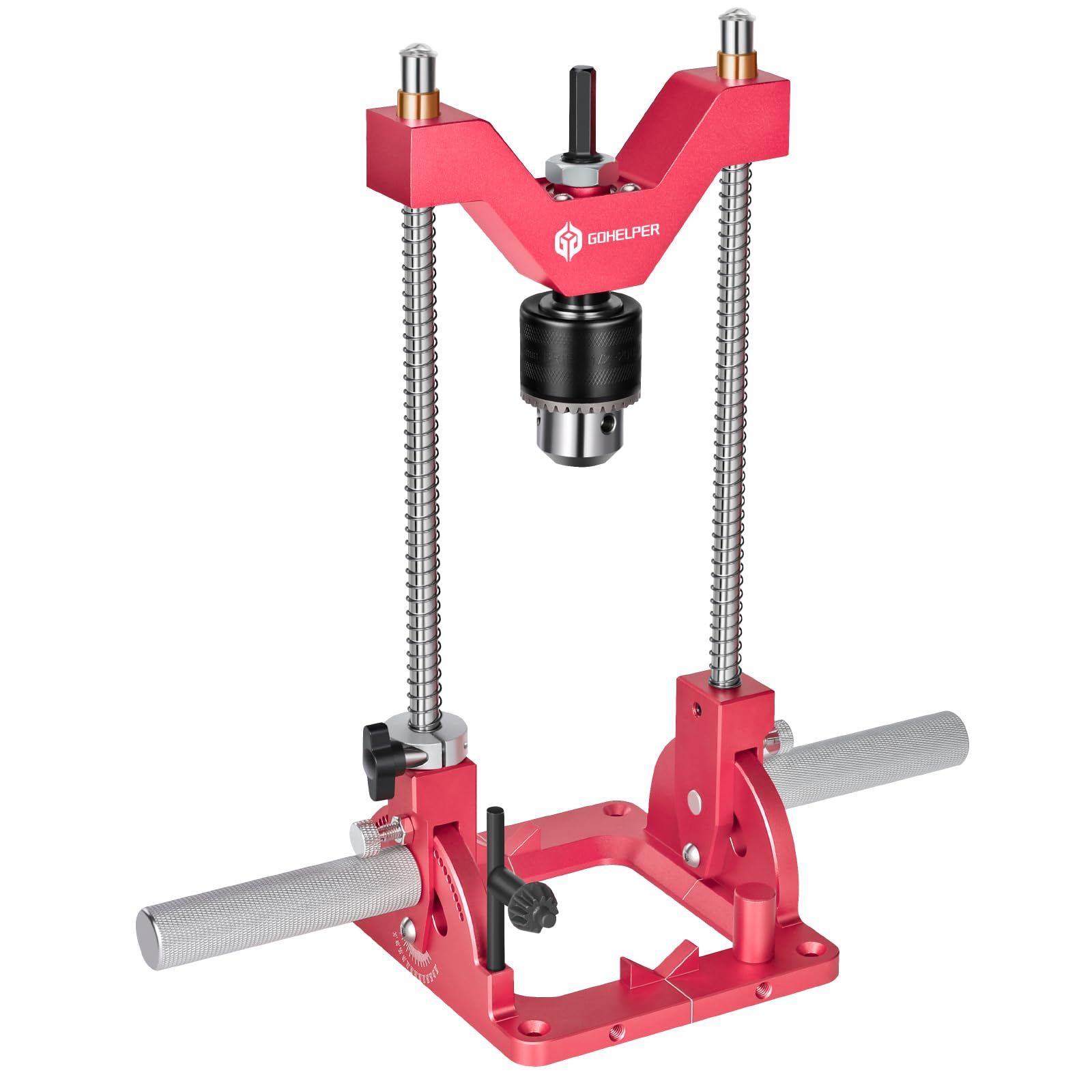
Selecting The Appropriate Chuck Size
The chuck holds the drill bit in place. Choosing the right size is key for your projects.
Smaller chucks hold small bits and are good for light work. Larger chucks fit bigger bits for heavy jobs.
- 1/4 inch chuck:For small bits and light drilling.
- 3/8 inch chuck:Most common size for general work.
- 1/2 inch chuck:For large bits and heavy materials.
Credit: www.amazon.ca
Setting Up For Precision
Using a drill press correctly helps you make precise holes every time. Setting it up well is key to accuracy.
This guide explains how to prepare your drill press for precise drilling by focusing on important setup steps.
Securing The Workpiece
Always hold your workpiece firmly before drilling. Loose pieces can move and cause mistakes or injuries.
Use clamps or a vise to keep the workpiece steady on the drill press table. This ensures exact hole placement.
- Check that clamps do not block the drill bit
- Make sure the workpiece is flat against the table
- Tighten clamps firmly but avoid crushing the material
Adjusting The Table And Fence
Set the drill press table height and angle to match your workpiece and drill bit size. This improves control.
Position the fence to guide the workpiece. A fence keeps the piece in line for straight and repeatable holes.
- Loosen the table lock to raise or lower the table
- Use the angle scale to tilt the table if needed
- Slide the fence close to the workpiece edge for guidance
Calibrating Depth Stops
Set the depth stop to control how deep the drill bit goes. This keeps holes consistent in depth.
Adjust the depth stop collar on the drill press shaft. Tighten it once you reach the desired depth.
- Lower the drill bit to the surface of the workpiece
- Move the stop collar down to the needed depth
- Secure the collar tightly to avoid slipping
Selecting Drill Bits
Choosing the right drill bit is important for making precise holes with a drill press. The drill bit must match the material and the hole size needed.
Using the correct bit helps avoid damage to the workpiece and keeps the hole clean and accurate.
Material-specific Bits
Different materials need different types of drill bits. Using the right bit makes drilling easier and safer.
For example, wood drill bits have a pointed tip to start the hole easily. Metal bits are usually made of high-speed steel to stay sharp longer.
- Wood: Spade bits or brad point bits
- Metal: High-speed steel (HSS) or cobalt bits
- Plastic: Standard twist bits, but drill slowly
- Masonry: Carbide-tipped bits for concrete or brick
Sharpness And Maintenance
Sharp drill bits make cleaner holes and reduce wear on the drill press. Dull bits can cause slipping and damage.
Keep bits sharp by using a sharpening tool or taking them to a professional. Clean bits after use to remove debris and rust.
- Inspect bits before each use
- Sharpen bits when edges look rounded
- Store bits in a dry place
- Clean bits with a brush or cloth after use
Using Pilot Holes
Pilot holes are small starter holes that guide the larger drill bit. They help keep the drill bit from wandering off center.
Drilling a pilot hole first improves precision and reduces stress on the drill bit and material.
- Choose a small drill bit for the pilot hole
- Drill the pilot hole at the exact spot
- Use the pilot hole to guide the larger bit
- Drill slowly to keep the hole clean and precise
Drilling Techniques For Accuracy
Using a drill press helps make precise holes in wood, metal, and other materials. Accuracy depends on the right techniques and careful handling.
Small changes in speed, feed, and cooling can affect hole size and quality. Follow these tips to get better results.
Speed And Feed Rates
Set the drill press speed based on the material you are drilling. Hard materials need slower speeds to avoid damage.
Feed the drill bit gently without forcing it. Too much pressure can cause the bit to wander or break.
- Use slow speed for hard metals like steel
- Use medium speed for softer metals and hardwood
- Use faster speed for soft wood and plastics
- Apply steady, light pressure when feeding the bit
Lubrication And Cooling
Lubricate the drill bit to reduce heat and wear. This helps keep the hole size accurate.
Use cutting oil or water-based coolant on metal parts. For wood, lubrication is usually not needed.
- Apply lubricant before drilling metal
- Use a drip or spray method for cooling
- Stop drilling occasionally to let the bit cool
- Keep the bit clean from debris to maintain sharpness
Avoiding Common Mistakes
Check the drill bit for damage before use. A dull bit can cause inaccurate holes.
Clamp the workpiece firmly to stop movement. Loose material leads to uneven holes and safety risks.
- Never force the drill bit into the material
- Use the correct bit size for your hole
- Keep the drill press table clean and level
- Wear safety glasses to protect your eyes
Maintaining Your Drill Press
Keeping your drill press in good condition ensures precise holes and longer tool life. Regular maintenance prevents problems and keeps the machine running smoothly.
Focus on cleaning, checking alignment, and replacing worn parts. These tasks help maintain accuracy and safety while using your drill press.
Regular Cleaning And Lubrication
Clean dust, metal shavings, and grease from your drill press after each use. Lubricate moving parts to reduce friction and wear. Proper cleaning and lubrication keep the machine working well.
- Remove debris from the table and base
- Wipe the spindle and chuck with a clean cloth
- Apply machine oil to the spindle and gears
- Lubricate the quill and feed handles
- Check belts for dust and clean if needed
Checking Alignment
Check the alignment often to ensure your drill press makes accurate holes. Misalignment causes uneven holes and may damage your workpiece or drill bit.
| Check Point | How to Check | Adjustment |
| Spindle to Table | Use a dial indicator or square | Adjust table tilt or spindle |
| Chuck Runout | Rotate chuck and watch for wobble | Tighten or replace chuck |
| Table Level | Use a spirit level | Adjust table bolts |
Replacing Worn Parts
Inspect parts like belts, bearings, and the chuck regularly. Replace worn or damaged parts to keep your drill press safe and accurate.
- Check belts for cracks or fraying
- Listen for unusual noises from bearings
- Replace the chuck if it cannot hold bits firmly
- Use manufacturer parts for replacements
- Follow safety instructions during part replacement
:max_bytes(150000):strip_icc()/JS_1864-2008bd548fb548db8f5729d54b71976b.jpg)
Credit: www.woodmagazine.com
Advanced Tips For Precision
Using a drill press helps create precise holes. Advanced tips improve your results. Small changes make big differences in accuracy.
We focus on jigs, digital readouts, and multi-hole patterns. These tools and techniques raise your work quality.
Using Jigs And Fixtures
Jigs and fixtures hold your work steady. They keep the drill bit in the right spot every time. This reduces mistakes and saves time.
Make or buy simple jigs for common jobs. Use clamps or magnets to secure the piece firmly. This keeps holes in exact places.
- Use a drill jig for repeat hole spacing
- Clamp fixtures prevent movement during drilling
- Custom fixtures fit unusual shapes
- Mark drill points on the jig for quick setup
Digital Readouts And Measuring Tools
Digital readouts show exact drill depth and position. They help you avoid guessing and improve hole depth control.
Use calipers and rulers to measure and mark your material. Measure twice, drill once to reduce errors. Check settings before each hole.
- Set depth stops on the drill press
- Use digital scales for X and Y positioning
- Check measurements with calipers before drilling
- Use a dial indicator for precise alignment
Multi-hole Patterns
Multi-hole patterns need careful layout and spacing. Plan your holes on paper or software before drilling.
Use a jig or fixture to keep spacing correct. Drill slowly and check alignment often. This prevents crooked or uneven holes.
- Mark all hole centers before starting
- Use a spacer block for equal distances
- Drill pilot holes for accuracy
- Work from the center outwards
Frequently Asked Questions
What Is A Drill Press Used For?
A drill press is used to create precise, consistent holes in various materials. It offers better control and accuracy than handheld drills.
How To Set Up A Drill Press For Accuracy?
Adjust the table height, lock the spindle, and use clamps. Align the bit with the marked spot to ensure precision.
What Materials Can Be Drilled With A Drill Press?
A drill press can handle wood, metal, plastic, and composites. Choose the correct drill bit for each material type.
How To Maintain A Drill Press For Longevity?
Regularly clean the machine, lubricate moving parts, and check for loose components. Proper maintenance ensures consistent performance and safety.
Conclusion
A drill press offers precise hole-making. It’s reliable and efficient. Easy to handle with practice. Safety is crucial, so wear protective gear. Practice makes perfect, enhancing your skills. Beginners find it user-friendly. Accurate holes are achievable with the right technique.
Regular maintenance extends its life. Essential for woodworking and metal projects. With patience, anyone can improve. A valuable tool for DIY enthusiasts. Start small, build confidence. Enjoy the precision and control it offers. A worthy addition to any workshop.