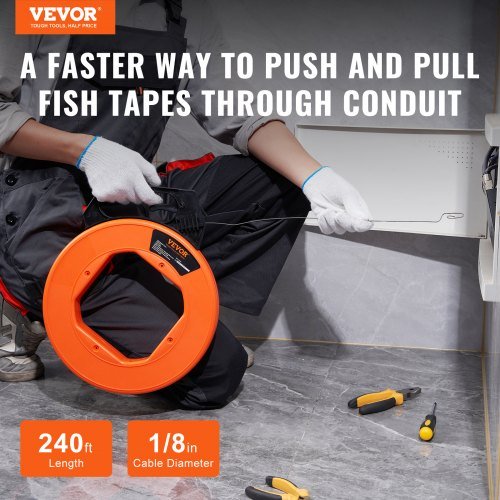
If you’ve ever struggled to pull wires through long, tight spaces, you know how frustrating it can be. Using a fish tape for long pulls can make this job much easier, saving you time and effort.
Imagine gliding your wire smoothly through walls, ceilings, or conduits without getting stuck or tangled. You’ll discover simple tips and tricks to master fish tape use, so your next wiring project feels less like a hassle and more like a breeze.
Keep reading to learn how to work smarter, not harder, with fish tape.

Credit: www.amazon.ca
Choosing The Right Fish Tape
Using a fish tape helps pull wires through walls and conduits. Picking the right tape makes long pulls easier and safer.
This guide covers key points about fish tapes. Learn about materials, length, durability, and flexibility.
Material Types And Benefits
Fish tapes come in several materials. Each type has its own strength and use case.
- Steel:Strong and stiff, good for long straight pulls. May rust over time.
- Fiberglass:Lightweight and flexible. Does not conduct electricity. Good for curved paths.
- Nylon-coated:Combines strength with smooth surface. Helps reduce wire damage.
- Plastic:Very flexible but less durable. Best for short, easy pulls.
Length Considerations
Choose a fish tape length that fits the job. Too short means you cannot reach the end. Too long adds extra weight and bulk.
| Length | Best Use |
| 25 to 50 feet | Small residential jobs and short conduit runs |
| 50 to 100 feet | Medium-length pulls in commercial or home projects |
| 100+ feet | Long pulls in large buildings or industrial settings |
Durability And Flexibility
Durability ensures the tape lasts through tough jobs. Flexibility helps it move through bends and corners.
- Durability:Look for rust-resistant coatings and strong construction.
- Flexibility:Choose tapes that bend easily without kinking or breaking.
- Balance:The best tapes balance strength and flexibility for smooth pulls.
Preparing For A Long Pull
Using a fish tape for long pulls needs careful preparation. This helps the wire move smoothly through tight spaces.
Before starting, check the path and clear any obstacles. Plan the route to avoid problems during the pull.
Inspecting The Wiring Path
Look closely at the wiring path before pulling the wire. Check for bends, sharp edges, or rough spots that could damage the wire or tape.
Use a flashlight to see inside dark spaces. Note any places where the tape might get stuck.
Clearing Obstacles
Remove anything that blocks the wiring path. This includes debris, old wire pieces, or loose insulation.
- Clear dust and dirt from the conduit
- Remove nails or screws inside the path
- Fix bent conduit sections if possible
- Make sure the path is free from sharp bends
Planning The Route
Plan the route carefully to reduce pulling effort. Know the length and turns the wire must pass through.
| Route Element | Consideration |
| Length | Measure total distance of the pull |
| Bends | Count and check angle of bends |
| Conduit Size | Ensure conduit diameter fits wire and tape |
| Access Points | Locate spots to feed or guide the tape |
Techniques For Smooth Fish Tape Use
Using a fish tape makes pulling wires through walls and conduits easier. Proper technique helps avoid damage and saves time.
Focus on feeding the tape well, managing its tension, and preventing snags for smooth pulls.
Feeding The Tape Efficiently
Push the fish tape steadily into the conduit or wall space. Avoid forcing it quickly, which can cause bends or kinks.
Use slow, smooth motions to guide the tape. Stop if you feel resistance and adjust your angle.
- Keep the tape straight to reduce friction
- Feed the tape in short bursts, not all at once
- Use gloves for a better grip and control
Managing Tension And Slack
Maintain steady tension on the tape to prevent it from bending inside walls. Too much slack can cause snags.
Pull the tape slowly and keep it taut but not tight. Release a little slack if the tape feels stuck.
- Hold the tape reel firmly while pulling
- Keep the tape aligned with the conduit path
- Adjust tension if you feel resistance or slack
Avoiding Common Snags
Snags happen when the tape catches on bends or rough edges inside the conduit. Watch for spots where the tape bends sharply.
If the tape gets stuck, try pulling back slightly and then pushing again at a different angle.
- Inspect conduit ends for sharp edges before feeding
- Use lubricant spray designed for wires if needed
- Keep tape clean to prevent catching on debris
- Do not force the tape if it feels stuck
Handling Difficult Wiring Situations
Using a fish tape can be challenging in tough wiring setups. Understanding how to manage tight spaces and obstacles helps make long pulls easier. This guide covers key tips for handling difficult wiring situations.
Knowing the right techniques improves safety and efficiency. It also reduces damage to cables and walls during installation.
Navigating Tight Corners
Tight corners slow down pulling cables with fish tape. You need to guide the tape carefully to avoid bending or kinking it. Small, slow movements work best.
- Use a flexible fish tape designed for curves.
- Push the tape gently around corners, not forcefully.
- Apply slight twists to help the tape follow the bend.
- Pull cable slowly to prevent snags or damage.
Working Around Obstructions
Obstructions like pipes or wires block the fish tape’s path. You need to find a clear route or carefully move the tape to avoid these barriers.
| Obstacle Type | Handling Tip |
| Metal Pipes | Use gentle pushing and avoid sharp angles. |
| Electrical Wires | Keep tape insulated and avoid contact. |
| Wall Studs | Find gaps or use a flexible guide tool. |
| Insulation | Push tape slowly to prevent bunching. |
Using Lubricants Safely
Lubricants help fish tape slide through ducts and walls. Use the right type and apply it carefully to protect cables and surfaces.
Follow these safety tips when using lubricants:
- Choose a lubricant made for electrical cables.
- Apply a small amount on the tape or cable.
- Avoid overusing to prevent mess and slipping hazards.
- Keep lubricant away from electrical connectors.
- Clean the tape after use to remove residue.
Safety Tips And Best Practices
Using a fish tape for long pulls helps guide wires through walls and conduits. It is important to follow safety rules to avoid injuries and damage.
These tips and best practices keep you safe and protect your tools and wires during work.
Preventing Damage To Wires
Be gentle when pulling wires with the fish tape. Pulling too hard can break or damage the wires inside the conduit.
Use lubricant to help wires slide smoothly. This lowers friction and prevents cuts or tears on wire insulation.
- Check the fish tape for sharp edges before use
- Do not force wires if they get stuck
- Use wire lubricant in long or tight runs
- Pull wires slowly and steadily
Protecting Yourself During Pulls
Wear gloves to protect your hands from cuts and blisters. Fish tape can be sharp and hard to hold for long times.
Keep your eyes safe by wearing safety glasses. The fish tape can snap back suddenly and cause injury.
- Wear gloves with good grip
- Use safety glasses to protect eyes
- Keep your fingers clear of the tape end
- Work in well-lit areas
Maintaining Your Fish Tape
Clean your fish tape after each use. Dirt and debris can cause it to stick or rust.
Store the tape in a dry place. Avoid bending it sharply or leaving it in wet areas to keep it working well.
- Wipe the tape clean with a dry cloth
- Apply light oil to prevent rust
- Store in its case or a dry box
- Check for damage before each use

Credit: www.amazon.ca
Advanced Tips For Professionals
Using fish tape for long pulls can be tricky. Professionals need precise techniques to make jobs easier.
This guide shares advanced tips that improve efficiency and reduce problems during long cable pulls.
Using Pulling Grips And Swivels
Pulling grips help secure wires to fish tape firmly. Swivels reduce twisting and cable damage during pulls.
Attach a swivel between the fish tape and pulling grip. This setup lets the cable spin freely as you pull.
- Choose grips that fit the cable size tightly
- Use swivels designed for electrical pulls
- Check connections before pulling to avoid slips
- Keep cable straight to reduce friction and damage
Combining Fish Tape With Other Tools
Fish tape works well with other tools like wire lubricants and conduit rods. This makes pulls smoother.
Use wire lubricant to reduce friction inside conduits. Conduit rods help guide fish tape through tight bends.
- Apply lubricant evenly on cables and fish tape
- Use conduit rods to push or pull fish tape in complex paths
- Combine tools to handle long or difficult pulls
Troubleshooting Common Issues
Long pulls can cause fish tape to bend, tangle, or get stuck. Knowing fixes saves time and effort.
If fish tape kinks, pull back and straighten it carefully. For stuck tape, try gently pushing or twisting while pulling.
- Keep fish tape tension steady to avoid bends
- Use a flashlight to check inside conduit for blockages
- Replace damaged fish tape to avoid cable damage
- Work slowly and avoid forcing the tape
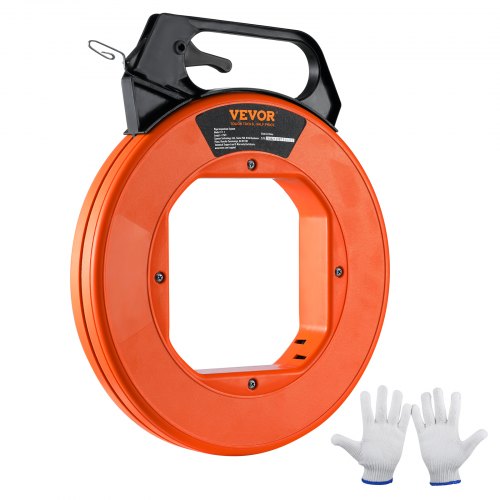
Credit: www.vevor.ca
Frequently Asked Questions
What Is A Fish Tape Used For In Wiring?
A fish tape is a tool used to pull wires through walls, conduits, or tight spaces. It helps electricians route cables easily without damaging walls or insulation.
How Do You Use Fish Tape For Long Pulls?
Insert the fish tape into the conduit or wall cavity. Attach the wire to the tape’s end, then carefully pull the tape back, guiding the wire through the path.
Can Fish Tape Damage Wires During Pulling?
Proper use of fish tape minimizes wire damage. Avoid excessive force and sharp bends to keep wires intact and prevent insulation tears.
What Materials Are Fish Tapes Made From?
Fish tapes are commonly made from steel, fiberglass, or nylon. Each material offers different flexibility and strength for various pulling tasks.
Conclusion
Using a fish tape makes long pulls easier and more efficient. It saves time and reduces effort during electrical work. This tool is essential for pulling wires through walls and conduits. Easy to use and affordable, fish tapes are a great addition to any toolkit.
Whether you’re a professional or a DIY enthusiast, mastering its use brings success. Practice helps improve skills with each use. So, next time you face a long pull, reach for a fish tape. It simplifies the task and ensures a smoother workflow.
Happy wiring!