Are you looking to add precise, intricate cuts to your woodworking projects? Using a jigsaw for detailed woodworking could be the game-changer you need.
This tool lets you transform simple wood pieces into stunning, custom shapes with ease. Imagine the satisfaction of creating smooth curves and sharp angles that bring your designs to life. You’ll discover practical tips and expert tricks to master your jigsaw and take your craftsmanship to the next level.
Keep reading, and unlock the full potential of your woodworking skills.
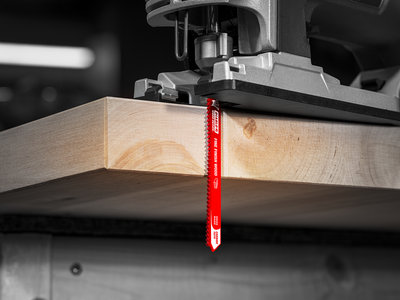
Credit: diablotools.com
Choosing The Right Jigsaw
A jigsaw is a handy tool for detailed woodworking. Picking the right one helps you make clean and precise cuts.
This guide covers types of jigsaws, blade choices, and power settings for fine work.
Types Of Jigsaws
Jigsaws come in different styles. Corded jigsaws offer constant power but limit movement. Cordless jigsaws give freedom but may run out of battery.
Orbital jigsaws move the blade in a slight ellipse. This makes cutting faster but less smooth. Straight-action jigsaws cut more smoothly and suit detailed work better.
Blade Selection For Detail Work
- Choose blades with fine teeth for smooth edges.
- Narrow blades allow tight curves and detailed cuts.
- Bi-metal blades last longer and cut various materials.
- High-carbon steel blades work well for wood.
- Use reverse-tooth blades to reduce splintering.
Power And Speed Considerations
| Feature | Benefit |
| Variable Speed Control | Adjust speed for better control on curves |
| Power (Amps or Volts) | More power cuts thicker wood easily |
| Orbital Action Settings | Turn off for cleaner, detailed cuts |
| Weight | Lighter tools reduce fatigue during fine work |
Choose a jigsaw with adjustable speed. Lower speeds help avoid mistakes on detailed cuts. Check power and weight to match your project needs.
Preparing Your Workspace
Preparing your workspace is important before using a jigsaw for detailed woodworking. A well-set area helps you work safely and accurately.
This guide covers securing the wood, safety measures, and setting up good lighting for your project.
Securing The Wood
Hold the wood firmly to prevent movement while cutting. This keeps your cuts clean and your hands safe.
- Use clamps to fix the wood to your workbench.
- Check the wood is stable before starting the jigsaw.
- Avoid holding small pieces by hand during cutting.
- Place scrap wood under the piece to protect your table.
Ensuring Safety Measures
Safety is key when working with power tools like a jigsaw. Follow these rules to keep yourself safe.
| Safety Tip | Reason |
| Wear safety goggles | Protect eyes from sawdust and splinters |
| Use ear protection | Reduce noise damage to ears |
| Wear a dust mask | Prevent inhaling harmful dust |
| Keep fingers away from blade | Avoid cuts and injuries |
| Unplug tool when changing blades | Prevent accidental starts |
Setting Up Proper Lighting
Good lighting helps you see the cut lines clearly. It also reduces eye strain and mistakes.
Tips for lighting your workspace:
- Use a bright overhead light to cover the whole area.
- Add a focused task light near your cutting line.
- Position lights to avoid casting shadows on your work.
- Choose daylight bulbs for true color visibility.
Mastering Cutting Techniques
Using a jigsaw for woodworking lets you make many cuts. Cutting well takes practice and focus. This guide helps you improve your cutting skills with a jigsaw.
Good cutting techniques make your work look clean and professional. Learn how to cut straight lines, curves, and control your tool well.
Straight Cuts With Precision
Straight cuts need steady hands and a clear guide. Use a straight edge or clamp a ruler to your wood. This helps the jigsaw follow a perfect line.
Keep the jigsaw base flat on the wood. Move the saw slowly to avoid slipping. Check your blade is sharp for clean cuts.
- Secure a straight guide on your wood
- Hold the jigsaw firmly and flat
- Cut slowly to keep control
- Use a sharp blade for smooth edges
Curved And Intricate Cuts
Curved cuts need careful turning and control. Mark your curve clearly with a pencil. Take your time to follow the line smoothly.
Use a fine blade for tight curves. Lift the jigsaw slightly to turn corners without forcing the blade. Practice on scrap wood to improve.
- Draw clear curved lines on wood
- Choose a narrow blade for detail
- Guide the saw slowly along curves
- Lift and turn the saw to make sharp bends
Controlling Speed And Pressure
Control your speed to get smooth cuts. Fast cutting can cause rough edges or mistakes. Slow cutting keeps the blade steady.
Use light pressure on the jigsaw. Pressing too hard can break the blade or wood. Let the blade do the work while you guide it.
- Cut at a steady, slow speed
- Do not force the blade into the wood
- Keep even pressure on the tool
- Pause if the saw feels stuck or hot

Credit: www.shutterstock.com
Advanced Jigsaw Tips
Using a jigsaw can help you cut detailed shapes in wood. Advanced tips make your cuts cleaner and easier.
These tips focus on reducing tear-out, using guides and templates, and keeping your blade sharp.
Reducing Tear-out
Tear-out happens when wood splinters along the cut edge. It makes the work look rough and unprofessional.
You can reduce tear-out by supporting the wood and cutting slowly.
- Place masking tape over the cut line to hold wood fibers.
- Cut with the good side of the wood facing down.
- Use a sharp blade designed for clean cuts.
- Slow down your cutting speed for better control.
- Use a zero-clearance insert on your work surface.
Using Guides And Templates
Guides and templates help you make accurate and repeatable cuts. They keep your jigsaw steady on curves and shapes.
You can clamp guides to your wood or trace templates before cutting.
- Use a straight edge or metal ruler as a guide for straight cuts.
- Clamp wooden or plastic templates for curved cuts.
- Mark your cut line clearly with a pencil or marker.
- Practice on scrap wood before cutting the final piece.
Maintaining Blade Sharpness
A sharp blade cuts faster and cleaner. Dull blades cause rough cuts and can damage wood.
Regular blade care keeps your jigsaw working well and makes your projects easier.
- Replace blades often to avoid dullness.
- Use blades designed for wood, not metal or plastic.
- Clean blades after use to remove resin and dust.
- Store blades in a dry place to prevent rust.
Finishing Touches
Using a jigsaw for detailed woodworking creates cuts that need extra care. Finishing touches help make your project look smooth and professional.
These steps improve the wood’s feel and appearance. They also protect your work for longer use.
Sanding And Smoothing Edges
After cutting, the wood edges may be rough or uneven. Sanding smooths these edges for a clean finish.
Use fine-grit sandpaper to gently sand the edges. Move the paper in small circles to avoid scratches.
- Start with medium-grit sandpaper
- Finish with fine-grit sandpaper
- Sand until edges feel smooth to touch
Cleaning Up Cut Lines
Cut lines from a jigsaw can have splinters or small chips. Clean these lines to improve the wood’s look.
Use a small file or a sharp blade to remove splinters. Wipe the surface with a dry cloth to clear dust.
- Check cut lines closely for rough spots
- Remove chips with a fine file or blade
- Wipe wood dust away before finishing
Applying Protective Coatings
Protective coatings guard your wood from damage and wear. They also bring out the wood’s natural beauty.
Choose coatings like varnish, oil, or wax. Apply thin layers and let each dry fully before adding another.
- Use a brush or cloth for even coating
- Apply multiple thin layers
- Let each layer dry well
- Sand lightly between layers if needed
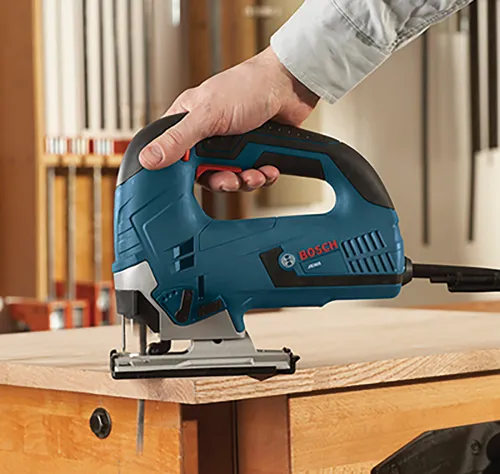
Credit: www.boschtools.com
Common Mistakes To Avoid
Using a jigsaw for detailed woodworking requires care and attention. Avoiding common mistakes helps you get smooth cuts and stay safe. Watch out for habits that can damage the tool or your project.
Here are some frequent errors to avoid when working with a jigsaw. Learning these tips will improve your results and protect you from accidents.
Forcing The Tool
Many users push the jigsaw too hard during cutting. This forces the blade and motor beyond their limits. It causes rough cuts and can break the blade or damage the motor. Let the jigsaw do the work by guiding it gently along the cut line.
- Do not push the tool fast or hard.
- Maintain a steady, moderate speed.
- Use the correct blade type for your wood.
- Let the blade cut without extra pressure.
Ignoring Blade Wear
Using a dull or damaged blade is a common mistake. It makes cutting harder and less accurate. You may notice smoke, burning wood, or rough edges. Check your blade before each use and replace it when worn out.
| Signs of Blade Wear | Effects on Cutting |
| Blade teeth chipped or missing | Rough, uneven cuts |
| Blade dull or blunt | Burn marks on wood |
| Blade bent or warped | Wobbly or crooked cuts |
Overlooking Safety Gear
Safety gear protects you from accidents and injuries. Some users skip protective glasses, ear protection, or dust masks. Woodworking creates dust and flying debris that can harm eyes and lungs. Always wear proper safety equipment before cutting.
- Safety glasses or goggles
- Ear protection like earplugs or earmuffs
- Dust mask or respirator
- Work gloves to protect hands
Frequently Asked Questions
What Types Of Blades Are Best For Jigsaw Woodworking?
Tungsten carbide and high-speed steel blades are ideal for detailed woodworking. Use fine-toothed blades for smooth, precise cuts. For curves and intricate shapes, choose narrow blades. Always match blade type to wood hardness for best results.
How Do I Achieve Smooth Cuts With A Jigsaw?
Use sharp, fine-toothed blades and steady, slow cutting motions. Secure wood firmly to prevent movement. Adjust speed settings for control. Avoid forcing the jigsaw, which causes rough edges. Finish with sanding for a polished look.
Can A Jigsaw Handle Intricate Wood Designs?
Yes, jigsaws excel at cutting curves and complex shapes. Their maneuverability and variable speed settings make detailed designs possible. Using the right blade enhances precision. Practice steady control to avoid mistakes on delicate patterns.
What Safety Tips Should I Follow When Using A Jigsaw?
Always wear safety goggles and ear protection. Keep fingers clear of the blade path. Secure your workpiece firmly before cutting. Disconnect power when changing blades. Maintain a clean, well-lit workspace to avoid accidents.
Conclusion
A jigsaw can elevate your woodworking projects. Its versatility makes it a favorite. Create intricate designs with ease and precision. Practice using different blades for varied materials. This tool is ideal for both beginners and experts alike. Safety remains paramount, so always wear protective gear.
Regular maintenance extends your jigsaw’s life. Explore creative possibilities with this valuable tool. Enjoy the process and watch your skills grow. Happy woodworking!