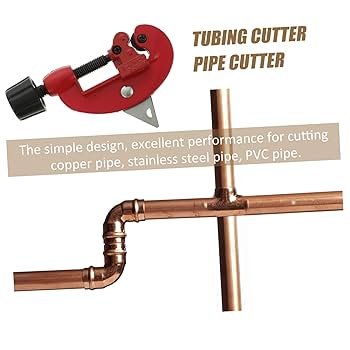
When it comes to working with copper and steel pipes, having the right tool can make all the difference. Using a pipe cutter is not only faster but also gives you cleaner, more precise cuts than a saw or hacksaw.
Whether you’re a DIY enthusiast or tackling a plumbing project, knowing how to use a pipe cutter correctly will save you time, effort, and frustration. You’ll discover simple steps and expert tips to help you cut copper and steel pipes like a pro.
Ready to make your next project smoother and more efficient? Let’s dive in.
Credit: www.vevor.ca
Choosing The Right Pipe Cutter
Using a pipe cutter makes cutting copper and steel pipes clean and precise. Picking the right tool helps save time and effort. This guide covers what you need to know before buying a pipe cutter.
Different pipe cutters work best for different materials and pipe sizes. Knowing the types, material compatibility, and key features will help you choose wisely.
Types Of Pipe Cutters
There are several types of pipe cutters designed for specific tasks. Each has its own advantages.
- Rotary Pipe Cutters:Best for copper pipes. They have a sharp cutting wheel and rollers to guide the cut.
- Hacksaw Cutters:Versatile for steel and other metals. They are manual and require more effort.
- PVC Pipe Cutters:Designed for plastic pipes. They use a ratcheting mechanism for easy cuts.
- Tubing Cutters:Small and precise, ideal for tight spaces and thin pipes.
Materials Compatibility
Choose a pipe cutter that matches the pipe’s material. Using the wrong cutter can damage the pipe or the tool.
| Pipe Material | Recommended Cutter Type |
| Copper | Rotary Pipe Cutter, Tubing Cutter |
| Steel | Hacksaw Cutter, Heavy-duty Rotary Cutter |
| Plastic (PVC, CPVC) | PVC Pipe Cutter |
| Aluminum | Rotary Pipe Cutter, Hacksaw Cutter |
Features To Look For
Good pipe cutters have features that make cutting easier and safer. These features vary by type and brand.
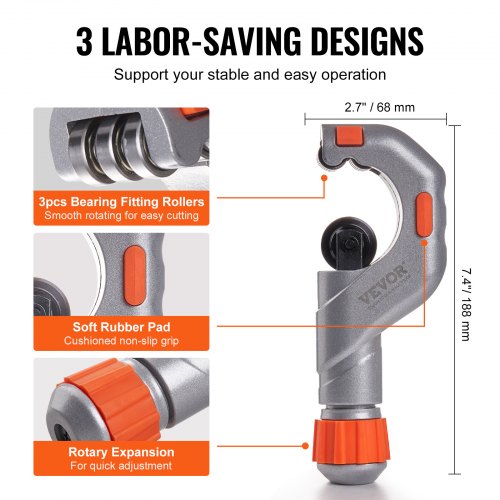
- Adjustable Cutting Wheel:Allows use on different pipe sizes.
- Comfortable Grip:Reduces hand fatigue during long jobs.
- Durable Construction:Strong materials like steel ensure longevity.
- Replaceable Blades:Keep the cutter sharp without buying a new one.
- Compact Size:Useful for working in tight spaces.

Credit: www.amazon.com
Preparing Pipes For Cutting
Cutting pipes cleanly is important for a good fit. Preparing pipes before cutting helps avoid mistakes. This guide covers key steps for copper and steel pipes.
Follow simple preparation steps to make cutting easier and safer. Proper prep saves time and keeps your project neat.
Measuring And Marking
Measure the pipe length carefully using a tape measure. Mark the spot where you want to cut with a pencil or marker. Make sure the mark is clear and easy to see.
Double-check your measurements before cutting. Accurate marking helps you avoid cutting too short or too long.
- Use a tape measure for exact length
- Mark pipe with a visible line
- Check measurement twice before cutting
Securing The Pipe
Hold the pipe firmly to stop it from moving while cutting. Use a pipe vise or clamp to keep it steady. This helps make a straight and clean cut.
Make sure the pipe is secure but not crushed. Proper support prevents accidents and damage to the pipe.
- Use a pipe vise or clamp
- Check that the pipe does not wobble
- Do not over-tighten and damage the pipe
Safety Precautions
Wear safety goggles to protect your eyes from metal or copper shavings. Gloves can protect your hands from sharp edges. Work in a clean, well-lit area.
Keep your fingers away from the cutting blade. Follow all tool instructions carefully to avoid injury.
- Wear safety goggles and gloves
- Keep hands clear of cutting area
- Work in a clean, bright workspace
- Follow tool safety instructions
Cutting Copper Pipes
Using a pipe cutter is a simple way to cut copper pipes cleanly. It gives a straight cut without crushing the pipe.
Copper pipes are soft and easy to cut with the right tool. A pipe cutter helps save time and effort.
Step-by-step Cutting Process
Place the pipe cutter around the copper pipe. Tighten the knob to hold it firmly.
Rotate the cutter around the pipe. After each turn, tighten the knob a little.
- Secure the pipe cutter on the pipe
- Turn the cutter around the pipe smoothly
- Tighten the knob slightly after each full turn
- Repeat until the pipe is cut through
Common Challenges
The pipe may not cut evenly if the cutter is loose. This causes rough edges or crushing.
Cutting too fast can damage the pipe. Take your time and tighten the cutter slowly.
- Loose cutter causes uneven cuts
- Cutting too fast can crush the pipe
- Not rotating fully can cause partial cuts
Smoothing Edges
After cutting, the pipe edges may be sharp or rough. Use a deburring tool to smooth them.
Smooth edges help pipes fit better and prevent damage to fittings or hands.
- Use a deburring tool or sandpaper
- Remove burrs inside and outside the pipe
- Check edges for smoothness before installation
Credit: www.vevor.ca
Cutting Steel Pipes
Cutting steel pipes requires the right tools and careful technique. Steel is strong and tough, so it needs more effort than softer metals.
Using a pipe cutter designed for steel can make your job easier. Safety and precision are important when cutting steel pipes.
Tools And Techniques
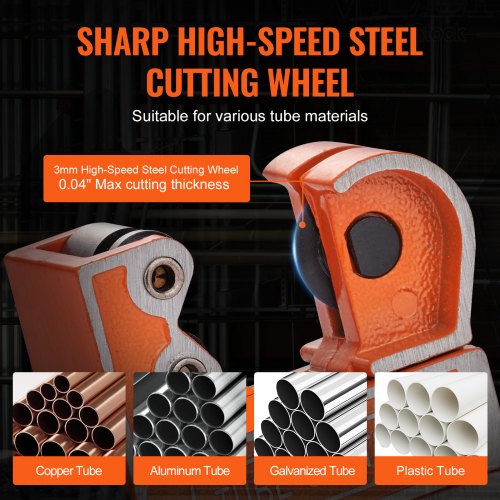
Use a heavy-duty pipe cutter made for steel pipes. These cutters have strong cutting wheels and sturdy frames.
Rotate the cutter around the pipe slowly. Tighten the cutter a little after each full turn. This helps the blade cut evenly through the metal.
- Heavy-duty steel pipe cutter
- Protective gloves and safety glasses
- Work on a stable surface
- Turn the cutter slowly and tighten gradually
Dealing With Harder Materials
Steel pipes are harder than copper pipes. You may need to apply more pressure when cutting.
If the pipe cutter wheel becomes dull, replace it. Using a sharp blade keeps cuts clean and safe. Avoid rushing to prevent damage to the pipe.
- Apply steady pressure, not too fast
- Check the cutter wheel for wear
- Replace dull wheels promptly
- Wear safety gear to protect yourself
Finishing The Cut
After cutting, the pipe edges may be rough or sharp. Use a metal file or deburring tool to smooth the cut edge.
Cleaning the edges helps pipes fit better and prevents injury. Check the cut for any cracks or uneven spots before use.
- Use a metal file or deburring tool
- Remove sharp edges carefully
- Inspect the pipe end for smoothness
- Clean the pipe before installation
Maintaining Your Pipe Cutter
Keeping your pipe cutter in good shape helps it last longer. Proper care makes cutting copper and steel easier and safer.
Regular maintenance prevents damage and keeps the blade sharp. This saves time and effort during your work.
Cleaning After Use
Clean your pipe cutter after every job. Dirt and metal shavings can cause rust and wear out parts.
Use a brush to remove debris. Wipe the tool with a dry cloth to keep it free from moisture.
- Remove metal shavings with a small brush
- Wipe all surfaces with a clean cloth
- Dry the tool completely to stop rust
Blade Replacement
Change the blade when it becomes dull or damaged. A sharp blade cuts smoothly and reduces effort.
Follow the manufacturer’s instructions for blade removal and installation. Use proper tools to avoid injury.
- Check the blade before each use
- Replace dull or chipped blades promptly
- Secure the new blade tightly in place
Storage Tips
Store your pipe cutter in a dry place to avoid rust. Keep it away from moisture and dust.
Use a tool box or a protective case. This keeps the cutter safe and ready for the next job.
- Keep the tool dry and clean before storing
- Use a toolbox or case to protect it
- Store in a place with low humidity
Troubleshooting Common Issues
Using a pipe cutter for copper and steel pipes is simple. Sometimes, problems can happen during cutting. Fixing these issues helps make smooth, clean cuts.
This guide covers common problems and how to solve them. Learn to avoid uneven cuts, pipe deformation, and blade dullness.
Uneven Cuts
Uneven cuts can cause pipe leaks or poor fitting. This usually happens if the cutter is not aligned well or the pipe moves.
- Make sure the pipe is clean and free from dirt.
- Place the cutter squarely around the pipe.
- Tighten the cutter slowly and rotate it evenly.
- Do not rush; cut in steady, smooth turns.
- Check the blade alignment before cutting.
Pipe Deformation
Pipe deformation means the pipe is bent or crushed after cutting. This weakens the pipe and causes leaks.
| Cause | Solution |
|---|---|
| Too much pressure while cutting | Apply gentle, even pressure during cutting |
| Using the wrong cutter size | Choose a cutter size that fits the pipe diameter |
| Not rotating the cutter fully around the pipe | Rotate the cutter all the way around the pipe |
Blade Dullness
A dull blade makes cutting hard and uneven. It can damage the pipe and tool.
To keep the blade sharp:
- Clean the blade after each use.
- Check the blade for nicks or wear before cutting.
- Replace the blade if it is dull or damaged.
- Store the cutter in a dry place to avoid rust.
Frequently Asked Questions
How Do You Use A Pipe Cutter On Copper Pipes?
To cut copper pipes, place the pipe cutter around the pipe, tighten the knob, and rotate it. Gradually tighten the knob after each rotation until the pipe is cleanly cut.
Can A Pipe Cutter Cut Steel Pipes Effectively?
Yes, a pipe cutter designed for steel can cut steel pipes. Use a heavy-duty cutter and apply steady pressure while rotating to ensure a clean cut.
What Are The Benefits Of Using A Pipe Cutter?
Pipe cutters provide precise, clean cuts without deforming pipes. They are faster and safer than saws, minimizing metal shavings and reducing cleanup.
How To Choose The Right Pipe Cutter For Copper And Steel?
Select a pipe cutter based on pipe diameter and material. For steel, use a heavy-duty cutter with hardened cutting wheels. For copper, a standard cutter works well.
Conclusion
Using a pipe cutter can simplify your work with copper and steel. It ensures clean, precise cuts every time. Understanding the tool’s features helps in selecting the right one. Always prioritize safety. Wear gloves and goggles. Practice makes perfect, so take your time.
Follow these tips for a smooth cutting experience. Quality tools and proper technique make a big difference. With practice, you gain confidence and skill. Remember, patience is key. Enjoy the process and enhance your projects. Happy cutting!